A year after initiating a national call to "Share the American Dream," tech entrepreneur and co-founder of Stack Overflow, Jeff Atwood, has announced a monumental $50 million pledge towards the newly established Rural Guaranteed Minimum Income Initiative (RGMII). This significant commitment, representing half of his remaining personal wealth, is earmarked for systemic efforts to combat poverty and ensure the American Dream remains accessible for future generations, with a specific focus on underserved rural communities across the United States. The initiative, first hinted at in early 2025 and officially launched in February 2026, aims to implement and study the effects of direct cash transfers to families in profound need, building on a prior $21 million in immediate aid distributed to various non-profits.
A Call to Action and a Deepening Commitment
The journey towards this substantial philanthropic endeavor began in January 2025, when Atwood publicly invited Americans to join a two-pronged pledge. The first aspect called for immediate support to organizations effectively aiding those most in need. The second, more ambitious goal, challenged individuals to contribute public dedications of time or funds within five years towards longer-term efforts designed to preserve the fairness and attainability of the American Dream. Atwood’s personal commitment to this vision is rooted in a philosophy encapsulated by Mary Gates’ impactful quote: "From those to whom much is given, much is expected." This ethos, amplified by the significant financial event of Stack Overflow’s acquisition in 2021, prompted a profound introspection for Atwood and his family regarding the concept of "enough."
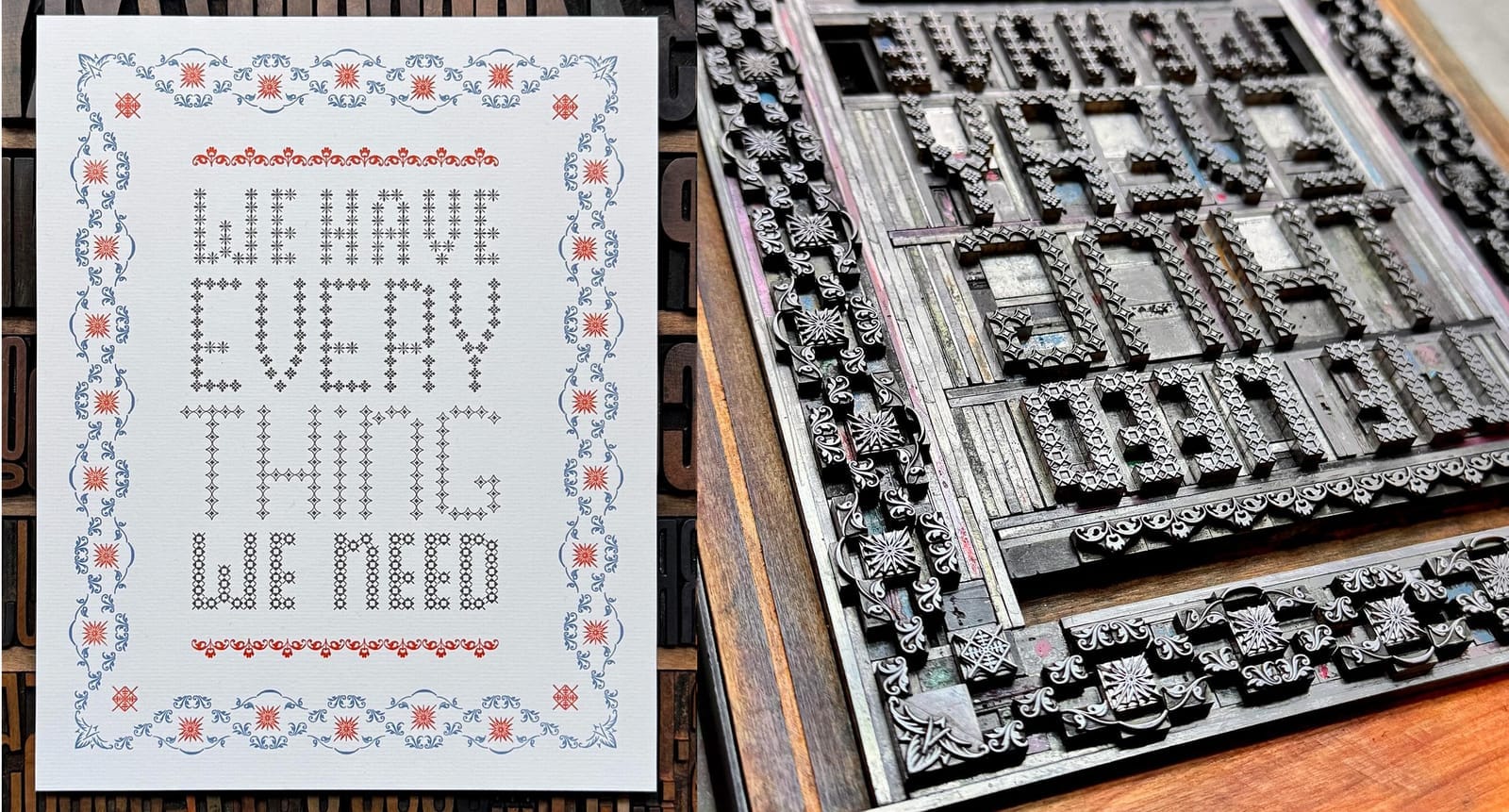
His partner, Betsy Atwood, articulated this sentiment powerfully on a recent podcast, stating, "We have everything we need! That’s how I’ve always phrased it to [our children]. That, I think, extends [to our philanthropy]. We have everything we need; how do we make sure everybody has what they need? Because that’s the basic thing – Do you have a comfortable place to live? Do you have enough to eat? Do you have healthcare? If you have the basics, you’re in a good place in life, and everybody should have that opportunity." This foundational question – "Why can’t everyone else have the basic things they need, too?" – became the driving force behind their philanthropic strategy.
Initially, the Atwood family responded to immediate needs with substantial direct donations. Following an initial $1 million distributed to eight non-profit charities in January 2025, they quickly recognized the escalating urgency of societal challenges. This led to an additional $13 million in donations within a few months, bringing their total short-term contributions to $21 million. However, recognizing that reactive "firefighting" would not address the systemic roots of poverty, Atwood articulated a need for a more enduring solution. The $50 million pledge represents a strategic pivot towards "fire abatement" – tackling underlying issues to reduce the prevalence of societal crises.

From Speculation to Systemic Solution: The Rise of GMI
Early in 2025, Atwood had floated speculative ideas for long-term engagement, including the founding of a new organization modeled loosely on the RAND Corporation but modernized like Lever for Change, aimed at empowering experts to chart a realistic path toward preserving the American Dream. By March 2025, a consensus emerged, leading to the identification of Guaranteed Minimum Income (GMI) as the most promising "road not taken."
GMI is presented as an evolved and targeted version of Universal Basic Income (UBI). While UBI often involves providing unconditional payments to all citizens, GMI specifically directs financial support towards individuals and families who most demonstrably need it, particularly those grappling with generational poverty. This targeted approach aims to maximize the impact of every dollar, ensuring it reaches those for whom it can make the most significant difference in securing basic necessities and fostering stability.
The decision to champion GMI was informed by a growing body of evidence supporting direct cash transfers. Research from various pilot programs globally and within the U.S. has consistently indicated that providing direct financial assistance allows recipients to address their most pressing needs effectively, leading to improved health outcomes, enhanced food security, reduced stress, and often, increased participation in education or workforce training. Recipients frequently prioritize stable housing, adequate nutrition, and essential healthcare, demonstrating the efficacy of empowering individuals to make their own financial decisions.
The personal narratives of GMI recipients underscore its profound impact. Stacy D., a mother of five from West Virginia and a recipient of a RISE program (an early GMI model), shared her struggle with navigating life without a support system. "I moved here with my family. And I have no family up here other than who I brought with me. So, how most people can be like, ‘Hey, I’m having a hard time. Got $20 or a pack of diapers.’ I have nobody up here to do that. So, if me and my husband don’t figure it out, it don’t get figured out." Her story highlights the critical role GMI plays in providing a safety net for families facing unexpected crises, such as vehicle breakdowns that prevent access to work or essential services, particularly for high-risk pregnancies or families with multiple children. Her testimony, "This is gonna… it’s going to do a lot!" encapsulates the transformative potential of such initiatives.
The Rural Guaranteed Minimum Income Initiative (RGMII): A Focused Approach

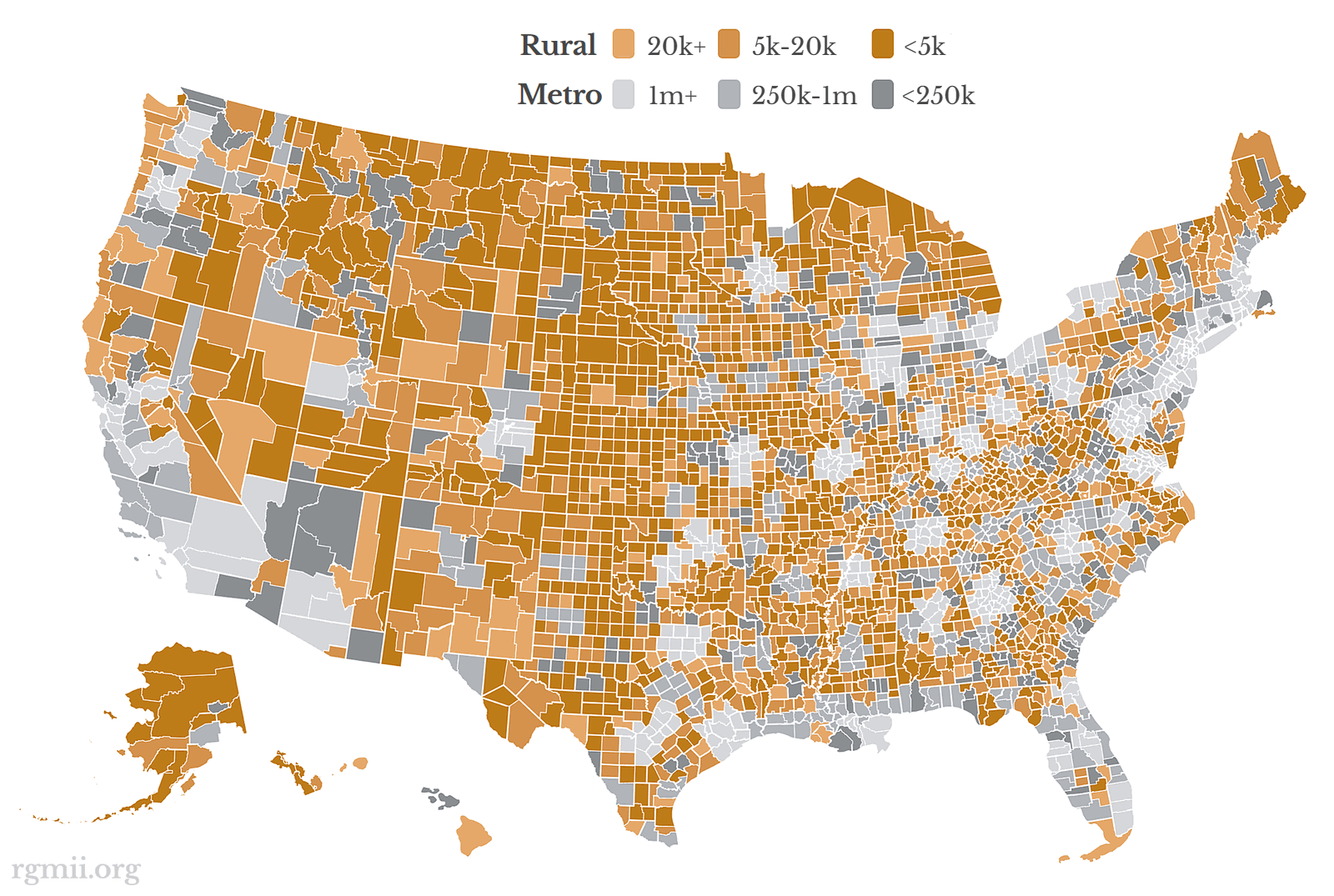
Emphasizing speed and efficacy, the Rural Guaranteed Minimum Income Initiative (RGMII) has already commenced operations, focusing its efforts on rural counties. This strategic choice is driven by several factors: in rural areas, philanthropic dollars often extend further due to lower living costs; poverty is frequently more pervasive and less visible than in urban centers; and smaller populations facilitate tighter, more controlled studies, yielding valuable data. Furthermore, Atwood notes a personal connection to rural America, acknowledging these communities are often overlooked despite possessing immense untapped talent.
Rural America faces unique economic challenges, including declining industries, limited access to higher education and specialized jobs, and inadequate infrastructure for healthcare and internet connectivity. These factors contribute to persistent poverty cycles that can be difficult to break without direct intervention. By focusing on these areas, RGMII aims not only to alleviate immediate hardship but also to foster sustainable economic growth from the ground up.
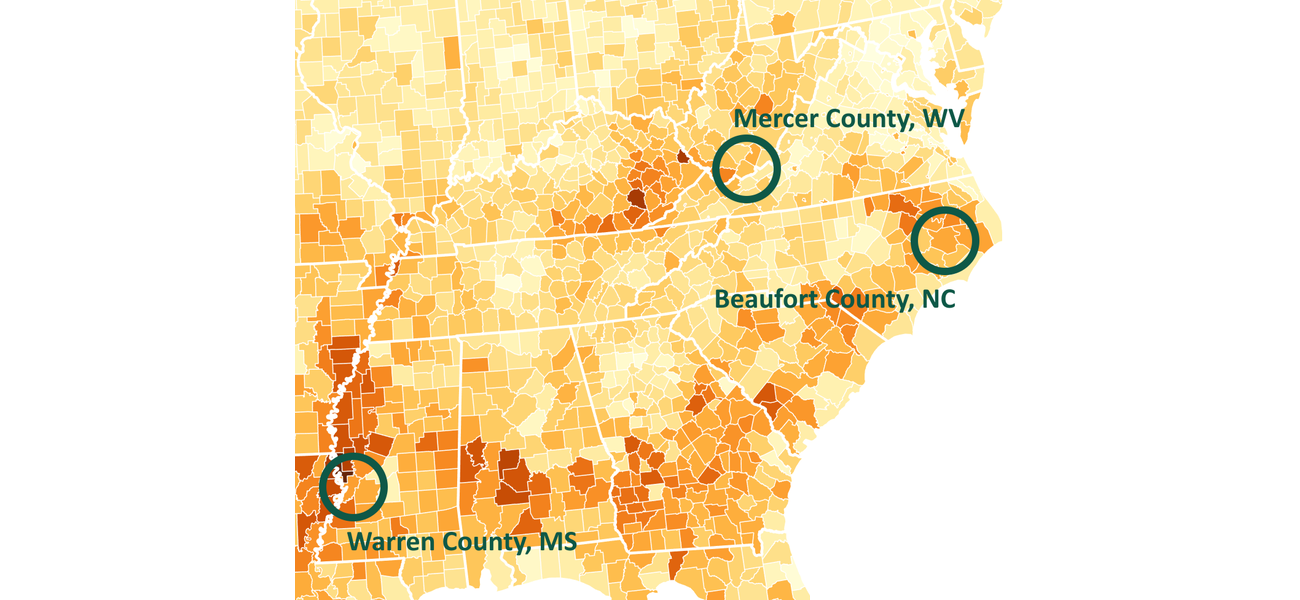
The RGMII has initiated three county-level programs in Mercer, West Virginia; Beaufort, North Carolina; and Warren, Mississippi. These programs are designed to provide financial support to thousands of individuals, lifting them out of poverty for a sustained period of 16 months. A critical component of these pilot programs is the rigorous collection and open sharing of data and results with the broader world. This commitment to transparency and evidence-based philanthropy aims to build a robust case for GMI and inform future policy decisions.

These initial counties represent diverse rural landscapes, allowing RGMII to gather comprehensive data on the varying impacts of GMI across different socio-economic and geographical contexts. Mercer County, WV, for example, has historically grappled with economic transitions from coal mining, while Beaufort County, NC, faces challenges related to agricultural shifts and coastal vulnerabilities. Warren County, MS, reflects issues common in the Mississippi Delta region, including long-standing economic disparities.
Building on What Works and Looking Ahead
The RGMII’s approach is rooted in the "Building On What Works" philosophy, leveraging insights from existing direct cash transfer programs and academic research. These studies consistently demonstrate that recipients overwhelmingly use funds for essential needs, debunking common misconceptions about financial mismanagement. Moreover, the stability provided by GMI can reduce crime rates, improve children’s educational outcomes, and empower individuals to pursue entrepreneurial ventures or further education, thereby breaking cycles of intergenerational poverty.
The ambition for RGMII extends far beyond these initial three counties. The initiative harbors a long-term vision of expanding its reach to all 50 states, systematically addressing poverty across the diverse landscape of rural America. This monumental undertaking necessitates broad collaboration and support.
Atwood underscores that his philanthropic venture is his "third and final startup," signaling a profound dedication to this cause. Rejecting the notion of a traditional "Atwood Foundation," the focus remains singularly on advancing the concept of direct cash transfer. He posits that "simply giving money to those most in need is perhaps the most radical act of love we can take on." This perspective aligns with a growing movement in philanthropy that prioritizes dignity and autonomy for recipients, trusting them to best understand and meet their own needs.
The implications of the RGMII are multifaceted. If successful, it could provide compelling evidence for the scalability and effectiveness of targeted GMI programs, potentially influencing state and federal policy. Economic experts like Dr. Lena Hansen, a senior fellow at the Institute for Poverty Solutions, suggest that "programs like RGMII can serve as vital laboratories, demonstrating how direct cash interventions can stabilize local economies, foster entrepreneurship, and improve public health outcomes in areas often neglected by traditional aid models. The focus on data sharing is crucial for validating these models and informing broader policy shifts." Local community leaders in the pilot counties have also expressed cautious optimism, noting the immediate relief and renewed hope observed among participating families.
Community Engagement and Future Prospects
The RGMII actively invites public participation. Individuals are encouraged to explore the initiative’s website (rgmii.org) to learn about GMI study results, delve into its fascinating history, and understand its mechanisms. Disseminating accurate information and engaging with elected representatives are crucial steps in fostering broader understanding and support for direct cash transfer programs, which often face misconceptions.
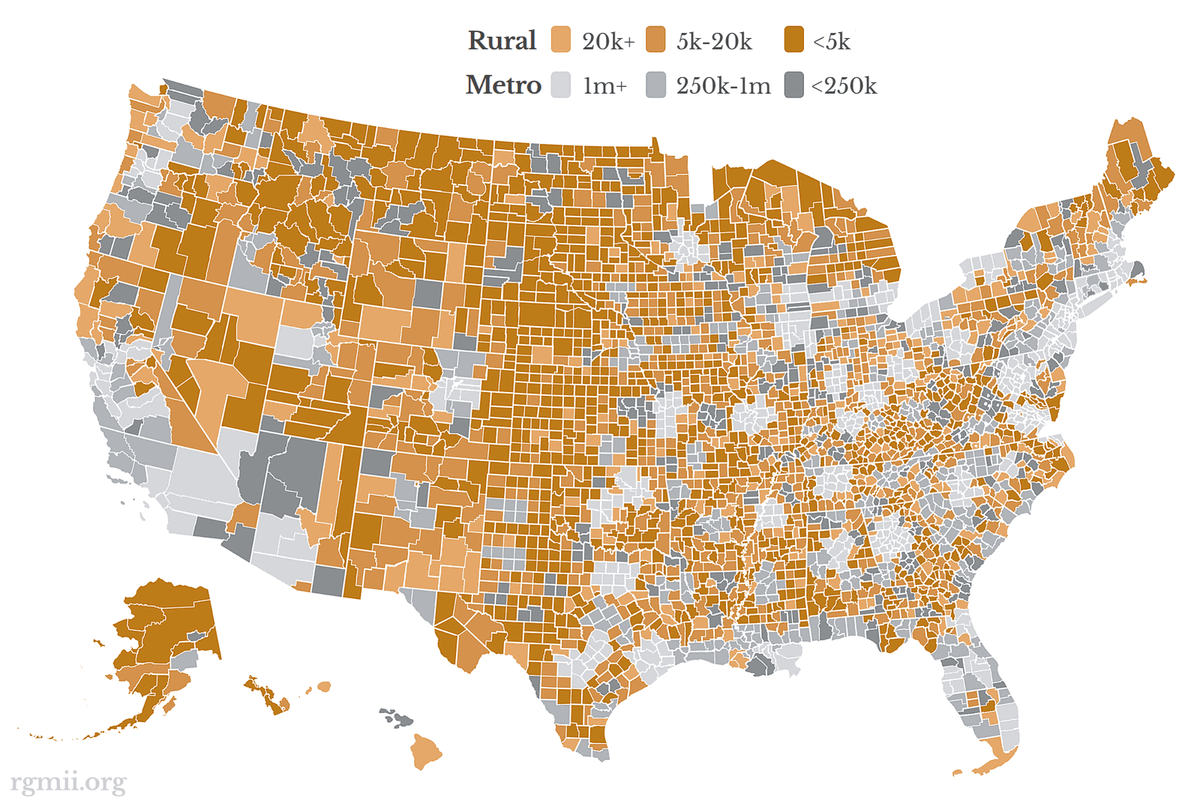
For those "to whom much is given," Atwood extends a direct invitation to join the RGMII as sponsors for county-scale work. By funding GMI studies in new rural counties, donors can contribute to the expansion of this evidence-based approach, helping to lift thousands more people out of poverty while generating invaluable open data for researchers and policymakers worldwide. The initiative highlights a detailed map of U.S. counties, color-coded by poverty levels, visually emphasizing the vast areas where such interventions are critically needed.
Atwood’s closing statement, "Dreams, like happiness, are only real when shared. So let’s do that together," encapsulates the collaborative and hopeful spirit driving the RGMII. This initiative represents a significant philanthropic effort to redefine the American Dream, not as an individual pursuit in isolation, but as a shared societal commitment to ensuring basic well-being and opportunity for all. The commitment from Jeff Atwood and his family, channeled through the Rural Guaranteed Minimum Income Initiative, stands as a bold challenge to conventional approaches to poverty alleviation, advocating for a path of direct empowerment and collective responsibility.
About the Author