Jeff Atwood, a prominent figure in the technology world and co-founder of influential platforms like Stack Overflow and Discourse, has announced a sweeping philanthropic initiative, committing half of his family’s remaining wealth over the next five years to support and reignite the American Dream. The announcement, made amidst what Atwood describes as an "unprecedented point in American history," follows immediate donations totaling $8 million to non-profit organizations focused on immediate relief for those in need. Atwood’s pledge is rooted in a deep concern that the foundational promise of the American Dream is increasingly out of reach for many, exacerbated by escalating wealth inequality and perceived vulnerabilities within the democratic system.
A Multi-Faceted Philanthropic Commitment
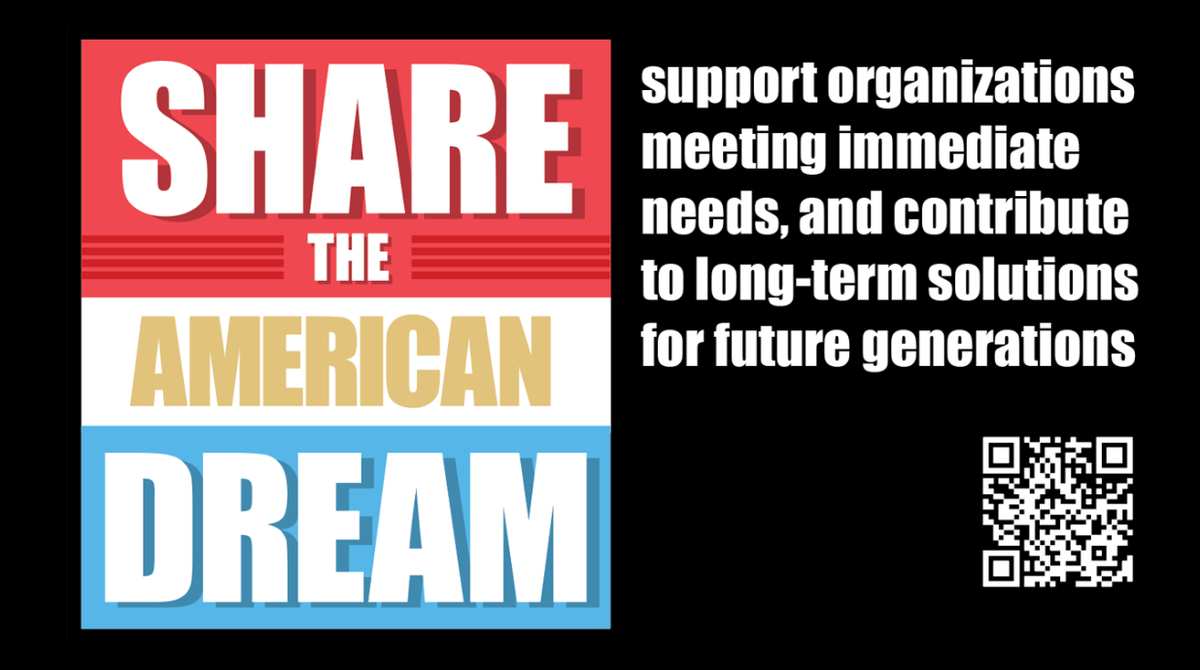
Atwood’s philanthropic strategy addresses both immediate necessities and long-term systemic change. The initial phase saw eight $1 million donations disbursed to various non-profit groups dedicated to alleviating current hardships across America. This immediate support aims to provide a safety net for vulnerable populations facing pressing challenges. Looking ahead, the more substantial commitment involves allocating half of the Atwood family’s wealth over the next five years to initiatives designed to ensure that all Americans retain access to the core tenets of the American Dream. While specific recipients for the long-term funds were not fully detailed in the initial announcement, Atwood indicated a focus on efforts that foster resilience, empathy, and unity, aligning with his belief in a "shared American Dream founded on love." He has also invited collaboration, offering to advise and empower others working towards similar goals.
A Personal Journey Informing a Public Stand
Atwood’s call to action is deeply personal, stemming from his own journey from modest beginnings to significant success. He recounts his parents’ "hardscrabble rural West Virginia and rural North Carolina origins," their struggles with alcoholism, and their eventual move to Virginia where they "barely managed to claw their way to the bottom of the middle class." Despite the familial challenges, Atwood emphasizes the unconditional love he received and the profound lesson of "fully, deeply receive love, and the profound joy of reflecting that love upon everyone around you."

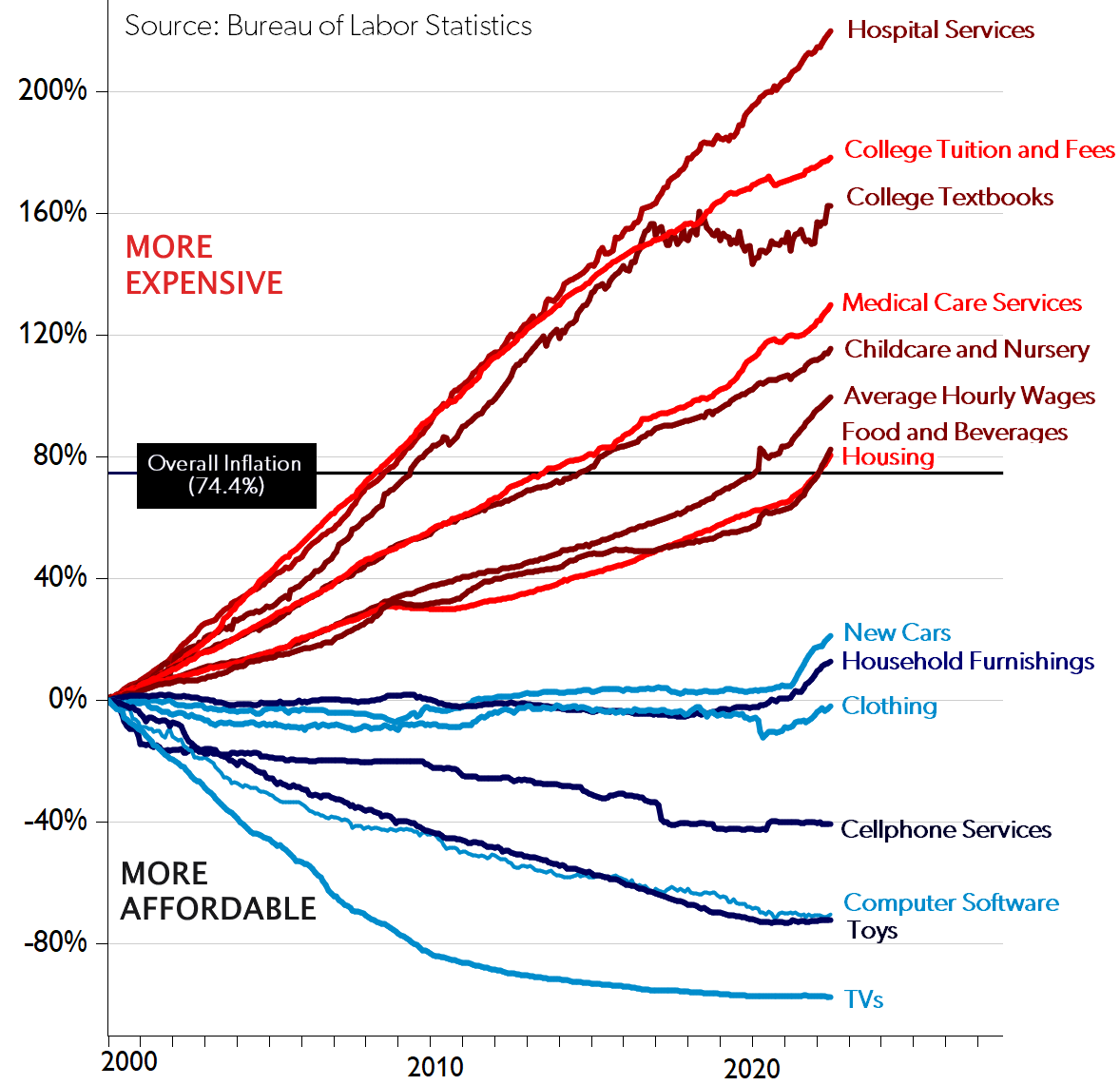
His educational path further illustrates the evolving landscape of opportunity. Atwood attended public school in Chesterfield County, Virginia, and graduated from the University of Virginia in 1992, an institution founded by Thomas Jefferson. During his college years, he worked part-time as a Safeway cashier, earning the federal minimum wage, and relied on Pell grants, scholarships, and other part-time jobs to cover tuition. At the time, in-state tuition at UVA was approximately $3,000 per year. Today, that same tuition stands at $23,000 per year, representing an eightfold increase in just three decades. This drastic rise in the cost of education, alongside soaring expenses for healthcare and housing, is cited by Atwood as a direct threat to the accessibility of the American Dream for contemporary generations.
Pioneering Digital Democracy and Empathy
Atwood’s career in technology provided him with a unique perspective on community building and democratic principles. In 2008, he co-founded Stack Overflow with Joel Spolsky, a Q&A website that revolutionized how programmers share knowledge. The platform was built on principles of digital democracy, utilizing voting mechanisms to rank questions and answers, and ranked-choice voting for community moderator elections. This created a "digital democracy — of the programmers, by the programmers, for the programmers."

Building on this success, Atwood and Spolsky recognized that digital democracy alone was insufficient. This led to the creation of Discourse, a free, open-source tool designed for constructive, empathetic community discussions. Discourse empowers communities to establish and enforce boundaries through democratic governance and strong moderation, fostering "digital democracy and empathy for everyone." Atwood underscores the importance of extending kindness through screens in an increasingly digital world, recognizing that anonymity can often lead to behaviors not seen in face-to-face interactions. He views both Stack Overflow and Discourse as "projects for the public good that happen to be corporations," embodying the promise of the American Dream through hard work and good fortune.
The Distorting Lens of Wealth and the Call to Share
The accumulation of wealth from his ventures, while a personal realization of the American Dream, also brought Atwood a stark awareness of societal inequality. He admits that his wealth began to unintentionally distance his family from other Americans, leading to a point where he no longer had to consider the cost of everyday items – a privilege inaccessible to the vast majority. This realization crystallized a deeper understanding that "the more wealth you attain, the more unmistakably clear it becomes how unequal life is for so many of us."
Atwood credits a high school theater performance of S.E. Hinton’s "The Outsiders" for a pivotal insight into the true meaning of "staying gold" – interpreting it as "sharing the American Dream." The play’s director emphasized themes of resilience, empathy, and unity, resonating with Atwood’s growing conviction that personal success must translate into collective upliftment.
Escalating Inequality and a Critique of Modern Capitalism
Atwood’s commitment is positioned against a backdrop of widening wealth disparity in the United States and globally. Data from 2012 showed the top 1% of Americans holding 24% of the nation’s wealth; by 2021, this figure had climbed to 30%. Globally, the top 1% now possess nearly twice as much wealth as the rest of the world combined. This concentration of wealth, Atwood argues, is "unamerican," challenging the foundational promise of equal opportunity.
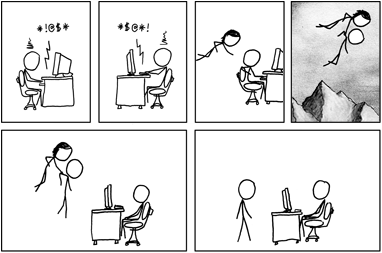
He invokes W.E.B. Du Bois’s perspective on national prosperity: "We should measure the prosperity of a nation not by the number of millionaires, but by the absence of poverty, the prevalence of health, the efficiency of the public schools, and the number of people who can and do read worthwhile books." This quote serves as a powerful counterpoint to the current trajectory of wealth accumulation. While acknowledging that the existing "version of capitalism" delivered significant wealth to his family, Atwood and his partner have consistently paid their taxes and had long planned to donate most of their wealth to charity upon their passing, following the Warren Buffett Philanthropic Pledge. However, recent developments, including Buffett’s amended pledge and the results of the 2024 presidential election, spurred Atwood to accelerate his giving, choosing to allocate half of his wealth within the next five years rather than at death. He clarifies that he is retaining sufficient funds to ensure his own children’s college education and ability to purchase a home, reflecting a balance between philanthropic ambition and parental responsibility.
Challenges to Democracy and Proposals for Reform
Atwood’s decision is also significantly influenced by the current state of American democracy, particularly following the November 2024 presidential election. He expresses concern over the 34% of adult Americans who did not exercise their right to vote, along with the 7.6% deemed ineligible due to non-citizenship or felony convictions, resulting in 42% of adults having no say in the election outcome. He raises critical questions about the causes of low turnout, including voter suppression, gerrymandering, and a pervasive feeling among citizens that their vote does not matter.
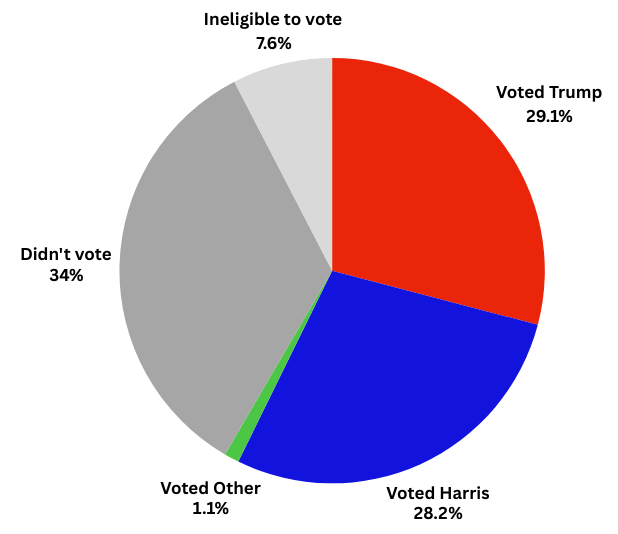
He contends that many Americans who did vote are signaling a belief that the government is failing to "effectively keep America fair for everyone," thereby jeopardizing the nation’s status as a leading democracy. To address these systemic issues, Atwood advocates for several electoral reforms:
- Making Election Day a National Holiday: To increase accessibility and participation.
- Universal Mail-in Voting: To simplify the voting process.
- Adopting Ranked-Choice Voting: To ensure that all votes carry more weight and better reflect voter preferences.
- Strengthening Democratic Institutions: Including state and local election boards, and the Federal Election Commission, to safeguard the integrity of the electoral process.
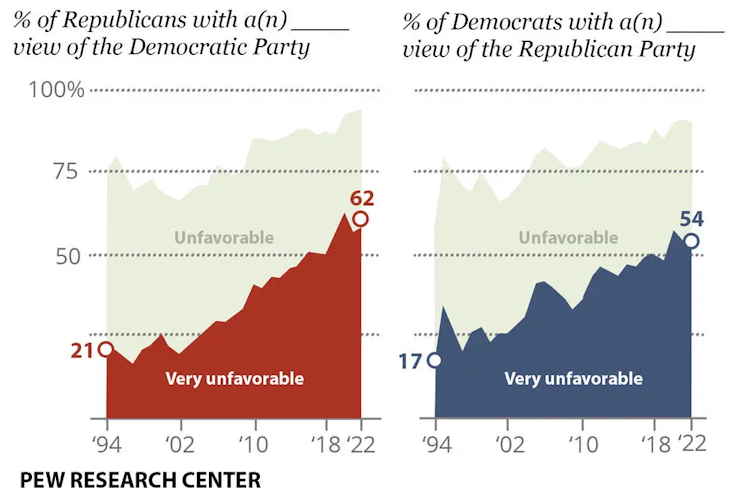
Atwood highlights the extreme political polarization currently gripping the United States, describing it as "historically high levels and rising." He argues that in a two-party system, such polarization is "counterproductive and even dangerous," raising the fundamental question: "Do we all still believe in the same American Dream?" The last significant constitutional amendment, the 26th, lowering the voting age to 18, was passed in 1971, underscoring the current difficulty in achieving broad political consensus for meaningful change.
The American Dream: A Choice Between Love and Hate
Reflecting on the ideals embedded in the Declaration of Independence – "Life, Liberty and the pursuit of Happiness" – Atwood acknowledges the persistent struggle to live up to these aspirations. He references Jimi Hendrix’s iconic rendition of the national anthem as an eloquent capture of this historical distortion, and the contrasting philosophies presented in cultural touchstones like "The Night of the Hunter" and Radio Raheem’s "Love and Hate" monologue from "Do the Right Thing." Atwood concludes that the American Dream inherently contains both the "path of hate" and the "path of love," with one constantly battling the other throughout history. His family’s substantial pledge, therefore, is explicitly committed "toward an American Dream founded on love."
Atwood’s call is not merely for financial contributions but for a collective recommitment to the shared ideals of empathy, fairness, and democratic participation. He urges all Americans to contribute "however you can, to organizations you feel are effectively helping" those in need. He will be elaborating on his long-term efforts in a follow-up blog post, "Let’s Talk About The American Dream," and is scheduled to co-present a talk titled "Rebuilding the American Dream: A Path Forward" with Alexander Vindman at Cooper Union on Thursday, March 20th at 7 PM eastern time. His message, echoing the timeless refrain, is a simple yet profound imperative for the nation: "Stay gold, America."
(This article was developed with the insights provided by Jeff Atwood, his partner Betsy Burton, and his family. Atwood also acknowledged Steve McConnell for inspiring his blogging journey and numerous individuals for their feedback on his original post.)
About the Author