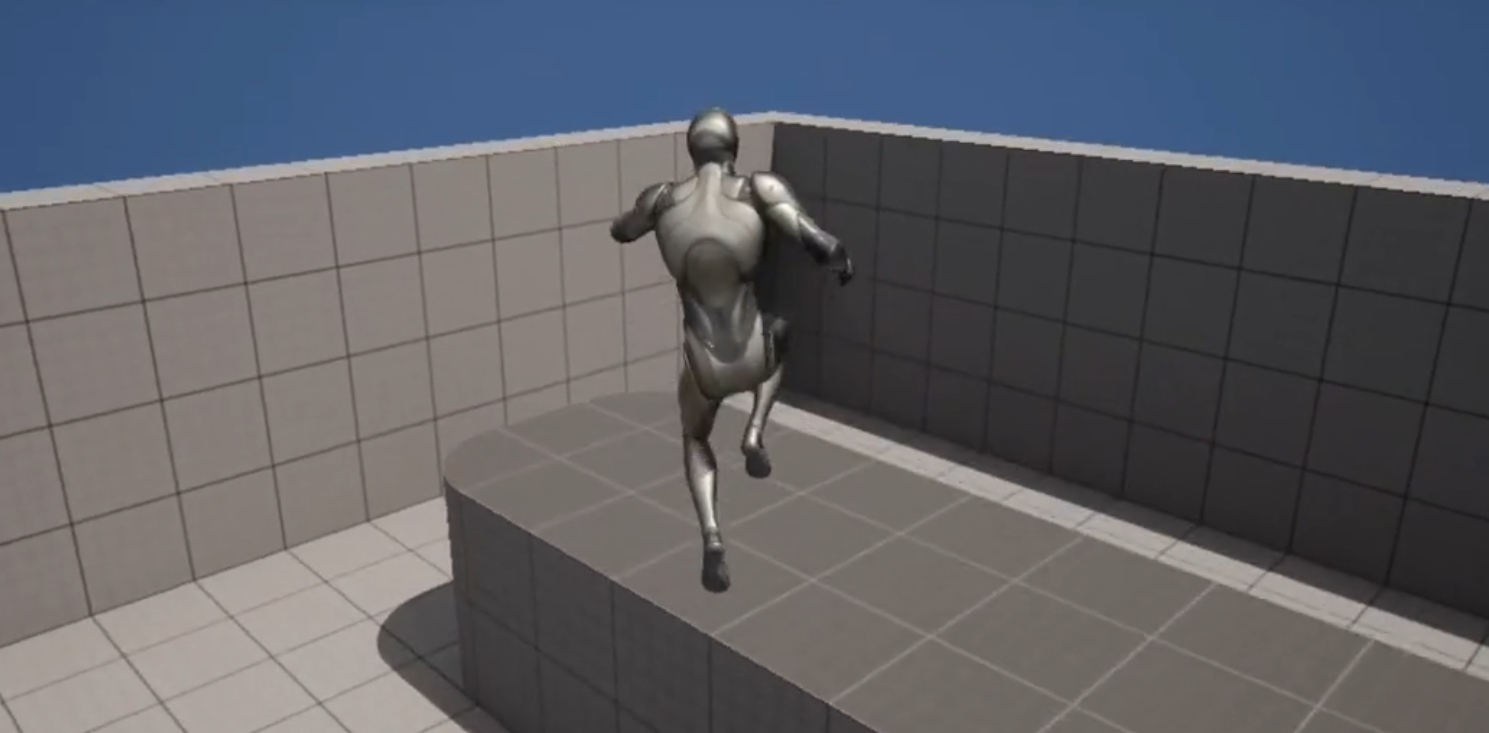
The double jump, a fundamental mechanic in numerous iconic video games, has long been a cornerstone of platforming design, offering players enhanced mobility and opening up intricate level layouts. From the gothic corridors of Castlevania: Symphony of the Night to the vibrant worlds of Crash Bandicoot, the whimsical adventures of the Kirby series, and the expansive environments of Banjo-Kazooie, this ability has consistently enriched gameplay, demanding precision and strategic timing. The widespread adoption of this mechanic across diverse genres underscores its value in providing player agency and verticality. In a significant development for game creators, Unreal Engine 5 (UE5), Epic Games’ flagship development platform, has drastically simplified the process of integrating this classic feature, making it more accessible than ever for developers of all experience levels. This simplification extends beyond mere functionality, with UE5 also providing robust tools for refining the accompanying animations, ensuring a polished and immersive player experience.
The Enduring Appeal of the Double Jump in Game Design
The double jump, as a design trope, traces its roots back to early platforming games, evolving from simple single-jump mechanics to grant characters a second aerial boost. This seemingly minor addition profoundly impacts game design, allowing for more complex level geometry, hidden pathways, and increased difficulty curves. It transforms how players perceive and interact with environments, enabling them to overcome seemingly insurmountable obstacles and encouraging exploration. The mechanic provides a crucial layer of control and freedom, enhancing the player’s sense of mastery over their character’s movement. Historically, implementing such a feature often required developers to write custom code, manage complex state machines, and meticulously fine-tune physics parameters, a process that could be time-consuming and prone to errors, particularly for studios with limited resources or individual developers. The prevalence of the double jump in titles spanning decades — from the 8-bit era to contemporary releases — highlights its timeless effectiveness and universal appeal in action-platforming.
Unreal Engine 5: A New Era of Accessibility
Unreal Engine 5, officially released in April 2022, represents a significant leap forward in game development technology. Known for its photorealistic rendering capabilities, powerful tools like Nanite and Lumen, and a highly customizable Blueprint visual scripting system, UE5 has quickly become a preferred choice for both AAA studios and independent developers. Epic Games’ vision for UE5 has consistently focused on empowering creators through intuitive design and robust, pre-built functionalities. The engine’s Character Movement Component, a core system for handling player character locomotion, exemplifies this philosophy. By providing a comprehensive framework for movement, jumping, falling, and other common actions, UE5 abstracts much of the underlying complexity, allowing developers to focus on creative iteration rather than foundational programming. This approach significantly reduces the barrier to entry, enabling a broader range of creators to bring their visions to life.
Streamlining the Double Jump Implementation: A Step-by-Step Overview
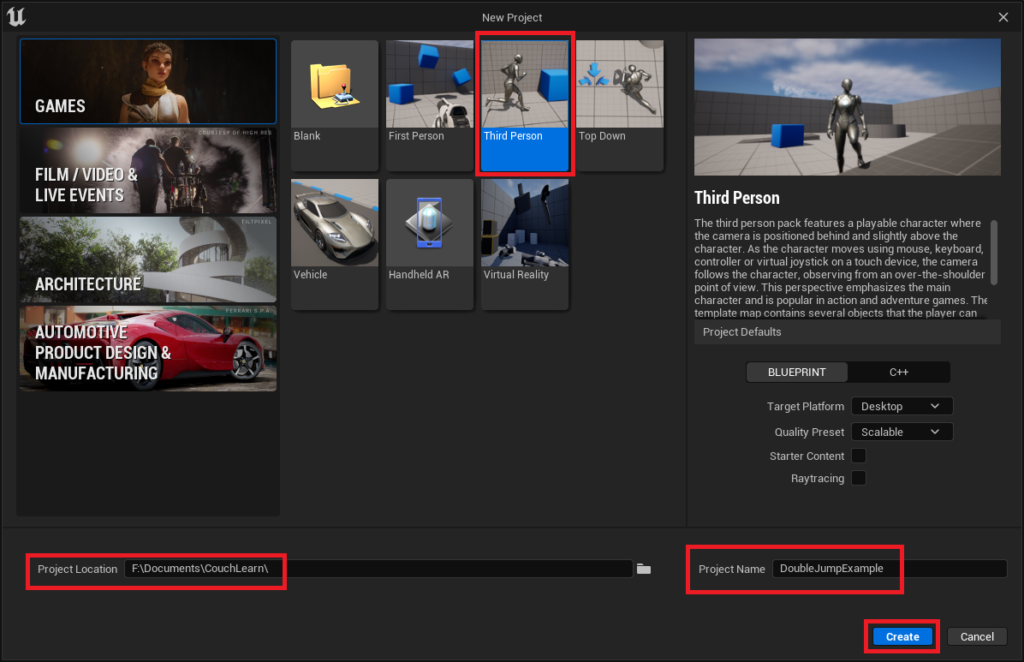
Implementing the double jump in UE5 is remarkably straightforward, a testament to the engine’s design for developer efficiency. The process typically begins within a new project, often utilizing the Third Person template, which provides a pre-configured character blueprint (BP_ThirdPersonCharacter) and a basic environment. This template serves as an ideal starting point for new developers, offering a functional character rig and movement system out-of-the-box.
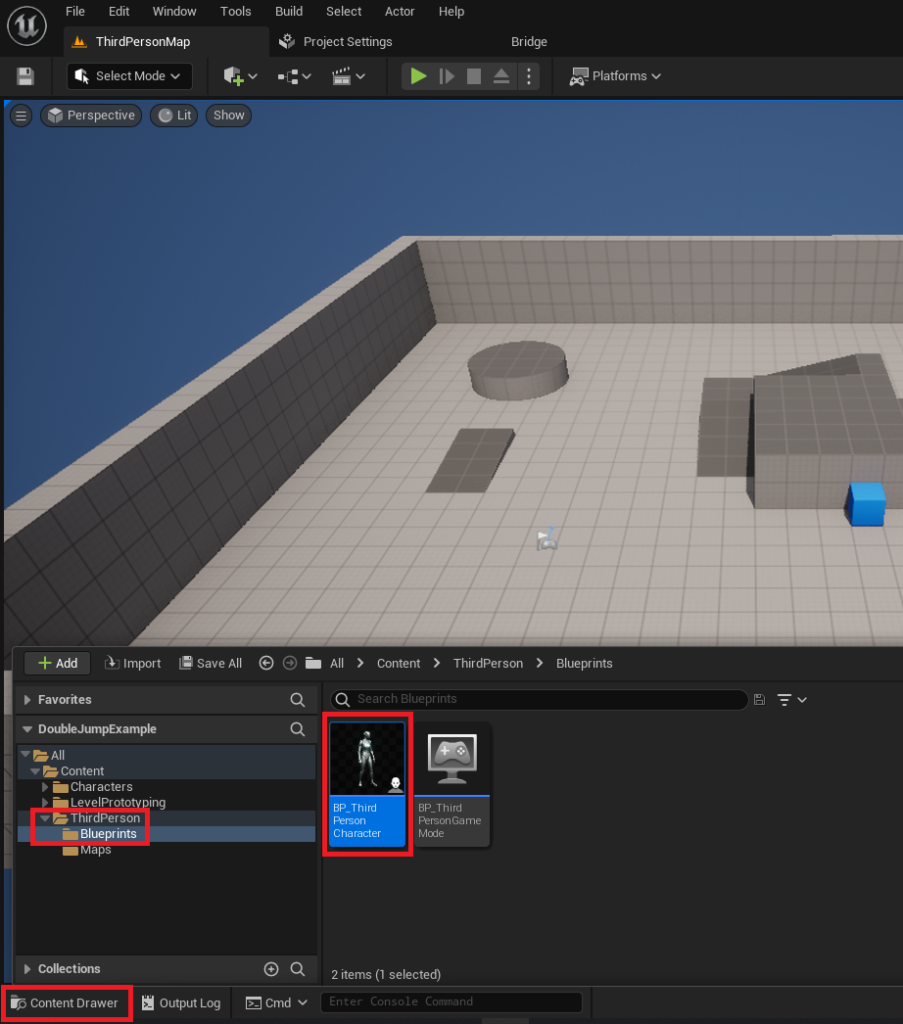
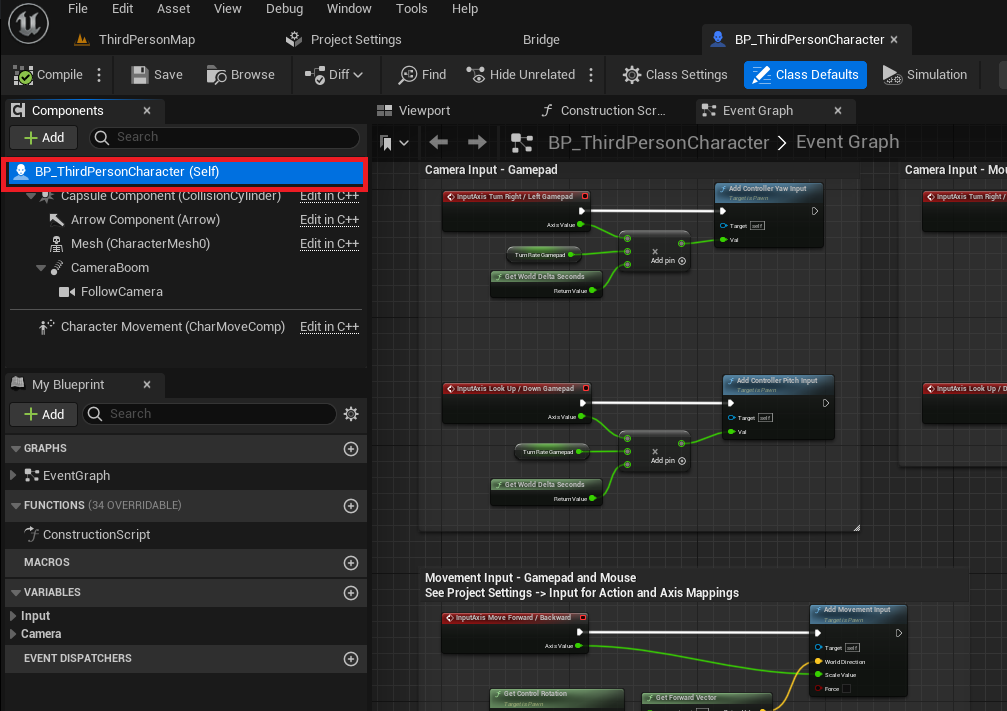
For developers already engaged in a project, the integration process directly involves modifying their existing Character blueprint. The critical step involves navigating to the Character blueprint within the Content Browser, usually located in Content/ThirdPerson/Blueprints. Once opened, selecting the main BP_ThirdPersonCharacter (Self) node within the blueprint editor exposes its properties in the Details panel.
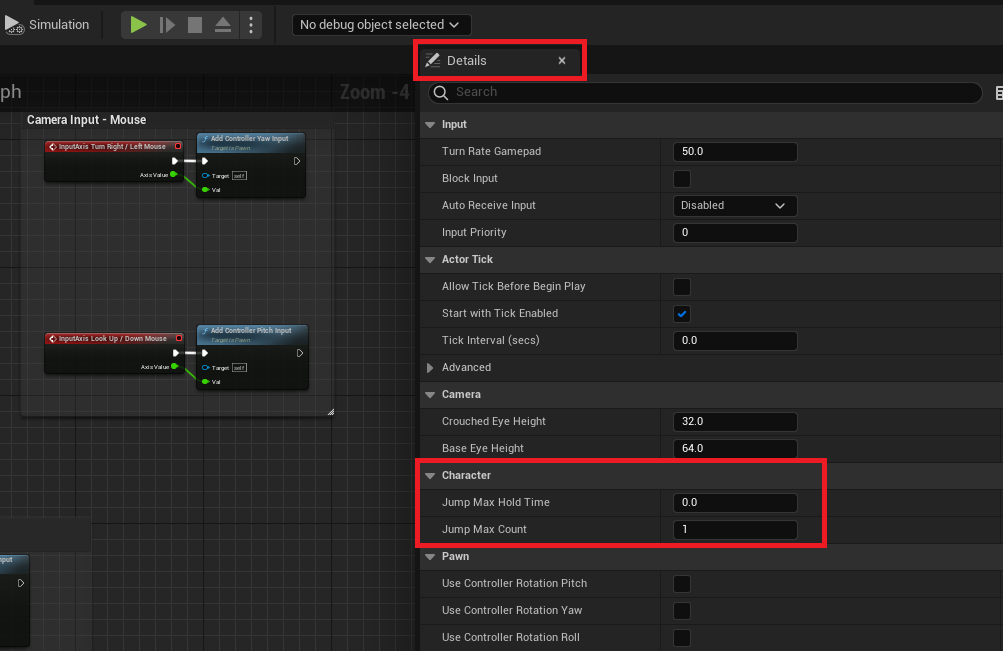
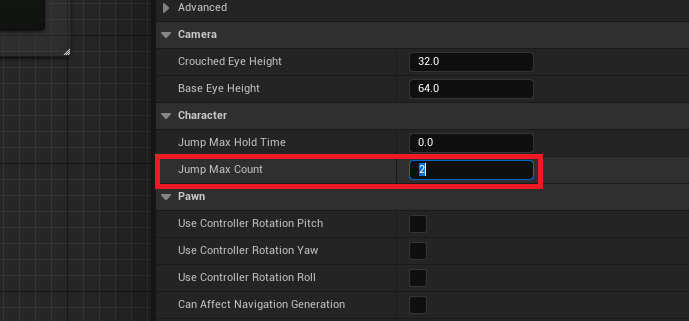
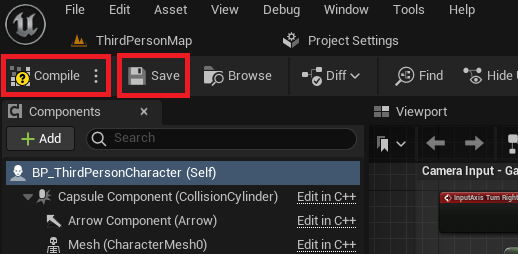
Within this Details panel, under the "Character" category, a crucial parameter named "Jump Max Count" is located. By default, this value is set to ‘1’, allowing for a single jump. To enable a double jump, developers simply need to modify this value to ‘2’. This singular adjustment, without requiring any complex scripting or C++ coding, instantly grants the character the ability to perform a second jump while airborne. The flexibility of this parameter allows for "triple jumps" or even more successive jumps by simply incrementing the value to suit specific game design requirements, offering unparalleled ease in tailoring character abilities. After modifying the value, it is imperative to compile and save the blueprint to ensure the changes are applied to the project. This simplicity highlights UE5’s commitment to a ‘drag-and-drop’ or ‘parameter-tweak’ development paradigm for common features.
Elevating the Experience: Intermediate Animation Improvements
While the functional double jump is achieved with a single parameter change, a truly polished game experience demands corresponding visual feedback. Without proper animation, the second jump can feel disjointed or lack impact, diminishing player immersion. UE5 addresses this by providing an intuitive animation system that allows for refined visual cues. This stage, while categorized as "intermediate difficulty," remains highly accessible through UE5’s visual animation blueprint system.
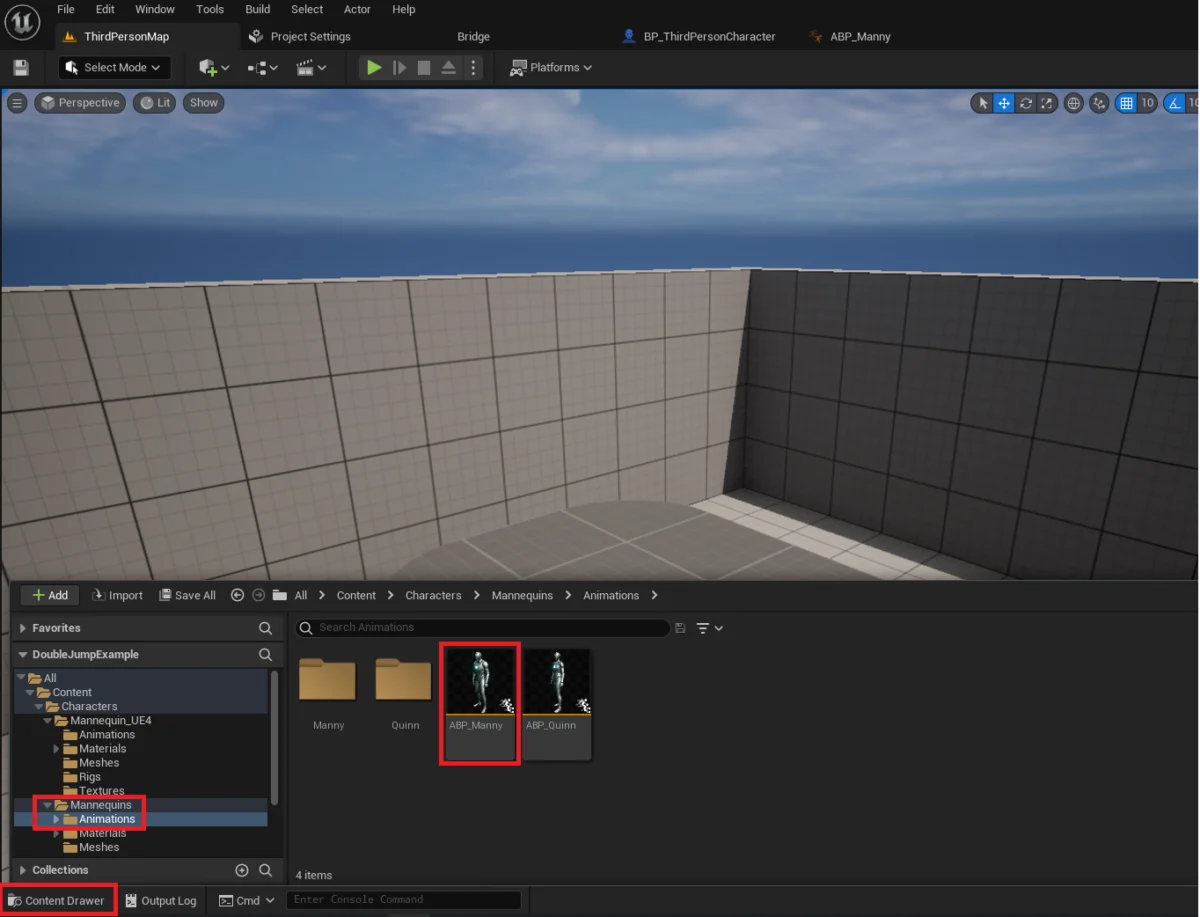
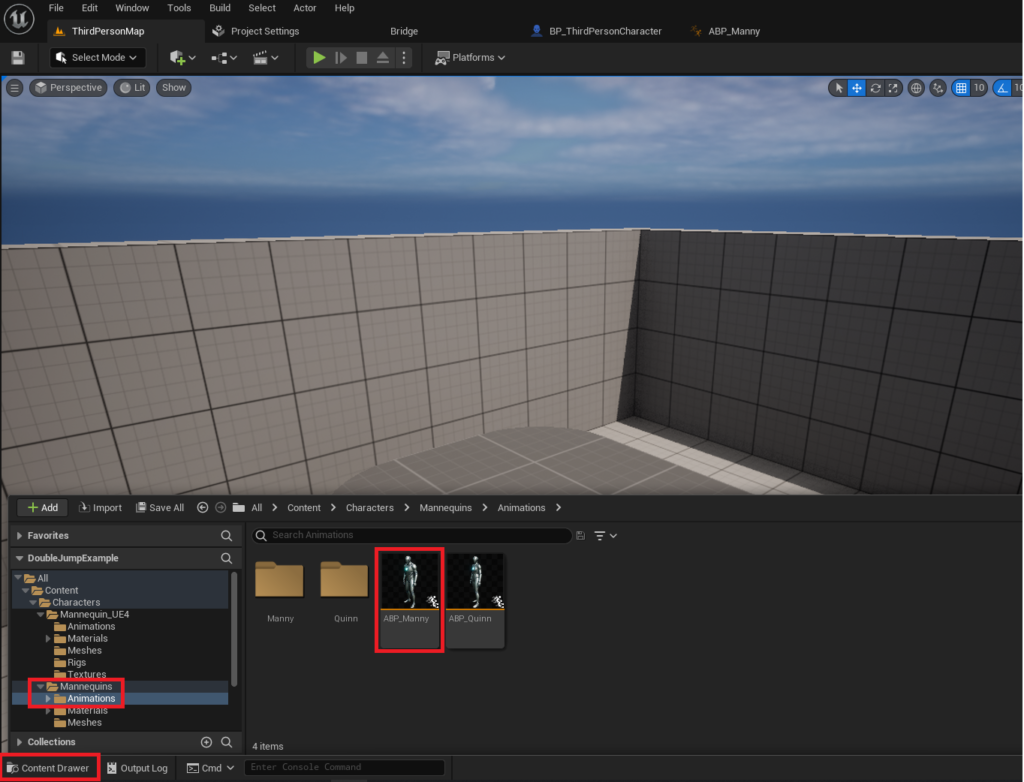
The key to improving the double jump animation lies in modifying the character’s Animation Blueprint, specifically the ABP_Manny asset (or its equivalent in custom projects), typically found in Content/Characters/Mannequins/Animations. This blueprint governs all character animations and transitions.
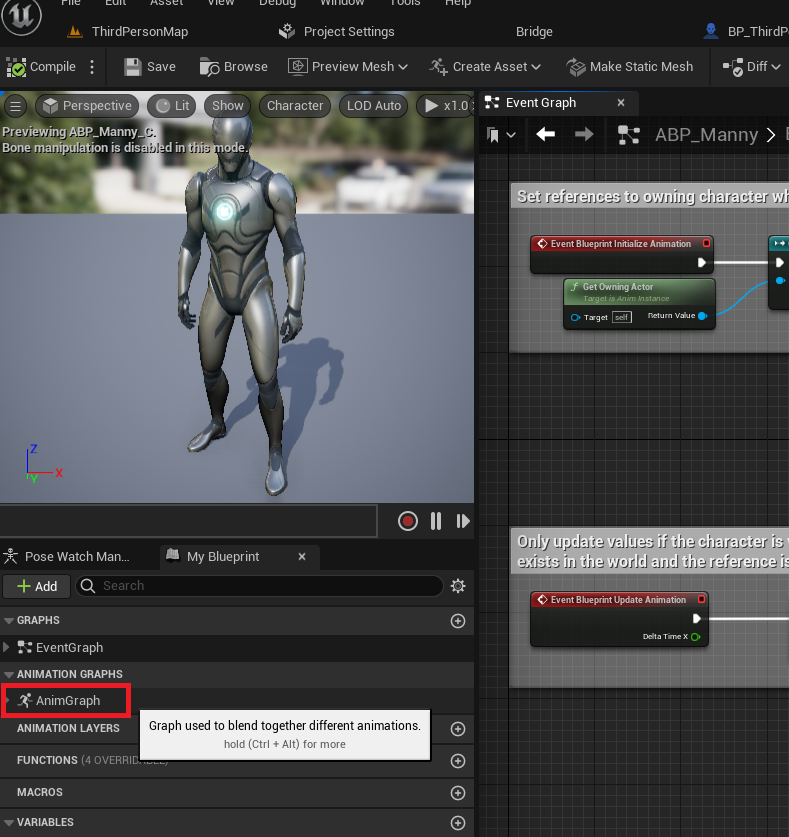
Upon opening the Animation Blueprint, developers access the "AnimGraph," which visually represents the character’s animation state machine. Within the AnimGraph, the "Main States" state machine is the central hub for defining how animations transition between different actions (e.g., idle, run, jump, fall).
The core of the animation improvement involves creating a new transition within the "Main States" state machine. Developers drag a connection from the "Fall Loop" state to the "Jump" state. This creates a transition rule that dictates when the character can move from a falling animation back into a jumping animation. By default, after a single jump, the character typically transitions to a "Fall Loop" animation. For a double jump to visually register, the character needs to re-enter the "Jump" animation state during the second jump.
Opening this newly created transition rule reveals a blueprint graph where developers define the conditions for the transition. The critical nodes to add involve checking the character’s movement state. Specifically, the animation blueprint needs to query if the character is currently falling and if the character has initiated another jump (i.e., IsFalling and JumpedRecently). By connecting these conditions logically, the animation system is instructed to transition from the Fall Loop back to the Jump animation whenever a second jump is triggered while the character is airborne. This ensures that each jump, whether the first or subsequent ones, plays the appropriate visual animation, providing clear and satisfying feedback to the player. Compiling and saving the Animation Blueprint after these modifications finalizes the enhanced double jump experience. The contrast between a functional but un-animated double jump and one with polished visual feedback is substantial, significantly contributing to the perceived quality and responsiveness of the game.
Implications for Game Development and Player Experience
The ease with which core mechanics like the double jump can be implemented in Unreal Engine 5 carries significant implications for the broader game development landscape. Firstly, it further democratizes game creation. Smaller indie studios and individual developers, often constrained by time and resources, can now implement sophisticated character mechanics with minimal effort, allowing them to focus more on innovative gameplay, narrative, and artistic direction. This fosters greater diversity in game offerings and lowers the barrier to entry for aspiring creators.
Secondly, it enhances the speed of prototyping and iteration. Game designers can quickly test different jump counts, jump heights, and animation timings, rapidly iterating on character feel and level design without extensive programming bottlenecks. This agile development cycle is crucial for refining gameplay and ensuring a compelling player experience.
Thirdly, from a player perspective, well-implemented and animated mechanics lead to greater immersion and satisfaction. The visual and auditory cues associated with a perfectly executed double jump contribute to a sense of control and accomplishment, making the gameplay loop more rewarding. As the gaming market becomes increasingly competitive, the polish of core mechanics often differentiates successful titles.
Epic Games’ continued investment in making advanced features accessible through systems like Blueprints underscores their commitment to a robust developer ecosystem. This approach not only strengthens UE5’s position as a leading game engine but also contributes to the overall evolution of game design, encouraging more sophisticated and player-centric experiences across the industry. The ability to quickly integrate and refine a classic mechanic like the double jump is a clear indicator of UE5’s power and its user-centric design philosophy, promising a future where innovative game mechanics are limited only by imagination, not by technical hurdles.
In conclusion, Unreal Engine 5 has streamlined the integration of the double jump, a ubiquitous and essential platforming mechanic, from a single parameter adjustment for functionality to a logical sequence of animation blueprint modifications for visual polish. This ease of implementation, coupled with UE5’s powerful suite of tools, significantly empowers game developers, fostering a more accessible, efficient, and creative environment for crafting compelling interactive experiences. The enhanced visual feedback from proper animation, while an intermediate step, is crucial for delivering a truly satisfying and immersive gameplay experience, reinforcing the engine’s role in shaping the future of interactive entertainment.
About the Author