In a significant philanthropic announcement, prominent tech entrepreneur and co-founder of Stack Overflow and Discourse, Jeff Atwood, has committed half of his remaining personal wealth over the next five years to initiatives aimed at revitalizing and ensuring access to the American Dream for all citizens. This substantial pledge, coming after an initial $8 million in immediate donations, is framed as a direct response to what Atwood perceives as an unprecedented juncture in American history, marked by escalating wealth inequality, democratic fragility, and profound political polarization.
A Two-Pronged Philanthropic Initiative
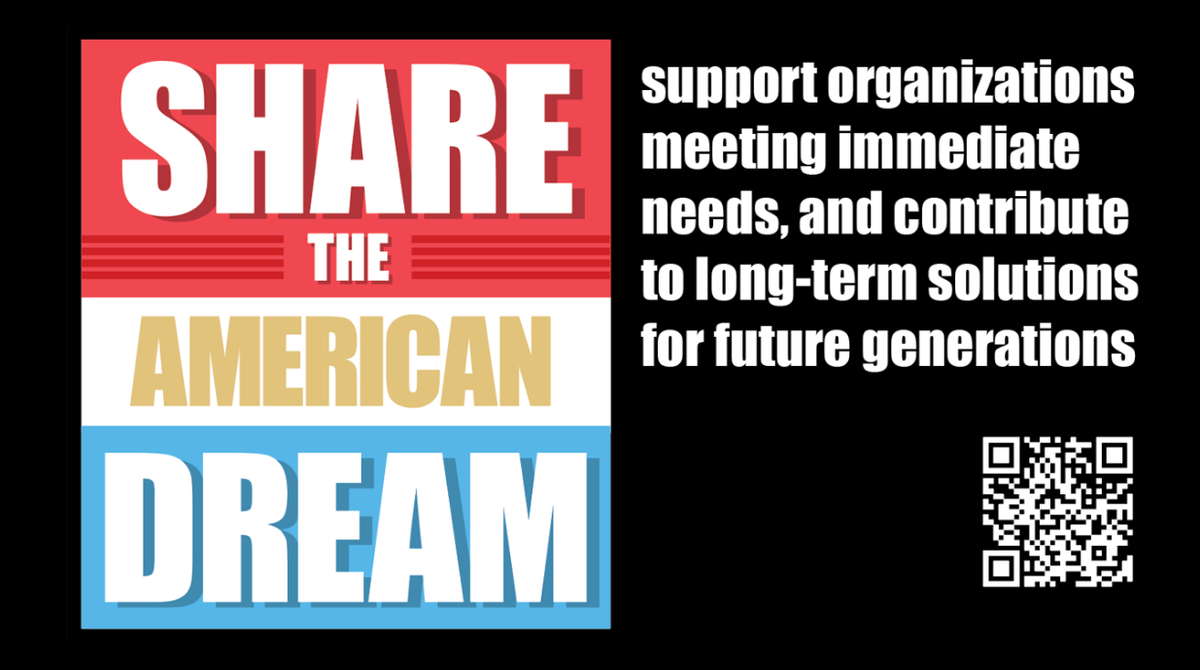
Atwood’s philanthropic strategy unfolds in two distinct phases, reflecting both immediate necessity and long-term systemic change. The first phase, already completed, involved eight separate $1 million donations, totaling $8 million, directed to various nonprofit organizations actively addressing urgent needs across America. These initial contributions were designed to provide immediate relief and support to communities and individuals facing the most pressing challenges.
The second, more ambitious phase, involves a commitment to allocate half of his remaining personal wealth within the next five years. This substantial sum is earmarked for long-term efforts dedicated to preserving and expanding the American Dream. Atwood articulated his vision for these future investments, stating that they will focus on fostering an "American Dream founded on love," emphasizing collaboration and collective action. He further indicated his willingness to advise and empower others who share this goal, signaling a hands-on approach to his philanthropic endeavors. This multi-year pledge deviates from traditional philanthropic models, which often involve trusts or posthumous distributions, by prioritizing immediate and impactful deployment of capital.
A Personal Journey Shapes a Public Commitment

Atwood’s deep-seated concern for the American Dream stems from his own life experiences, a narrative he openly shares as the bedrock of his motivation. Born into humble circumstances, his parents hailed from rural West Virginia and North Carolina, struggling to achieve even the lower rung of the middle class in Virginia. His childhood was marked by the pervasive shadow of parental alcoholism, a battle that ultimately led to his parents’ divorce when he was 16. This pivotal event, though painful, served as a catalyst for healing within his family, allowing them to overcome their struggles with addiction.
His educational journey further underscores the evolving challenges to upward mobility. Atwood attended public schools in Chesterfield County, Virginia, and later graduated from the University of Virginia in 1992, an institution founded by Thomas Jefferson. During his college years, he worked minimum wage as a part-time cashier at Safeway, relying on federal Pell grants, scholarships, and other part-time jobs to finance his education. At the time, in-state tuition at UVA was approximately $3,000 per year. He contrasts this sharply with today’s landscape, where the same tuition now stands at $23,000 annually – an eightfold increase in just three decades. This personal experience highlights a critical barrier to the American Dream: the skyrocketing costs of essential services like education, healthcare, and housing, which have far outpaced wage growth.
Building Digital Democracies: Stack Overflow and Discourse

Atwood’s professional career saw him achieve considerable success within the technology sector. In 2008, he co-founded Stack Overflow, a groundbreaking question-and-answer website for programmers. This platform rapidly became an indispensable resource, creating a shared Creative Commons knowledge base that empowered developers globally. He describes Stack Overflow as a "digital democracy," where community members democratically vote to rank questions and answers and elect moderators using ranked-choice voting. This model demonstrated the power of collective intelligence and self-governance in the digital sphere.
Building on this foundation, Atwood, with the guidance of co-founder Joel Spolsky, recognized the need for even deeper engagement and empathy online. This led to the creation of Discourse, a free, open-source tool designed for constructive and empathetic community discussions, also under a Creative Commons license. Discourse emphasizes empowering communities to set and enforce their own boundaries, facilitating democratic governance and robust moderation. Atwood posits that these platforms embody the "American way" of shared knowledge and democratic participation, but stress that true digital democracy requires extending kindness and empathy across screens, recognizing the human element behind every interaction. He views both Stack Overflow and Discourse as projects for the public good, albeit structured as corporations, a testament to the opportunities afforded by the American system.
The American Dream Under Threat: Economic and Political Divides
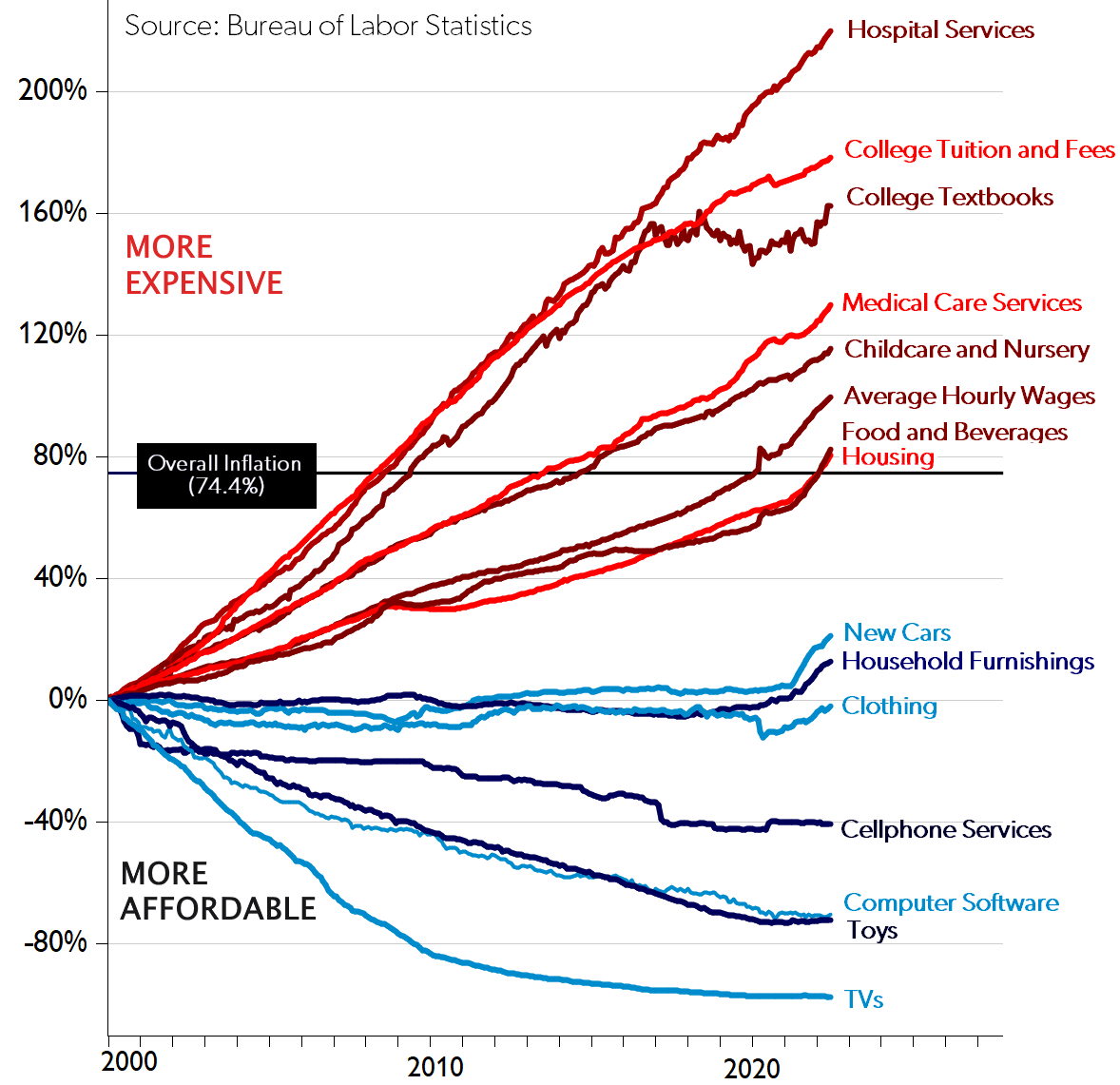
Atwood’s personal success, which he attributes to a combination of hard work and good fortune, provided him with significant wealth. However, this affluence also brought a stark realization: the growing chasm between his lived experience and that of many other Americans. He notes that wealth can inadvertently distance individuals from common struggles, making it easy to lose sight of the daily financial anxieties faced by a majority. He pointedly describes being a billionaire as "unamerican," reflecting a belief that extreme wealth concentration undermines the foundational principles of equality and shared opportunity.
His concerns are substantiated by alarming statistics on wealth inequality. In 2012, the top 1% of Americans held 24% of the nation’s wealth; by 2021, this figure had surged to 30%. Globally, the richest 1% now possess nearly twice as much wealth as the rest of the world combined. This widening gap, Atwood argues, directly contradicts the promise of the American Dream, where prosperity should be measured not by the number of millionaires, but by the absence of poverty, the prevalence of health, and the efficiency of public institutions, echoing the sentiments of W.E.B. Du Bois.
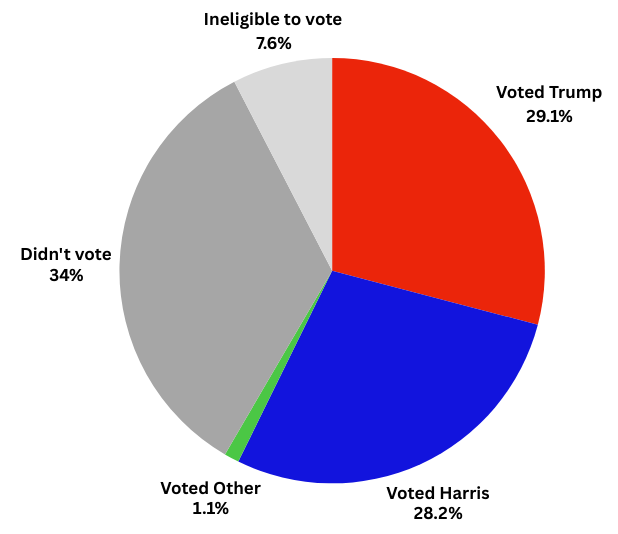
Beyond economic disparities, Atwood highlighted profound challenges to American democracy itself. The 2024 United States presidential election served as a critical inflection point, revealing significant cracks in civic participation. A staggering 34% of eligible adults did not cast their votes, while an additional 7.6% were ineligible due to factors such as non-citizenship or felony convictions. This means approximately 42% of adults in America had no direct say in the outcome of the election. Atwood questions the root causes of this disengagement, pointing to potential voter suppression, gerrymandering, or a pervasive feeling that individual votes no longer matter.
He proposes concrete reforms to strengthen democratic participation and representation:
- Making Election Day a National Holiday: To remove barriers to voting for working individuals.
- Universal Mail-In Voting: To increase accessibility and convenience.
- Adopting Ranked-Choice Voting: To ensure that all votes carry more weight and better reflect voter preferences, fostering more representative outcomes.
- Strengthening Election Institutions: Bolstering state and local election boards, as well as the Federal Election Commission, to ensure fairness and integrity.
Political Polarization and the Quest for a Shared Vision
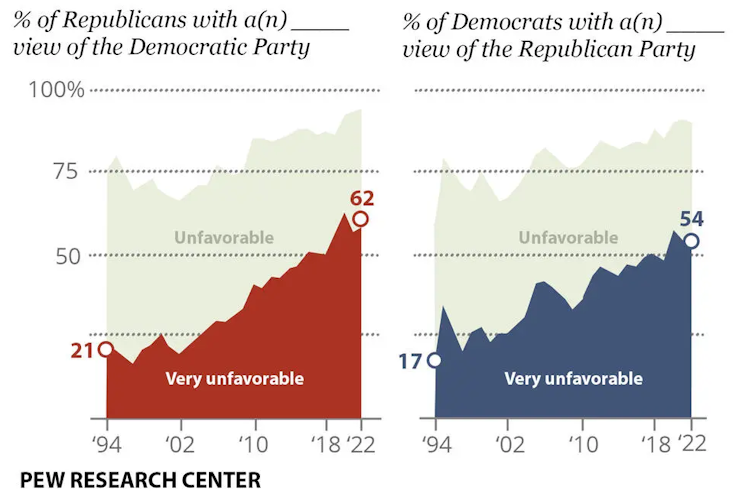
Atwood also expressed deep concern over the historically high and escalating levels of political polarization within the two-party system. He argues that this division renders governance increasingly slow and ineffective, hindering meaningful progress. He cites the 26th Amendment in 1971, lowering the voting age to 18, as the last significant constitutional amendment passed in 60 years, illustrating the legislative stagnation induced by extreme partisan divides. This environment raises a fundamental question: "Do we all still believe in the same American Dream?"
Inspired by a high school production of S.E. Hinton’s "The Outsiders," Atwood reinterpreted the iconic phrase "stay gold" not as a call for youthful innocence, but as an imperative to share the American Dream. He posits that the core ideals of "Life, Liberty and the pursuit of Happiness," enshrined in the Declaration of Independence, are under threat. He references Jimi Hendrix’s iconic rendition of the national anthem at Woodstock as a powerful artistic expression of the American Dream’s distortion, and Dr. Martin Luther King Jr.’s philosophy on love versus hate, famously explored in Spike Lee’s "Do the Right Thing," as a moral compass for the nation. Atwood firmly believes that the country stands at a crossroads, with a choice between the path of hate and the path of love. His family’s pledge, he asserts, is a definitive choice for "an American Dream founded on love."
A New Model of Philanthropy: Immediacy and Engagement
Atwood’s philanthropic approach also reflects a departure from certain established models. While he admires Warren Buffett’s "Giving Pledge" to donate over 99% of his wealth to philanthropy, he found the timeline — "during my lifetime or at death" — to be insufficient in the face of current challenges. He notes Buffett’s recent amendment to his pledge, directing his wealth to a charitable trust run by his adult children, as still potentially lacking immediate impact. Atwood’s decision to allocate half his wealth within five years, reserving only enough for his children’s college education and a home, underscores a philosophy of active, timely intervention. He believes the urgency of the moment, particularly following the 2024 election results, demands a more proactive and engaged approach to philanthropy.
Looking Ahead: Collaboration and Dialogue
Atwood emphasizes that there is "no single solution" to the complex issues facing the American Dream, underscoring the necessity of collaborative efforts. He extends an open invitation for others to join him in "Sharing the American Dream," encouraging contributions to organizations effectively helping those in need and advocating for systemic changes.
The ongoing dialogue around these critical issues will continue, with Atwood scheduled to co-present a talk titled "Rebuilding the American Dream: A Path Forward" with Lieutenant Colonel (Ret.) Alexander Vindman at Cooper Union on Thursday, March 20th. This public engagement signifies his commitment not just to financial giving, but to fostering a broader conversation and collective action to shape a more equitable and democratic future for all Americans. His initiative represents a powerful call to action, urging a re-evaluation of national priorities and a renewed dedication to the founding ideals of the United States.
About the Author