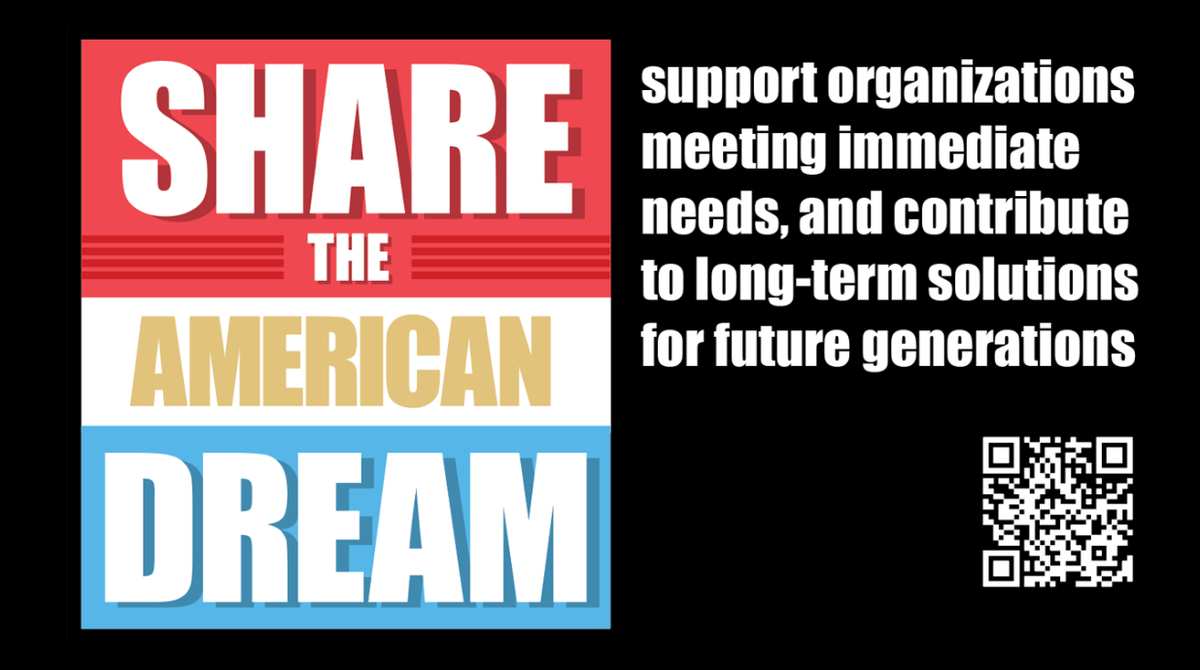
Silicon Valley veteran and co-founder of influential platforms Stack Overflow and Discourse, Jeff Atwood, has announced a significant philanthropic commitment, pledging half of his remaining family wealth over the next five years to initiatives aimed at revitalizing the American Dream. This comes alongside an immediate distribution of $8 million in donations to non-profit organizations addressing pressing societal needs. Atwood’s decision is rooted in a profound concern over the current trajectory of American society, which he describes as an "unprecedented point in American history," risking the erosion of foundational national ideals.
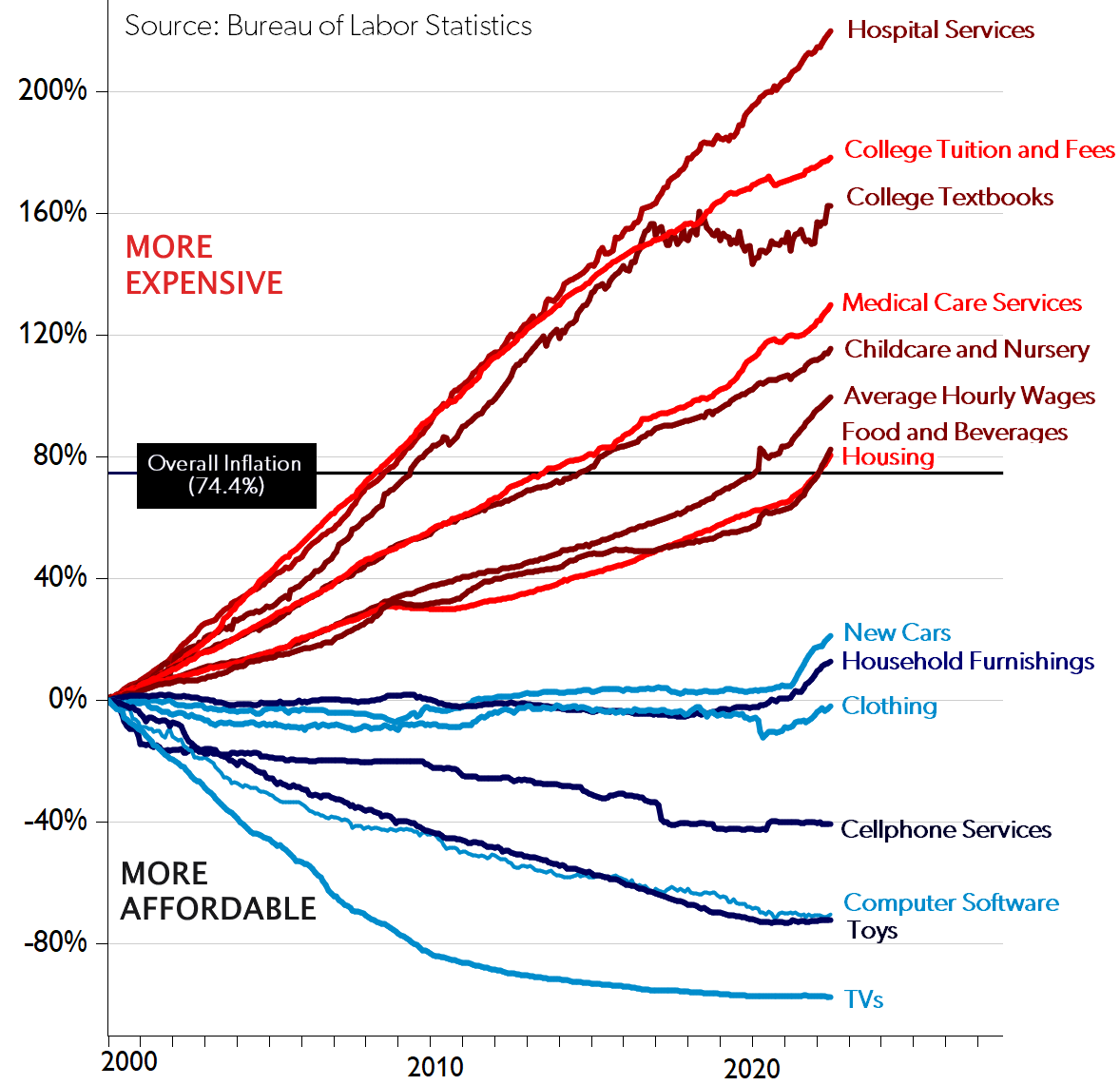
Atwood’s philanthropic declaration is a direct response to what he perceives as a widening chasm in American society, marked by escalating wealth inequality, prohibitive costs for essential services like education and healthcare, and a concerning decline in democratic participation. His call to action is not merely financial but also an impassioned plea for a collective recommitment to the principles of equality, empathy, and shared prosperity.
A Personal Journey to Philanthropy: From Hardscrabble Roots to Tech Success
Jeff Atwood’s journey to becoming a prominent voice in the discourse on American ideals is deeply personal. Born to parents from rural West Virginia and North Carolina, his early life was characterized by economic struggle and family challenges. He recounts a childhood marked by his father’s alcoholism and his mother’s participation in drinking, a destructive cycle that ultimately led to his parents’ divorce when he was 16. Atwood credits this difficult period with forcing a necessary healing process within his family, allowing them to overcome their struggles with alcohol. He emphasizes that despite their imperfections, his parents instilled in him the profound value of receiving and reflecting love, a principle that would later underpin his professional and philanthropic endeavors.
Atwood’s academic path led him through public schools in Chesterfield County, Virginia, culminating in his graduation from the University of Virginia in 1992, an institution founded by Thomas Jefferson. During his college years, he worked minimum wage jobs as a part-time cashier at Safeway, relying on federal Pell grants, scholarships, and other part-time employment to finance his education. This firsthand experience with financial precarity in higher education deeply informs his current concerns about the accessibility of the American Dream. He notes that in 1992, annual in-state tuition at his university was approximately $3,000, a figure that has since skyrocketed to an estimated $23,000 per year, representing an eightfold increase in just three decades. This exponential rise in educational costs, alongside similar trends in healthcare and housing, forms a critical part of his argument that the traditional pathways to upward mobility are becoming increasingly inaccessible for many Americans.
Building Digital Democracies: The Genesis of Stack Overflow and Discourse
Atwood’s professional career saw him co-founding two highly influential platforms that embody his belief in democratic principles and community collaboration. In 2008, alongside Joel Spolsky, he co-founded Stack Overflow, a Q&A website that rapidly became an indispensable resource for programmers worldwide. Atwood describes Stack Overflow as a "digital democracy" built by and for programmers, where content is democratically ranked, and community moderators are elected through ranked-choice voting. This model, he asserts, proved immensely successful in creating a shared, Creative Commons knowledge base.

Following the success of Stack Overflow, Atwood co-founded Discourse, an open-source tool designed for constructive and empathetic community discussions. Guided by Spolsky’s insights, Atwood realized that "digital democracy" alone was insufficient; it needed to be coupled with active, open sharing of love and empathy. Discourse facilitates this by empowering communities to set and enforce agreed-upon boundaries, fostering environments where individuals can disagree respectfully. Both platforms, in Atwood’s view, are "projects for the public good that happen to be corporations," demonstrating his conviction that business can serve broader societal objectives. He credits the American system for allowing him to achieve this success, acknowledging the combination of hard work and good fortune that led to his financial reward.
Immediate Action: $8 Million in Philanthropic Support
As an immediate measure to address current societal needs, Atwood’s family has already disbursed eight separate $1 million donations, totaling $8 million, to various non-profit organizations. These donations are directed towards groups actively working to support those most in need across America. While specific beneficiaries were not detailed in his initial announcement, the focus is clearly on alleviating immediate hardship. Atwood has strongly encouraged other Americans to contribute to organizations they believe are effectively making a difference, emphasizing that contributions, regardless of size, are vital.
The Long-Term Pledge: Half of Remaining Wealth for Systemic Change
Beyond the immediate donations, the core of Atwood’s philanthropic commitment lies in his pledge to allocate half of his remaining family wealth over the next five years to long-term efforts. These efforts are specifically designed to ensure that all Americans retain access to the American Dream, focusing on systemic changes that will take decades to fully realize. This proactive approach contrasts with the traditional model of leaving wealth to philanthropy only upon death.

Atwood draws a distinction between his pledge and the "Giving Pledge" initiated by Warren Buffett, which commits billionaires to give away the majority of their wealth, often at the end of their lives. While admiring Buffett, Atwood found the original pledge "incomplete" regarding the timing of wealth transfer. He notes Buffett’s recent amendment to his own pledge, designating his wealth to a charitable trust run by his adult children. Atwood, however, expresses a greater sense of urgency, particularly after the November 2024 election. He states that he is retaining only enough wealth to secure his children’s college education and housing, driven by parental concern for their future amidst current societal challenges. His pledge to disburse half his wealth within five years underscores a belief that action is needed now, not just for his family, but for all Americans.
Confronting Wealth Inequality: "Unamerican" Concentration of Riches
A central theme in Atwood’s discourse is the alarming rise of wealth inequality in the United States, which he deems "unamerican." He highlights the stark reality that while he achieved significant wealth through his ventures, he witnessed firsthand how such affluence creates an unintentional distance from the struggles of ordinary Americans. He points out that with immense wealth, one no longer needs to consider the cost of basic necessities, a stark contrast to the daily challenges faced by a vast segment of the population.
Atwood cites compelling data to underscore this concern: In 2012, the top 1% of Americans held 24% of the nation’s wealth; by 2021, this figure had risen to 30%. Globally, the top 1% now possesses nearly twice as much wealth as the rest of the world combined. He critiques a version of capitalism that, while delivering immense personal fortune, has led to such disproportionate accumulation. Referencing W.E.B. Du Bois, Atwood advocates for a redefinition of national prosperity, not by the number of millionaires, but by "the absence of poverty, the prevalence of health, the efficiency of the public schools, and the number of people who can and do read worthwhile books." He and his partner have consistently paid their full taxes, aligning with their belief in contributing to the collective good.
Democratic Erosion and the Path to Reform
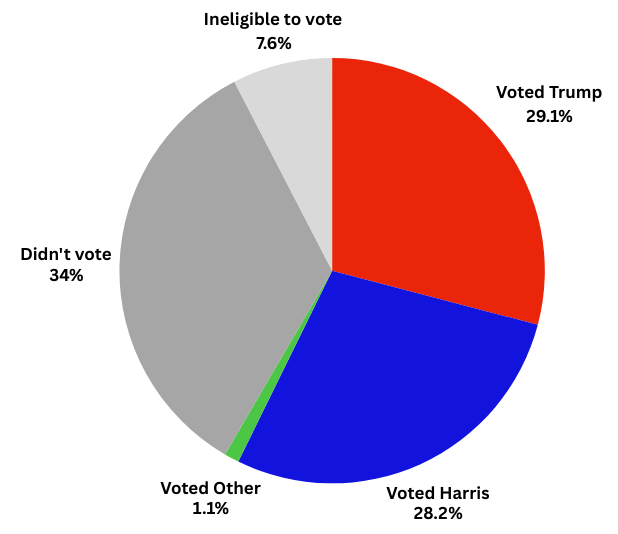
Atwood’s concerns extend deeply into the state of American democracy. He critically examines the 2024 United States presidential election, noting that 34% of eligible adults did not exercise their right to vote. He poses critical questions about the underlying causes: voter suppression, gerrymandering leading to indifference, or a pervasive feeling that individual votes do not matter. Furthermore, he highlights that an additional 7.6% of adults living in America were ineligible to vote, primarily due to lack of citizenship or felony convictions, meaning that nearly 42% of adults had no say in the election outcome. This, he argues, indicates a failure of the vote to represent everyone and casts doubt on America’s status as a leading democracy.
To address these systemic issues, Atwood proposes several concrete reforms aimed at strengthening democratic participation and fairness:
- Making Election Day a National Holiday: To remove barriers to voting for working individuals.
- Universal Mail-in Voting: To enhance accessibility and convenience for all eligible citizens.
- Adopting Ranked-Choice Voting: To ensure that votes carry more weight and better reflect the electorate’s preferences, moving beyond the limitations of a simple plurality system.
- Strengthening Election Institutions: Bolstering state and local election boards, as well as the Federal Election Commission, to safeguard the integrity and fairness of elections.
He emphasizes that political polarization, currently at historically high levels, hinders governmental effectiveness, making meaningful constitutional amendments rare—the 26th Amendment in 1971, lowering the voting age to 18, being the last significant change in 60 years. This paralysis, he warns, is counterproductive and dangerous, raising the fundamental question: "Do we all still believe in the same American Dream?"

The American Dream: A Choice Between Love and Hate
Atwood’s reflections on the American Dream are deeply philosophical, drawing inspiration from cultural touchstones. He references Robert Frost’s poem "Nothing Gold Can Stay" and S.E. Hinton’s novel "The Outsiders," noting how attending a high school theater performance of the latter illuminated the true meaning of "staying gold" – which he interprets as "sharing the American Dream." The play’s director articulated this message as finding strength in lifting others, emphasizing themes of resilience, empathy, and unity.
He connects this idea to the Declaration of Independence’s assertion of unalienable rights to "Life, Liberty and the pursuit of Happiness," penned by the founder of his alma mater, Thomas Jefferson. However, he acknowledges that this ideal is often distorted, referencing Jimi Hendrix’s iconic rendition of the national anthem as a powerful artistic expression of this distortion.
Ultimately, Atwood frames the American Dream as a dichotomy, containing both "the path of hate" and "the path of love." He explicitly states his family’s pledge is "toward an American Dream founded on love," urging a collective choice for empathy and unity over division.
A Call for Collective Action and Future Engagements
Atwood concludes his announcement with a call for collaborative action. He reiterates that there is "no single solution" to the complex challenges facing America and offers his willingness to advise and empower others who share his goal of fostering an American Dream founded on love. This commitment extends beyond financial contributions; it includes active participation in public discourse and advocacy for systemic change.
As a testament to this commitment, Atwood has announced a follow-up blog post titled "Let’s Talk About The American Dream" and a forthcoming public engagement. He will co-present a talk at Cooper Union with Alexander Vindman on Thursday, March 20th, at 7 PM eastern time, further detailing his long-term efforts and inviting broader participation in this crucial national conversation. His message is clear: "Stay gold, America," an enduring plea for the nation to preserve its ideals through shared endeavor and a foundational commitment to love. This ambitious philanthropic and advocacy effort from a prominent tech figure marks a significant intervention in the ongoing debate about America’s future and the very definition of its core promise.
About the Author