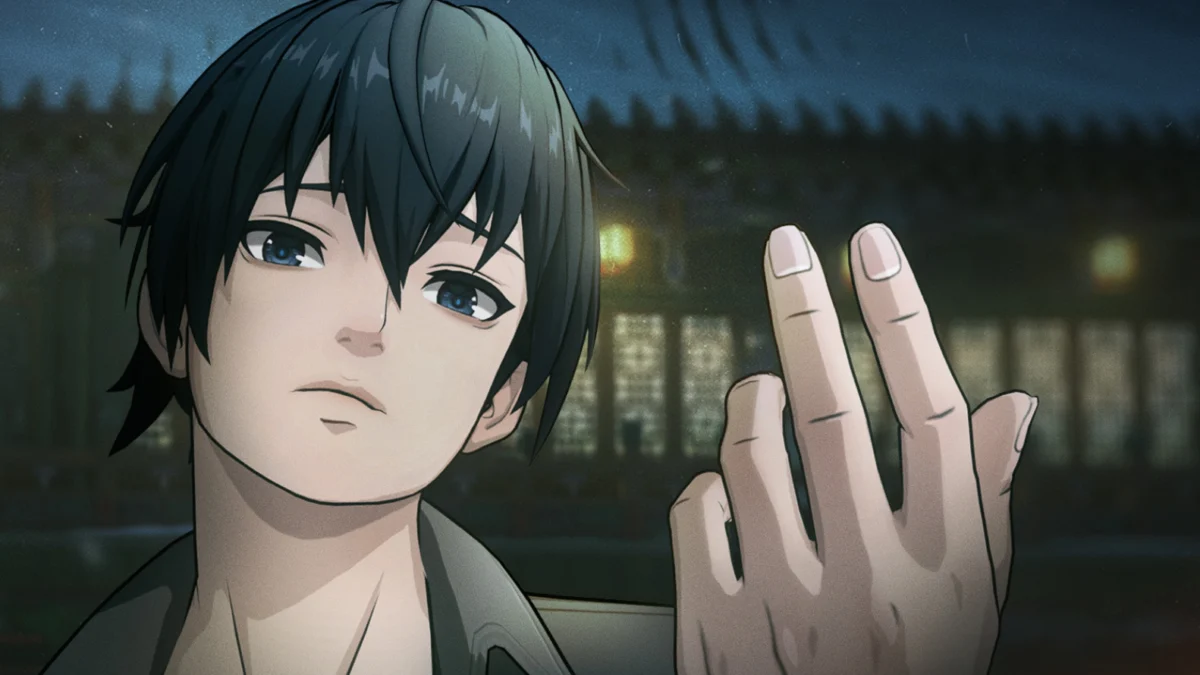
San Francisco, CA – At the highly anticipated 2026 GDC Festival of Gaming, global technology and entertainment giant Tencent showcased a groundbreaking generative AI animation tool developed by its subsidiary, MoreFun Studios. The demonstration, while technically impressive, has ignited a broader conversation within the game development community regarding the true impact of AI on creative processes, job security, and the ethical sourcing of training data, particularly concerning the compensation of human performers.
Tencent’s AI Animation Tool: A Glimpse into the Future of Game Fidelity
The centerpiece of Tencent’s presentation was a generative AI tool designed to dynamically create "in-between frames" for game animations. This innovation aims to deliver a level of realism and fluidity traditionally difficult and costly to achieve, promising to mitigate common animation flaws such as clipping, sliding, and unnatural character movements that often break player immersion. Elvis Liu, head of AI at MoreFun Studios, presented the technology, previously detailed in a sponsored GDC session, emphasizing its potential to refine visual fidelity.
The tool’s capabilities were vividly illustrated using footage from The Hidden Ones, a 3D action fighting game currently in open beta. A "before-and-after" comparison highlighted the AI’s impact: in a sequence depicting a swordfighter taking a hit, the initial "math-based" procedural animation showed the sword clipping through the character’s straw hat. The AI-enhanced version of the same strike demonstrated the blade gracefully swinging around the hat, showcasing a significantly more natural and believable interaction. Liu noted that post-open beta surveys indicated positive player reception, with many praising The Hidden Ones’ animation quality as "quite good."
Beyond animation, Tencent’s presence at GDC 2026 underscored its aggressive push into AI integration across various facets of game development. The company also touted advancements in AI-generated voices and sophisticated genAI-powered non-player characters (NPCs), signaling a comprehensive strategy to leverage artificial intelligence to enhance game production and player experience.
Industry Context: The Rise of Generative AI and Developer Apprehension
The showcasing of Tencent’s AI tool occurs amidst a rapidly evolving landscape where generative AI has moved from a speculative concept to a tangible, albeit controversial, force in creative industries. The period from 2022 onwards saw a significant acceleration in genAI adoption, driven by platforms like Midjourney and ChatGPT, which democratized access to AI-powered content creation. While promising efficiencies and new creative avenues, this surge has also been met with considerable apprehension from developers and artists across various sectors.
The video game industry, in particular, has voiced increasing concerns. Surveys and industry discussions reveal widespread worries among developers about generative AI’s potential to lower game quality, displace human talent, and infringe upon intellectual property rights. Many fear that the pursuit of speed and cost reduction through AI might compromise the nuanced artistry and unique vision that human creators bring to game design. This undercurrent of skepticism forms a crucial backdrop to Tencent’s enthusiastic promotion of its AI innovations.
Tencent, a behemoth in the global gaming and tech markets, has made significant investments in artificial intelligence research and development. Its strategy appears to position itself as a leader in AI-driven entertainment, a move that could attract investors seeking companies at the forefront of technological innovation. This financial incentive, some critics argue, might sometimes overshadow the more fundamental questions of how AI genuinely enhances gameplay or respects the human element of creation.
The Debate: Polish vs. Fundamental Innovation
While the technical prowess of Tencent’s AI animation tool is undeniable, its broader utility and impact on core game development principles have become a point of contention. Elvis Liu articulated a vision where such tools enable developers to present "more authentic animation," eliminating visual glitches like "in-outfit clipping" and "slide animations" – instances where characters appear to perform standing animations while gliding unnaturally across environments.
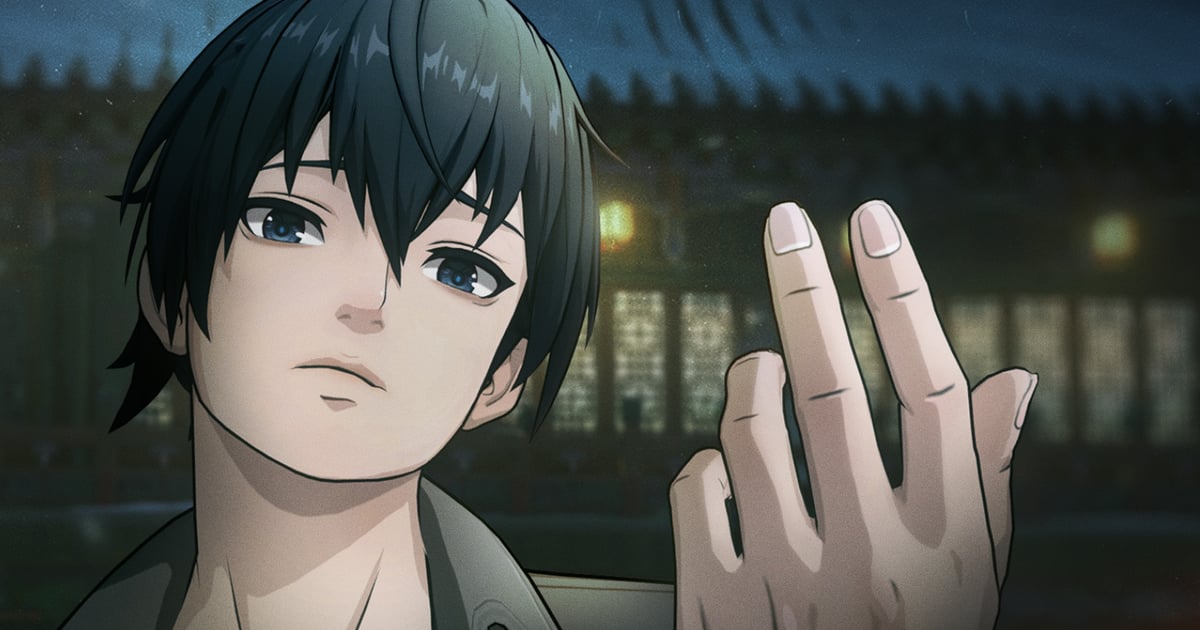
However, industry analysts and veteran developers offer a nuanced perspective. Fighting games, like The Hidden Ones, are often built on precise mechanics where frame data and hitboxes are paramount. Top-tier players are keenly aware of these underlying systems, and while animation fluidity is appreciated, minor cosmetic imperfections, such as outfit clipping, rarely diminish the core gameplay experience. The genre’s competitive integrity relies more on clear visual cues for attacks and defenses than on perfectly smooth in-between frames. Existing titles like FromSoftware’s Elden Ring and WarpFrog’s Blade and Sorcery demonstrate that highly precise weapon collision and character interaction can be achieved through traditional development methods and careful design, without the need for sophisticated AI to generate interstitial animations.
Furthermore, the critique extends to the concept of "sliding" animations. While unnatural character sliding can indeed be a bug that detracts from realism, it can also be a deliberate stylistic choice. Many games, particularly those inspired by anime, embrace "unrealistic" art styles where characters might slide dramatically after blocking a powerful hit. This aesthetic choice, often born from animators’ careful management of keyframes within budget constraints, contributes to a distinct visual language. The concern is that an AI tool designed to eliminate "imperfections" might inadvertently iron out stylistic nuances or creative liberties that contribute to a game’s unique artistic vision. Critics ponder whether players would truly value these subtle visual quality-of-life improvements if they came at a significant ethical or creative cost.
Ethical Minefield: Compensation, IP, and the Human Element
Perhaps the most significant and pressing questions raised by Tencent’s generative AI animation tool revolve around ethics, intellectual property, and fair compensation for human artists. Liu stated that the AI processing occurs on the player’s device, training was conducted on local devices, and Tencent owns all the training data, asserting that the tool accomplishes what a team of animators could not. Crucially, the AI’s training data was sourced from real kung fu practitioners whose movements were captured using AI-based motion tracking technology, operating on a smaller scale than traditional, large-budget motion capture facilities.
This method immediately brings to mind historical precedents and ongoing debates about the ownership and exploitation of human performance data. A notable example is martial arts legend Jet Li’s decision to decline a role in The Matrix sequels in 2003. Li recounted that Warner Bros. sought to contract him for nine months: three for filming and six for motion capture, intending to record and copy all his unique moves into a digital library. The studio would then own the rights to these moves indefinitely as intellectual property. Li famously stated, "I’ve been training my entire life. And we martial artists could only grow older. Yet they could own [my moves] as an intellectual property forever. So I said I couldn’t do that."
Eight years after Li’s remarks, the parallels with Tencent’s approach are striking. While the kung fu practitioners providing data for The Hidden Ones may not be global cinematic icons like Jet Li, their movements, captured and integrated into an AI model, represent a lifetime of trained skill. Tencent’s ownership of this data, enabling the AI to generate animations potentially across multiple projects, raises critical questions about equitable compensation. If these "bargain-value performances" contribute to a game that generates millions or even billions of dollars in revenue, as many Tencent titles do, are the original martial artists being fairly compensated for the long-term value derived from their unique skills?
The issue extends beyond martial artists to a broader spectrum of performers and creators. The entertainment industry has seen increasing friction between generative AI developers and human artists, including actors, voice actors, illustrators, and "face models," all fighting to protect their craft and intellectual property from being exploited without consent or adequate remuneration. The core argument is that if a performer’s unique skill set or likeness becomes an integral part of a massively profitable franchise through AI, their compensation should reflect that value, far beyond a one-time "day rate" for motion capture. Tencent’s reluctance to comment on follow-up questions regarding the compensation structure for these martial artists further fuels these ethical concerns within the industry.
Technology for Gameplay vs. Technology for Justification
The unveiling of Tencent’s AI animation tool provides a stark contrast to other technological discussions at GDC 2026. For instance, Nintendo’s presentation on the destructible voxel-based environments of Donkey Kong Bananza highlighted how core technology directly informed and shaped fundamental gameplay elements, level design, and interactive experiences. The discussion with producer Kenta Motokura and programmer Tatsuya Kurihara emphasized a clear link between technological innovation and enhanced player engagement.
In comparison, Tencent’s generative AI tool, despite its technical sophistication, left some observers with a sense of hollowness regarding its direct contribution to fundamentally fun gameplay. In an era where "friendslop" (games with charmingly imperfect co-op mechanics) and "jank" (intentional or unintentional quirks that add character) are embraced, and low-fidelity graphics in games like Roblox attract massive audiences, the relentless pursuit of hyper-realism through AI raises questions. The market clearly indicates that strong gameplay fundamentals and a compelling artistic vision can triumph over graphical perfection.
While strikingly realistic animation certainly has its place, the scrutiny must be directed at what is genuinely gained by employing generative AI tools to achieve it. Is the technology primarily serving to polish existing elements that most players might not consciously notice, or is it enabling entirely new forms of interactive experiences? Without a clear articulation of how these AI tools fundamentally enhance gameplay and without transparent answers regarding the ethical sourcing and compensation for human contributors, the impressive technical achievements of Tencent’s generative AI animation tool risk being overshadowed by profound questions about its true value and ethical footprint in the evolving landscape of game development. The ongoing debate underscores the critical need for technological advancement in gaming to be aligned with creative integrity, player experience, and equitable treatment of human talent.
About the Author