Itch.io, a prominent open marketplace for independent digital games, has once again underscored its commitment to fostering accessible gaming by unveiling a curated collection of recently released and updated browser-based titles. This initiative caters to a growing segment of players seeking instant entertainment without the commitment of downloads or installations, providing a seamless entry point into diverse gaming experiences ranging from poignant visual novels to fast-paced racing simulations and strategic idle games. The platform’s ongoing curation efforts serve as a vital mechanism for discovery within the expansive indie ecosystem, spotlighting the creativity and technical prowess of independent developers who leverage browser technologies to deliver engaging content.
The Enduring Appeal of Browser-Based Gaming
Browser games, once synonymous with simple Flash animations, have evolved dramatically, now leveraging modern web technologies like HTML5, WebGL, and WebAssembly to deliver rich, interactive experiences directly within web browsers. This evolution has democratized game access, removing hardware barriers and simplifying the user experience. For players, the appeal is undeniable: a single click can launch them into a new world, ideal for casual sessions, lunch breaks, or relaxed weekend exploration. For developers, the browser platform offers a low-friction distribution channel, enabling rapid iteration and direct engagement with a global audience. Itch.io has been at the forefront of this movement, providing a robust infrastructure for developers to host and monetize their browser-based creations, while simultaneously building a vibrant community around these often experimental and innovative titles. The latest curated list reinforces this strategic focus, offering a snapshot of the current trends and creative directions within this dynamic sector of the indie game market.
Featured Titles: A Glimpse into Indie Diversity
The recently highlighted collection showcases a broad spectrum of genres and artistic styles, reflecting the eclectic nature of indie development. Each game, whether born from a focused game jam or nurtured through ongoing updates, contributes to the rich tapestry of browser-based entertainment available on the platform.
Dead Names: A Narrative of Release in a Sci-Fi Winter
Among the featured titles is Dead Names, a short science fiction visual novel that delves into themes of acceptance and letting go. Set against a backdrop of a single winter day in a speculative, somewhat dystopian future, the game presents a narrative-driven experience. Visual novels, a genre characterized by static graphics, text-based stories, and branching plotlines, have found a strong foothold in the indie scene, offering developers a powerful medium for storytelling without requiring extensive graphical assets. Dead Names distinguishes itself with its evocative pixel art, which harks back to classic gaming aesthetics while effectively conveying a melancholic and atmospheric tone. Furthermore, the inclusion of LGBTQIA themes provides a layer of social relevance, allowing for exploration of diverse human experiences within its compact narrative. The game’s presentation as a Game Boy ROM further enhances its retro charm, offering a nostalgic yet profoundly modern experience that tackles complex emotional journeys within a concise format. This approach allows players to engage with deep subject matter without a significant time investment, making it perfectly suited for a casual yet impactful browser play session.

Tiny Truck Racing: Adrenaline on Pixelated Tracks
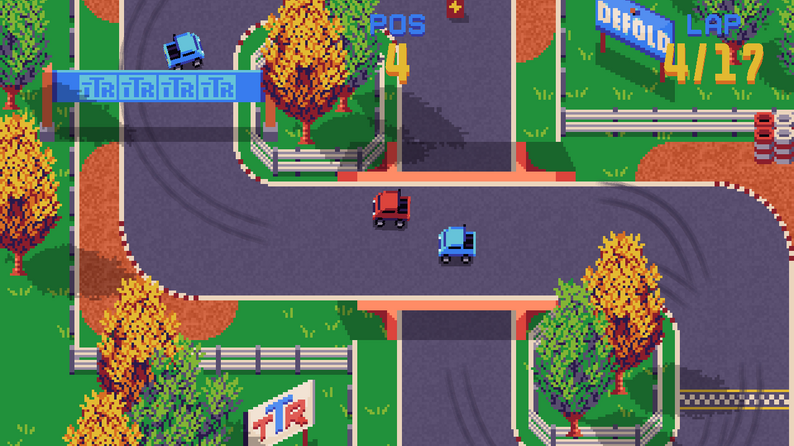
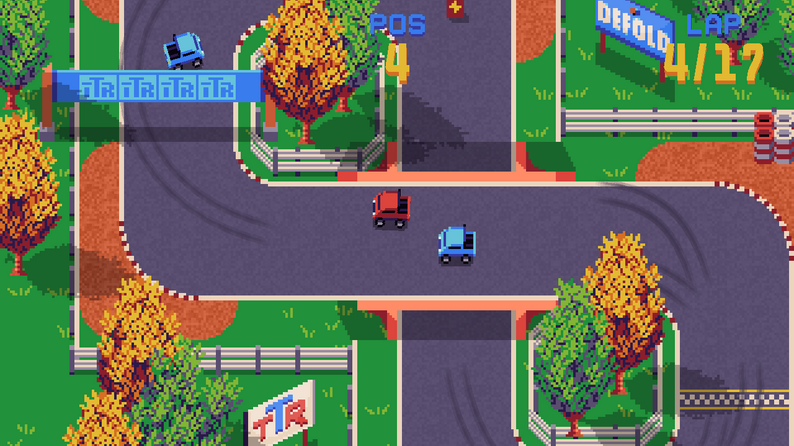
For those seeking more immediate action, Tiny Truck Racing delivers fast-paced, competitive gameplay. This title immerses players in a world of miniature vehicles tearing across charmingly rendered pixel art tracks. Racing games, a perennial favorite, thrive on accessibility, and Tiny Truck Racing capitalizes on this with straightforward controls and immediate gratification. The game offers three distinct modes: Single Race for quick sprints, Tournament for a more structured progression, and Time Trial for players looking to hone their skills and chase leaderboard supremacy. A selection of four unique trucks, coupled with strategically placed nitro cans for speed boosts, ensures dynamic and engaging races. The origin of Tiny Truck Racing in the Made With Defold Jam 2024 highlights the crucial role of game jams in fostering rapid prototyping and showcasing developer talent. These time-constrained events encourage developers to create polished, focused experiences within a short period, often leading to innovative mechanics and compelling gameplay loops, as evidenced by this vibrant racing title.
Nomad Idle: The Art of Passive Progression
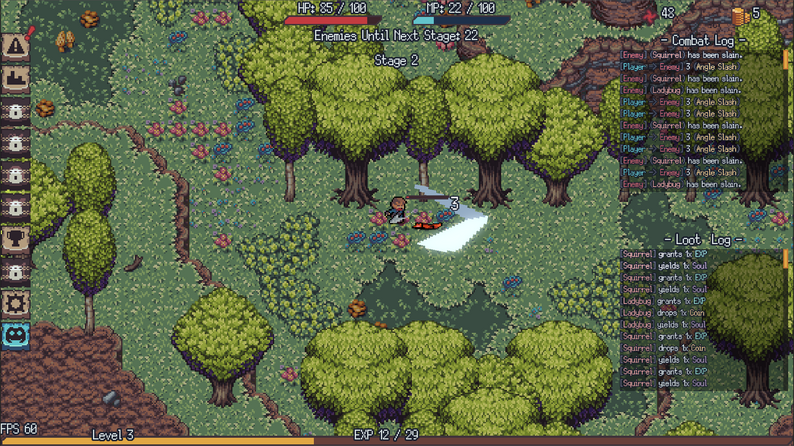
Nomad Idle represents the burgeoning idle game genre, an increasingly popular category that appeals to players who enjoy long-term progression and strategic optimization with minimal active input. This auto-battler tasks players with creating and refining character builds to confront relentless hordes of enemies. The core loop involves a continuous cycle of progression: as the character battles, players unlock new features such as stat leveling, equipment crafting, and the selection of passive skills. While the game largely operates in the background, allowing players to multitask, it also offers opportunities for active engagement through character-specific skills that can accelerate progress. The "recently updated" status of Nomad Idle signals ongoing developer commitment, often indicating bug fixes, new content, and community-driven improvements. This iterative development model is common in idle games, which benefit from continuous expansion to maintain player interest over extended periods, making the browser a natural home for such persistent experiences.
Laura’s Room: A Descent into Psychological Horror
Venturing into darker territory, Laura’s Room offers a short but impactful psychological horror experience. Crafted for GBJAM 12, an event dedicated to games inspired by the original Game Boy, the game effectively utilizes a limited color palette and pixelated graphics to create a pervasive sense of unease. Players assume the role of Danni, who finds herself on a desolate, rain-slicked road in the dead of night, fleeing an unspecified threat. Psychological horror, a subgenre that relies on atmosphere, dread, and mental manipulation rather than overt jump scares, is particularly potent in concise formats. The Game Boy-inspired aesthetic, while nostalgic, also contributes to the game’s unsettling ambiance, proving that sophisticated emotional responses can be evoked with minimalist visuals. The narrative-driven mystery of Danni’s predicament, combined with the atmospheric gameplay, ensures a memorable, albeit chilling, encounter that demonstrates the versatility of browser-based gaming for delivering intense emotional experiences.
Hamster Shelter: Post-Apocalyptic Pet Management
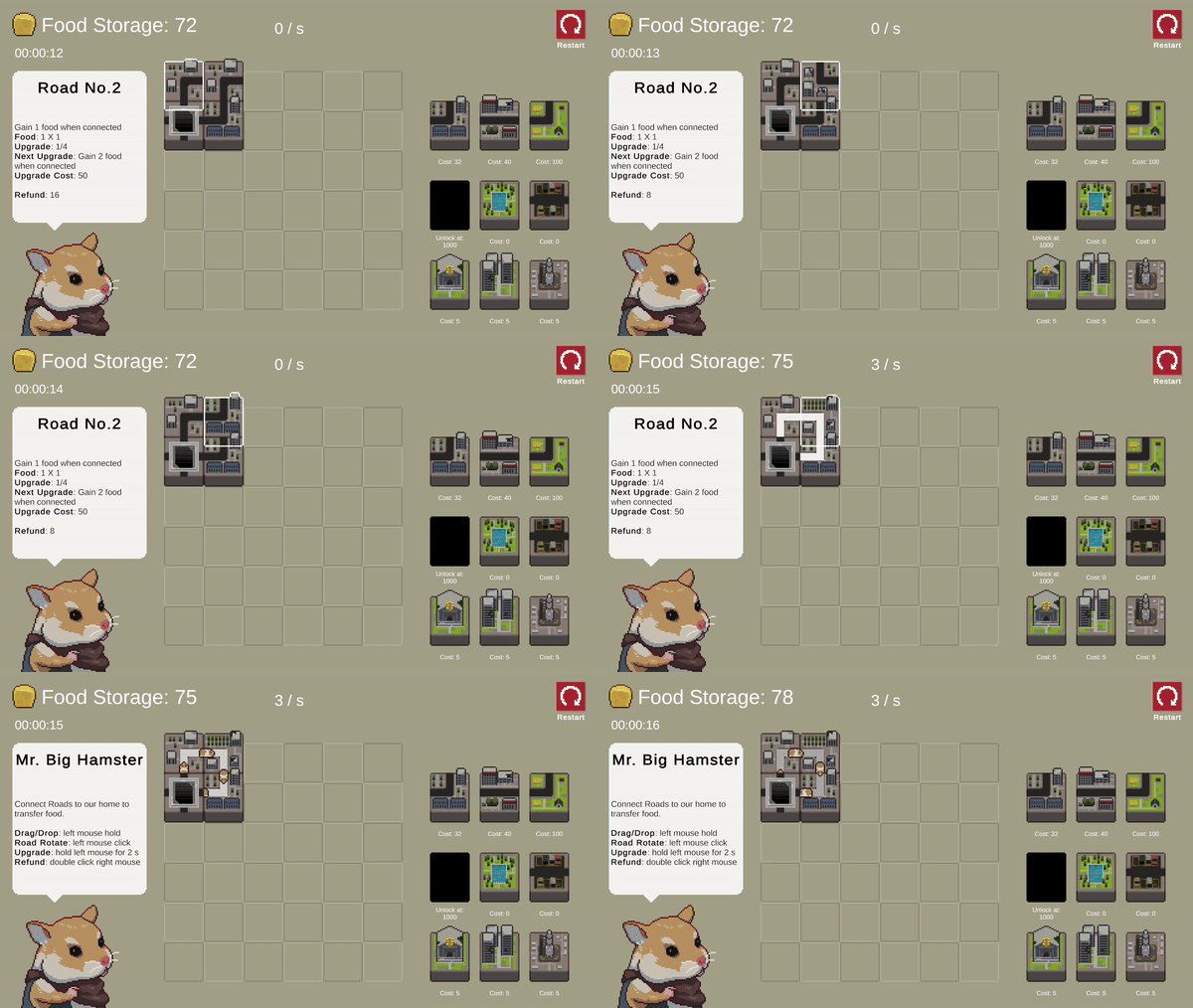
Hamster Shelter introduces a unique blend of post-apocalyptic survival and relaxed management simulation. In this title, players are tasked with overseeing a colony of tiny hamsters navigating a desolate, ruined world. The primary objective involves constructing roads to their home base and efficiently transporting food resources. What sets Hamster Shelter apart is its "works in the background" mechanic, allowing for a genuinely relaxed gameplay experience. This passive progression aligns well with the browser game philosophy, enabling players to check in periodically, make strategic decisions, and observe their hamster colony thrive without constant interaction. The game’s origin during Ludum Dare 56, a prominent global game jam, underscores how these events frequently spark creative concepts that push the boundaries of established genres. Hamster Shelter transforms a potentially stressful survival scenario into a charming and low-stress endeavor, providing a refreshing take on post-apocalyptic themes.
Mouse Mouse: A Quirky Platformer of Precision
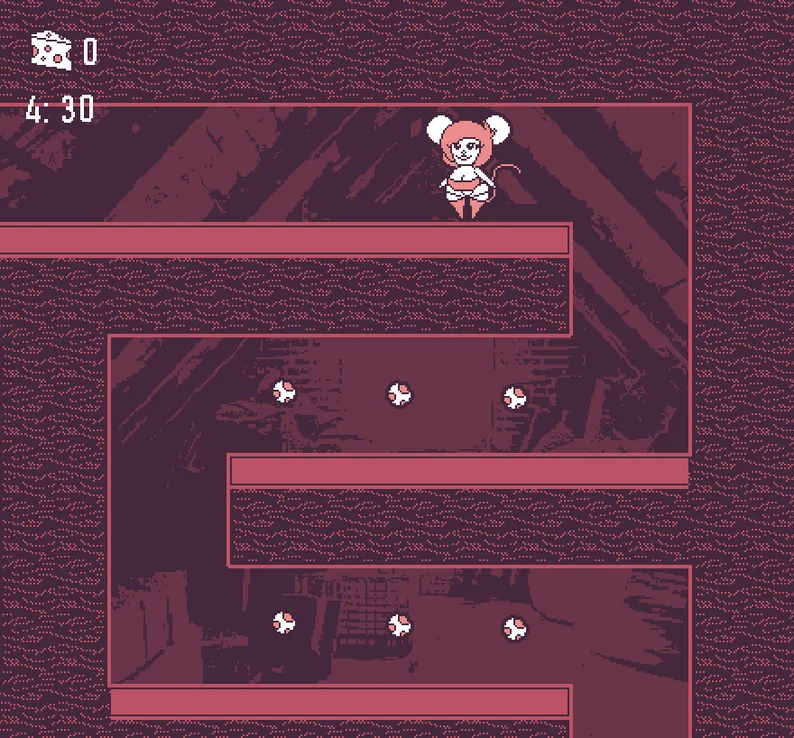
Mouse Mouse offers a delightful and challenging platformer with an innovative control scheme. In this pixel art adventure, players control a literal mouse character using their computer mouse. The objective is to jump, climb, and collect cheese as quickly as possible. This unique input method provides a fresh twist on traditional platforming mechanics, requiring precision and adaptability from the player. Created within the intense 48-hour timeframe of Ludum Dare 56, Mouse Mouse exemplifies the ingenuity often seen in game jam entries. The time constraints frequently lead developers to focus on a single, compelling mechanic and refine it to its core, resulting in games that are easy to understand but difficult to master. The minimalist pixel art style further enhances the game’s charm, proving that engaging and original experiences can emerge from tight development cycles and creative limitations.
Play With Me: A Spooky Twist on Virtual Pets
Play With Me injects a spooky element into the familiar virtual pet genre. Players interact with three enigmatic creatures residing within a forgotten toy, each possessing their own set of minigames. Virtual pet games, which simulate the care and interaction with digital companions, have a long history in gaming. Play With Me subverts this wholesome concept by imbuing it with a creepy atmosphere, offering a compelling blend of nurturing and unsettling discovery. The retro-inspired visuals contribute significantly to the game’s eerie aesthetic, evoking a sense of nostalgia while simultaneously introducing a layer of discomfort. Like several other titles in this collection, Play With Me was developed for Ludum Dare 56, showcasing the jam’s capacity to inspire diverse and imaginative projects, even within seemingly niche genres. This game appeals to players who enjoy a blend of interaction, mystery, and a touch of the macabre.

Jelly Gang: A Physics-Based Puzzle Platformer
Rounding out the collection is Jelly Gang, a distinctive puzzle platformer that challenges players with its unique control mechanism. In this game, players manage a group of 30 squishy, physics-driven characters. The core innovation lies in the "focus region" around the mouse cursor: only the characters within this area respond to player commands, adding a significant strategic layer to the gameplay. This physics-based approach necessitates careful planning and execution, as the collective movement of the "jelly gang" must be managed to navigate obstacles and solve puzzles. Also a product of Ludum Dare 56, Jelly Gang highlights how game jams encourage experimentation with core mechanics. The game successfully merges the precision of platforming with the unpredictability of physics, creating a fresh and engaging experience that stands out in a crowded genre. It demands both quick reflexes and thoughtful strategy, making it a compelling challenge for puzzle and platformer enthusiasts alike.
The Role of Itch.io in the Indie Ecosystem
Itch.io’s ongoing efforts to curate and spotlight games, particularly browser-based titles, are integral to the health and vitality of the independent game development community. The platform operates on a developer-friendly revenue share model, allowing creators to set their own prices and even offer games for free, with optional donation mechanisms. This empowers developers and fosters a diverse marketplace that prioritizes artistic expression and innovation over purely commercial viability.
The prominence of game jams like Ludum Dare, GBJAM, and the Made With Defold Jam within this collection further illustrates their importance. These events serve as creative incubators, pushing developers to rapidly prototype ideas, experiment with new mechanics, and collaborate under tight deadlines. The resulting games often become prototypes for larger projects or stand as complete, polished experiences that find a home on itch.io. The platform’s commitment to showcasing these jam entries ensures that fresh talent and innovative concepts continually reach a wider audience.
Community Engagement and Future Implications
The interactive nature of itch.io, including blog posts and comment sections, fosters a direct line of communication between developers and players. Reactions from the community, such as developers expressing gratitude for being featured ("thank you for featuring mouse mouse!!!"), highlight the positive impact of platform visibility. Similarly, developer inquiries regarding editorial selection, like the one concerning "Head’quarters" for LD56, demonstrate a desire for understanding and growth within the ecosystem. Itch.io’s transparent responses, acknowledging the vast number of quality submissions ("there’s just a lot of interesting games from LD!"), reinforce its role as a supportive, albeit highly selective, curator.
Looking ahead, the sustained popularity of browser games, bolstered by platforms like itch.io, suggests a continued democratization of gaming. As web technologies advance, the distinction between "browser game" and "downloadable game" will likely continue to blur, offering ever-richer experiences with instant access. This trend not only benefits players by expanding their options for casual and dedicated play but also empowers a new generation of developers to bring their unique visions to life without the traditional barriers of distribution and discovery. The curated collection by itch.io is not just a list of games; it’s a testament to the thriving indie spirit, the power of community, and the ever-evolving landscape of digital entertainment. Players are encouraged to explore these and thousands of other titles by checking out the "New & Popular Browser Games from the last 7 days" section on the platform, contributing to the vibrant dialogue and discovery that defines the itch.io experience.
About the Author