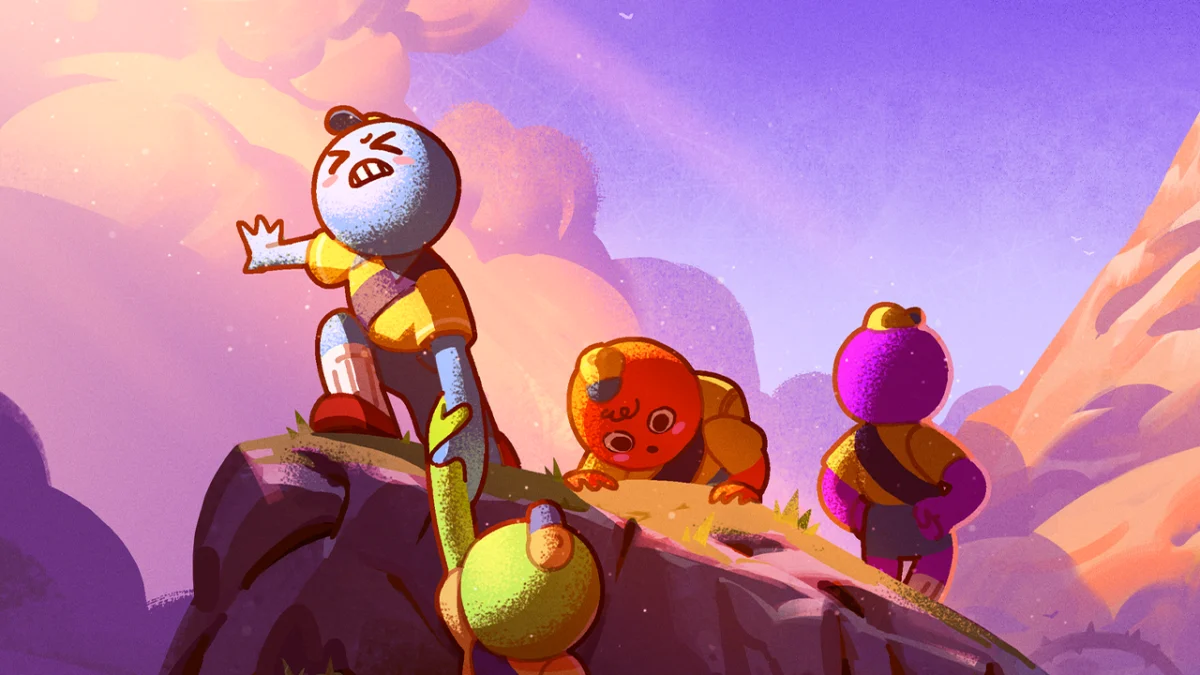
The indie game Peak, a cooperative climbing simulation that quickly garnered millions of sales and became a quintessential example of the "friendslop" genre, was famously conceived and brought to its core experience in a remarkably short timeframe. While its full development spanned approximately four months, the foundational gameplay and identity of Peak were forged in an intensive four-week "meeting of the minds" in South Korea, a collaborative sprint between two distinct independent studios: Aggro Crab and Landfall Games. This rapid-fire development cycle, born from an unconventional partnership, not only propelled Peak to commercial success but also fundamentally altered the operational philosophy of Aggro Crab, as detailed by studio head Nick Kaman during a compelling address at the GDC Festival of Gaming. Kaman’s insights illuminated how a radical embrace of agile, almost anarchic, development principles led him to critically reassess and ultimately transform his own studio’s approach to game creation.
The Genesis of Peak and the "Friendslop" Phenomenon
Peak emerged as a breakout hit in the indie landscape, a testament to the power of unique gameplay mechanics and strong social engagement. The game, which challenges players to navigate perilous ascents together, quickly resonated with audiences seeking engaging, often hilariously chaotic, cooperative experiences. Its success, selling millions of copies globally, solidified its place within the burgeoning "friendslop" category – a term colloquially used to describe games that, while perhaps rough around the edges, deliver immense fun through social interaction, often involving physics-based antics and emergent gameplay scenarios. For an independent title, achieving multi-million unit sales represents a significant triumph, underscoring the market’s appetite for innovative, community-driven experiences, especially those that can be enjoyed with friends. The reported development cost of Peak being less than $200,000 further highlights an exceptional return on investment, marking it as a financial and creative benchmark for lean indie production.
The collaboration that birthed Peak was an unlikely but potent mix. Aggro Crab, known for its distinct art style and quirky narratives as seen in titles like Another Crab’s Treasure, brought a meticulous design sensibility. Landfall Games, on the other hand, had established a reputation for highly experimental, physics-driven games such as Totally Accurate Battle Simulator and Clustertruck, often characterized by their playful absurdity and rapid prototyping culture. This stark contrast in methodologies initially presented challenges, particularly during remote conceptualization, but ultimately led to a synergistic breakthrough when the teams converged physically.
The South Korean Catalyst: A Shift from Discord to Directness
The decision for Aggro Crab and Landfall Games to physically co-locate in South Korea for a concentrated development period proved to be a pivotal moment. Prior to this, attempts to define Peak‘s core concept remotely, primarily through text-based communication platforms like Discord, had led to frequent misunderstandings and creative stalemates. Kaman vividly recounted these frustrations, coining the memorable phrase, "text is evil." He posited that digital communication channels, by stripping away nuance, tone, and immediate feedback, often inadvertently amplify negativity and misinterpretations. "We realized the Discord vibes must have been caused by some sort of technology in Discord where I send a message and then Discord warps it into the most negative version of how that message can be received, and then it comes out the other end," Kaman elaborated, highlighting a common pain point in modern remote work.
The transition to in-person collaboration dramatically altered this dynamic. In a shared physical space, the teams found that "all of the nuance and all of the energy is there when you’re talking to people. So ideas flow more naturally, arguments get resolved quicker, and you have a better time." This hands-on, face-to-face approach during the four-week sprint allowed for unprecedented levels of rapid iteration and fluid ideation, crucial for solidifying Peak‘s core mechanics and unique identity. The immersion in a new cultural environment also likely contributed to a heightened sense of focus and camaraderie, fostering an atmosphere ripe for creative breakthroughs.
Embracing the "Cowboy" Development Ethos
At the heart of Peak‘s accelerated development and Aggro Crab’s subsequent transformation was Landfall Games’ distinctive "cowboy" development philosophy. Kaman, initially considering himself a "rootin’ tootin’ indie developer who didn’t play by the rules," admitted a profound shift in perspective upon witnessing Landfall’s extreme agility. "When I saw them I realised I’m like a NASA engineer compared to them," he quipped, underscoring the stark difference.
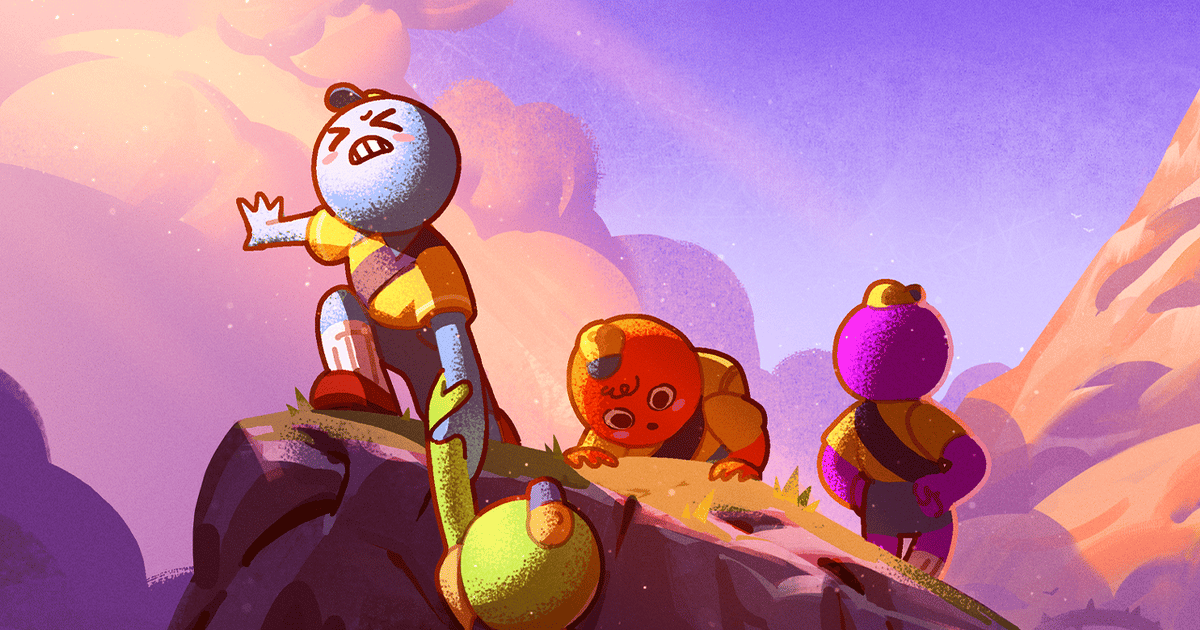
Landfall’s methodology was characterized by an unwavering aversion to anything perceived as "friction." This manifested in several unconventional practices:
- Minimal Project Management: They eschewed traditional task-tracking software, opting instead for a minimalist approach where a Discord channel served as the primary, informal task board, with completed items merely marked by an emoji. This stands in stark contrast to the prevalent use of tools like Jira, Trello, or Asana in most development studios, which prioritize meticulous tracking and accountability.
- Meeting Aversion: Landfall developers famously resisted scheduled meetings, viewing them as impediments to productivity. Kaman recounted instances where his attempts to initiate daily huddles were met with blunt refusals, developers asserting their autonomy and clear understanding of their tasks. This radical approach challenges the conventional wisdom that regular communication through meetings is essential for team alignment.
- Streamlined Processes: Even minute details like git commit messages were stripped to their absolute minimum. Landfall CEO and designer Wilhelm Nylund would reportedly use only the letter ‘f’ for commits, humorously rationalized as the "fastest key." While seemingly trivial, this anecdote encapsulates a broader philosophy of eliminating any perceived inefficiency, no matter how small, to maintain maximum momentum.
This "cowboy" style, while fostering incredible speed and creative freedom, was not without its drawbacks. Kaman openly acknowledged that Peak‘s codebase became a classic example of "spaghetti code" – a complex, unstructured, and often difficult-to-maintain system. This technical debt translates directly into challenges for ongoing maintenance and updates, leading to a higher prevalence of bugs, which players frequently report. However, for Kaman, the exhilarating speed and unparalleled creative enjoyment derived from this process ultimately outweighed the technical imperfections.
Aggro Crab’s Post-Peak Metamorphosis
The profound impact of Peak‘s development and Landfall’s philosophy prompted Nick Kaman to instigate a significant overhaul of Aggro Crab’s internal operations. The success of Peak served as a critical inflection point, revealing that Aggro Crab’s prior, more rigid pipelines were stifling innovation and team morale. Kaman recognized that his studio had been "working too hard on things that might not matter that much in very rigid pipelines."
The changes implemented at Aggro Crab reflect a conscious effort to embed elements of Landfall’s agile, friction-averse culture while maintaining a sustainable structure:
- Spontaneous Communication: Moving away from text-heavy remote discussions, Aggro Crab now prioritizes impromptu calls and in-person conversations. This fosters a more dynamic and less prone-to-misinterpretation communication flow, echoing Kaman’s "text is evil" realization.
- Revitalized Office Environment: The Seattle office has been reconfigured to promote organic interaction. Desks were rearranged to allow easy, informal communication between team members, enabling quick screen-sharing and problem-solving without needing a scheduled meeting. Furthermore, free lunches on Wednesdays were introduced to encourage office attendance, fostering social connections and informal discussions, extending beyond work-related topics. While the studio maintains a hybrid work model, allowing employees flexibility, these initiatives strategically incentivize in-person collaboration.
- Reduced Scheduled Meetings: Recognizing that "no one likes scheduled meetings," Aggro Crab drastically cut down on formal meeting schedules. The emphasis shifted to ad-hoc huddles and discussions as needed, streamlining workflows and minimizing disruptions to concentrated work periods.
- Empowerment and Trust: Kaman candidly admitted to having been a "dictator" on previous projects like Another Crab’s Treasure, albeit a "nice" one. Post-Peak, he made a concerted effort to become more hands-off, placing greater trust in his team’s capabilities and autonomy. This shift is crucial for fostering ownership, boosting morale, and leveraging the collective expertise of the development staff.
- "Freedom Fridays": Perhaps one of the most innovative changes is the implementation of a rule allowing employees every other Friday to work on any project they desire, unrelated to the studio’s current main title. This concept, akin to "20% time" popularized by companies like Google, is designed to stimulate creativity, encourage skill development, prevent burnout, and potentially lead to new internal prototypes or innovative solutions for future projects. It recognizes the intrinsic value of creative exploration beyond immediate project demands.
Broader Industry Implications and the Future of Indie Development
Aggro Crab’s journey offers valuable lessons for the wider game development industry, particularly for independent studios grappling with the pressures of innovation, market competitiveness, and sustainable growth. The success of Peak and the subsequent philosophical shift at Aggro Crab underscore a growing trend towards more flexible, human-centric development methodologies.
While Landfall’s extreme "cowboy" approach might not be universally applicable – its success often hinges on small, highly skilled teams, specific project types (like physics-based sandbox games), and a high tolerance for technical debt – Aggro Crab’s adaptation demonstrates how elements of this agility can be integrated into a more structured yet still dynamic environment. The challenge for many studios lies in finding the optimal balance between creative freedom and necessary organizational rigor. The "spaghetti code" issue, for instance, represents a trade-off that might be acceptable for a rapid prototype or a highly experimental title but could become a significant liability for a long-term service game or a project requiring extensive post-launch support.
Industry analysts suggest that the emphasis on spontaneous communication, reduced meeting overhead, and employee empowerment, as adopted by Aggro Crab, aligns with modern workplace trends aimed at improving employee well-being and productivity. These changes can mitigate common industry issues like crunch culture and burnout by fostering a more autonomous and enjoyable work environment. The "Freedom Fridays" initiative, in particular, could serve as a model for promoting internal innovation and employee engagement, cultivating a sense of ownership and personal investment beyond assigned tasks.
Nick Kaman’s ultimate takeaway from the Peak experience transcends mere commercial success. He stated, "Peak is the most fun I’ve ever had making a game, and I think that did more for me than the success of the game. It did save us financially and mentally, but it led me to this realization of ‘why aren’t we making more games like this?’ Freedom of development feels so good, and gets such good results." This sentiment encapsulates a powerful message: that the joy and creative liberation experienced during development are not just desirable outcomes in themselves, but also potent catalysts for producing successful and impactful games. Aggro Crab’s evolution, inspired by the rapid, unconventional genesis of Peak, marks a significant step towards a development paradigm where efficiency is balanced with enjoyment, and innovation is fueled by freedom.
About the Author