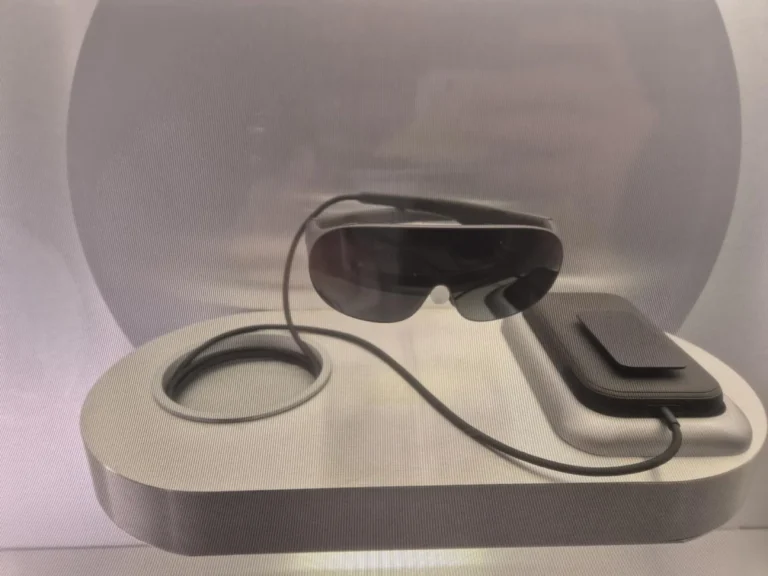
The landscape of extended reality (XR) is currently undergoing a significant transformation driven by the integration of generative artificial intelligence, strategic hardware pivots by major technology conglomerates, and shifting economic pressures within the semiconductor supply chain. Recent developments in late July have highlighted a burgeoning trend where AI-coded modifications are rapidly expanding the library of virtual reality (VR) content, while industry leaders such as Samsung, Valve, and Apple prepare for a new generation of wearable devices. These shifts occur against a backdrop of corporate restructuring and rising component costs that threaten to reshape the accessibility of immersive technology.
The Rise of AI-Assisted VR Modding and Its Market Implications
In recent weeks, the PC VR ecosystem has experienced a surge in unofficial virtual reality ports for high-profile "flatscreen" titles. This acceleration is largely attributed to the increasing proficiency of AI coding models, which enable individuals with moderate technical skills to develop VR mods that previously required professional-grade software engineering expertise. Notable recent releases include VR modifications for the Halo: Master Chief Collection and the classic first-person shooter F.E.A.R.
Industry analysts suggest that these AI models have benefited from the vast repositories of open-source code shared by pioneering VR modders over the last decade. This democratization of game porting, often referred to as "vibe-coding," allows for the rapid translation of traditional 2D game mechanics into 3D immersive environments. For the consumer, this represents a potential influx of thousands of high-quality titles into the PC VR market, addressing a long-standing criticism regarding the lack of "AAA" content for headsets.
However, this shift presents challenges for professional modding collectives and native VR developers. Established entities that operate on subscription models, such as Luke Ross or Team Beef, may face increased competition from community-driven, AI-generated free alternatives. Furthermore, native VR developers must now compete for user attention against a massive library of converted legacy titles. Technical risks also remain a factor; AI-generated code can introduce security vulnerabilities or performance instabilities that professional developers typically mitigate through rigorous testing.

Samsung and Google Detail Android XR Smartglass Strategy
During its recent Unpacked event, Samsung provided comprehensive details regarding its upcoming smartglass initiative, developed in collaboration with Google and specialized eyewear manufacturers. The devices are confirmed to run on Android XR, a dedicated operating system designed to integrate seamlessly with the Google Gemini AI ecosystem. Samsung has partnered with Gentle Monster and Warby Parker to produce frames that prioritize aesthetics, signaling a move away from the bulky form factors of traditional AR headsets.
The specifications revealed indicate that these glasses will lack an integrated display, positioning them as direct competitors to the Ray-Ban Meta smartglasses. Key features include:
- Battery Life: A projected nine-hour runtime, exceeding current market standards.
- AI Functionality: Capability to summarize text from physical surfaces, such as blackboards, and provide real-time note-taking during meetings.
- Input Methods: Integration with Samsung smartwatches for gesture-based controls.
- Release Timeline: A confirmed launch window for the fall of 2024.
Market analysts from CNBC have expressed concerns regarding the rumored "premium" pricing of the Samsung glasses, which could range between $600 and $700. Given that the Ray-Ban Meta glasses occupy a lower price bracket while maintaining high brand prestige, Samsung’s success may depend on the strength of its Gentle Monster partnership and the utility of the Gemini AI integration. Gentle Monster’s planned expansion, involving the opening of over 200 stores across North America and Europe, is expected to play a critical role in the product’s retail visibility.
Valve Hardware Leaks: The Steam Frame Project
Valve Corporation appears to be nearing the launch of a new hardware product, internally or community-identified as "Steam Frame." Recent data-mining efforts within Steam’s software updates have uncovered strings of code and icons related to a new "playspace" setup process. Furthermore, third-party accessories, such as controller grips labeled for Steam Frame, have briefly appeared on major retail platforms like Amazon.
While Valve has not officially confirmed the device’s specifications, the timing of these leaks suggests a potential announcement in late 2024. Observers speculate that the Steam Frame could be a specialized peripheral or a new iteration of a VR interface designed to simplify the transition between the Steam Deck handheld and immersive environments. The launch strategy remains a subject of debate, with industry insiders suggesting either an immediate late-summer release or a strategic delay until September to avoid the traditional August vacation lull.

Apple’s Long-Term Roadmap and Privacy Paradigms
Apple’s strategy for smart glasses continues to take shape, with reports from Bloomberg’s Mark Gurman indicating a planned announcement at WWDC 2027 followed by a release in the autumn of that year. Apple’s entry into the smartglass market is expected to focus heavily on privacy and "safe" innovation to differentiate itself from competitors.
Internal discussions at Apple have reportedly explored prototypes that omit cameras entirely or utilize cameras exclusively for AI environmental processing without allowing user access to raw photo or video data. This approach aims to mitigate the "reputational debt" associated with wearable cameras, which have faced public scrutiny regarding unauthorized recording. By leveraging its established reputation for data security, Apple intends to position its glasses as an essential, non-intrusive productivity tool rather than a social media recording device.
Economic Shifts: Qualcomm Price Hikes and Corporate Restructuring
The broader XR industry is currently facing significant economic headwinds. Qualcomm, the primary supplier of chipsets for Meta, HTC, and Pico, has reportedly informed customers of a double-digit price increase effective September 1. As Qualcomm’s Snapdragon XR series powers the vast majority of standalone VR and AR devices, this price hike is expected to lead to higher MSRPs for upcoming hardware releases.
Simultaneously, major players are restructuring their XR divisions:
- Pico: The ByteDance-owned company has announced a leadership change, with founder Zhou Hongyi stepping down to be replaced by Li Xiaokai. Despite the change, "Project Swan"—the company’s next-generation headset—remains on track for a 2024 release.
- Magic Leap: The augmented reality pioneer has confirmed a strategic pivot to becoming a waveguide supplier for other OEMs. This shift has resulted in approximately 200 layoffs as the company moves away from direct consumer hardware manufacturing.
Software Evolution and Media Integration
In the software sector, Unity has announced Unity 7, scheduled for a full release in Q1 2027. The new engine will maintain architectural compatibility with Unity 6 while introducing advanced AI-driven development tools and improved compilation speeds. This stability is intended to allow developers to upgrade existing projects with minimal friction.

Furthermore, the expansion of content ecosystems continues with the integration of Xbox Game Pass into the Meta Horizon+ subscription service, allowing Quest users to stream traditional gaming titles within a virtual theater environment. In the realm of entertainment, Apple TV+ has announced a series adaptation of William Gibson’s seminal cyberpunk novel Neuromancer, a move that underscores the growing cultural intersection between mainstream media and VR subcultures.
As the XR industry moves toward the final quarter of 2024, the convergence of AI-assisted development and more refined wearable hardware suggests a shift toward a more mature, albeit more expensive, ecosystem. The success of the upcoming fall launches from Samsung and potentially Valve will serve as a bellwether for consumer appetite for non-immersive smart wearables versus high-end VR hardware.
About the Author