Jeff Atwood, the widely recognized co-founder of Stack Overflow and prolific author behind the influential "Coding Horror" blog, recently unveiled a significant overhaul of his personal computing setup, marking his first major system upgrade since 2015. This extended period between significant updates, he observes, points to a broader sentiment within the industry: that traditional PC upgrades have become "really boring." However, Atwood’s latest build challenges this notion, spotlighting a compelling innovation currently redefining the personal computer market: the relentless pursuit of maximum computational power within minimum physical dimensions, a trend epitomized by Small Form Factor (SFF) PCs. His personal journey, meticulously chronicled over 13 years of detailed PC build entries on his blog, now squarely points towards a future where raw speed is not the sole metric of technological progress, but where the efficiency of space utilization and intelligent design emerge as equally critical differentiators.
The Shifting Landscape of PC Innovation
For decades, the personal computer market was largely defined by a quest for ever-increasing clock speeds, core counts, and graphical fidelity, often housed in progressively larger and more imposing tower cases. The narrative of PC upgrades typically revolved around incremental performance boosts that, while significant, eventually led to a sense of diminishing returns for many users. Atwood’s observation that upgrades had become "boring" resonates with a period where groundbreaking, transformative leaps felt less frequent than in previous eras. This plateau, however, has paved the way for innovation in other dimensions, particularly in the physical footprint and aesthetic integration of powerful machines.

The current wave of innovation, as demonstrated by Atwood’s choices, is primarily focused on miniaturization. For his latest iteration, he gravitated towards highly compact mini-ITX cases, specifically highlighting the Dan A4 SFX and the Streacom DA2. These designs represent a rapidly growing segment of the PC market that caters to users prioritizing desk space, portability, and aesthetic minimalism without making sacrifices in computational horsepower. The core appeal of these systems lies in their remarkable ability to house high-performance components—cutting-edge CPUs and GPUs—in volumes dramatically smaller than conventional desktop towers. This effectively challenges the long-held perception that elite performance inherently necessitates large, bulky hardware.
Comparative Dimensions: SFF vs. Traditional and Consoles
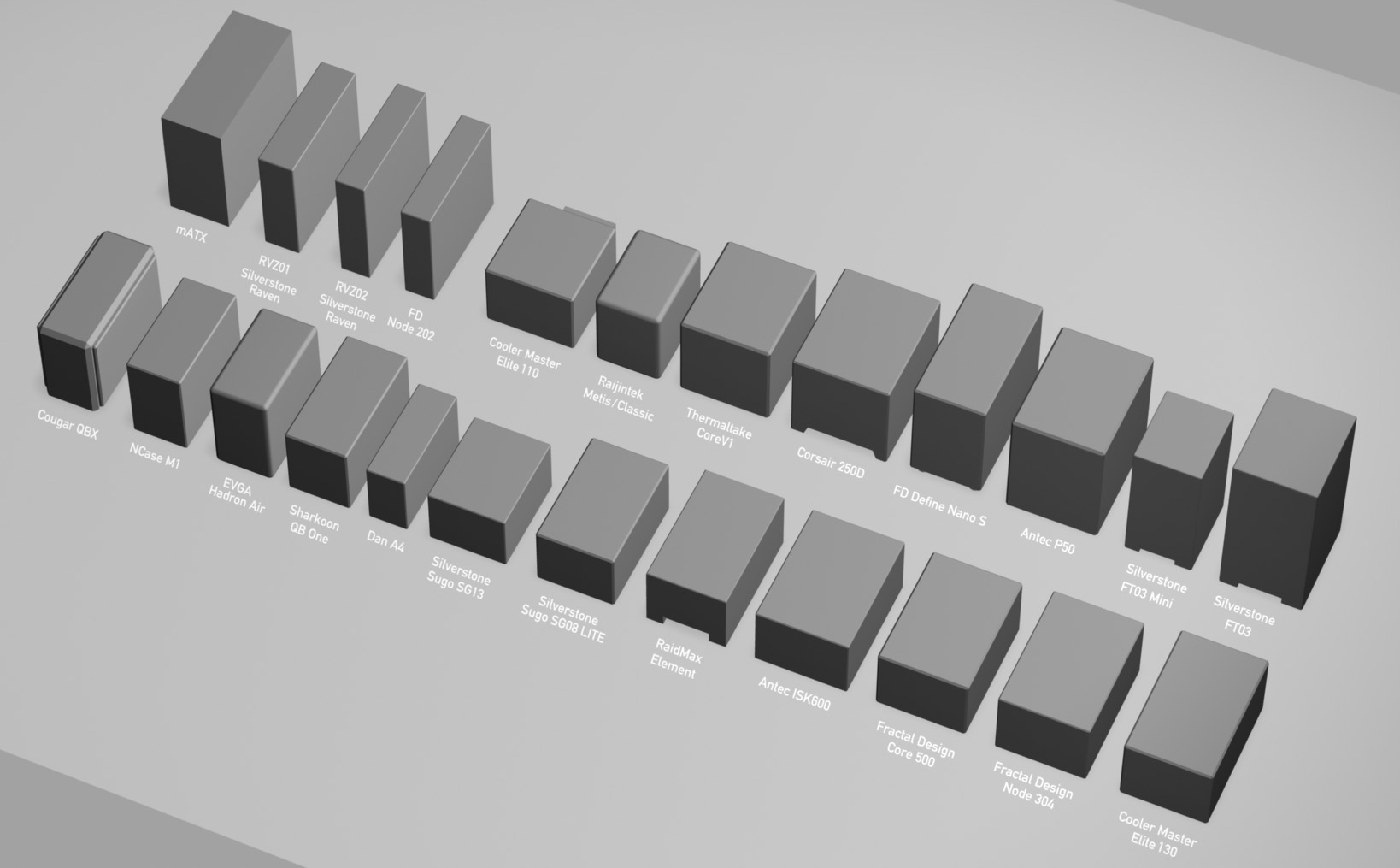
To underscore the efficiency of modern SFF designs, Atwood provides a direct comparison of case volumes, illustrating the remarkable gains made in packaging:
- DAN A4-SFX: 7.3 liters
- Silverstone RVZ02 / ML08: 12.2 liters
- nCase M1: 12.6 liters
- Streacom DA2: 17.5 liters
These figures become even more impactful when juxtaposed with dedicated gaming consoles. For instance, a PlayStation 4 Pro occupies approximately 5.3 liters, and an Xbox One S comes in at around 4.3 liters. Atwood astutely points out that achieving "considerably more than 2x the power" of a console for only approximately 50% more volume represents a substantial engineering achievement. This comparison highlights the extraordinary power density now attainable within the SFF segment, blurring the lines between traditional console gaming and high-performance PC experiences. This level of miniaturization allows for powerful gaming rigs or workstations to seamlessly integrate into living rooms, offices, or other constrained spaces where larger machines would be impractical.
Jeff Atwood’s Personal Build: The Streacom DA2
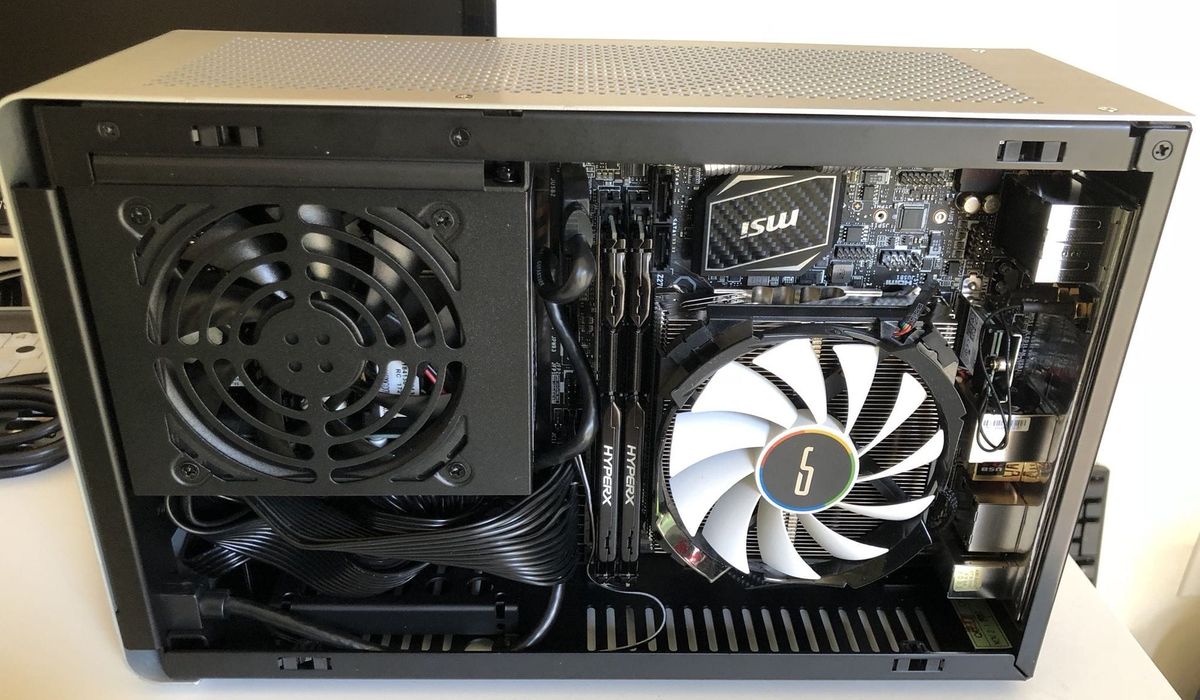
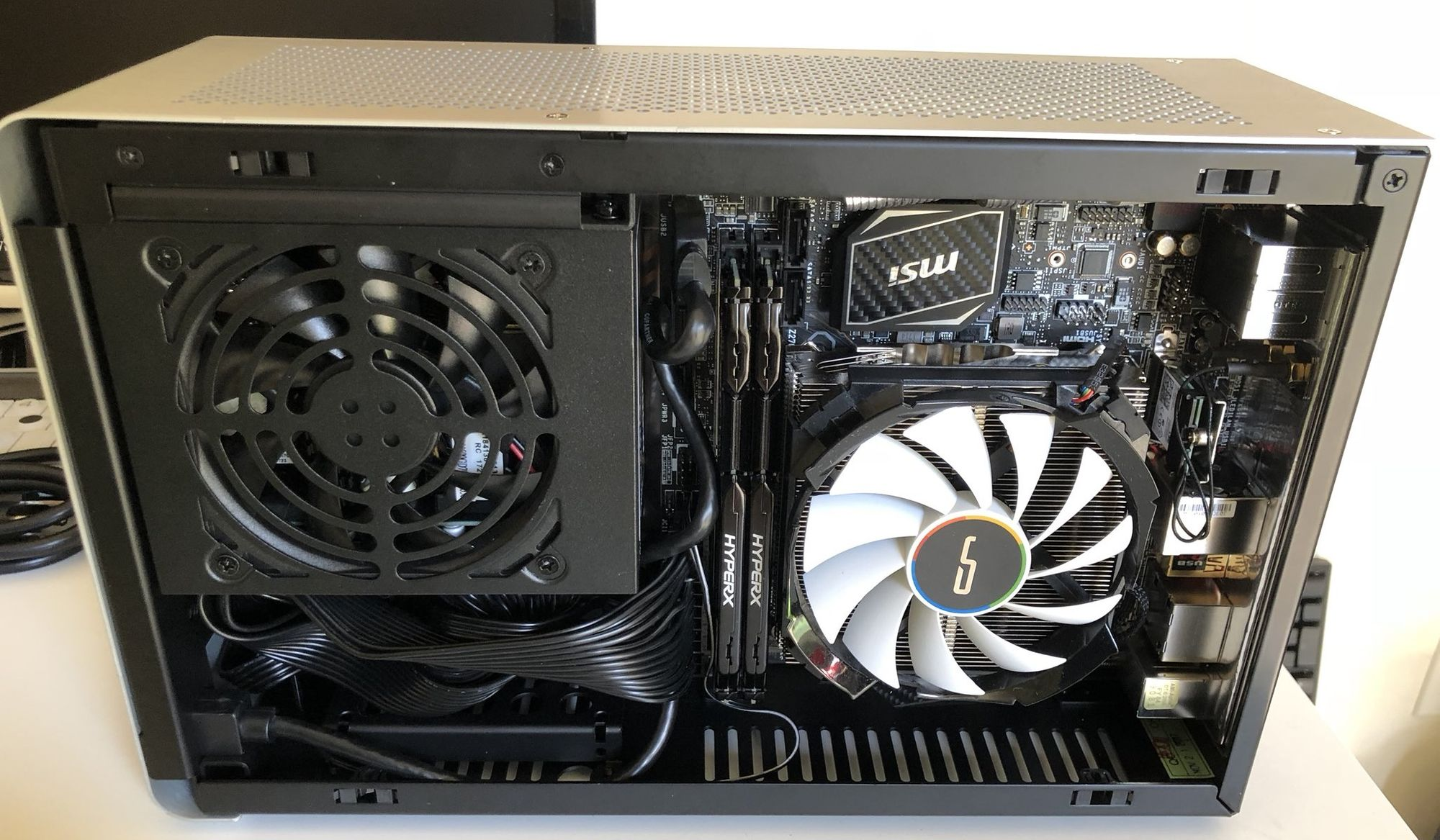
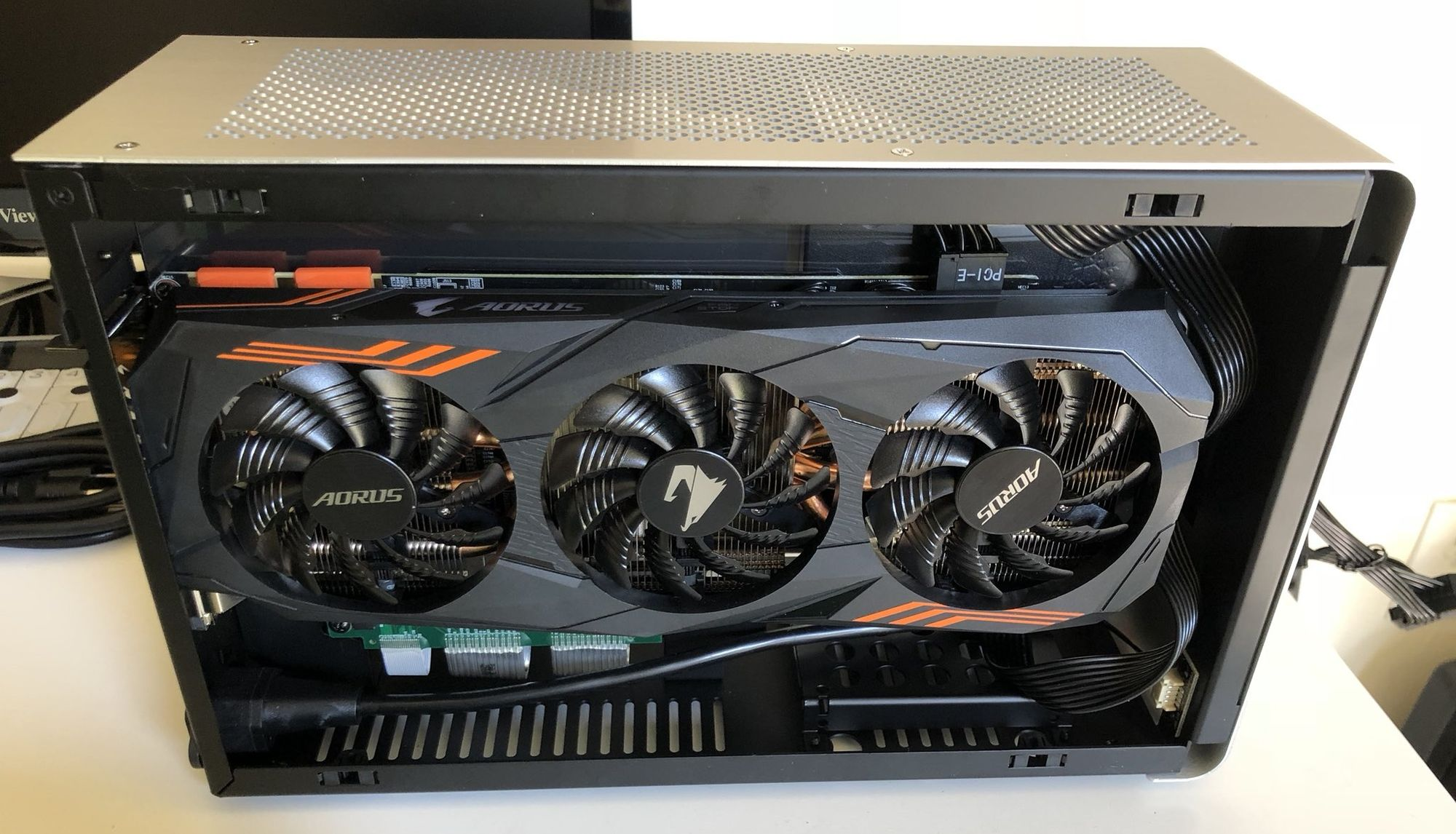
Despite acknowledging the ultra-compact nature of the DAN A4 SFX, which he suggests might represent the absolute smallest standard mini-ITX system achievable without venturing into custom-fabricated components, Atwood ultimately selected the Streacom DA2 for his personal build. His decision was rooted in a pragmatic assessment of thermal management and component compatibility. While the A4 SFX is groundbreaking in its tiny footprint, the DA2 offers "substantially more room for cooling the CPU and adding fans," a critical consideration when deploying "extremely powerful CPUs and GPUs" that generate considerable heat.
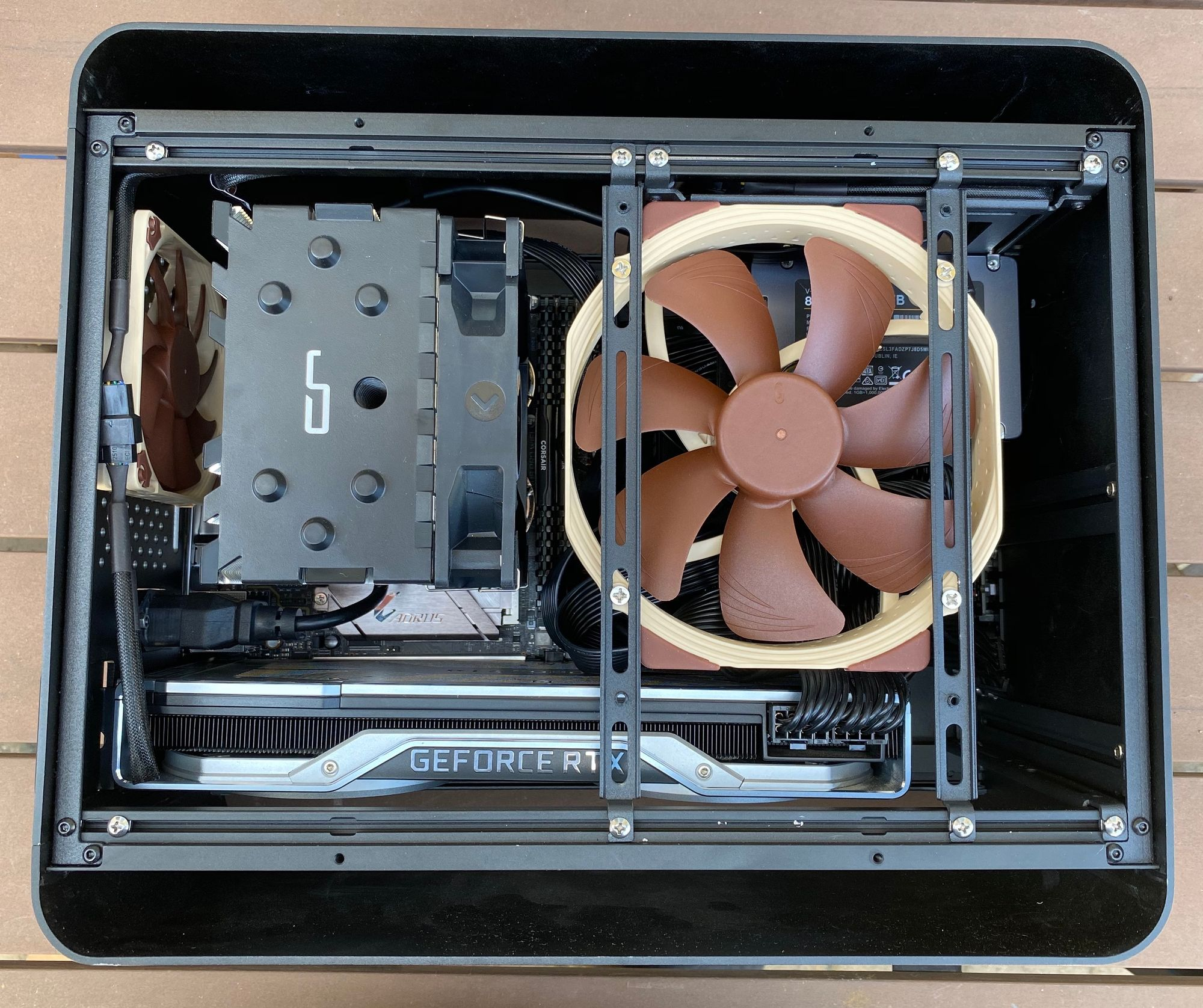
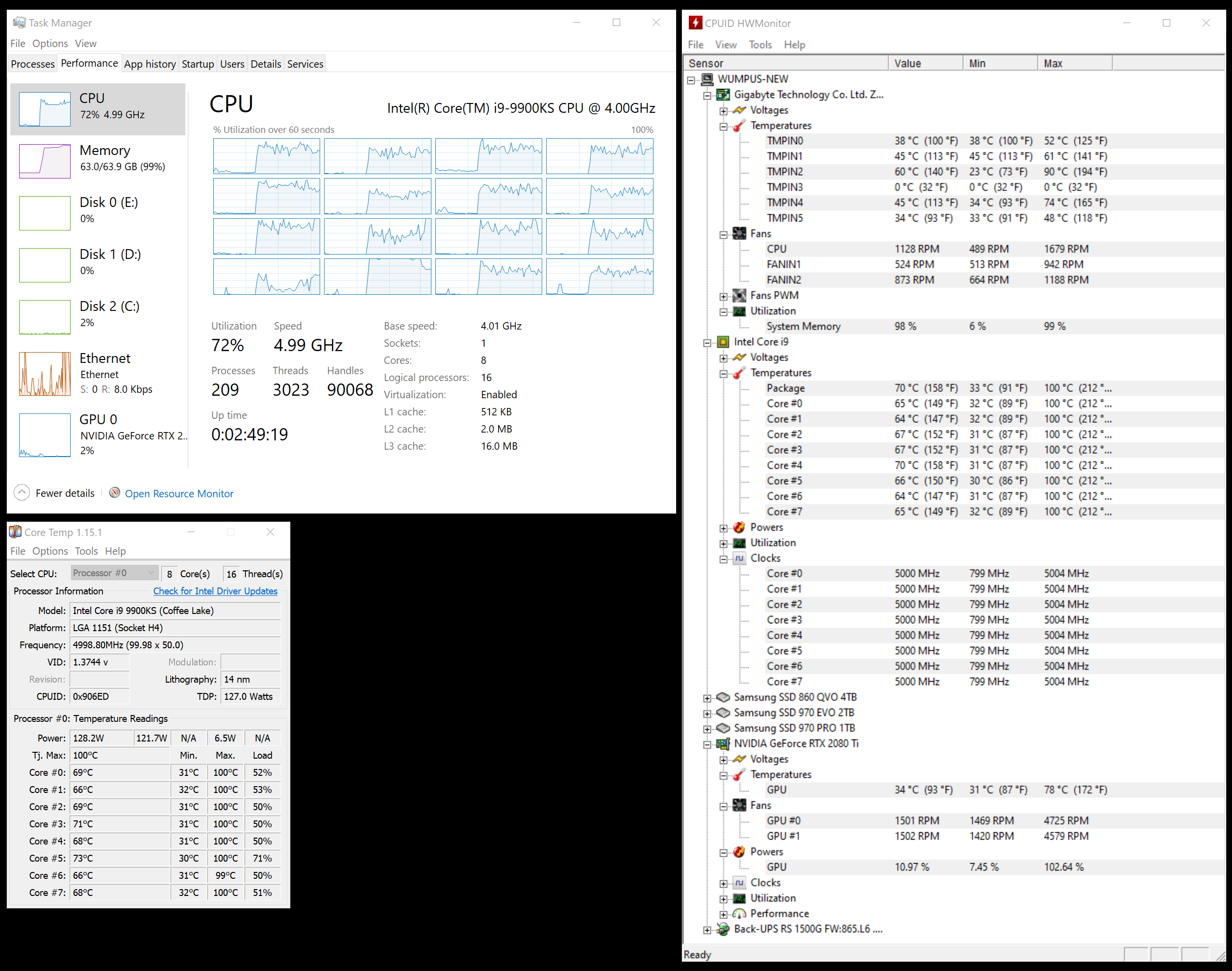
His new system represents a significant generational leap from his previous 2015-2017 build, which featured a slightly overclocked Intel Core i7-7700K. The upgrade delivers at least double the core count, faster individual cores (benefiting from both increased clock rates and improved Instructions Per Cycle, or IPC), twice the system memory, and double the M.2 slots for high-speed storage (two versus one). This showcases the substantial performance advancements that can still be achieved within the PC ecosystem, even as the focus shifts to more compact form factors.
Design Philosophy and Critical Thermal Management in SFF
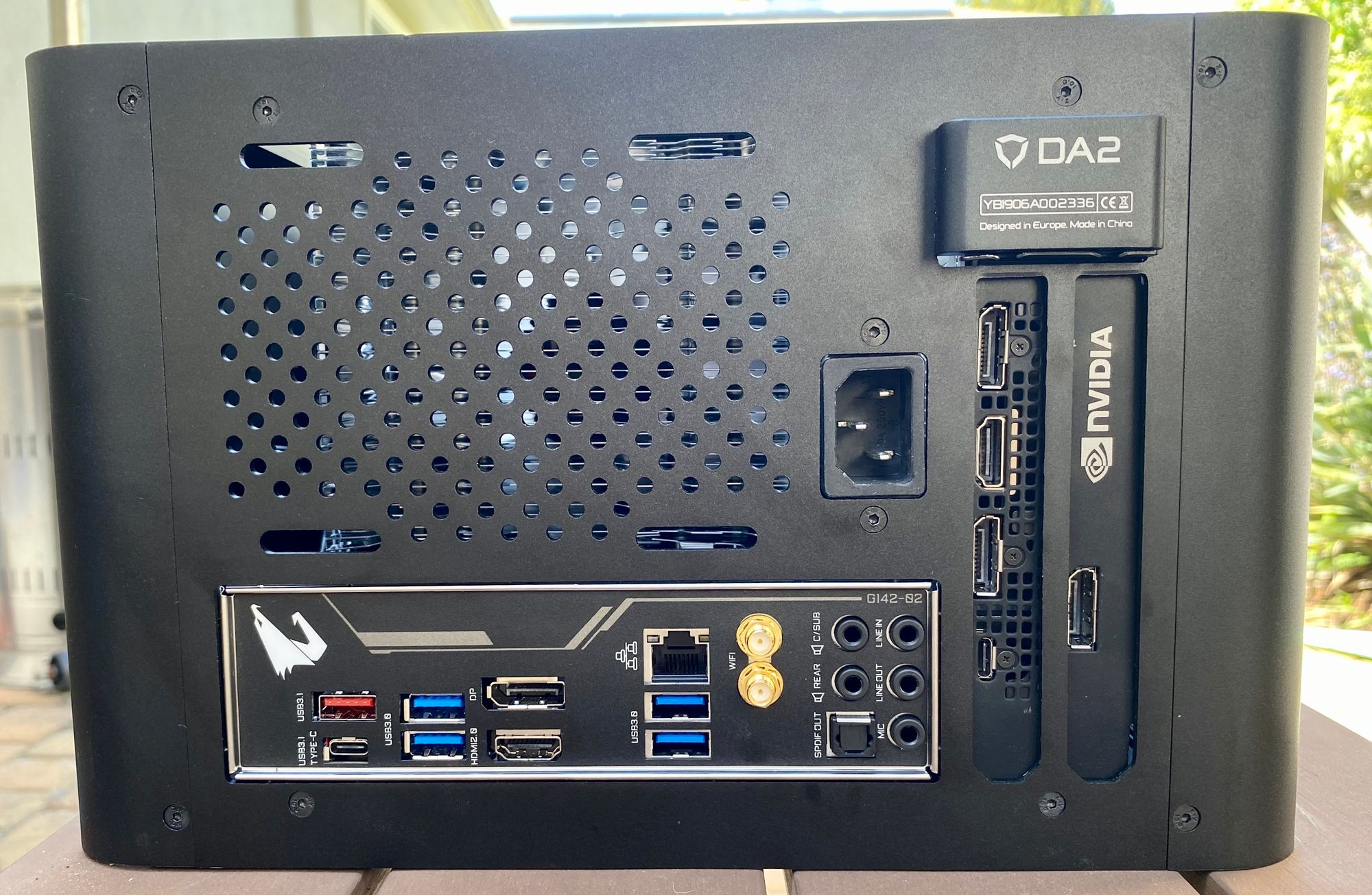
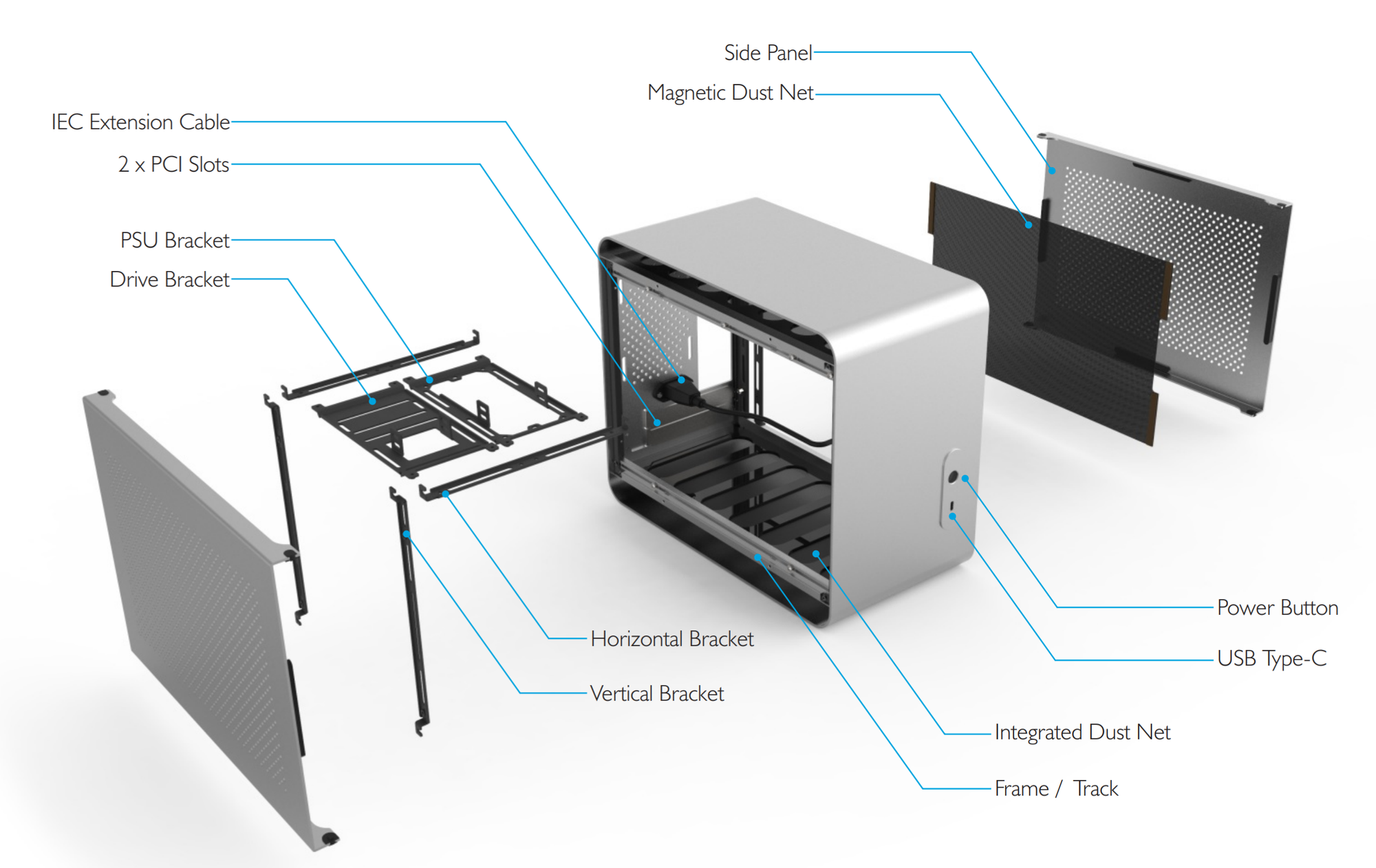
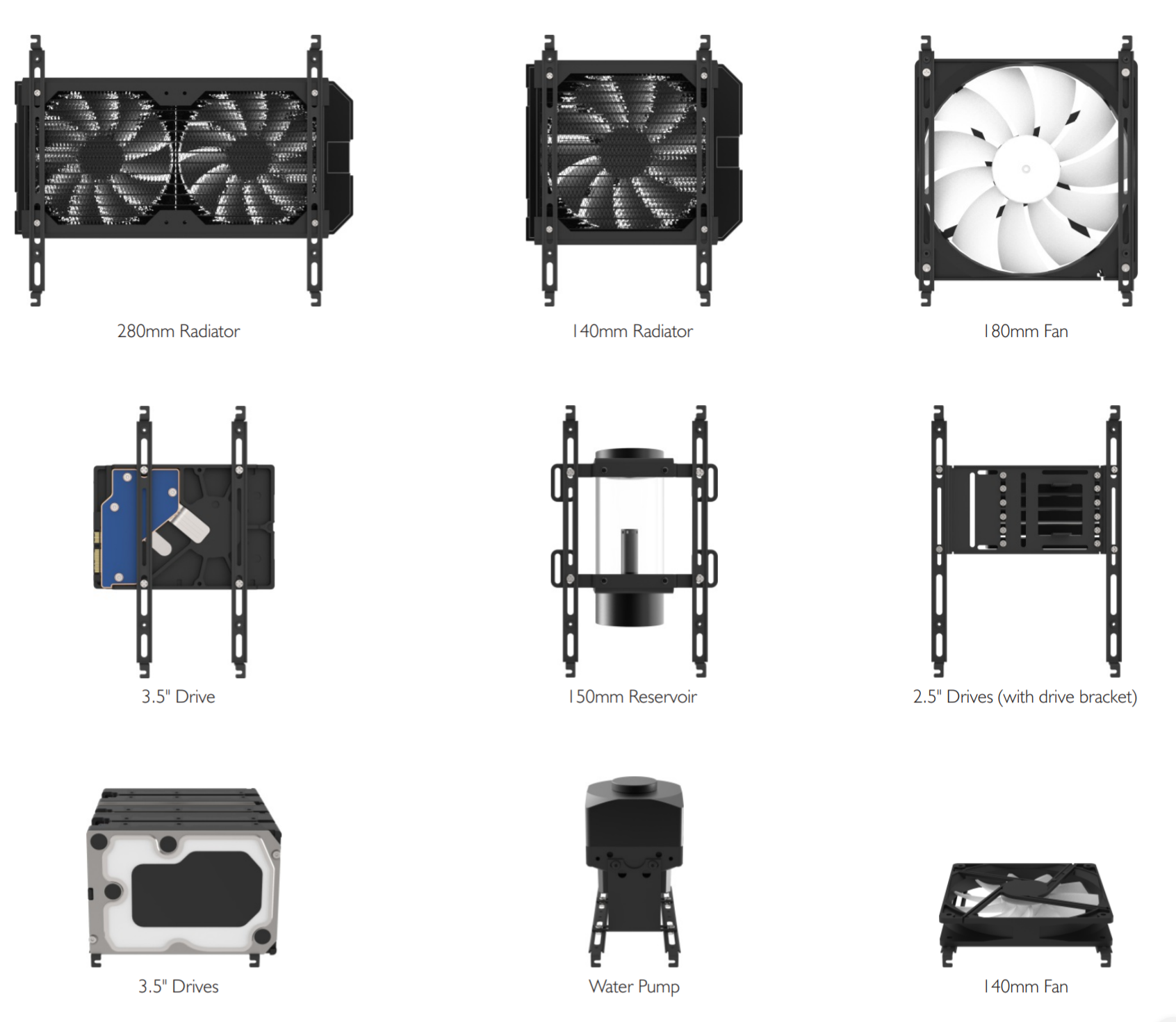
The Streacom DA2, as described by Atwood, is a "clever case" distinguished by its "hybrid open-air design (on the top and bottom)" and a "versatile horizontal and vertical bracket system interior." This modularity is a hallmark of intelligent SFF design, allowing builders to adapt the internal layout to accommodate various component sizes and cooling configurations—a crucial advantage in space-constrained environments. The case’s design, detailed in its manual, emphasizes flexibility through numerous bracket mounting options, easily manipulated with a captured nut and bolt system, which simplifies the intricate process of assembling components in tight quarters.
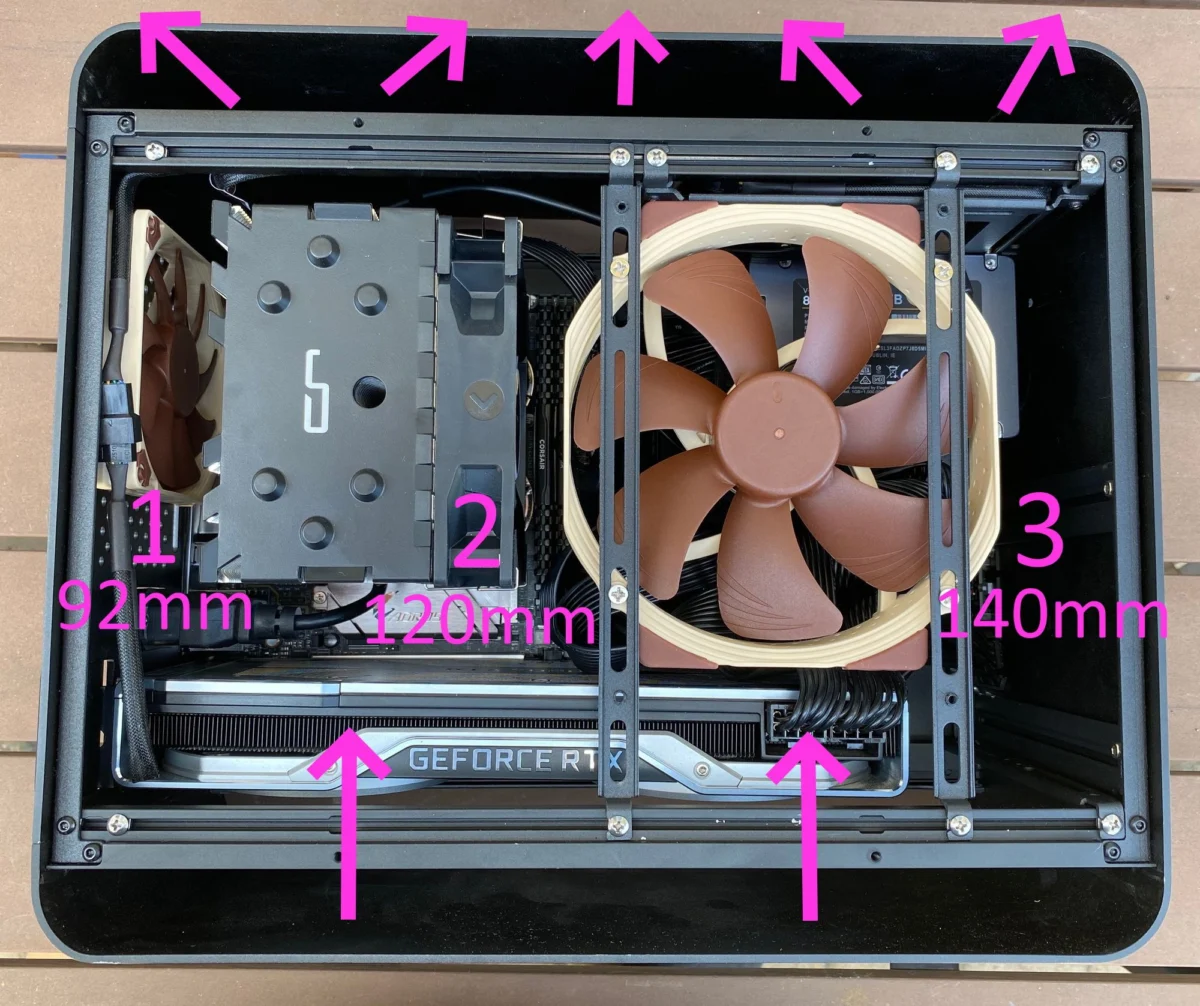
A critical insight shared by Atwood pertains directly to the often-challenging aspect of thermal management in SFF builds. He reported experiencing "dramatically better temperatures" after removing the default top and bottom acrylic pieces and their integrated mesh dust nets. This modification allows the case to "fully breathe," compensating for the DA2’s solid, airflow-restricted front panel and ensuring adequate ventilation for high-performance components under load. This highlights a common design trade-off in SFF cases, where aesthetic considerations (like a solid front panel) must sometimes be balanced with the imperative of effective cooling.
Atwood’s recommended configuration for optimal airflow within the DA2 involves leaving both the top and bottom open, combined with the strategic placement of three fans. He also notes the provision for water cooling, for those who prefer it, though he personally steers clear due to past negative experiences. He acknowledges that users who anticipate sustained, heavy CPU and GPU loads might indeed need to consider water cooling or select slightly less powerful components to ensure system stability and longevity within such a compact enclosure. His rigorous "burn-in testing," a standard practice for ensuring system stability, underscores the importance of robust thermal solutions in SFF systems.
The Modern PC Building Experience: Simplified and Accessible
Reflecting on the overall process, Atwood observes that building a PC today is "easier than it has ever been." The simplification of component installation, particularly with the widespread adoption of M.2 NVMe drives, standardized memory modules, modern CPU sockets, and integrated cooler mounting systems, means that a significant portion of the build process—installing the core components—is completed directly on the motherboard before it is even placed into the case. This streamlined assembly process potentially lowers the barrier to entry for new builders, making custom, high-performance PCs more accessible to a broader audience. The days of wrestling with numerous cables for multiple storage drives and complex cooler installations are largely receding.
Broader Implications: A Renaissance for Desktop Computing
Jeff Atwood’s latest PC build and his accompanying observations align perfectly with a burgeoning trend throughout the PC hardware industry. The strategic emphasis on "packing all that power into less than 20 liters of space" signals not merely an incremental improvement, but a fundamental paradigm shift.
- Market Dynamics: The SFF market, once a niche dominated by hardcore hobbyists and modders, is steadily expanding into the mainstream. It attracts a diverse range of users, from gamers seeking powerful yet unobtrusive setups for their living rooms to professionals desiring clean, minimalist workstations. Manufacturers like Dan Cases, Streacom, and others have cultivated strong reputations by specializing in premium, meticulously engineered compact enclosures that balance form and function. This growing demand indicates a maturation of consumer preferences, moving beyond sheer power to encompass design, space efficiency, and integration into modern living environments.
- Technological Enablers: This wave of miniaturization has been made possible by a confluence of significant technological advancements across various hardware categories:
- Increased Power Efficiency of Components: Modern CPUs and GPUs deliver substantially more performance per watt than their predecessors. This improved efficiency directly translates to less heat generation, which is a critical factor for effective cooling within the confined spaces of SFF cases.
- M.2 NVMe SSDs: The widespread adoption of these tiny, high-speed storage devices has virtually eliminated the need for bulky 2.5-inch or 3.5-inch hard drives and SATA SSDs, freeing up valuable internal volume.
- SFX and SFX-L Power Supplies: The development of compact power supply units (PSUs) specifically designed for SFF cases provides sufficient power delivery in significantly reduced footprints compared to standard ATX PSUs.
- Mini-ITX Motherboards: These full-featured motherboards, adhering to a compact 17x17cm (6.7×6.7 inch) footprint, integrate all essential connectivity and power delivery systems required for high-end components.
- Enhanced User Experience: SFF PCs offer several distinct advantages for the end-user. They contribute to a cleaner, more organized desk aesthetic, significantly reduce physical clutter, and can be more easily relocated within a home or office. Furthermore, their discreet form factor makes them ideal candidates for powerful living room gaming or media centers, seamlessly blending into entertainment setups without the visual intrusion of a large tower. This versatility is expanding the potential applications and user bases for personal computers.
- Persistent Challenges: Despite these advancements, SFF builds continue to present unique challenges that require careful planning and component selection:
- Cooling Constraints: Heat dissipation remains the primary engineering hurdle. Limited internal volume often necessitates specialized, low-profile CPU coolers, custom fan configurations, or sophisticated liquid cooling solutions to manage the thermal output of high-end components.
- Component Compatibility: Not all high-performance GPUs or CPU coolers are designed to fit within the strict dimensional limitations of every SFF case. Builders must meticulously research component dimensions and case clearances to avoid compatibility issues.
- Cable Management: The tight confines of SFF cases can make effective cable routing a significant challenge. Poor cable management can not only detract from the build’s aesthetics but also impede airflow, negatively impacting thermal performance.
- Cost Premiums: SFF-specific components, including cases, PSUs, and certain coolers, can sometimes carry a price premium due to their specialized design and manufacturing complexity.
Conclusion: A New Era of Form and Function
Jeff Atwood’s latest PC build serves as a powerful testament to the ongoing and dynamic evolution within personal computing. Far from being "over" or "boring," the PC is undergoing a profound renaissance, driven not solely by the relentless pursuit of raw computational power, but increasingly by intelligent design, meticulous engineering, and the imperative of efficiency. The ascendance of compact mini-ITX systems demonstrates a future where powerful machines are no longer constrained by imposing physical dimensions, offering users an unparalleled blend of performance, sophisticated aesthetics, and practical versatility that was once considered unimaginable. As the technological landscape continues its rapid advancement, innovation in component packaging, thermal management solutions, and overall system integration will undoubtedly remain a crucial battleground for PC builders, hardware manufacturers, and enthusiasts alike. The future of personal computing appears to be not just faster, but also smarter and significantly smaller.
A Spanish translation of this article is available for readers seeking content in Spanish.
About the Author