San Francisco, CA – The intricate world of video game development, particularly in its burgeoning narrative sector, stands to gain significantly from the discerning eye of an experienced human editor, a sentiment strongly reiterated at this year’s GDC Festival of Gaming. During the "The Digital Red Pen: From Draft to Edit to Triage" session, part of the annual narrative summit, industry veterans converged to underscore the irreplaceable value of human editorial judgment over artificial intelligence in crafting compelling and cohesive game stories. This crucial discussion highlighted not only the practical benefits of skilled editors in streamlining production and enhancing player experience but also illuminated the profound limitations of AI in grasping the nuances of emotional consistency and human context essential for truly resonant narratives.
The Enduring Relevance of Human Editorial Acumen
The Game Developers Conference (GDC) Festival of Gaming serves as a premier gathering for the global video game development community, offering a platform for sharing insights, showcasing innovations, and addressing critical industry challenges. The narrative summit, a dedicated track within the festival, focuses specifically on the evolving art and science of storytelling in interactive media. "The Digital Red Pen" session brought together three distinct perspectives on narrative editing, collectively painting a comprehensive picture of its necessity from initial drafting to crisis intervention.
Diandra Anne Lasrado, Narrative Director at Iwot Games, opened the session by reinforcing a message she first delivered at GDC 2014: the unequivocal need for an editor. Her presentation, building on a decade of industry evolution, meticulously detailed the myriad advantages of integrating a professional editor into game development projects. Drawing from her extensive experience at prominent studios such as Riot Games, BioWare, and Blizzard, Lasrado articulated how a proficient editor can be a critical asset, mitigating potential pitfalls and ensuring a smoother, more cost-effective production cycle. In large-scale productions, where narrative elements often involve numerous voice actors and performers, an editor’s early intervention can identify and resolve inconsistencies in dialogue, character arcs, or plot points before they lead to expensive reshoots or re-recordings. This proactive approach saves not just financial resources but also valuable development time and the considerable "headaches" associated with late-stage narrative corrections. Moreover, an editor acts as a crucial partner to writers, helping them refine their vision and articulate their intended message with greater clarity and impact.
AI’s Limits in the Creative Landscape
A significant portion of Lasrado’s address focused on the burgeoning role of artificial intelligence within creative processes, particularly in drafting and editing. While acknowledging AI’s technical prowess, she drew a clear line regarding its capacity to fully replace human creativity and judgment. "Much like all creative endeavors, you cannot replace the touch of a human," Lasrado asserted. "Editing is […] emotional consistency, and that cannot be trained in a machine. It’s human context, which AI does not possess."
This statement resonates deeply within the creative industries, where debates about AI’s capabilities are ongoing. While large language models (LLMs) can generate text that is grammatically correct and stylistically consistent, their fundamental inability to truly understand human emotion, subtext, and the cultural context that imbues stories with meaning remains a significant hurdle. Lasrado further elaborated, stating, "While AI can be technically perfect, in most cases, it won’t know when to keep in an ‘error’ that will make a piece shine. Mistakes are beautiful, and also, it can often confuse context, [taking] similar lines and assuming they mean the same thing when they are drastically different." She highlighted that human editors, in contrast, look beyond mere words, delving into "the feel of the writing" and collaborating with writers to support and enhance their original ideas, often finding creative solutions that AI, with its purely data-driven approach, would overlook. This qualitative aspect of editing – understanding intent, preserving voice, and identifying the "beautiful mistake" – is currently beyond the algorithmic reach of AI. The average budget for a AAA game now often exceeds $100 million, with development cycles stretching over several years. In such high-stakes environments, narrative quality directly impacts critical reception and commercial success, making the nuanced judgment of a human editor an invaluable investment.
Navigating Narrative Chaos in Indie Development
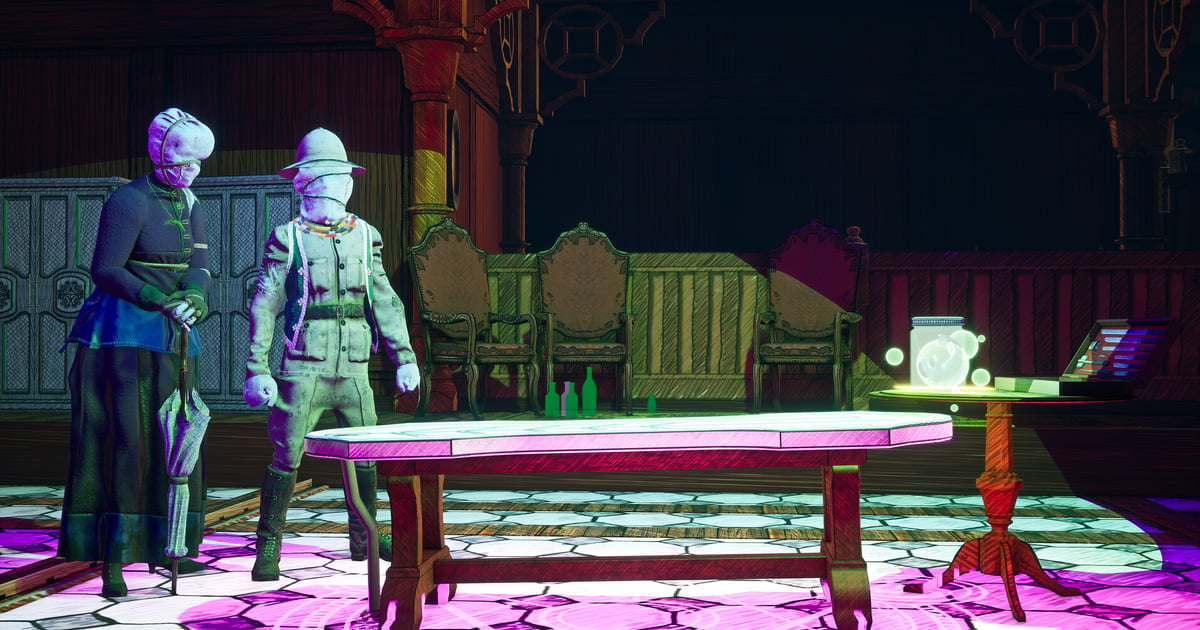
Shifting focus from large-scale productions to the vibrant, often resource-constrained world of independent game development, Marissa Koors, Narrative Editor at Ape Law LLC, offered insights from the indie perspective. In indie studios, it is common for individuals to wear multiple hats, with writers, editors, narrative designers, and developers frequently juggling numerous responsibilities. Koors’s presentation vividly illustrated the unique challenges faced when narrative structures become fractured over prolonged development cycles.
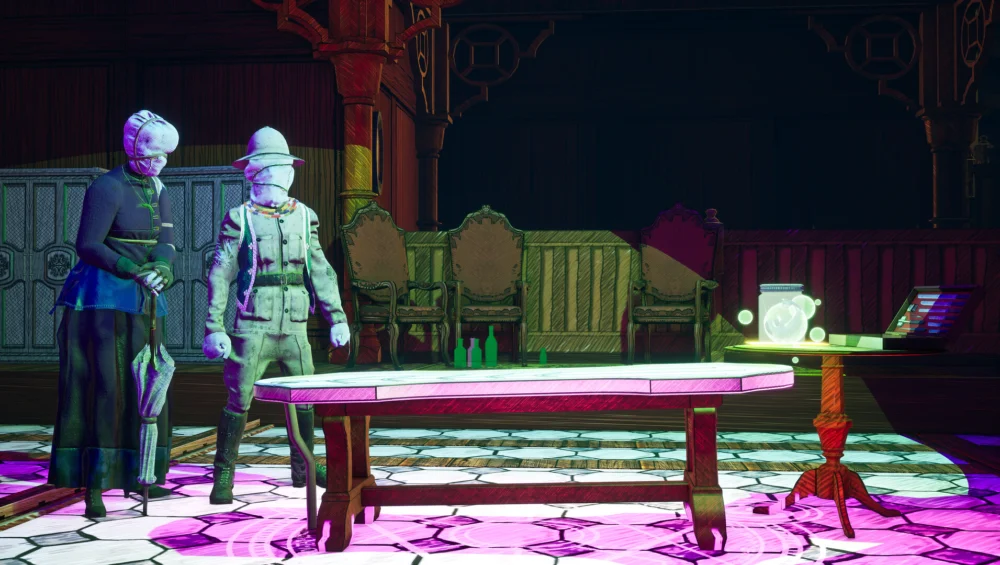
She used the horror title Alice’s Lullaby as a prime example. Koors joined the project as an editor after several years of development, a period marked by significant shifts in design and narrative direction. The cumulative effect of these changes had left the game’s story in a state of disarray. Crucially, the existing design document bore little resemblance to the actual game build she was provided, referencing characters and plot points that were wildly mismatched or entirely absent from the playable version.
To tackle this profound disconnect, Koors devised a meticulous "build autopsy." As she explained, "The design doc told me what the game used to be, the game itself told me what it was." Her process involved creating a "ghost content map," a detailed inventory where she tagged narrative elements based on their status: ‘exists in build,’ ‘referenced but missing,’ ‘needs first view knowledge,’ or ‘lore doc alone.’ This systematic approach transformed an overwhelming tangle of inconsistencies into a clear, actionable overview. "Suddenly, the creative director could see the narrative structure problems of the game at the same time as his more holistic birds-eye view of the story across installments," Koors stated. This made "invisible narrative dependencies visible," allowing the team to engage in a realistic discussion about what could realistically be shipped. Her thoughtful "surgery" on the story content and its presentation to players ultimately led to a game that resonated strongly with its audience, garnering positive reviews on platforms like Steam, with particular praise directed at its compelling narrative. This case study powerfully demonstrated how an editor’s structured approach can salvage and elevate a project, even when facing significant pre-existing narrative challenges.
The Art of the "Narrative Fixer"
The final segment of the session introduced Joshua Rubin, Narrative Director at Subversive Interactive Narrative, who offered a candid look into the role of a "narrative fixer." Qupping, "I’m the guy who shows up at 11 PM with duct tape," Rubin described his specialty: intervening in projects that are too far into development for major new content but desperately require serious story corrections. His role is often akin to a literary detective, tasked with bringing coherence to narratives under extreme pressure and tight deadlines.
Rubin shared four critical pieces of advice for late-stage narrative fixes, each illustrated with real-world examples:
- Cutting Exposition While Keeping Emotion: Many games suffer from overly verbose exposition. Rubin emphasized the skill of trimming unnecessary explanations without losing the emotional core or crucial information. This often involves embedding information within gameplay or character interactions rather than relying on lengthy dialogue dumps.
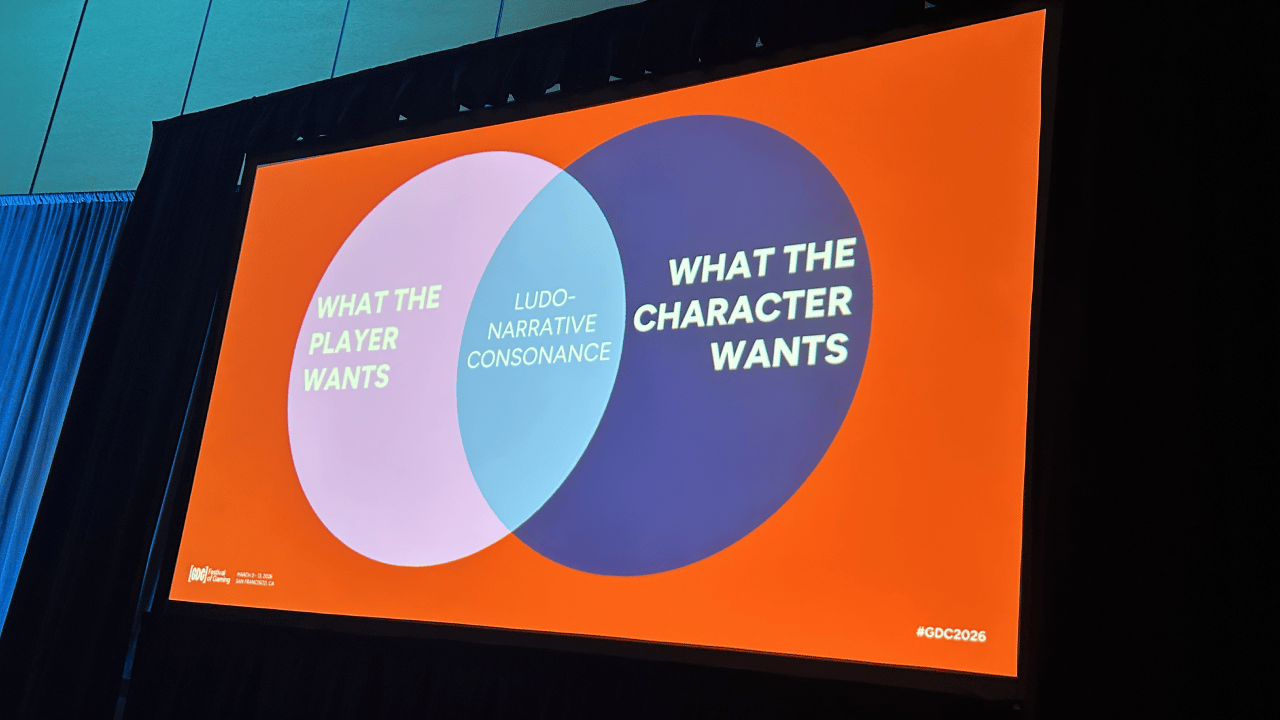
- Aligning Player and Character Motivations: A common narrative pitfall is when a player’s objectives diverge from their character’s motivations, creating a sense of dissonance. Rubin’s work involves re-aligning these, ensuring players feel genuinely invested in the character’s journey and choices.
- Injecting Curiosity: Good narratives keep players engaged by constantly prompting questions and fostering a desire to uncover more. Rubin focuses on strategically placing hooks and mysteries that drive player exploration and investment.
- Writing Backwards (Like a Detective Novel Writer!): When facing a chaotic narrative, Rubin often starts from the desired emotional or plot conclusion and works backward, identifying what information, events, and character beats are necessary to logically arrive at that point. This approach helps to impose structure and causality on a fragmented story.
"I am there to help the dev team say what they meant to say all along, but are too close to the project to see it," Rubin explained. He also candidly addressed the inherently political nature of a story fixer’s job, especially when entering a messy situation on a fraught project. "Half the job is making sure no one feels blamed," he stressed. "Because writing games is incredibly hard. It’s a balancing act of agency and story. It’s amazing when any of us get it right!" His insights underscored that effective narrative editing, particularly in a crisis, requires not only sharp analytical skills but also profound emotional intelligence and diplomatic prowess.
The Broader Industry Context: Narrative’s Growing Importance and AI’s Role
The collective message from "The Digital Red Pen" session highlights a critical juncture in the game development industry. As games become increasingly sophisticated, with sprawling open worlds, branching storylines, and complex character relationships, the demand for coherent, emotionally resonant narratives has skyrocketed. Player expectations for story quality in genres like RPGs, adventure games, and even competitive multiplayer titles with rich lore, have never been higher. A recent industry survey indicated that narrative quality is a top-three factor influencing purchase decisions for story-driven games, with positive reviews often citing compelling storytelling as a key differentiator.
The economic implications of neglecting narrative coherence are substantial. Late-stage narrative fixes, as described by Rubin, are inherently costly, both in terms of direct development expenses and the potential for missed release windows or negative critical reception. Investing in skilled human editors early in the development pipeline can significantly reduce these risks, ensuring a higher quality product and a better return on investment. While AI tools are rapidly evolving and finding applications in various aspects of game development – from asset generation to code optimization – the unique demands of narrative, particularly its reliance on human empathy, cultural understanding, and creative interpretation, continue to place it firmly in the human domain. The speakers’ consensus reflects a cautious but firm stance within the narrative design community: AI can be a powerful assistant for tasks like data analysis, initial draft generation, or identifying basic grammatical errors, but it cannot replicate the deep contextual understanding, emotional intelligence, and collaborative spirit that a human editor brings to a project.
Economic and Creative Implications for the Future
The insights from GDC’s narrative summit carry significant implications for the future of game development. For studios, the message is clear: investing in professional human narrative editors is not a luxury but a necessity for producing high-quality, commercially successful games in an increasingly competitive market. This investment translates into tangible benefits: reduced development costs through early issue detection, improved player satisfaction leading to stronger sales and brand loyalty, and a more streamlined development process that minimizes crunch and fosters creative synergy.
Creatively, the session reaffirmed the irreplaceable value of the human element in storytelling. The ability to discern emotional consistency, to understand and preserve a writer’s unique voice, to navigate the subtle interplay of character motivations, and to make judgment calls about what "errors" might actually enhance a piece, are all uniquely human capacities. As the industry continues to explore the potential of AI, the GDC Festival of Gaming’s narrative summit served as a potent reminder that at the heart of every great game story lies a profound human connection, meticulously crafted and refined by human hands and minds. The digital red pen, wielded by an experienced editor, remains an essential tool in shaping the immersive and memorable narratives that define the modern gaming landscape.
(Game Developer and GDC Festival of Gaming are sibling companies under Informa Festivals.)
About the Author