The landscape of personal computing is undergoing a significant transformation, moving beyond the traditional pursuit of raw processing speed to embrace a new frontier: miniaturization. What was once seen as a niche market for enthusiasts is now emerging as a dominant trend, with high-performance components increasingly packed into incredibly compact chassis. This shift signals a maturation of PC technology, where incremental gains in clock speed and core counts are being overshadowed by innovations in thermal management, component integration, and aesthetic design within drastically reduced footprints.
For years, PC upgrades often meant larger cases to accommodate more powerful, hotter components. However, recent observations from long-time builders indicate a change in priorities. A veteran PC builder, noting a significant gap since his last serious system upgrade in 2015 and retaining the same PC case since 2011, highlighted that the traditional "PC upgrade" experience has become "really boring." This sentiment underscores a broader industry trend where the focus is less on sheer performance leaps and more on how that power can be harnessed efficiently and elegantly in smaller form factors. The initiative required for a full system overhaul, even for seasoned enthusiasts, now takes years to materialize, reflecting a plateau in the excitement driven purely by raw computational power.
The Allure of Miniaturization: Power in a Smaller Footprint
The current innovation in personal computing is increasingly centered on maximizing power within minimum physical dimensions. This trend has popularized Small Form Factor (SFF) PCs, which are defined by their compact chassis designed to house standard, high-performance components. Builders are increasingly drawn to cases that challenge the conventional understanding of a desktop PC, opting for designs that are both powerful and unobtrusive.
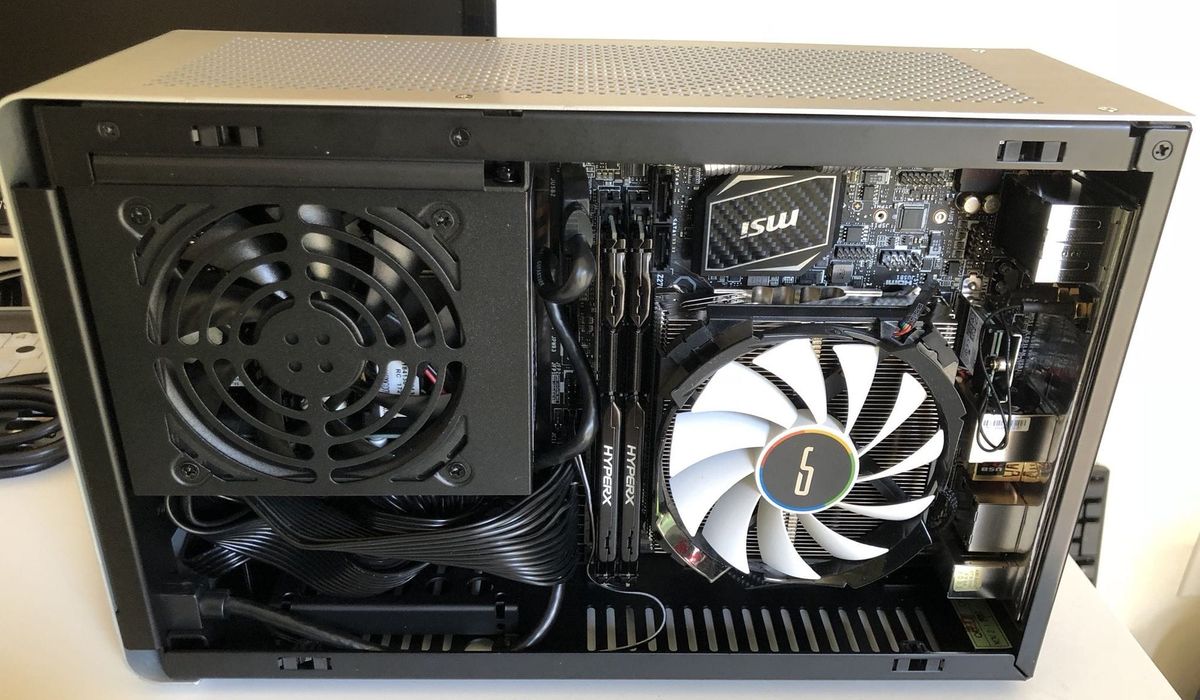
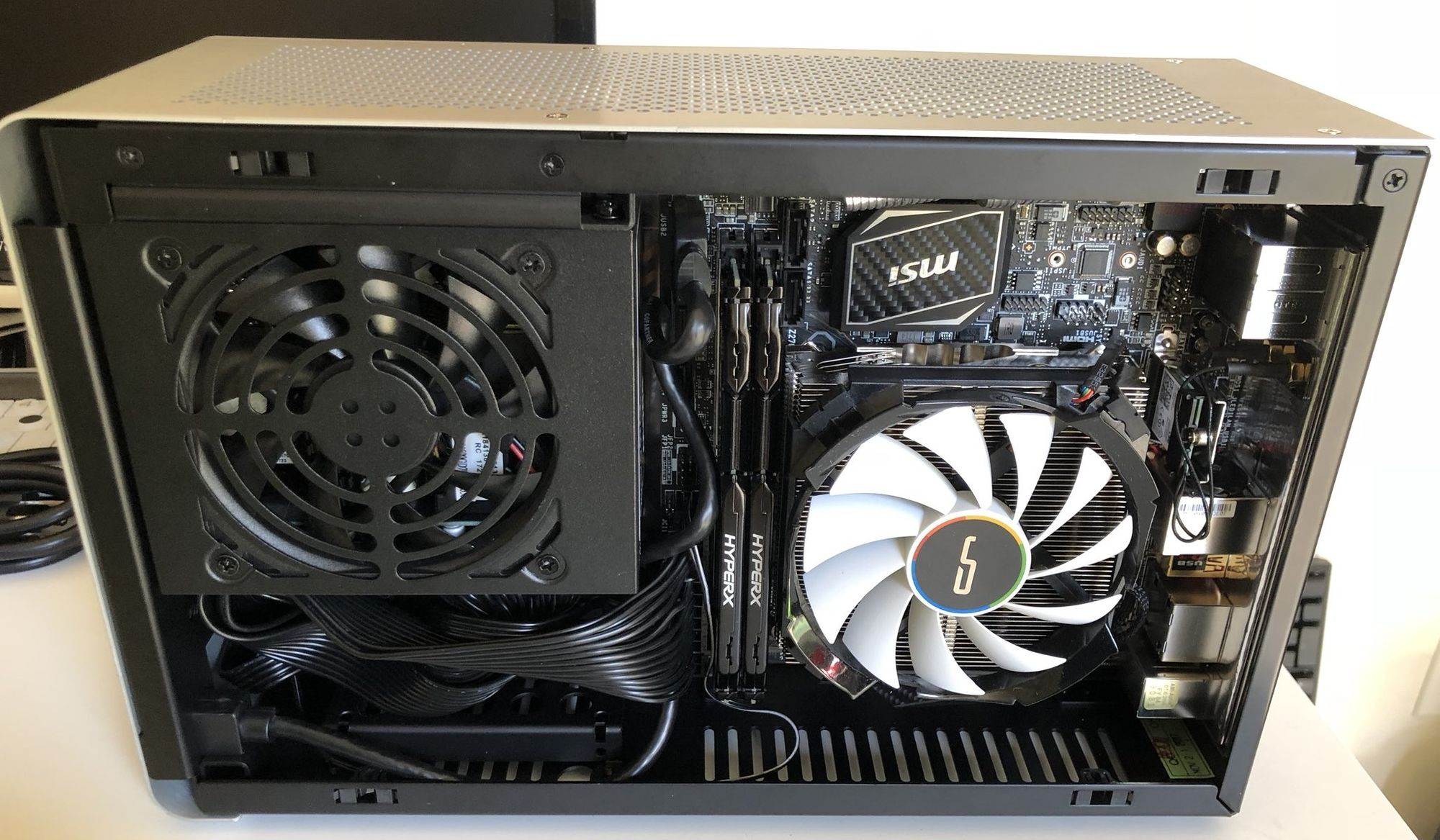
Among the leading examples of this new wave of SFF cases are the Dan A4 SFX and the Streacom DA2. The Dan A4 SFX is renowned for its extreme compactness, often considered the smallest possible standard mini-ITX system without requiring custom parts. Its design prioritizes minimal volume, making it an ideal choice for users who demand the absolute smallest footprint for a gaming or workstation PC. The Streacom DA2, while slightly larger, offers a different advantage: substantially more room for robust CPU cooling and additional fans, making it a strong contender for those pushing the limits of component performance within a constrained space.

Case Volume Comparisons and Efficiency
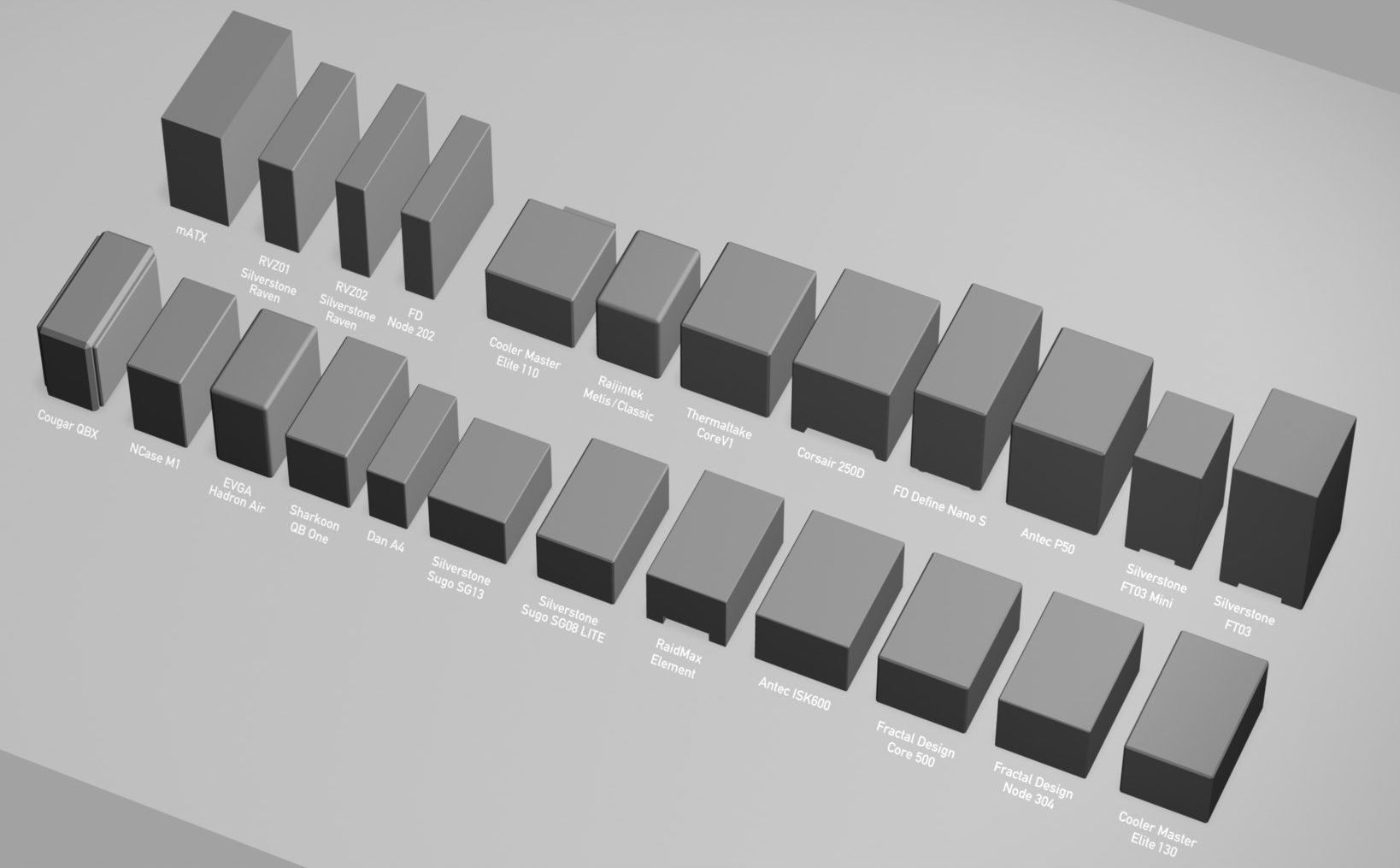
To illustrate the remarkable efficiency of these SFF designs, a comparison of case volumes reveals their groundbreaking nature:
- DAN A4-SFX: 200mm × 115mm × 317mm = 7.3 liters
- Silverstone RVZ02 / ML08: 380mm × 87mm × 370mm = 12.2 liters
- nCase M1: 240mm × 160mm × 328 mm = 12.6 liters
- Streacom DA2: 180mm × 286mm × 340mm = 17.5 liters
These volumes stand in stark contrast to earlier generations of desktop PCs, which often occupied 30-50 liters or more. Furthermore, comparing these SFF PCs to modern gaming consoles highlights their impressive power-to-volume ratio. A PlayStation 4 Pro, for instance, occupies 5.3 liters, and an Xbox One S measures 4.3 liters. An SFF PC like the Streacom DA2, at 17.5 liters, offers significantly more than double the computational power of these consoles, occupying only about 50% more volume. This efficiency represents a compelling value proposition for users seeking high-end performance without the spatial commitment of a traditional tower.
Evolution of PC Building: A Historical Perspective on Mini-ITX
The journey towards miniaturized, powerful PCs is rooted in the continuous evolution of computing hardware and architectural standards. The concept of the Small Form Factor PC began to gain traction with the introduction of the Mini-ITX motherboard standard by VIA Technologies in 2001. Initially, these boards were designed for low-power, fanless systems, primarily for embedded applications, industrial PCs, and home theater PCs (HTPCs). Their small 17×17 cm (6.7 × 6.7 inches) footprint was revolutionary but came with limitations in terms of power delivery and expansion capabilities, often relying on integrated graphics.
Over the next decade, advancements in component technology began to bridge this gap. The development of more efficient CPUs with lower thermal design power (TDP), the advent of compact yet powerful graphics cards (often with blower-style coolers), and the introduction of SFX (Small Form Factor) power supplies allowed for the integration of higher-performance components into smaller enclosures. The rise of solid-state drives (SSDs), particularly the M.2 form factor, further eliminated the need for bulky 2.5-inch or 3.5-inch drives, freeing up valuable internal space.
By the mid-2010s, the SFF community began to flourish, with a growing number of boutique case manufacturers specializing in designs that pushed the boundaries of compactness while maintaining compatibility with enthusiast-grade hardware. Cases like the NCASE M1 became iconic, demonstrating that high-end gaming and productivity systems could indeed fit into volumes previously unthinkable. This chronology highlights a steady progression from niche, low-power applications to mainstream high-performance computing, driven by relentless innovation in component miniaturization and thermal engineering.
Technical Challenges and Innovations in SFF Design
Building high-performance PCs in a small form factor presents unique engineering challenges, primarily centered around thermal management. Cramming powerful CPUs and GPUs into a confined space generates a significant amount of heat in a concentrated area, requiring innovative cooling solutions.
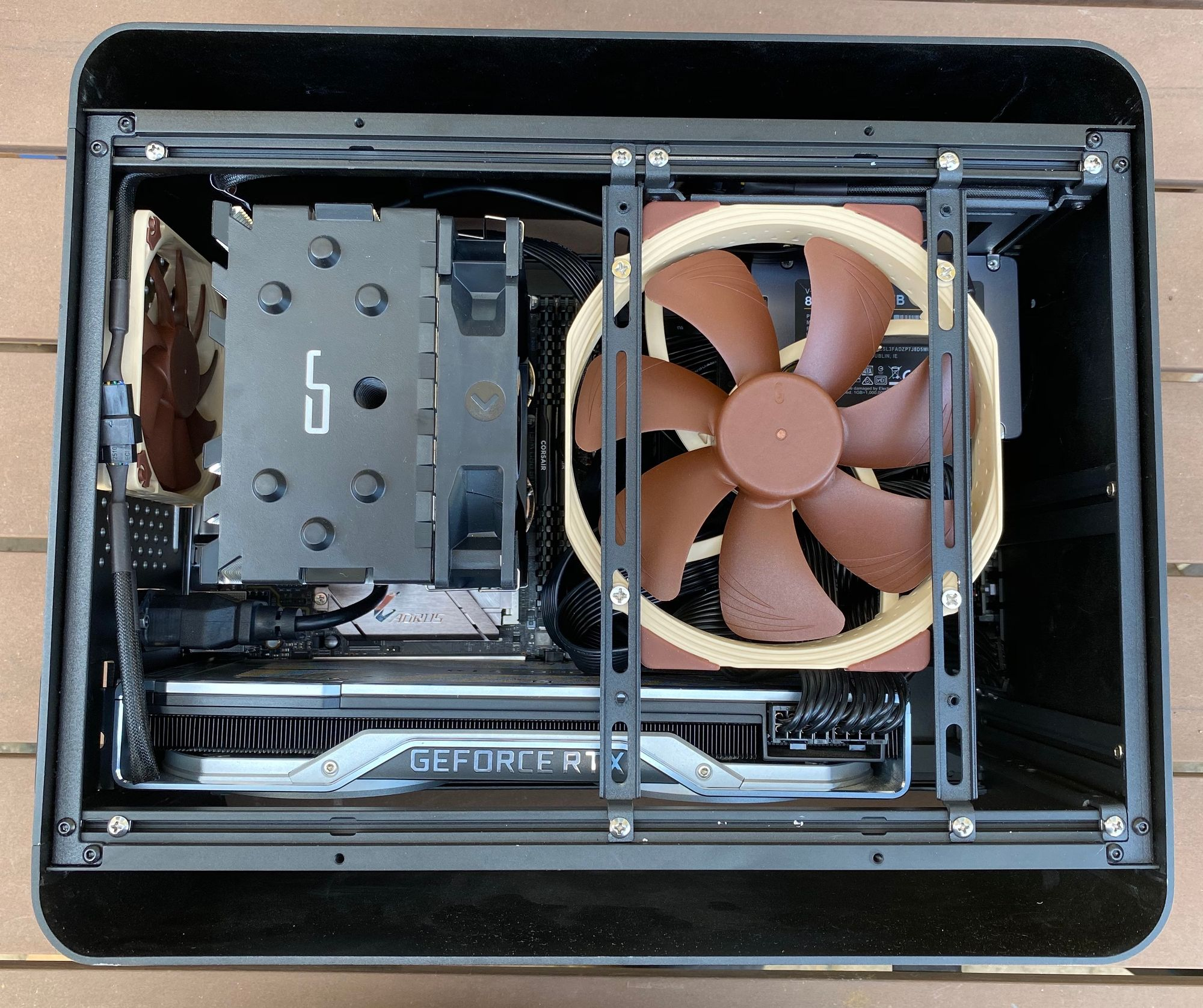
- Thermal Management: Heat density is the paramount concern. Unlike larger cases with ample airflow and space for multiple large fans or expansive liquid cooling radiators, SFF cases demand highly efficient and compact cooling. This has led to the development of specialized low-profile CPU coolers, compact all-in-one (AIO) liquid coolers, and graphics cards designed with efficient cooling solutions that fit within strict dimensional constraints. Effective airflow strategies, often involving positive or negative pressure setups within the small volume, become critical.
- Component Selection: Every component must be carefully chosen for its size and efficiency. This includes:
- Motherboards: Exclusively Mini-ITX, which pack all essential features into the smallest standard footprint.
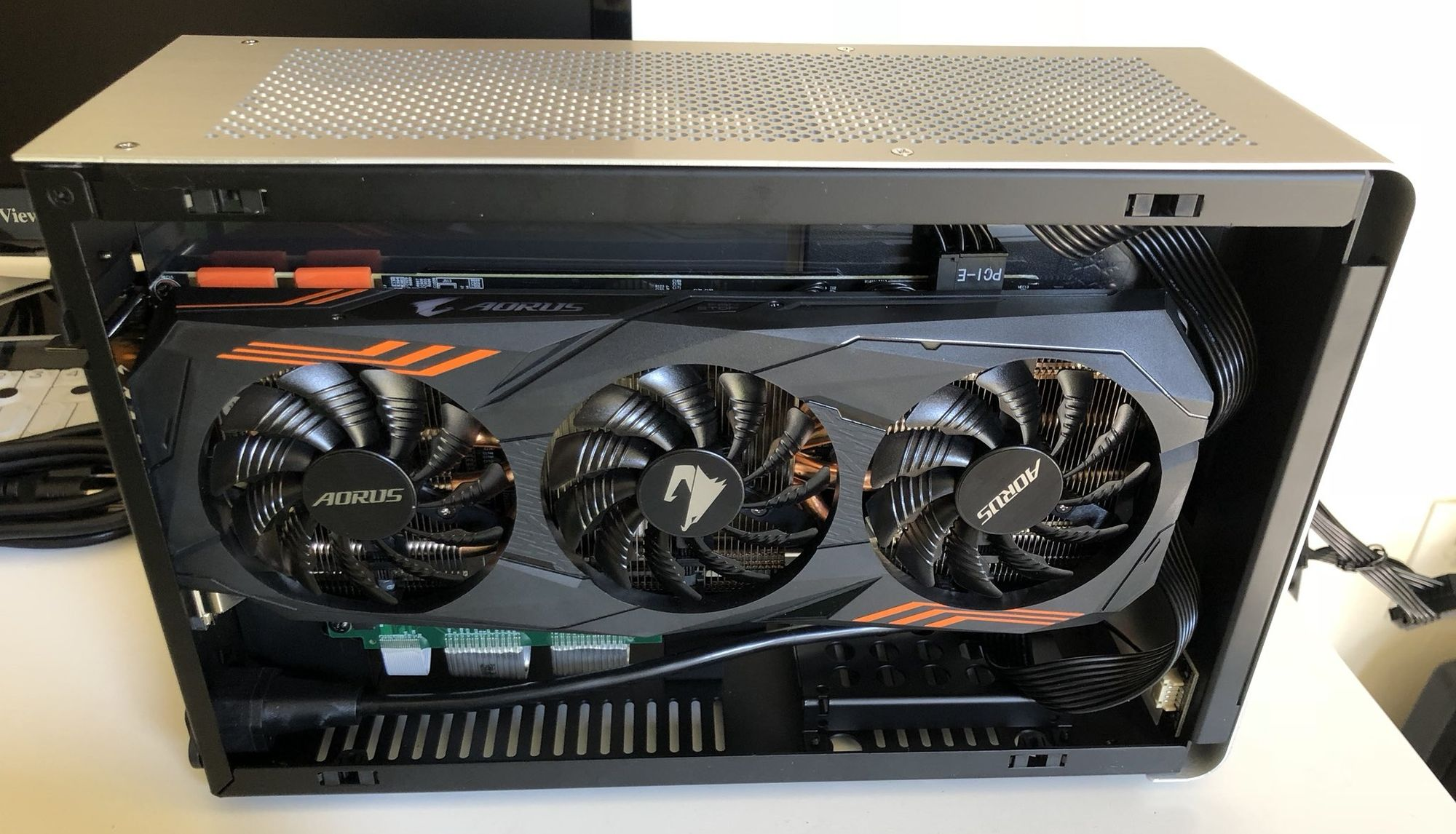
- Graphics Cards: Many manufacturers now offer "mini" or "ITX" versions of powerful GPUs, which are shorter to fit compact cases.
- Power Supplies: SFX and SFX-L power supplies are essential, offering high wattage in a compact form factor.
- Storage: M.2 NVMe SSDs are universally adopted, eliminating the need for bulky SATA drives and cables.
- Case Design: SFF case designers are at the forefront of innovation, creating modular interiors, unique airflow channels, and versatile mounting systems. The Streacom DA2, for example, employs a "hybrid open-air design" with versatile horizontal and vertical bracket systems, allowing builders to customize component placement for optimal airflow and cooling. This modularity is crucial for accommodating a wide range of components and cooling setups.
- Power Delivery: Modern SFX power supplies boast high efficiency ratings (e.g., 80 Plus Platinum), minimizing wasted energy as heat and delivering stable power to demanding components.
In-Depth Look at the Streacom DA2
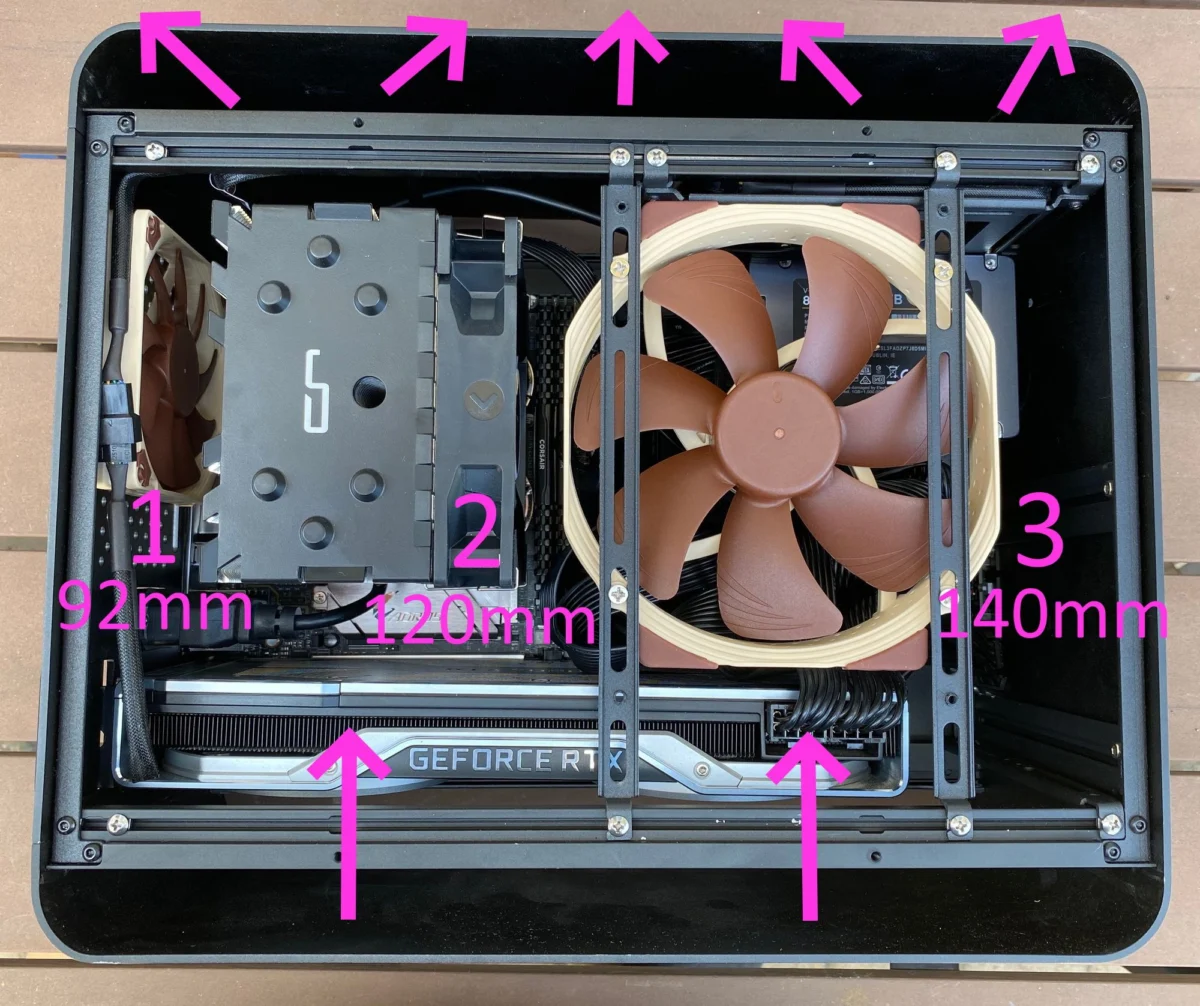
The Streacom DA2 exemplifies the cutting edge of SFF case design, offering a balance between compactness and thermal performance. Its appeal lies in its sophisticated internal structure and adaptable cooling options. The case features a hybrid open-air design at the top and bottom, complemented by an incredibly versatile internal bracket system. This system allows for components like power supplies, radiators, and fans to be mounted in various horizontal and vertical orientations, providing unparalleled flexibility for a case of its size. The captured nut and bolt design further simplifies manipulation, making the building process more accessible.
A critical discovery for optimizing the DA2’s thermal performance involves removing the top and bottom acrylic pieces that house the mesh dust nets. This modification significantly enhances airflow, resulting in "dramatically better temperatures" and making the build process easier by allowing the case to "fully breathe." Given the DA2’s solid front panel, maximizing airflow through the top and bottom becomes paramount for maintaining optimal component temperatures, especially when housing high-wattage CPUs and GPUs.
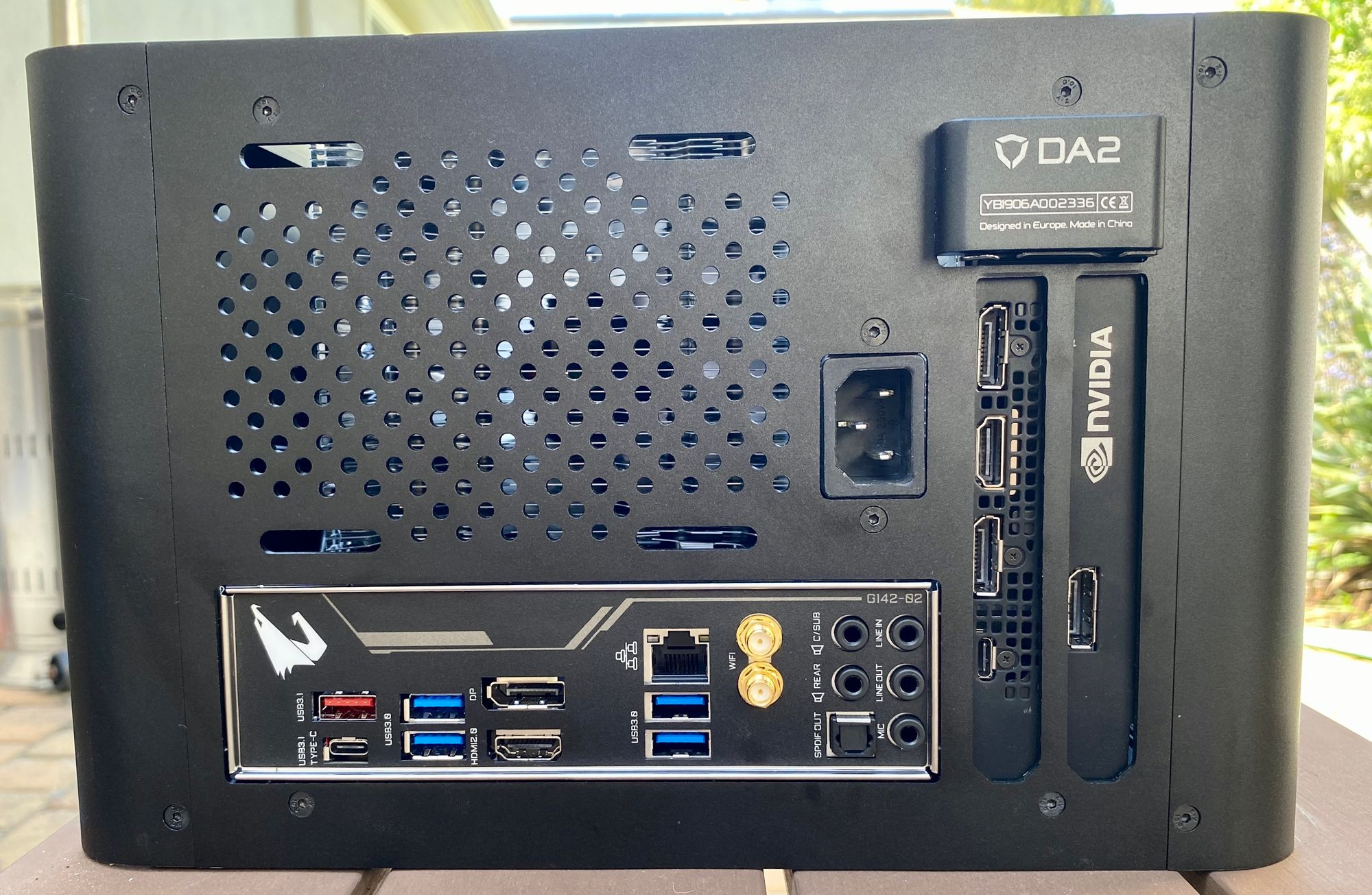
For optimal cooling in an air-cooled setup, a recommended configuration involves opening both the top and bottom for maximum airflow and utilizing three fans: one intake fan at the bottom, one exhaust fan at the top, and a CPU cooler fan. For those inclined towards liquid cooling, the 140mm space typically reserved for a fan can be repurposed for a radiator, although this comes with the inherent risks of fluid leaks, a concern for builders who have experienced such issues in the past. While the DA2, when properly configured, can pass rigorous burn-in tests, builders aiming for extended periods under full CPU and GPU loads might consider liquid cooling or slightly less powerful components to ensure long-term stability.
Component Specifications and Performance Gains
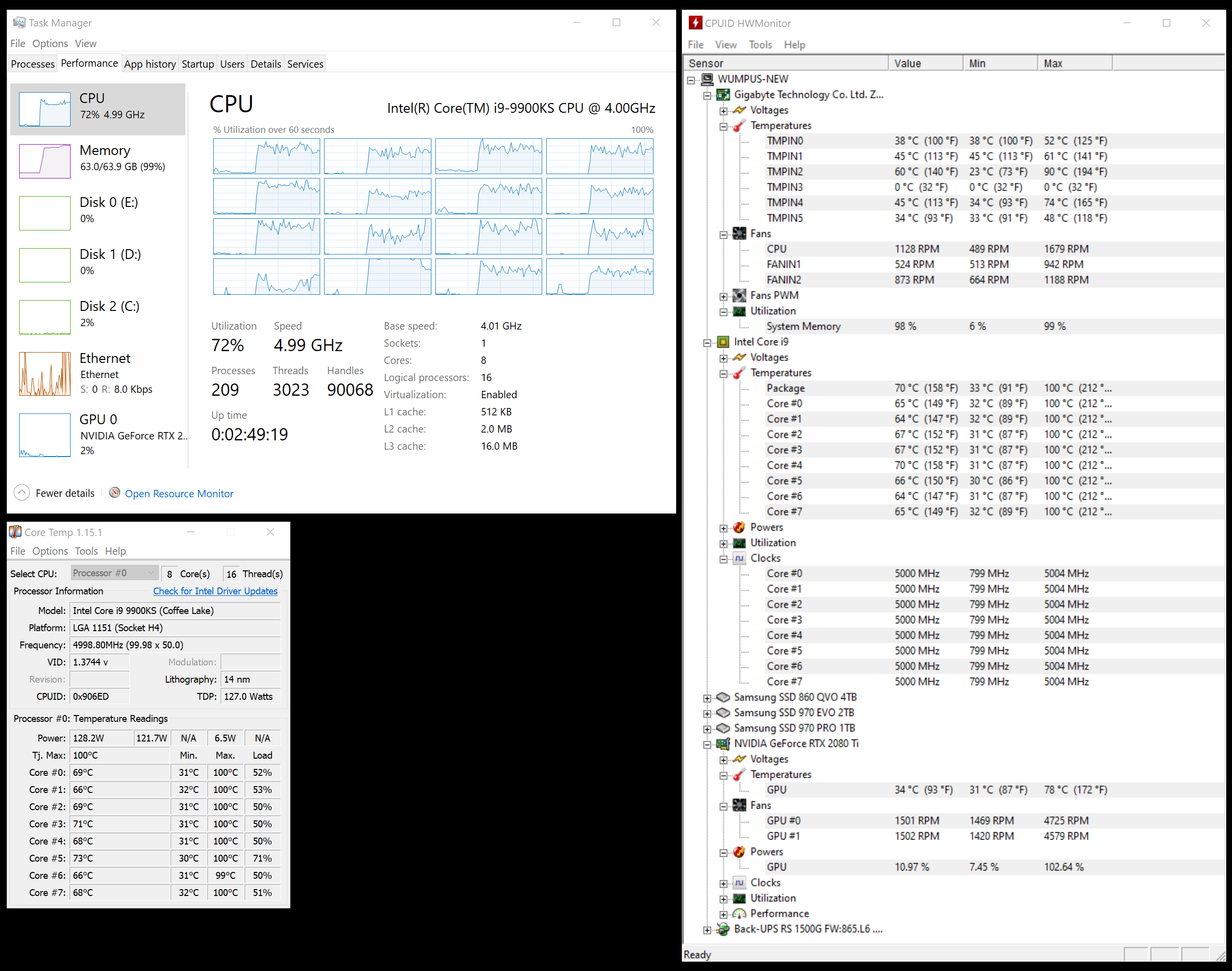
The transition to a modern SFF system, such as one built within the Streacom DA2, represents a substantial leap in computational capability. Compared to a system from 2015-2017, which might have featured a slightly overclocked Intel i7-7700K processor, a contemporary SFF build can offer double the core count, with each core benefiting from faster clock rates and improved Instructions Per Cycle (IPC). This translates to significantly enhanced multi-threaded performance, crucial for modern applications, gaming, and content creation.
Furthermore, a modern SFF system typically doubles the memory capacity, moving from 16GB or 32GB to 32GB or 64GB of high-speed DDR4 or DDR5 RAM, facilitating smoother multitasking and handling of memory-intensive tasks. The storage architecture also sees a significant upgrade, with the doubling of M.2 slots from one to two. This allows for multiple high-speed NVMe SSDs, providing unparalleled storage performance and capacity in a compact package. These advancements collectively deliver a "truly powerful system" that far surpasses the capabilities of previous generations, all while occupying a fraction of the physical space.
Industry Trends and Manufacturer Responses
The growing popularity of SFF PCs has not gone unnoticed by the wider hardware industry. Major manufacturers are increasingly catering to this segment with specialized products and greater support.
- Component Miniaturization: Intel and AMD continue to push for greater power efficiency in their CPUs, enabling higher performance within lower TDP envelopes, which is crucial for SFF thermal management. NVIDIA and AMD’s GPU divisions are also designing more efficient architectures, and partners are offering compact versions of their powerful graphics cards.
- Motherboard Innovation: Mini-ITX motherboard manufacturers are packing more features, robust power delivery, and advanced connectivity (e.g., Wi-Fi 6E, multiple M.2 slots, high-speed USB) into their small boards.
- PSU Development: The availability of high-wattage SFX and SFX-L power supplies from brands like Corsair, Cooler Master, and Seasonic has made it easier to power top-tier components in SFF builds.
- Case Ecosystem: The market for SFF cases has exploded, with a vibrant community of boutique designers and established brands offering a diverse range of aesthetic and functional choices, from minimalist designs to highly modular enclosures.
- Pre-Built SFF Systems: Even large PC manufacturers are beginning to offer pre-built SFF gaming and workstation PCs, acknowledging the mainstream appeal of compact, powerful systems.
Broader Implications and The Future of Personal Computing
The ascendancy of the Small Form Factor PC represents more than just a passing trend; it signifies a fundamental shift in how personal computers are perceived and integrated into daily life.
- Enhanced Consumer Choice: SFF PCs offer a compelling alternative for consumers who desire powerful hardware without the bulk of traditional tower PCs. This caters to a growing demographic living in smaller spaces or those who simply prefer a cleaner, less obtrusive setup.
- Aesthetic Integration: These compact systems can blend seamlessly into modern living and working environments, resembling sophisticated appliances rather than utilitarian boxes. This focus on design allows PCs to become part of the room’s decor, rather than being hidden away.
- Professional and Creative Use Cases: Compact workstations are invaluable for professionals in fields like video editing, 3D rendering, and graphic design, where high computational power is needed but desk space might be limited or portability to different workspaces is desired.
- Accessibility of DIY Building: Despite their compact nature, modern SFF systems are often easier to build than ever before, thanks to modular components and thoughtful case designs. Installing M.2 drives, memory, the CPU, and cooler on the motherboard often constitutes the majority of the build process, simplifying what was once a daunting task for many.
- Shifting Innovation Focus: The primary innovation in PC building for the foreseeable future appears to be centered on packing immense power into increasingly smaller volumes. The benchmark of "less than 20 liters of space" has become a key driver for manufacturers and designers, pushing the boundaries of engineering to achieve thermal efficiency and component density.
In conclusion, the era of "really boring" PC upgrades focused solely on marginal speed increases is giving way to an exciting new chapter defined by ingenuity in miniaturization. Small Form Factor PCs are no longer a niche for a select few but a mainstream movement reshaping the future of personal computing, demonstrating that the pinnacle of performance can indeed be achieved in the most elegant and compact designs.
About the Author