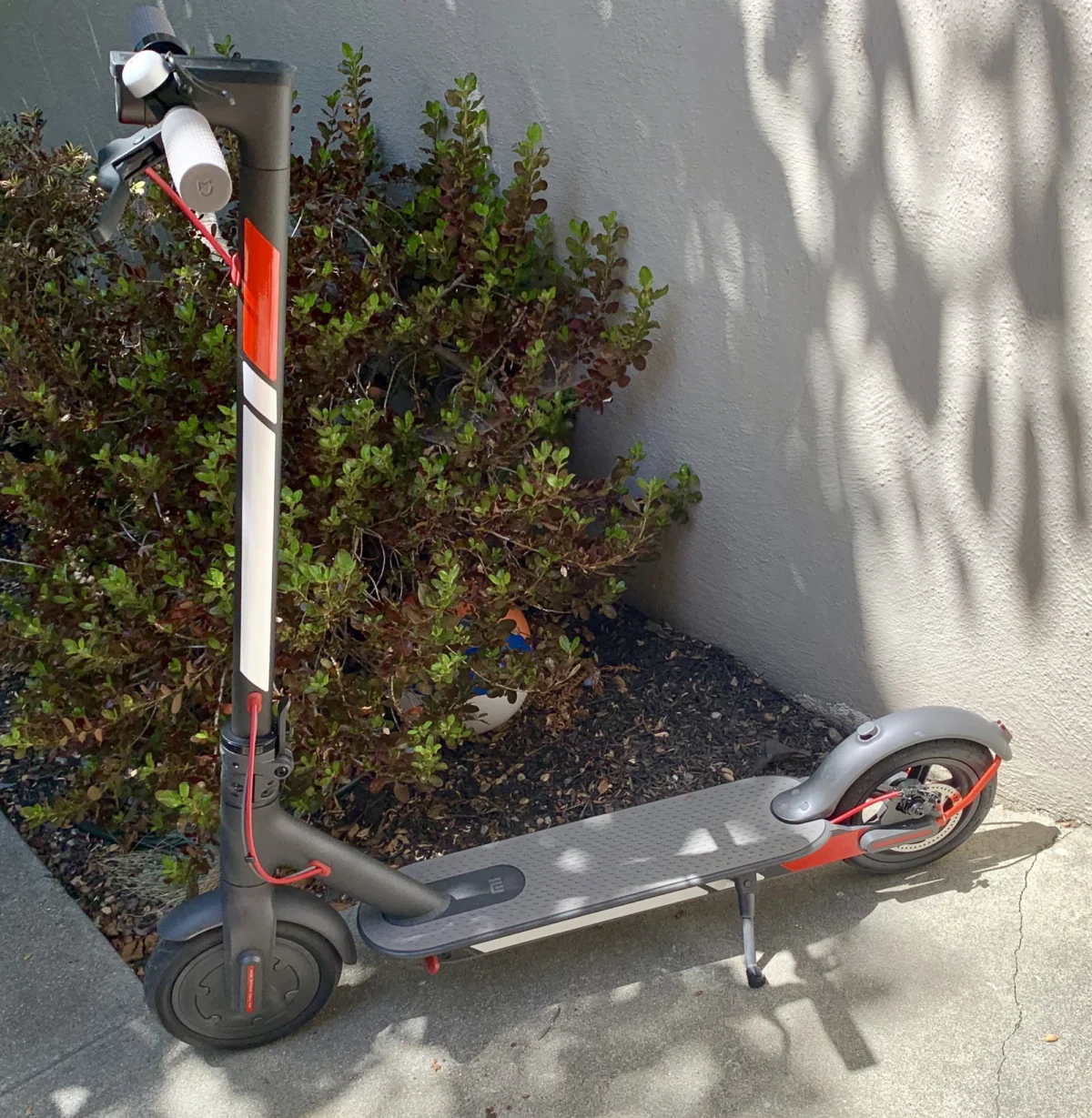
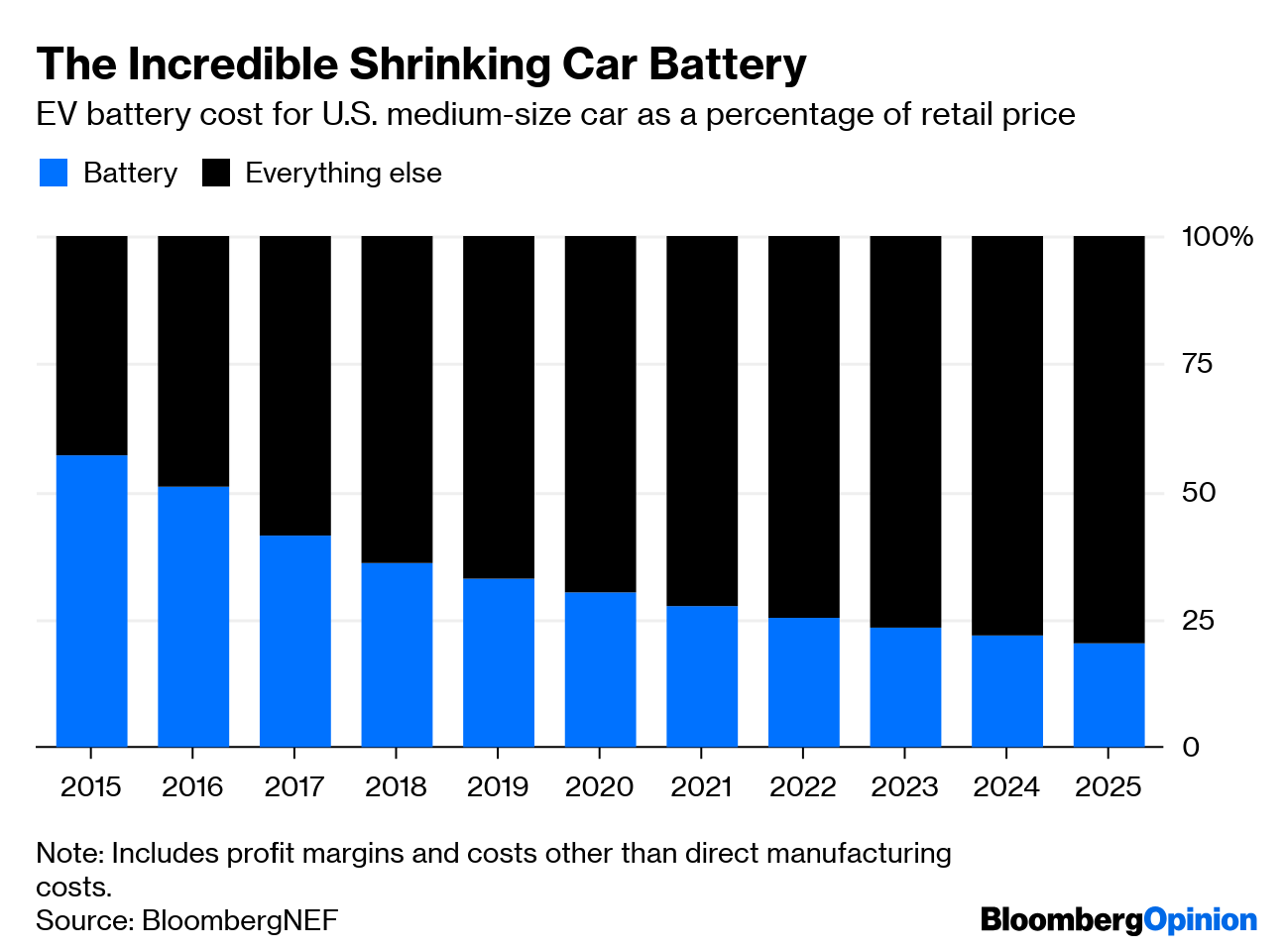
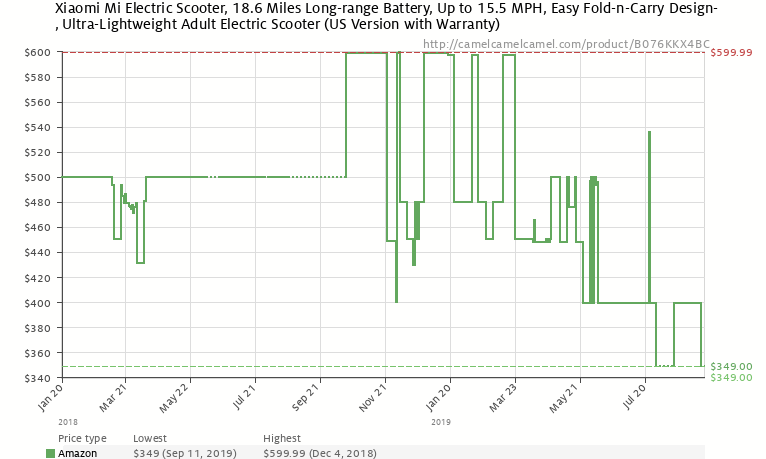
The rapid decrease in the price of electric scooters, particularly popular models like the Xiaomi Mi M365, from approximately $800 in early 2017 to around $300 by 2019, underscores a fundamental shift in the economics of personal electric transportation. This trend is not isolated but mirrors broader patterns observed in the electric car market, where the substantial battery component is a primary determinant of the final vehicle cost. As electric car prices continue their downward trajectory, it is directly attributable to the shrinking cost of lithium-ion (Li-ion) battery packs, a technology that has reached maturity and economies of scale. Unlike the relatively stable manufacturing costs of traditional car components such as rubber, aluminum, glass, and steel, battery technology has experienced an unprecedented cost curve decline, making electric mobility increasingly accessible.

The Battery Revolution: Fueling Affordable Electric Mobility
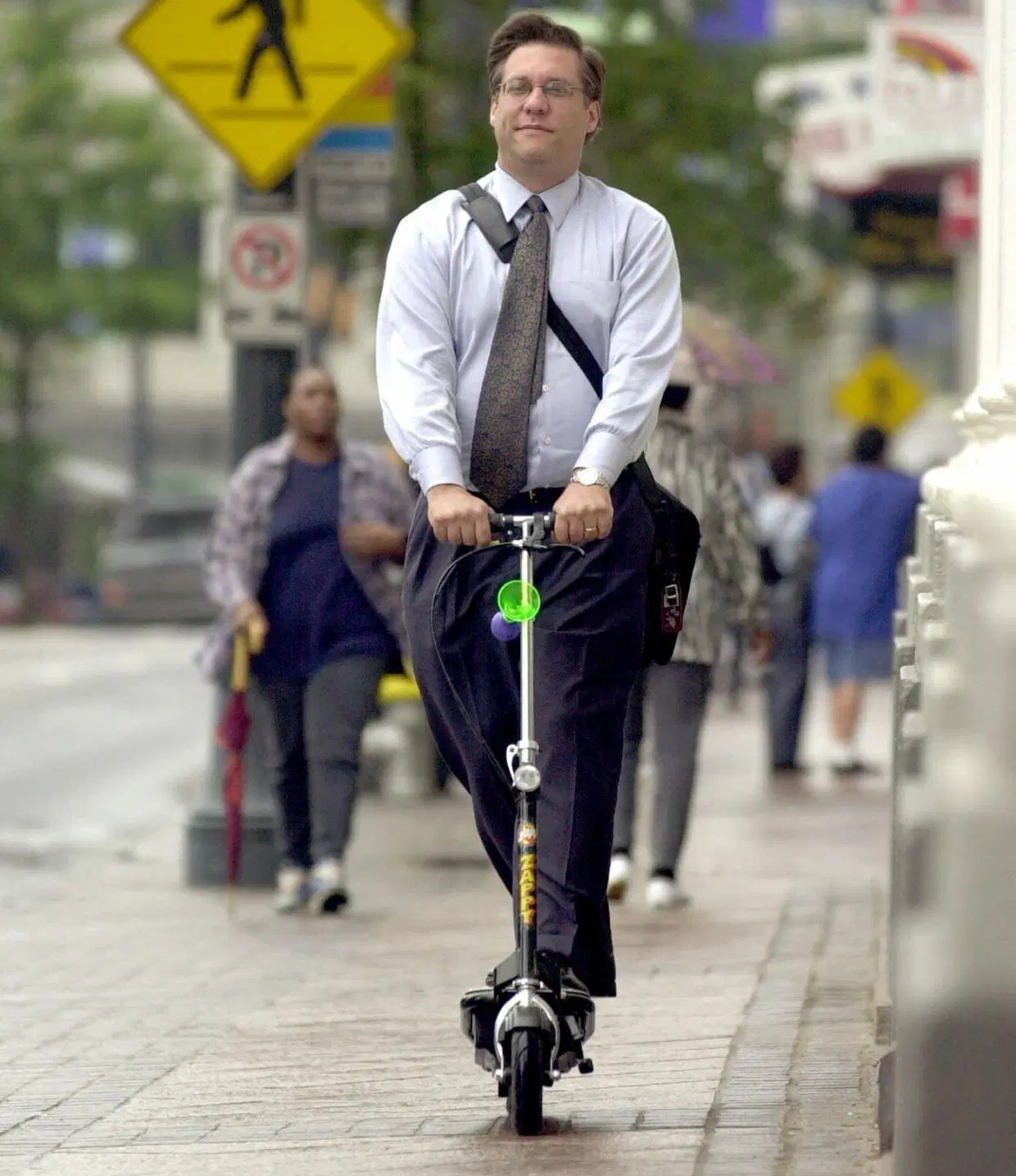
The evolution of battery technology stands as the singular most critical factor enabling the current boom in electric vehicles, from cars to scooters and beyond. For decades, the promise of electric transportation was hampered by the limitations of lead-acid batteries. These older power sources were notoriously heavy, offered insufficient power output, provided meager range, and required lengthy charging times—collectively rendering early electric vehicles, such as the Zappy electric scooter of twenty years ago or the electric cars of the early 2000s, largely impractical and commercially unsuccessful. The core issue was always the battery: its inefficiency, bulk, and prohibitive cost.
The advent and maturation of lithium-ion battery technology fundamentally altered this landscape. Developed in the 1970s and commercialized in the early 1990s, Li-ion batteries offer significantly higher energy density, longer cycle life, and faster charging capabilities compared to their lead-acid predecessors. Critically, manufacturing innovations, increased production scale, and intense competition have driven down the cost of Li-ion battery packs at an astonishing rate. According to BloombergNEF, the average price of a lithium-ion battery pack has plummeted by more than 89% over the past decade, from over $1,100 per kilowatt-hour (kWh) in 2010 to around $132/kWh in 2023. This exponential cost reduction has been the primary enabler for the economic viability of modern electric vehicles, transforming them from niche products into mainstream contenders.

For lightweight, compact machines like electric scooters, the impact of this battery cost reduction is even more pronounced. Scooters are, at their essence, little more than a battery, an electric motor, and a basic frame. The battery often represents a disproportionately large percentage of the total manufacturing cost. Therefore, any significant drop in battery prices directly translates into a dramatic reduction in the final retail price of the scooter, making them affordable for a mass market.
The Rise of the Electric Scooter Market and the Xiaomi M365 Case Study
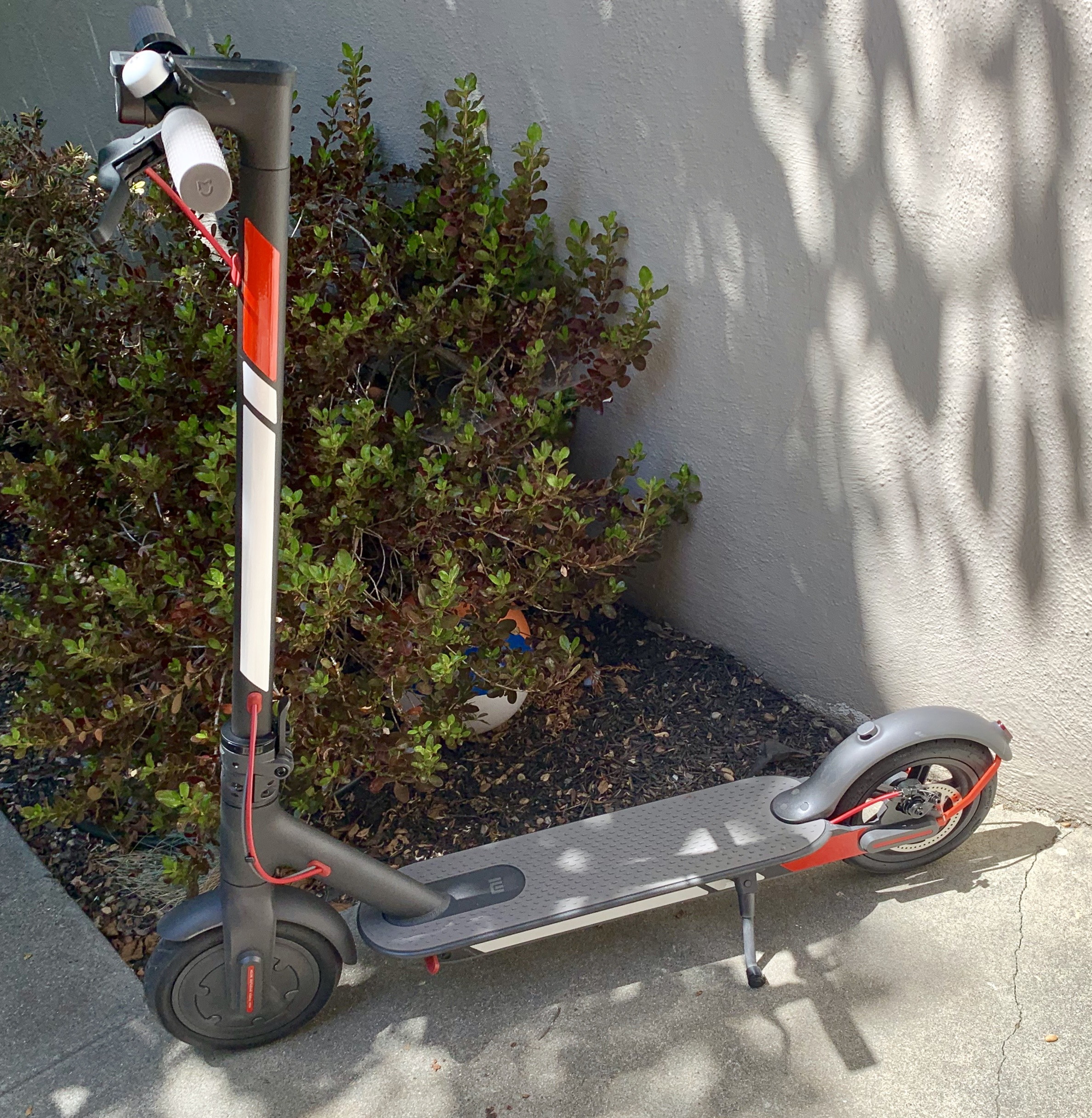
The period between 2016 and 2019 marked a pivotal era for electric scooters, witnessing both a dramatic price drop in consumer models and the explosive, albeit sometimes controversial, growth of the shared electric scooter rental industry. The Xiaomi Mi M365 emerged as a flagship product during this time, serving as a benchmark for affordability, reliability, and widespread appeal. When it first entered the U.S. market in early 2017, the M365 was priced around $800. Within three years, its price had halved, becoming available for approximately $300. This rapid price depreciation for a popular, well-regarded model is a clear indicator of the underlying economic shifts driven by battery cost reductions and increasing market competition.
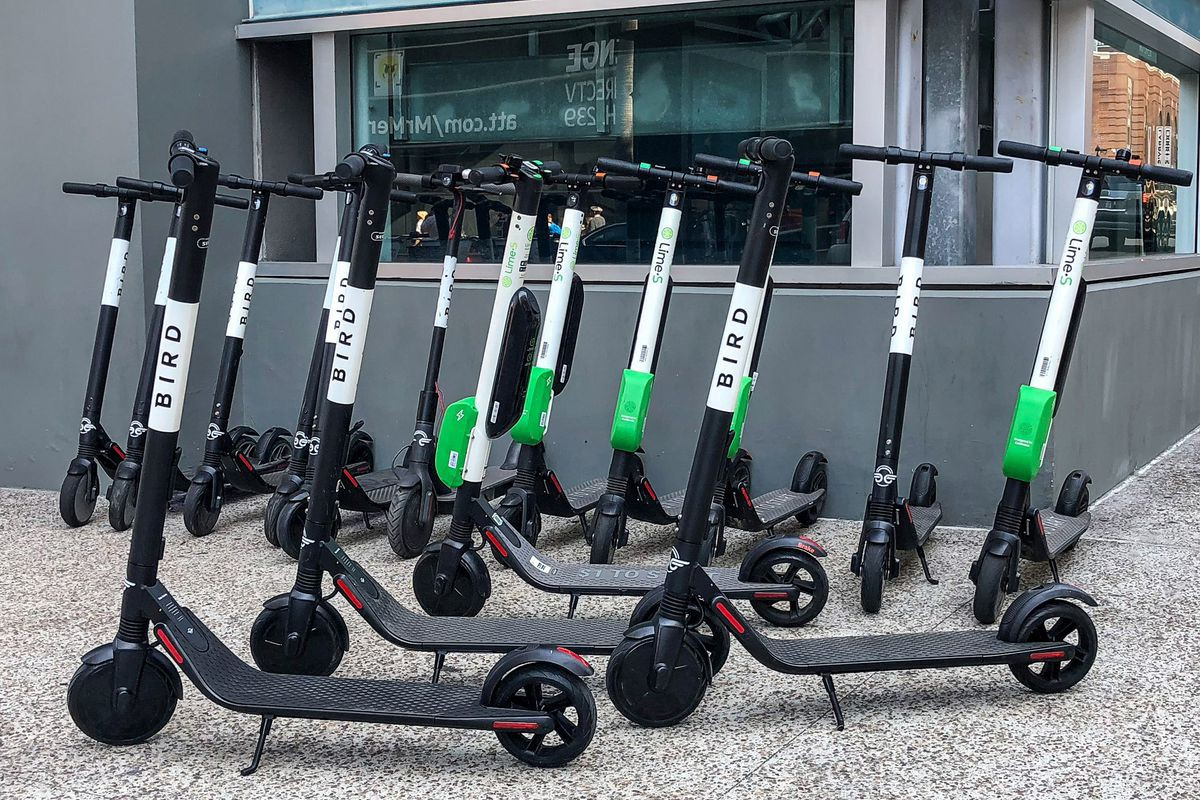
The parallel rise of smartphone app-based rental companies such as Bird, Lime, Skip, Spin, and Scoot significantly contributed to the public’s exposure to electric scooters. Early iterations of these rental fleets frequently utilized slightly modified Xiaomi M365 scooters, demonstrating the model’s robustness and suitability for urban use. By late 2018, many of these rental companies had begun to transition to custom-built, ruggedized scooters designed specifically to withstand the rigors of a shared economy, including enhanced durability, GPS tracking, and anti-theft measures.
While the shared scooter industry faced its own set of business model challenges—including high rates of vandalism, operational complexities, and difficulties in achieving profitability with a per-minute rental structure—their presence undeniably popularized electric scooters and introduced them to millions of users. This exposure, coupled with declining purchase costs, spurred the growth of the personal ownership market. Some rental companies even began to pivot towards monthly subscription models, such as Bird’s $25-per-month program for a Xiaomi M365 in select cities, highlighting the growing demand for longer-term access to these devices.
Regulatory Labyrinth: Navigating Urban Integration
Despite their growing popularity and potential to revolutionize urban travel, electric scooters present significant regulatory challenges for local governments worldwide. The absence of consistent and clear legal frameworks often creates a complex and sometimes contradictory environment for riders and operators alike. Laws vary wildly from one jurisdiction to another, often lacking apparent logic or uniformity.
In many regions, regulatory bodies struggle to categorize electric scooters, debating whether they should be treated similarly to bicycles, motorcycles, or pedestrians. This ambiguity leads to a patchwork of regulations concerning speed limits, age restrictions, helmet laws, and permissible areas of operation (e.g., roads, bike lanes, sidewalks). For instance, some jurisdictions, like California, have implemented laws that require electric scooter riders to possess a valid driver’s license—a restriction often deemed onerous and unnecessary, especially when compared to electric bicycles, which typically do not carry such a requirement. The prohibition of electric scooters on sidewalks is another common regulation, often enacted in response to safety concerns regarding collisions with pedestrians.
One aspect of regulation that frequently garners broad consensus, however, is the establishment of a speed limit. A maximum speed restriction of 15 miles per hour (approximately 24 km/h) is widely considered a safe and appropriate top speed for an adult riding a standing scooter without specialized safety gear. Speeds exceeding this threshold can rapidly become uncomfortable and dangerous, particularly in urban environments with varied terrain, traffic, and pedestrian activity. Yet, the market also offers high-performance electric scooters, such as models boasting dual motors and capable of reaching speeds of 40 miles per hour or more. While these vehicles cater to a niche market seeking higher performance, their existence underscores the regulatory dilemma: how to classify and control devices that blur the lines between recreational transport and full-fledged personal vehicles, often without corresponding safety equipment or licensing requirements.
The lack of uniform regulation creates uncertainty for consumers and businesses alike, hindering the full potential of electric scooters as a cohesive component of urban transportation networks. Advocates for micro-mobility often call for a more consistent, forward-thinking regulatory approach that balances safety concerns with the undeniable benefits of these low-emission, space-efficient vehicles.
Beyond the Scooter: Broader Implications for Urban Transportation
The rise of affordable electric scooters transcends mere novelty; it signals a fundamental shift in how urban populations approach transportation, offering profound implications for city planning, environmental sustainability, and the broader economy.
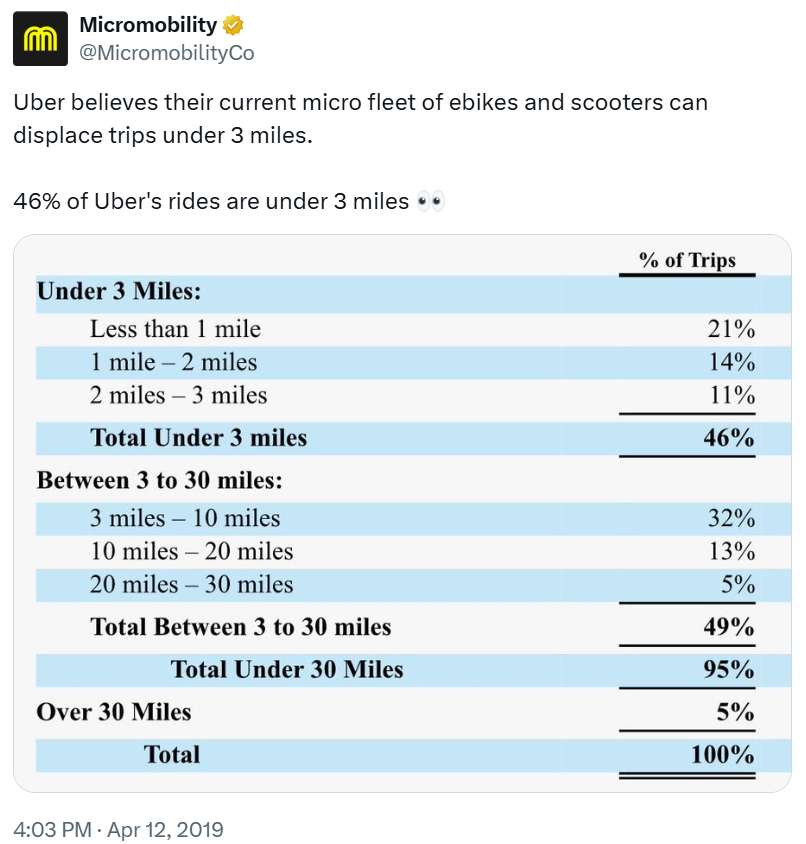
One of the most significant implications is the scooter’s role as a "last-mile" solution. Many urban dwellers face the challenge of covering the final short distance between public transit hubs and their ultimate destination. This "last mile" is often too far to walk comfortably but too short or inconvenient for a car. Electric scooters fill this gap perfectly, offering a quick, efficient, and environmentally friendly alternative that integrates seamlessly with existing public transportation networks. Major transportation companies, including Uber, have recognized this potential. Uber’s own data indicates that a substantial portion of its car trips—approximately 46%—are under three miles. This insight has led Uber to strategically invest in micro-mobility fleets of e-bikes and scooters, acknowledging that cars are often "overkill" for these shorter, localized transportation needs.
Environmentally, the widespread adoption of electric scooters contributes to reduced carbon emissions and improved air quality in urban centers. By displacing short car trips, even partially, scooters help mitigate traffic congestion and decrease reliance on fossil fuels. Their minimal energy consumption compared to traditional vehicles also aligns with global efforts towards sustainable urban living.
Economically, the micro-mobility sector has spurred job creation in manufacturing, maintenance, and fleet management for rental services. For consumers, the affordability of personal electric scooters represents a new category of discretionary spending on transportation that was previously out of reach or not viable. The technological advancements also continue, with personal scooters now featuring Bluetooth connectivity, companion apps, and even hackable firmware, highlighting their inherent digital nature and potential for further integration into smart city ecosystems.
The current electric scooter phenomenon also offers a stark contrast to the infamous Segway debacle of the early 2000s. Launched with immense hype and promises to "change the world," the Segway Personal Transporter ultimately failed to gain widespread adoption, largely due to its exorbitant launch price of $5,000 (equivalent to over $7,200 today), its bulky design, and its somewhat awkward public image (epitomized by "Paul Blart: Mall Cop"). The Segway’s failure was, in essence, a premature attempt at personal electric transportation, hindered by the then-immature battery technology and an unready market. Today’s electric scooters, available for a fraction of the cost, are delivering on the transformational promise that the Segway once held, providing a practical, affordable, and enjoyable mode of transport for the masses.
The future of micro-mobility appears robust, with ongoing innovation in battery technology (e.g., solid-state batteries promising even greater energy density and faster charging), motor efficiency, and design diversification. From luxury models and ultralight commuters to rugged off-road variants, the market is catering to an increasingly diverse set of consumer needs and preferences. While challenges remain, particularly in harmonizing regulatory frameworks and ensuring rider safety, the trajectory indicates that electric scooters, alongside other forms of micro-mobility like e-bikes, are poised to play an increasingly central role in reshaping urban landscapes and providing efficient, sustainable, and enjoyable transportation options for the 21st century.
About the Author