At the GDC Festival of Gaming 2026, a prominent industry event renowned for its deep dives into game design and development, Hannes Gille, a distinguished level designer, captivated attendees with a candid and insightful presentation on the intricate creation of the final stage of 2025’s cooperative hit, Split Fiction. Before delving into the specifics of this highly praised level, Gille issued a playful but earnest spoiler warning, acknowledging the significant impact of the game’s climactic conclusion. This article mirrors that cautionary note, preparing readers for an in-depth exploration of the unique design philosophies and challenges behind Split Fiction‘s innovative finale.
The Genesis of a Revolutionary Concept: Two Worlds, One Experience
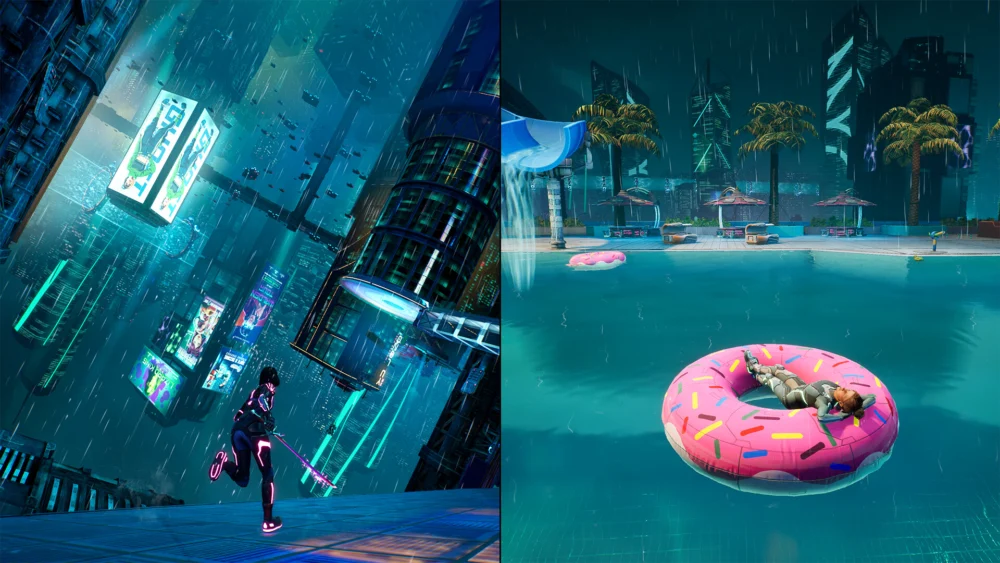
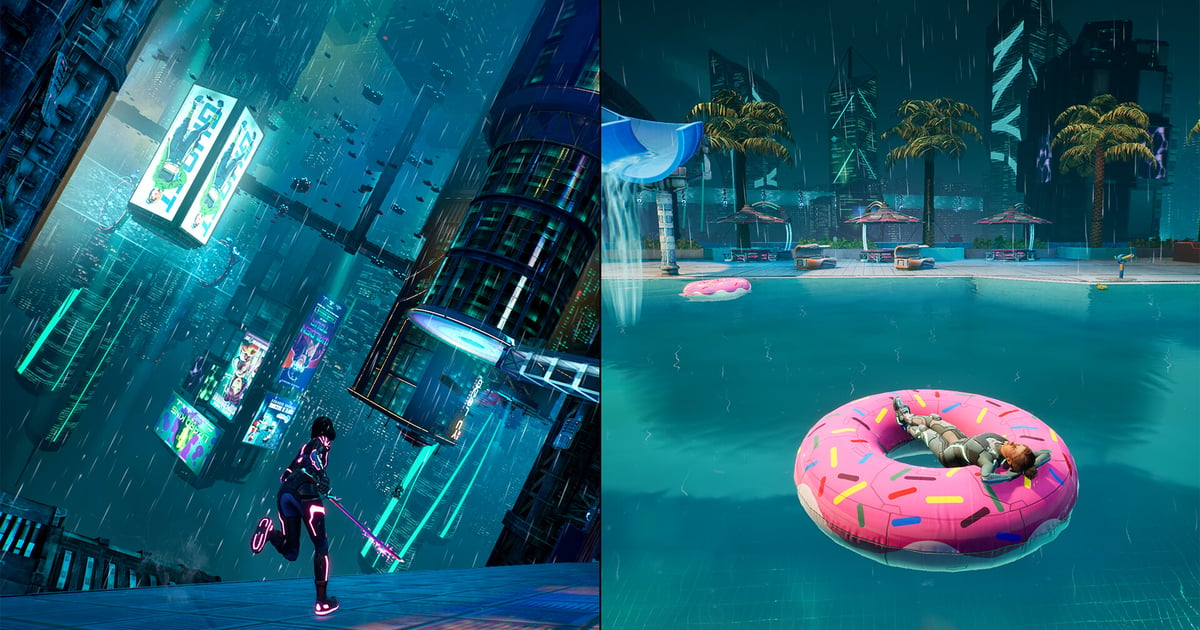
Split Fiction, throughout its acclaimed run, is fundamentally built around a split-screen co-op adventure, where two players navigate distinct yet interconnected worlds. The game’s narrative and aesthetic journey alternates between a technologically advanced sci-fi realm and a vibrant, fantastical wonderland. However, it is in the game’s final level where this core concept is elevated to an unprecedented degree. Here, both players are thrust into mirror universe versions of the same stage simultaneously. One player experiences the world through a sci-fi lens, replete with futuristic machinery and stark metallic landscapes, while their partner perceives the identical environment as a high fantasy tableau, adorned with ancient ruins, mystical flora, and ethereal glow.
The brilliance of this design lies in its inherent challenge and collaborative necessity. Players are tasked with progressing through this bifurcated world by working together, a mechanic central to Split Fiction‘s entire design ethos. Yet, the final level introduces a major twist: certain objects, environmental properties, and interactive elements manifest drastically differently across these two parallel views. A metallic gate in the sci-fi world might be a magical barrier in the fantasy realm; a robotic arm for one player could be a carnivorous plant for the other. This demands a heightened level of communication, observation, and mutual understanding, pushing the boundaries of co-operative gameplay.
Gille’s presentation at GDC Festival of Gaming 2026, an event traditionally hosted in major gaming hubs and celebrated for its focus on emerging trends and post-mortems, offered attendees a rare glimpse into the development crucible. He unveiled a series of early prototypes, tracing the evolutionary path of Split Fiction‘s initial vision. The earliest concept for the game, he revealed, was even more ambitious: to apply this "two worlds, one stage" mechanic across the entire game. This initial aspiration envisioned players utilizing a "portal" mechanic to seamlessly transfer objects or manipulate elements between their distinct realities, creating a persistent, interwoven puzzle-solving experience.
Strategic Scope Management: From Full Game to Climactic Finale
The development team, during the prototyping phase, soon encountered significant hurdles that compelled them to reassess this expansive vision. The challenges were multi-faceted, encompassing both artistic and design domains. "It was especially challenging for the artists," Gille explained during his talk. "They’d basically have to art two games, instead of one. It was actually a little trickier than that, since the art of the two worlds had to align with each other with a high degree of precision." This wasn’t merely about creating two distinct art sets; it involved ensuring that the spatial relationships, interactive points, and thematic parallels between the sci-fi and fantasy versions of every single asset and environment were meticulously synchronized. A bridge in one world had to correspond perfectly to a bridge in the other, even if its material and visual style were radically different. This placed an immense strain on asset creation pipelines, texture artists, modelers, and environmental designers, effectively doubling the artistic workload while simultaneously introducing complex alignment constraints.
From a design perspective, the ambition of sustaining a shared experience where players consistently saw different things for the entirety of a game presented its own formidable set of obstacles. The risk of player disconnection, where partners might feel isolated by their unique visual information rather than collaboratively engaged, was a significant concern. Crafting puzzles that remained engaging and solvable for two players seeing fundamentally different realities across dozens of hours of gameplay proved exceptionally difficult to scale. The cognitive load on players, and the potential for frustration if communication broke down, was high.
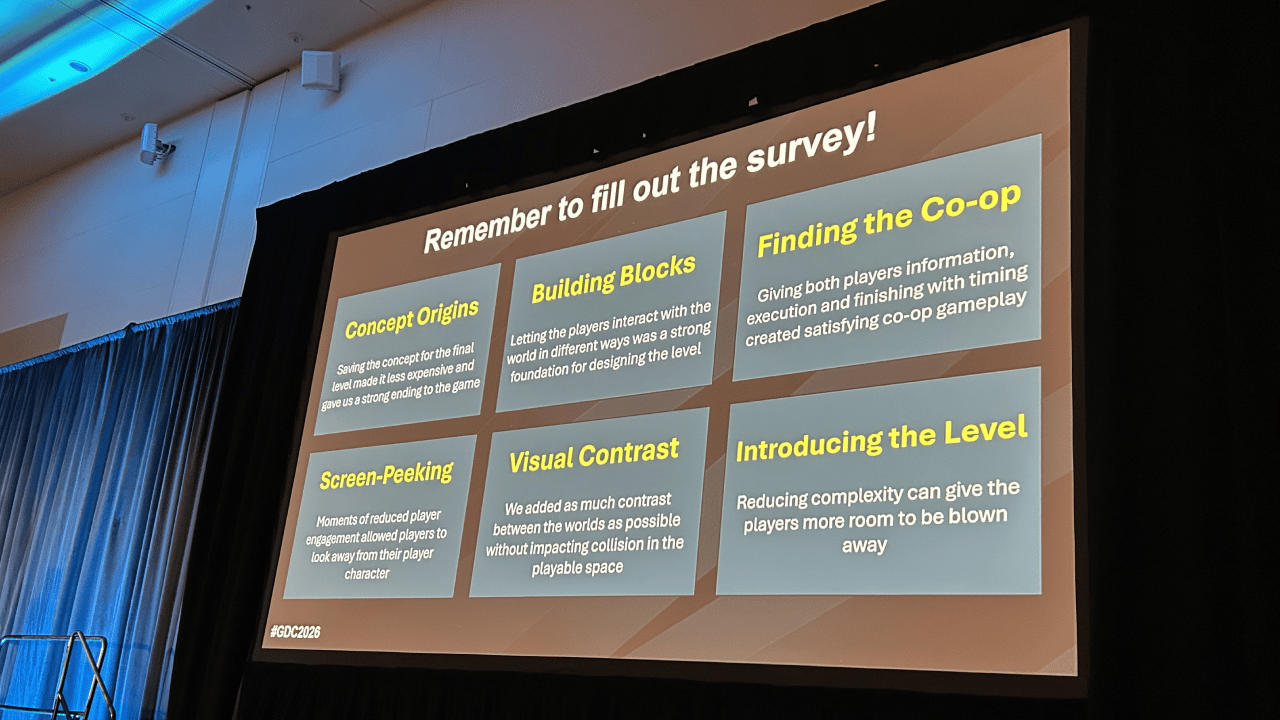
"So, in the end, it was saved for the final level," Gille concluded, revealing the strategic pivot that ultimately defined the game’s structure and contributed to its success. This decision to constrain the ambitious "two worlds" mechanic to a single, climactic stage proved to be a masterstroke in scope management. Limiting the concept to one level transformed what would have been an "expensive game"—in terms of development time, budget, and artistic resources—into an "expensive level." While still demanding significant effort, confining this complex mechanic to a singular segment allowed the team to pour concentrated resources into perfecting it, ensuring a high level of polish and impact without compromising the entire project.
This strategic choice also directly addressed the potential issue of player disconnection. "Limiting it to one level also really reduced the issue of the players feeling disconnected from each other," Gille elaborated. By introducing this intense bifurcated reality only at the game’s culmination, players had already spent over ten hours together, building a strong rapport and understanding of Split Fiction‘s core co-op mechanics. They had become accustomed to navigating challenges as a unified pair, whether in the fantastical forests or the sterile spacecrafts. This established foundation of teamwork meant that when the radical shift occurred in the final level, it felt like an ultimate test of their synergy rather than an alienating experience.
Furthermore, the impact of being in both sci-fi and fantasy worlds simultaneously was profoundly heightened by this deliberate pacing. "I also think the impact of being in two worlds at the same time (sci-fi and fantasy) was heightened by the fact that, at this point, had become accustomed to being in either sci-fi or fantasy, for over ten hours," Gille stated. The long-established pattern of alternating between distinct themes made the sudden, simultaneous presence of both a powerful, almost jarring, revelation. It created a "wow factor" that resonated deeply with players, culminating their journey with a truly memorable and mind-bending experience.
Designing the Bifurcated World: Core Challenges and Innovative Solutions
With the strategic decision made, Gille then meticulously detailed the practicalities of designing this challenging, yet universally praised, final stage. His presentation, enriched with numerous videos showcasing progress and early iterations, broke down the design challenges into several key categories, offering valuable insights for aspiring and veteran developers alike.
One primary focus was "designing engaging puzzles for both players." The complexity of creating interactive challenges where solutions often hinged on information visible only to one player, or actions possible only in one specific reality, required innovative thinking. Gille provided a compelling example: an early prototype involved a "carnivorous plant" in the fantasy world that corresponded to a "robotic arm" in the sci-fi world. The puzzle required one player to manipulate the robotic arm (e.g., extend it to create a platform) while the other, seeing a plant, might need to trigger something to make the plant retract or open, allowing their partner passage. The iterations of this single puzzle demonstrated the iterative design process, highlighting how subtle changes could dramatically impact clarity, engagement, and the necessity of true co-operation.
"Offering truly engaging co-op" was another pillar of the design philosophy. The team aimed to move beyond simple ‘press X to open door for partner’ mechanics. The bifurcated nature of the final level inherently demanded a higher degree of communication and coordinated action. Players couldn’t simply rely on visual cues alone; they had to talk to each other, describing what they saw and what actions they could perform, creating a rich verbal layer to the gameplay. This fostered a genuine sense of shared problem-solving, reinforcing the bond between the players.
Crucially, Gille emphasized the importance of "encouraging ‘screen peeking’ so players would want to see what’s on their co-op partner’s screen." While the game’s split-screen format naturally allowed for this, the design actively incentivized it. The stark differences and surprising parallels between the two realities made glancing at a partner’s screen not just helpful for puzzle solving, but inherently fascinating. Players were driven by curiosity to see the "other side," fostering a deeper appreciation for the level’s intricate design and strengthening their understanding of the interconnected environments. This engagement mechanism transformed a potential distraction into a core element of the gameplay experience.
Finally, "really selling the wow factor when introducing the final level" was paramount. The transition into this unique stage needed to be impactful, clearly signaling a departure from the game’s established rhythm. This involved careful consideration of visual cues, sound design, and narrative framing to ensure players immediately grasped the magnitude and uniqueness of their current predicament. The goal was to elicit a sense of wonder and challenge, setting the tone for the ultimate test of their collaborative skills.
The Hazelight Influence and the Evolution of Co-op Gaming
Throughout his presentation, Gille frequently referenced Hazelight Studios, acknowledging their significant influence on Split Fiction‘s development and the broader landscape of co-operative gaming. Hazelight, led by Josef Fares, has carved a niche for itself by exclusively developing co-op titles that push the boundaries of shared gameplay experiences. Their portfolio includes critically acclaimed games such as Brothers: A Tale of Two Sons (though published by 505 Games, it set a precedent for dual character control), A Way Out, and the Game of the Year winner, It Takes Two.
Hazelight’s ethos revolves around the fundamental belief that games are best experienced with another person, and their designs consistently force players into inventive collaborative scenarios. A Way Out, for instance, famously featured split-screen gameplay where players had completely different objectives and perspectives within the same scene, echoing the core concept that Split Fiction eventually perfected in its final level. It Takes Two further solidified this by integrating co-op into every single mechanic and narrative beat, ensuring that players were inseparable. Gille’s acknowledgment underscores the profound impact Hazelight has had on validating and innovating within the co-op genre, providing a benchmark for studios like his own to aspire to. The challenges faced by Split Fiction‘s team in developing a truly interwoven co-op experience highlight that even with clear inspiration, executing such ambitious designs requires immense creativity and technical prowess.
Critical Acclaim and Player Resonance
The arduous development process and the meticulous design paid off handsomely. Split Fiction as a whole has been exceptionally well received by both critics and the player community since its 2025 release. Reviewers lauded its innovative gameplay, engaging narrative, and, notably, its compelling co-operative mechanics. The final stage, in particular, garnered significant attention, frequently cited as a highlight and a masterclass in level design.
Gille’s presentation concluded with compelling evidence of this success, showcasing videos of various "let’s players" experiencing the final level. These unscripted reactions provided authentic validation of the team’s efforts. In one memorable clip, a player, utterly engrossed and genuinely astounded by a particularly mind-bending puzzle, exclaimed with unbridled enthusiasm, "Whoever designed this level is a fucking genius!" To this, Gille, with a wry smile, quipped, "His words, not mine!" This anecdote perfectly encapsulated the profound impact the level had on its audience, demonstrating how ambitious design, when executed with precision and care, can leave a lasting impression.
Broader Implications for Game Development
The story of Split Fiction‘s final level offers crucial insights for the wider game development industry. It stands as a testament to the value of iterative design, the necessity of scope management, and the power of strategic restraint. The initial ambition to implement the "two worlds" mechanic across the entire game, while admirable, proved impractical due to resource constraints and potential player experience issues. The decision to "save it for the final level" was not a compromise of vision, but rather a sophisticated act of design prioritization.
This approach demonstrates that even the most ambitious and technically challenging concepts can be successfully integrated into a game, provided they are carefully scoped and placed where they can have maximum impact. It highlights that innovation doesn’t always mean boundless execution; sometimes, it means surgical application. By concentrating resources on a single, pivotal moment, the Split Fiction team managed to deliver a "wow factor" that resonated more powerfully than if the concept had been diluted across an entire game.
Furthermore, Split Fiction‘s success reinforces the enduring appeal and potential of truly collaborative co-op gaming. In an era where many multiplayer experiences lean towards competitive or loosely connected social play, games like Split Fiction and those from Hazelight Studios remind developers of the unique magic found in requiring players to genuinely work together, communicate, and rely on each other to overcome challenges. The deliberate encouragement of "screen peeking" also provides a fascinating model for designers looking to foster shared understanding and engagement in split-screen environments.
Ultimately, Hannes Gille’s GDC Festival of Gaming 2026 talk was more than just a post-mortem of a successful level; it was a case study in visionary design meeting practical development realities. It underscored that sometimes, the most revolutionary ideas are not those that pervade every moment of a game, but those that are strategically deployed to create an unforgettable, climactic experience, leaving players with a profound sense of accomplishment and awe. The final level of Split Fiction will undoubtedly serve as a benchmark for innovative co-op design for years to come.
About the Author