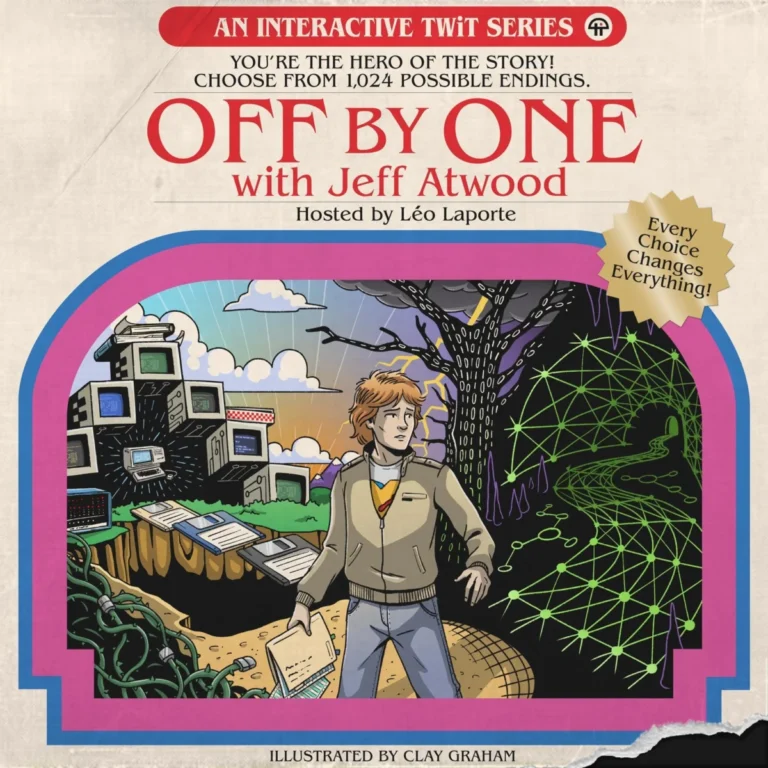
In a significant initiative for computational history and modern programming practices, Jeff Atwood, co-founder of Stack Overflow and author of the widely-read "Coding Horror" blog, has launched a comprehensive, community-driven project to update David H. Ahl’s seminal 1978 anthology, "101 BASIC Computer Games." This ambitious undertaking seeks to translate the iconic programs that ignited a generation’s passion for computing into contemporary, memory-safe languages, fostering collaboration and preserving invaluable digital artifacts for future generations. The project, hosted on GitHub, invites developers worldwide to contribute to this modernization effort, aiming to bridge the gap between early computing’s foundational principles and today’s advanced software development paradigms.
The Genesis of a Programming Icon: "101 BASIC Computer Games"
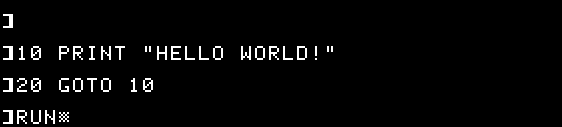
To fully appreciate the scope of Atwood’s project, one must understand the landscape of computing in the 1970s and early 1980s. Unlike today’s intuitive graphical user interfaces (GUIs) and app-filled desktops, early personal computers booted directly to a command line. Interaction was text-based, often requiring users to manually input commands to load programs from rudimentary storage solutions like cassette tapes, an expensive add-on for many. For the vast majority of early enthusiasts, the only way to make a computer "do" anything was to painstakingly type in programs from books.
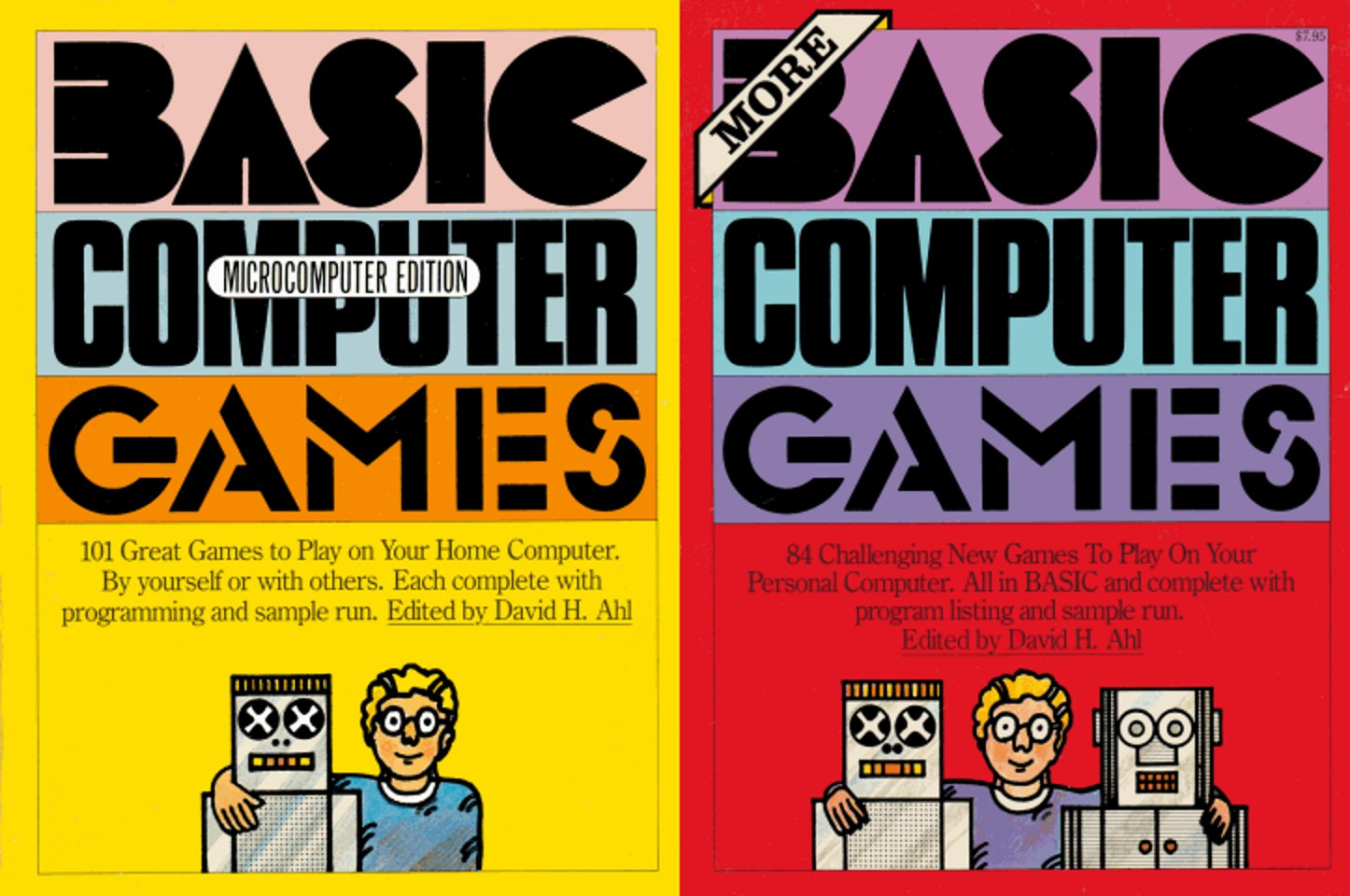
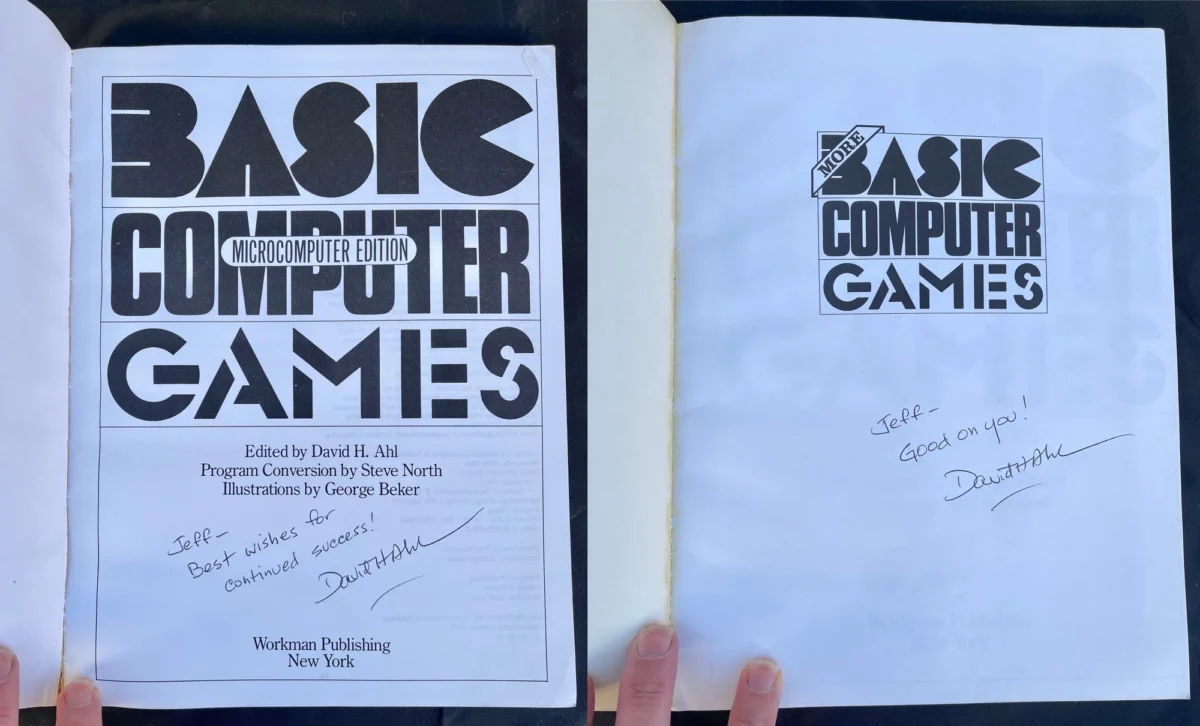
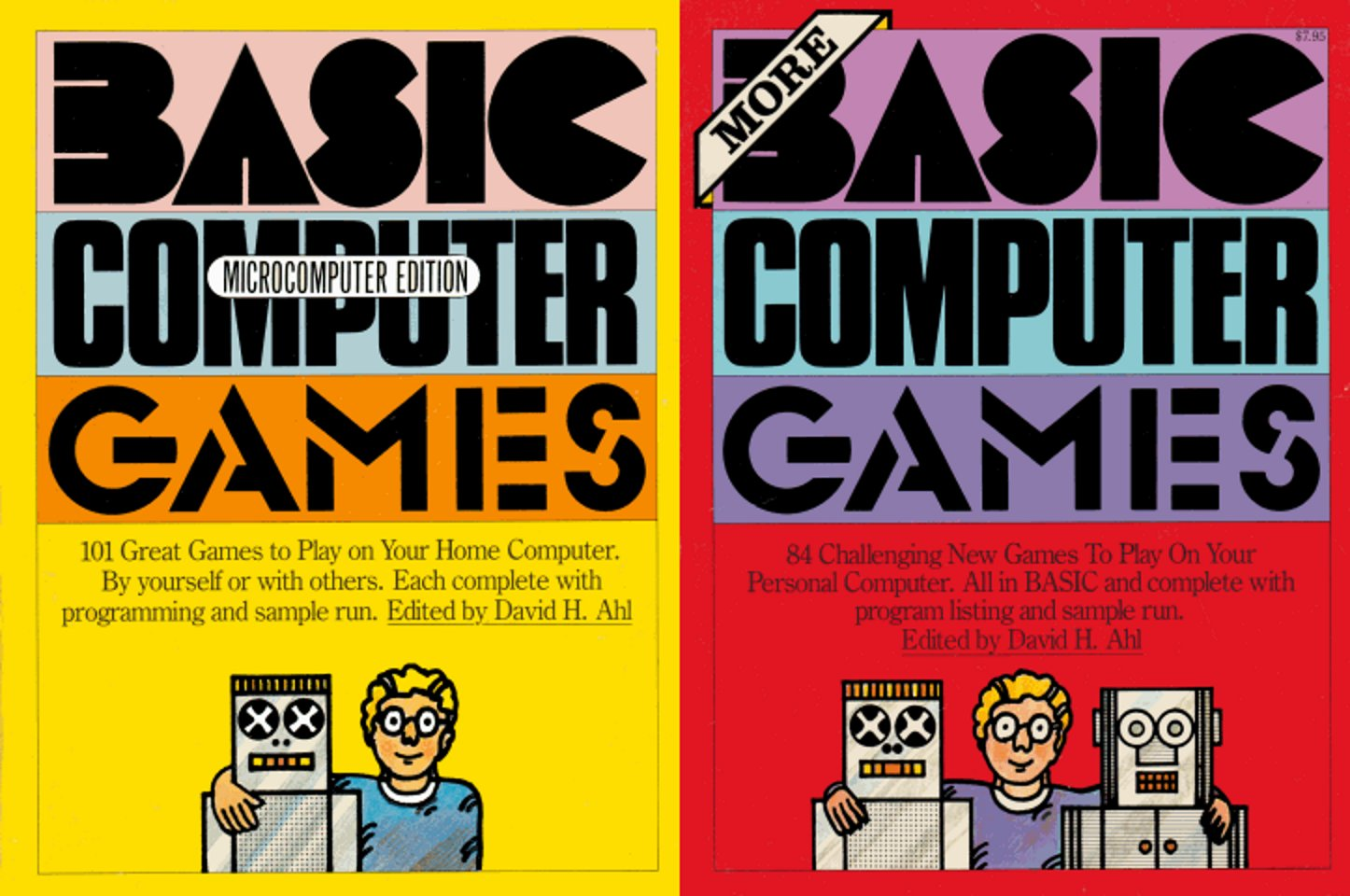
Among these, "101 BASIC Computer Games" stood out as an unparalleled phenomenon. Penned by David H. Ahl, a pioneering figure in computer education, the book was a compilation of games previously featured in Ahl’s groundbreaking Creative Computing Magazine. Ahl’s journey into publishing is a testament to his vision and dedication. After leaving Digital Equipment Corporation (DEC), where he had previously published an earlier version of the game anthology in 1973, Ahl founded Creative Computing in 1974. With limited capital, he poured "sweat equity" into the venture, personally editing, writing, designing, and even physically assembling the first issues. Despite having only 600 subscribers for the initial run, Ahl audaciously printed 8,000 copies, distributing the unsolicited remainder to libraries and schools, laying the groundwork for a burgeoning computer literacy movement.
The 1978 edition of "101 BASIC Computer Games" quickly surpassed all expectations, becoming the first computer book to sell over a million copies. Its reach was extraordinary; at one point, more copies of the book were in print than there were personal computers globally. This staggering statistic underscores the book’s profound influence: many individuals purchased multiple copies, often learning to program and dreaming of computational possibilities long before they could afford or even access a personal computer. The book served as a gateway, transforming curious individuals into nascent programmers through the laborious but rewarding process of transcribing pages of BASIC code by hand, line by line, into their machines. This formative experience, while tedious by modern standards – a single typo could derail an entire program – was, for many like Atwood, the crucible in which their professional careers were forged.
A Personal Connection and the Drive for Modernization
Jeff Atwood openly credits "101 BASIC Computer Games" as a foundational influence on his career, reflecting a sentiment shared by countless developers of his generation. His personal connection to the material fuels the current modernization project, driven by a recognition that while the original BASIC programs were revolutionary for their time, they represent an antiquated approach to software development. The primitive nature of early BASIC, characterized by extensive use of GOTO statements, reliance on line numbers for program flow, and a general lack of structured programming constructs like subroutines – which Atwood refers to as "the greatest invention in computer science" – starkly contrasts with contemporary coding practices.

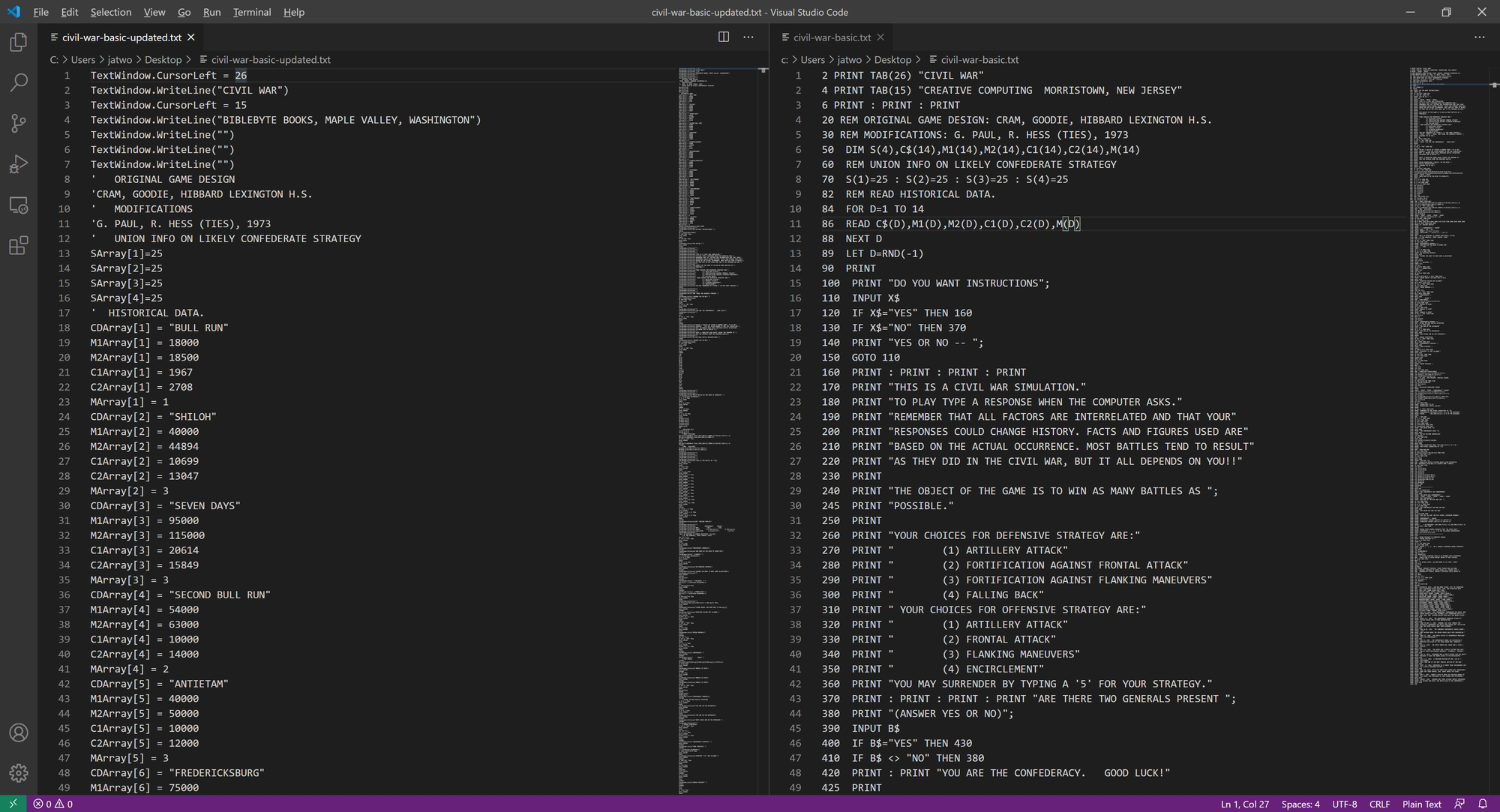
A previous attempt in 2010 to port these early BASIC programs to Microsoft SmallBasic, while well-intentioned, largely fell short of truly modernizing the code. As Atwood notes, these ports often amounted to little more than removing line numbers, failing to incorporate fundamental improvements in code structure, readability, or maintainability that define modern programming. The "Civil War" game, for example, illustrates this point: a comparison between its 1973 BASIC original and the 2010 SmallBasic port reveals minimal evolution in programming methodology. This past effort highlighted the need for a more comprehensive approach that doesn’t just translate syntax but fundamentally re-architects the programs to embody modern software engineering principles.
Atwood’s vision for the current project goes beyond mere translation. It aims to elevate these historical artifacts by integrating current best practices, ensuring they are not just runnable but also comprehensible and educational for today’s programmers. The explicit focus on memory-safe languages is a critical component, addressing one of the most significant advancements in software security and reliability since the BASIC era. By seeking permission directly from David H. Ahl, which was graciously granted, Atwood has ensured that this ambitious undertaking proceeds with the blessing of the original creator, adding an layer of authenticity and respect to the initiative.
The Collaborative Endeavor: Project Scope and Goals
The "101 BASIC Computer Games" modernization project is structured as an open-source, community-driven initiative, hosted on GitHub. This collaborative model directly contrasts with the solitary experience of typing programs from a book in the 1980s, transforming it into a global, collective effort. The project’s primary goal is to re-implement each of the 101 games in a selection of modern, memory-safe, general-purpose scripting languages.
Initially, the project outlined a set of target languages, which has seen some refinement based on community feedback and evolving priorities. As of March 2022, the updated list of target languages includes:
- Python: Widely acclaimed for its readability and extensive libraries, ideal for scripting.
- JavaScript (Node.js): Pervasive in web development, offering a versatile runtime environment.
- Ruby: Known for its elegant syntax and developer-friendly approach.
- PHP: A foundational language for web development, continuously evolving.
- Perl: A powerful scripting language with a rich history.
- C#: Microsoft’s versatile, object-oriented language, often used with .NET.
- Kotlin: A modern, statically typed language gaining traction, particularly in Android development, offered as an alternative to Java.
- Rust: A systems programming language celebrated for its unparalleled memory safety guarantees and performance, replacing Pascal in the roster.
- Lua: A lightweight, embeddable scripting language that recently cracked the top 20 in the TIOBE index, meeting the criteria for scripting and memory safety.
- Go: Developed by Google, known for its efficiency, concurrency, and strong type safety.
The inclusion of languages like Rust and Kotlin underscores the project’s commitment to memory safety – a crucial aspect of modern software development that mitigates common vulnerabilities like buffer overflows and null pointer dereferences. The selection also reflects the diversity of contemporary programming paradigms and the prevalence of these languages in various domains, from web scripting to systems programming.
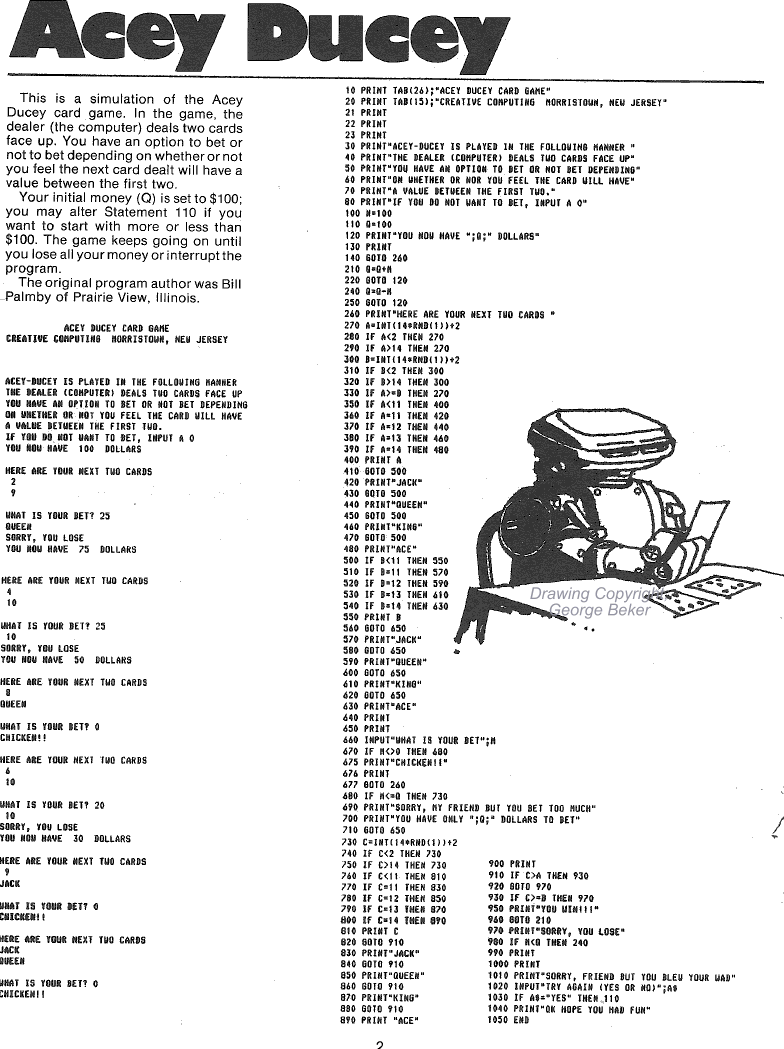
It is crucial to acknowledge that these games, originating from the 1970s, are inherently primitive. They are not intended to showcase sophisticated gameplay or advanced programming techniques by today’s standards. Instead, they are recognized as "precious artifacts of early computing" that warrant preservation. The project also aims to retain the charm of the originals, including the distinctive artwork by George Beker, ensuring that the aesthetic and historical context are maintained alongside the code modernization.
Community Engagement and Incentives
Atwood’s project is a fervent call to action for the global developer community. He emphasizes that the success of this ambitious undertaking hinges on collaborative effort, contrasting the isolating experience of early computing with the networked possibilities of today. To galvanize participation and acknowledge contributions, a unique incentive program has been established: for every functioning program submitted in each of the ten designated languages by the end of 2022, Jeff Atwood committed to donating $5 to Girls Who Code, a non-profit organization dedicated to supporting and increasing the number of women in computer science. This philanthropic component adds a meaningful layer to the project, linking historical preservation with future empowerment in the tech industry.
Prospective contributors are encouraged to visit the project’s GitHub repository for detailed guidelines and to engage in discussions on the associated forum. Atwood also expressed a desire to bring in project co-owners, individuals who are passionate about the initiative and can help organize and sustain the effort, indicating a long-term vision for community stewardship. The overarching message remains that this endeavor, while technically challenging, should ultimately be an enjoyable and rewarding experience, reminiscent of the "fun" that programming once represented for early enthusiasts.
Broader Implications: Preserving Computing History and Inspiring Future Generations
The "101 BASIC Computer Games" modernization project carries significant implications beyond mere code translation.
Historical Preservation and Digital Archiving: This initiative serves as a vital act of digital preservation. By translating these foundational programs into modern languages, the project ensures their continued accessibility and executability on contemporary hardware and software platforms. It safeguards a tangible piece of early computational history, allowing new generations to interact with the programs that defined the dawn of personal computing. This effort parallels the work of historians archiving physical documents, but for the ephemeral world of software.
Educational Value and Bridging Eras: The project offers immense educational value. It provides a unique pedagogical tool for students and aspiring programmers to understand the evolution of programming paradigms. By comparing the original BASIC code with its modern counterparts, learners can grasp the advancements in structured programming, modularity, memory management, and overall software design. It demonstrates how fundamental computational problems can be approached differently across decades, fostering a deeper appreciation for both historical context and modern efficiency.
Advocacy for Modern Best Practices: The explicit focus on memory-safe languages is a powerful statement about contemporary software development priorities. In an era where cybersecurity threats are rampant, emphasizing languages that inherently reduce common vulnerabilities like buffer overflows and memory leaks is crucial. The project implicitly educates developers on the importance of choosing robust, secure programming tools, aligning historical preservation with forward-looking best practices.
The Power of Open Source and Collaboration: This initiative is a prime example of the power of open-source collaboration. It demonstrates how a global community can collectively tackle a complex task, pooling diverse skills and perspectives to achieve a common goal. This collaborative spirit, inherent to the open-source movement, stands in stark contrast to the often isolated nature of early programming, showcasing the communal strength that defines modern software development.
Inspiring New Generations: Just as the original "101 BASIC Computer Games" inspired countless individuals, including Jeff Atwood, to pursue careers in technology, this modernized version holds the potential to spark similar interests in a new generation. By making these classic games accessible and understandable through modern lenses, the project can serve as an engaging entry point into programming, demystifying complex concepts through simple, nostalgic examples. It connects the past, present, and future of computing in a tangible and interactive way.
Ultimately, Jeff Atwood’s project is more than just an update; it is a tribute, a preservation effort, and an educational tool wrapped into one collaborative endeavor. By inviting the global programming community to participate, it ensures that one of the most influential books in computing history continues to inspire, educate, and entertain for decades to come, forging a tangible link between the pioneering spirit of early computing and the innovative landscape of today’s digital world. As a unique opportunity for developers to contribute to computational legacy, it stands as a testament to the enduring appeal and foundational importance of those early BASIC games.
About the Author