The digital landscape is undergoing a profound transformation, driven by a technology that promises to redefine how we store, share, and transact information. Blockchain, once a niche concept primarily associated with cryptocurrencies, is now emerging as a foundational element for a wide array of applications, from supply chain management to secure digital identity. This article delves into the intricate workings, historical evolution, current applications, and future implications of blockchain technology, offering a comprehensive overview for those seeking to understand its growing significance.
The Genesis of a Decentralized Future
The concept of a distributed, immutable ledger can be traced back to the early 1990s. In 1991, cryptographers Stuart Haber and W. Scot Stornetta first proposed a system designed to digitally timestamp documents in a way that would prevent them from being backdated or tampered with. Their work laid the theoretical groundwork for secure data integrity.
A significant step towards a practical application came in 1998 when software developer Nick Szabo conceptualized "Bit Gold." This was an early iteration of a digital currency system that aimed to employ cryptographic principles for secure transactions, foreshadowing many of the elements that would later define cryptocurrencies. However, it was the advent of Bitcoin in 2008, attributed to the pseudonymous Satoshi Nakamoto, that brought blockchain technology into the global spotlight. Nakamoto’s white paper, "Bitcoin: A Peer-to-Peer Electronic Cash System," detailed how blockchain could function as a decentralized ledger for recording Bitcoin transactions, thereby eliminating the need for central financial intermediaries like banks.
Demystifying Blockchain: The Distributed Ledger Technology
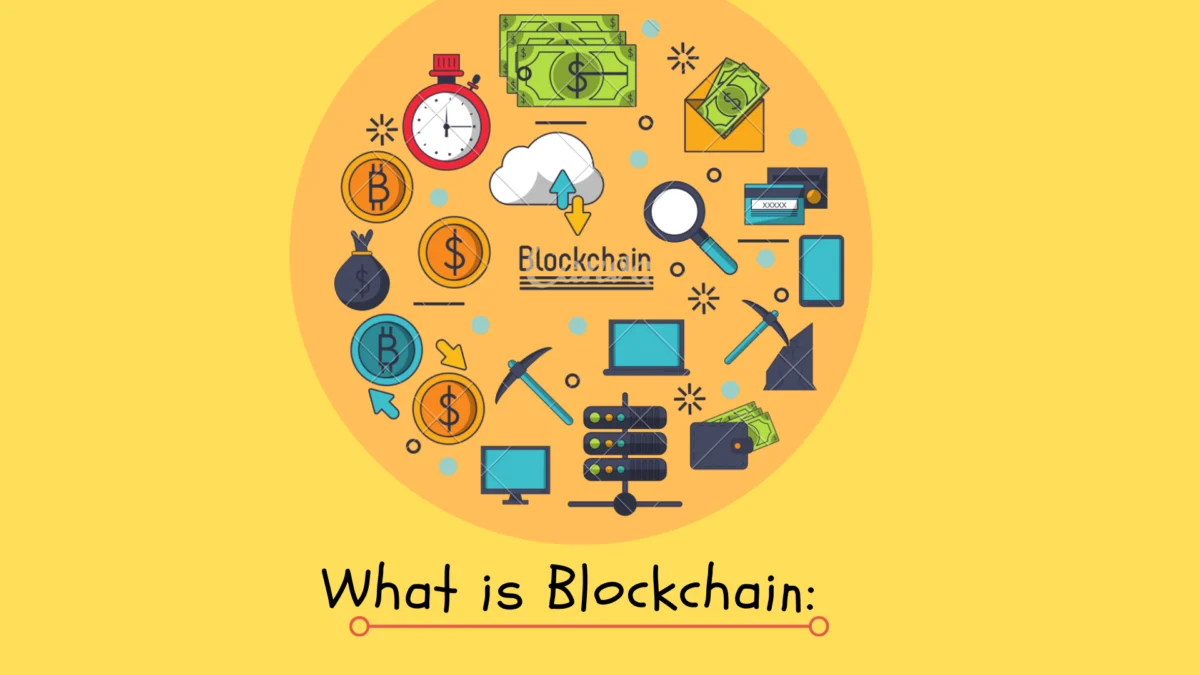
At its core, blockchain is a distributed, immutable digital ledger that records transactions across a network of computers. Instead of a single, central database, information is stored in "blocks" that are cryptographically linked together in chronological order, forming a "chain." Each block contains a unique cryptographic hash of the previous block, a timestamp, and transaction data. This interconnected structure ensures that once a block is added to the chain, it cannot be altered or deleted without affecting all subsequent blocks, making the ledger inherently secure and transparent.
This decentralized nature is a key differentiator from traditional databases. In a traditional client-server database, a single entity controls and maintains the data, creating a single point of failure and potential vulnerability. Blockchain, on the other hand, distributes the ledger across numerous "nodes" (computers) within the network. Any new transaction or block must be validated by a consensus mechanism among these nodes before being added to the chain. This distributed consensus ensures that no single entity can unilaterally alter the records.
How Blockchain Operates: A Step-by-Step Illustration
The process by which blockchain technology operates can be understood through a series of fundamental steps:
- Transaction Initiation: A transaction is initiated, for example, a transfer of digital currency or the recording of a piece of data.
- Transaction Verification: This transaction is broadcast to a network of computers (nodes) participating in the blockchain.
- Block Creation: The network of nodes validates the transaction using predefined algorithms and consensus mechanisms. Once validated, the transaction is bundled with other pending transactions into a "block."
- Hashing and Linking: Each block is assigned a unique cryptographic hash. Crucially, each new block also contains the hash of the preceding block. This cryptographic link is what forms the "chain."
- Distribution and Consensus: The newly created block is then broadcast to all nodes on the network. For the block to be permanently added to the ledger, a consensus must be reached among the majority of the nodes, confirming the validity of the block and its transactions.
- Immutability: Once consensus is achieved, the block is added to the end of the existing blockchain, becoming a permanent and immutable record. Any attempt to alter data in a previous block would invalidate its hash, and consequently, all subsequent blocks, making such tampering immediately detectable by the network.
This process, while seemingly complex, is executed with remarkable speed and efficiency by modern computing power. The advancement of technology continues to accelerate these operations, making blockchain solutions increasingly practical for real-world applications.
Beyond Cryptocurrencies: The Diverse Applications of Blockchain
While blockchain technology gained prominence as the backbone of cryptocurrencies like Bitcoin and Ethereum, its utility extends far beyond digital money. Its ability to provide secure, transparent, and immutable record-keeping has opened doors to a vast spectrum of applications across various industries.
One of the most significant real-world use cases is in supply chain management. Companies like Walmart have embraced blockchain to enhance the traceability of goods. For instance, IBM’s Food Trust platform utilizes blockchain to track food items from their origin to the consumer’s plate. This is particularly crucial in industries where food safety is paramount. In cases of contamination or outbreaks, such as those involving E. coli or Salmonella, a blockchain can quickly pinpoint the source of the issue, allowing for rapid recalls and preventing wider public health crises. Similarly, the accidental introduction of allergens like peanuts into packaged foods can be meticulously traced, minimizing risks and improving consumer confidence. The ability to swiftly identify the origin of a hazard and react proactively is a testament to blockchain’s power in enhancing supply chain resilience and safety.
Beyond food, blockchain is being explored for:
- Healthcare: Securely storing and sharing patient medical records, ensuring data privacy and integrity while facilitating interoperability between different healthcare providers.
- Finance: Streamlining cross-border payments, reducing transaction fees, and increasing the speed of settlements.
- Voting Systems: Developing transparent and tamper-proof digital voting platforms to enhance electoral integrity.
- Intellectual Property Management: Protecting copyrights and tracking the usage of digital assets.
- Real Estate: Simplifying property transactions, reducing fraud, and creating more efficient title management systems.
- Digital Identity: Creating secure, self-sovereign digital identities that give individuals greater control over their personal data.
Major corporations such as Siemens, Pfizer, and Unilever are actively investing in and piloting blockchain solutions, recognizing its potential to drive efficiency, transparency, and security. This widespread adoption by industry leaders signals a growing confidence in the technology’s maturity and scalability.
The Pillars of Blockchain: Decentralization and Security
The inherent safety of blockchain technology is largely attributed to its decentralized architecture. Unlike traditional systems where data is centralized, blockchain distributes information across a network of nodes. This redundancy means that even if one node is compromised or experiences a failure, the integrity of the entire ledger remains intact. Other nodes can cross-reference and verify the correct information, rendering individual system failures inconsequential to the overall data.
This principle of decentralization is fundamental to blockchain’s security. It eliminates single points of failure that are common in centralized systems, where a breach of one server can lead to the compromise of vast amounts of sensitive data. For instance, if a company’s central database is hacked, all its stored information could be leaked. Blockchain’s distributed nature mitigates this risk by ensuring that data is not held in one vulnerable location.
Furthermore, the cryptographic hashing and linking of blocks create an immutable audit trail. This ensures not only the accuracy of the data but also its authenticity and irreversibility. Once data is recorded on a blockchain, it is virtually impossible to alter or delete it without the network’s consensus, providing a robust guarantee of data integrity. This makes blockchain an ideal technology for storing sensitive and critical information, such as legal contracts, government identification, and company inventory records, where the ability to modify or falsify data must be strictly prevented.
Navigating the Blockchain Landscape: Advantages and Challenges
Like any transformative technology, blockchain presents a compelling set of advantages alongside certain challenges that require careful consideration.
Pros of Blockchain:
- Enhanced Security: Cryptographic encryption and distributed consensus mechanisms make blockchain highly resistant to fraud and cyberattacks.
- Transparency: Transactions recorded on a public blockchain are visible to all participants, fostering trust and accountability.
- Immutability: Once data is added to the blockchain, it cannot be altered or deleted, ensuring the integrity of records.
- Decentralization: Eliminates reliance on central authorities, reducing single points of failure and potential censorship.
- Increased Efficiency: Streamlines processes, reduces intermediaries, and can lead to faster transaction times and lower costs, particularly in financial transactions.
- Traceability: Provides an indisputable audit trail, making it easier to track the provenance of goods and assets.
Cons of Blockchain:
- Scalability Issues: Some blockchains, particularly older ones, can struggle with processing a high volume of transactions quickly, leading to slower speeds and higher fees during peak demand.
- Energy Consumption: Certain consensus mechanisms, like Proof-of-Work (used by Bitcoin), require significant computational power and thus consume substantial amounts of energy, raising environmental concerns. Newer mechanisms like Proof-of-Stake are significantly more energy-efficient.
- Complexity: Understanding and implementing blockchain technology can be complex, requiring specialized knowledge and expertise.
- Regulatory Uncertainty: The regulatory landscape surrounding blockchain and cryptocurrencies is still evolving in many jurisdictions, creating uncertainty for businesses and investors.
- Irreversibility of Errors: While immutability is a strength, it also means that if an error is made during a transaction, it can be difficult or impossible to reverse.
Frequently Asked Questions About Blockchain
As blockchain technology gains wider adoption, many common questions arise from those seeking to understand its nuances.
Is Blockchain a Cryptocurrency?
No, blockchain is not a cryptocurrency. Rather, it is the underlying technology that makes cryptocurrencies possible. It functions as a decentralized and immutable digital ledger that records every transaction associated with a cryptocurrency.
Is it Possible for Blockchain to Be Hacked?
While theoretically possible, hacking a blockchain is an exceptionally complex and resource-intensive undertaking. The distributed nature, cryptographic security, and constant network review by a multitude of users make it incredibly difficult to compromise. A successful hack would likely require controlling a majority of the network’s computing power, which is practically unfeasible for large, established blockchains.
What is the Most Prominent Blockchain Company?
Determining the "most prominent" blockchain company can be subjective and depend on the specific metric (e.g., market capitalization, innovation, user base). However, companies like Coinbase Global have emerged as significant players, offering robust infrastructure, services, and technology for the digital currency economy. Other influential entities include ConsenSys (focused on Ethereum development), Ripple (for enterprise blockchain solutions), and various blockchain analytics firms.
Who Owns Blockchain?
Blockchain, as a decentralized technology, is not owned by any single entity. It is a distributed network of interconnected nodes, each holding a copy of the ledger. Ownership is, in essence, shared among the participants of the network.
What is the Difference Between Bitcoin and Blockchain Technology?
Bitcoin is a specific application or implementation of blockchain technology. It is a decentralized digital currency that utilizes blockchain as its ledger to record all Bitcoin transactions. Blockchain, in contrast, is the foundational technology that can be used for a multitude of purposes beyond just cryptocurrencies.
What is the Difference Between Blockchain and a Database?
The primary distinction lies in their architecture and control. A traditional database is typically centralized, managed by a single administrator, and data can be easily modified or deleted by authorized users. Databases often use a client-server model. Blockchain, however, is a distributed ledger where data is immutable and transparent to all network participants. It is designed for decentralized control, preventing unauthorized modifications and ensuring a verifiable history of all transactions. While both store data, blockchain prioritizes security, transparency, and immutability through its decentralized and cryptographic design.
The Future Trajectory of Blockchain Technology
The integration of blockchain technology into various industries is not a distant prospect but a present reality, with its impact expected to grow exponentially in the coming years. Analysts predict that within the next five to ten years, blockchain will become an indispensable component across diverse sectors, including finance, healthcare, logistics, and governance.
While initial hesitations and a learning curve are natural with any groundbreaking innovation, the compelling advantages of blockchain—enhanced security, transparency, and efficiency—are poised to overcome these barriers. As individuals, businesses, and governments become more familiar with its capabilities, the adoption of blockchain solutions will likely accelerate. Entrepreneurs and CEOs will increasingly leverage this technology to gain competitive advantages, streamline operations, and foster greater trust within their ecosystems. The journey of blockchain is a testament to human ingenuity in creating more secure, efficient, and equitable digital systems, promising to reshape the future of how we interact and transact in an increasingly interconnected world.
About the Author