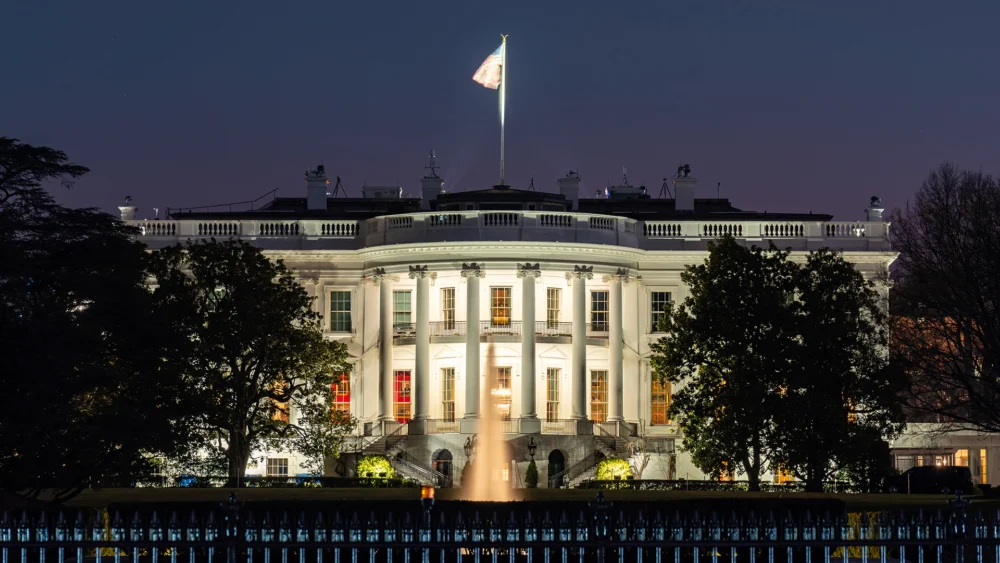
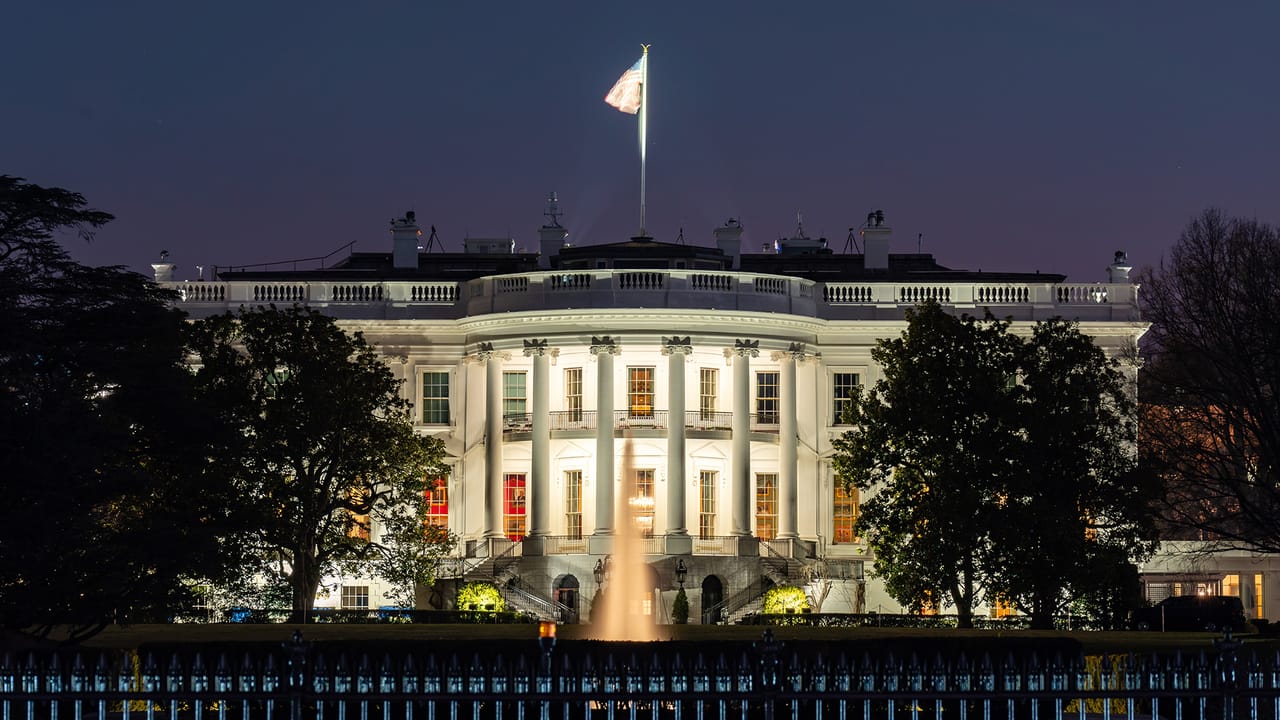
The White House is reportedly engaged in an intense internal debate regarding whether to compel Chinese tech conglomerate Tencent to divest its substantial holdings in prominent United States-based video game companies. This significant policy discussion, first reported by the Financial Times and subsequently noted by Reuters, emerges ahead of a crucial planned meeting between American President Donald Trump and Chinese President Xi Jinping, underscoring the escalating economic and geopolitical tensions between the two global powers. The potential action targets Tencent’s deep financial ties within the American gaming industry, specifically its full ownership of Riot Games, the developer behind global esports phenomena League of Legends and Valorant, and its significant minority stake in Epic Games, the powerhouse behind Fortnite and the ubiquitous Unreal Engine.
This developing situation signals a potential new front in the broader US-China tech rivalry, moving beyond hardware and social media into the lucrative and culturally influential realm of interactive entertainment. The implications for the global gaming industry, foreign investment landscapes, and the future of technological cooperation between the world’s two largest economies are profound and far-reaching.
Tencent’s Global Gaming Hegemony and American Stakes
Tencent Holdings Ltd. has systematically built one of the world’s most extensive and influential gaming empires through aggressive investment and acquisition strategies over the past two decades. The Shenzhen-based giant, which operates a vast array of internet-related services and products, views gaming as a cornerstone of its global expansion. Its investment portfolio spans continents, making it a dominant force in the interactive entertainment sector.
At the heart of the current White House debate are two of Tencent’s most significant US-based gaming assets. Tencent acquired a majority stake in Riot Games in 2011 and completed its full acquisition in 2015. Riot Games, headquartered in Los Angeles, California, is celebrated for League of Legends, a multiplayer online battle arena (MOBA) game that boasts over 180 million monthly active players as of 2023 and commands one of the largest esports ecosystems globally. Its tactical shooter Valorant, launched in 2020, has also rapidly ascended to prominence, further cementing Riot’s position as a critical player in competitive gaming. The complete ownership of Riot Games by Tencent means direct control over its strategic direction, intellectual property, and extensive user data.
Similarly, Tencent made a substantial investment in Epic Games, acquiring approximately 40% of the company in 2012 for an estimated $330 million. Based in Cary, North Carolina, Epic Games is renowned for Fortnite, a battle royale sensation that has amassed over 500 million registered accounts worldwide and generated billions in revenue since its launch. Beyond Fortnite, Epic Games is the developer of the Unreal Engine, a foundational game development tool used across countless titles and increasingly in film, television, and architectural visualization. While not a controlling stake, Tencent’s 40% ownership grants it significant influence and a substantial share of Epic Games’ financial success and strategic decisions.
Tencent’s portfolio also includes stakes in numerous other global gaming studios, such as Supercell (Finland, Clash of Clans), Ubisoft (France, Assassin’s Creed), Activision Blizzard (US, Call of Duty), Krafton (South Korea, PUBG), and Paradox Interactive (Sweden, Crusader Kings), among many others. This widespread influence has allowed Tencent to not only diversify its revenue streams but also to gain insights into global gaming trends, technologies, and talent, positioning it as a pivotal force shaping the industry’s future. The sheer scale of user data generated by games like League of Legends and Fortnite, encompassing player behavior, communication, and personal information, is likely a central concern for US officials.
The Geopolitical Chessboard: US-China Tech Rivalry and National Security
The White House’s contemplation of such a drastic measure against Tencent must be viewed within the broader context of the intensifying strategic competition between the United States and China. Over recent years, this rivalry has manifested across various sectors, from trade imbalances and intellectual property theft allegations to military posturing and, most prominently, a fierce technological struggle.
The Trump administration, in particular, adopted an aggressive stance toward Chinese tech firms, citing national security concerns, data privacy risks, and the potential for Beijing to leverage these companies for intelligence gathering or geopolitical influence. Precedents for such actions include the severe restrictions placed on Huawei Technologies Co., which effectively crippled its smartphone business and restricted its access to critical US-origin technology, and the efforts to force the sale of ByteDance’s TikTok application to American owners. In the case of TikTok, the administration argued that the personal data of millions of American users could be accessed by the Chinese government, posing an unacceptable national security risk. Similarly, WeChat, another Tencent-owned application, faced an attempted ban in the US, albeit one that was later blocked by courts.
The concerns surrounding Tencent’s gaming assets likely echo these earlier justifications. While gaming data might not immediately appear as sensitive as social media communications or telecommunications infrastructure, the sheer volume and granularity of user data collected by massively popular online games are considerable. This includes not only gameplay statistics but also user profiles, in-game purchases, and sometimes even voice chat data. US officials could argue that Chinese ownership of companies controlling such vast datasets, combined with China’s national security laws that compel companies to cooperate with intelligence agencies, presents an unacceptable risk. Furthermore, the cultural influence wielded by games with hundreds of millions of players could also be a subtle, yet potent, area of concern regarding potential censorship or propaganda, however indirect.
The Mechanism of Intervention: CFIUS and Legal Complexities
Any move to force Tencent to divest its stakes would likely involve the Committee on Foreign Investment in the United States (CFIUS). CFIUS is an interagency committee authorized to review certain transactions involving foreign investment in U.S. businesses to determine their effect on national security. Chaired by the Secretary of the Treasury, CFIUS has the authority to recommend that the President block or unwind transactions if they pose an unmitigated national security risk.
While CFIUS primarily reviews proposed transactions, it also has the power to review completed transactions if they were not initially notified to the committee and are deemed to pose a national security risk. This "retroactive review" power is crucial in cases like Tencent’s investments in Riot and Epic, which occurred years ago. However, forcing the divestment of assets acquired long ago would be an extraordinary measure, likely requiring robust justification of immediate and severe national security threats.
The legal process for such an action would be complex and almost certainly contested. Tencent, a company with vast legal and financial resources, would undoubtedly challenge any divestment order in US courts. Such a legal battle could be protracted, involving intricate arguments about jurisdiction, the scope of national security definitions, and the economic impact on American companies and workers. The administration would need to demonstrate a clear and present danger, rather than merely potential future risks, to overcome legal hurdles. The lack of clarity on the specific legal actions the administration could apply, as noted in the original report, highlights this inherent difficulty. The previous attempts to force TikTok’s sale demonstrated the significant legal and political challenges involved in such endeavors.
Potential Implications for the Gaming Industry
Should the US government proceed with forcing Tencent’s divestment, the repercussions for the global gaming industry would be seismic. For Riot Games, a full divestment would mean a complete change of ownership. While Riot has historically maintained a high degree of operational autonomy under Tencent, a new owner could bring different strategic priorities, investment philosophies, and cultural approaches. This could create uncertainty for its highly successful franchises like League of Legends and Valorant, potentially impacting development pipelines, esports operations, and community engagement.
For Epic Games, a divestment of Tencent’s 40% stake would still represent a significant shift in its ownership structure. While Tim Sweeney, Epic’s CEO, retains a controlling interest, Tencent’s capital and market insights have been valuable. A new minority investor, or a buy-back of shares by Epic itself, would need to be orchestrated. The Unreal Engine, being a critical piece of infrastructure for the entire industry, might also face questions regarding its future development and accessibility, though its widely adopted open ecosystem makes it less prone to direct control by a minority shareholder.
More broadly, such a move would send a chilling message to foreign investors, particularly those from China, seeking to invest in American technology and creative industries. It could lead to a significant slowdown in cross-border mergers and acquisitions, as investors weigh the increased political risk against potential returns. American companies, particularly smaller studios seeking crucial capital, might find their access to a significant source of funding curtailed, potentially impacting innovation and growth. Industry analysts would likely point to this as a moment that redefines the landscape of global gaming investment, forcing a more localized or regionally diversified approach to capital sourcing.
Reactions from Stakeholders (Inferred)
While no official statements have been made by the involved parties regarding the White House’s internal debate, their potential reactions can be reasonably inferred based on past behaviors and strategic interests:
- Tencent: The company would likely issue a statement emphasizing its long-standing commitment to global cooperation, its compliance with all relevant laws and regulations in the markets where it operates, and its role as a non-political investor focused on fostering innovation and growth within the gaming sector. They would likely stress the benefits their investments have brought to US companies, including capital, technological expertise, and access to global markets, particularly China.
- Riot Games and Epic Games: Both companies would likely seek to reassure their vast player bases and employees that operations would continue uninterrupted, regardless of ownership changes. They would probably emphasize their operational independence and commitment to their respective games and communities. Behind the scenes, they would be grappling with the immense logistical and financial complexities of a forced divestment, including potential disruptions to long-term planning and employee morale.
- US Government Officials: Beyond the White House, other US officials might reiterate the administration’s commitment to protecting national security, safeguarding American user data, and ensuring fair competition in critical technology sectors. They would likely frame any action as necessary to uphold these principles, without necessarily singling out Tencent specifically in public statements until formal actions are taken.
- Chinese Government: Beijing would almost certainly react strongly to any forced divestment, condemning it as an act of protectionism, economic coercion, and an unfair targeting of Chinese enterprises. They might accuse the US of weaponizing national security concerns to hinder Chinese companies’ global expansion and demand that Washington cease such actions, potentially threatening retaliatory measures against US companies operating in China.
Economic and Geopolitical Ramifications
The economic ramifications of forcing Tencent to divest would be substantial. The valuation of Riot Games and Epic Games would be subject to significant market scrutiny, and the process of selling such large stakes could be complex, potentially impacting their market valuations depending on the buyer and the terms of sale. It could also lead to a redirection of Chinese capital away from US tech assets, potentially into other markets or sectors deemed less politically sensitive.
Geopolitically, this move would further entrench the technological decoupling between the US and China. It would signal that even seemingly benign sectors like gaming are not immune to national security scrutiny and political intervention. This could accelerate the formation of parallel tech ecosystems, with different standards, supply chains, and investment flows, making global technological collaboration increasingly challenging. The incident could also serve as a test case for how far the US is willing to go to unwind past Chinese investments and whether other countries might follow suit, prompting a broader reevaluation of foreign ownership in critical industries worldwide.
The Path Forward: Trump-Xi Meeting and Beyond
The timing of this internal White House debate, preceding a planned meeting between President Trump and President Xi Jinping, suggests that the issue could be a significant point of leverage or contention during their discussions. The meeting itself is expected to cover a range of pressing issues, including trade, intellectual property, and regional security. The prospect of forced divestment could either be a bargaining chip to extract concessions from Beijing or a firm declaration of Washington’s resolve on national security matters.
The ultimate outcome remains highly uncertain. The administration could decide against such a drastic measure, opt for a negotiated settlement that imposes specific conditions on Tencent’s holdings without requiring full divestment, or push forward with a formal order. The legal battles that would inevitably follow a divestment order could span years, creating prolonged uncertainty for the affected companies and the broader industry.
In the long term, this situation underscores the growing complexities of operating in a globally interconnected yet politically fragmented world. The blurring lines between economic competition, national security, and technological supremacy mean that even seemingly apolitical industries like video games are increasingly becoming battlegrounds in the ongoing geopolitical rivalry between major global powers. The resolution of this debate will set a significant precedent for the future of foreign investment, technological collaboration, and the global digital economy.
About the Author