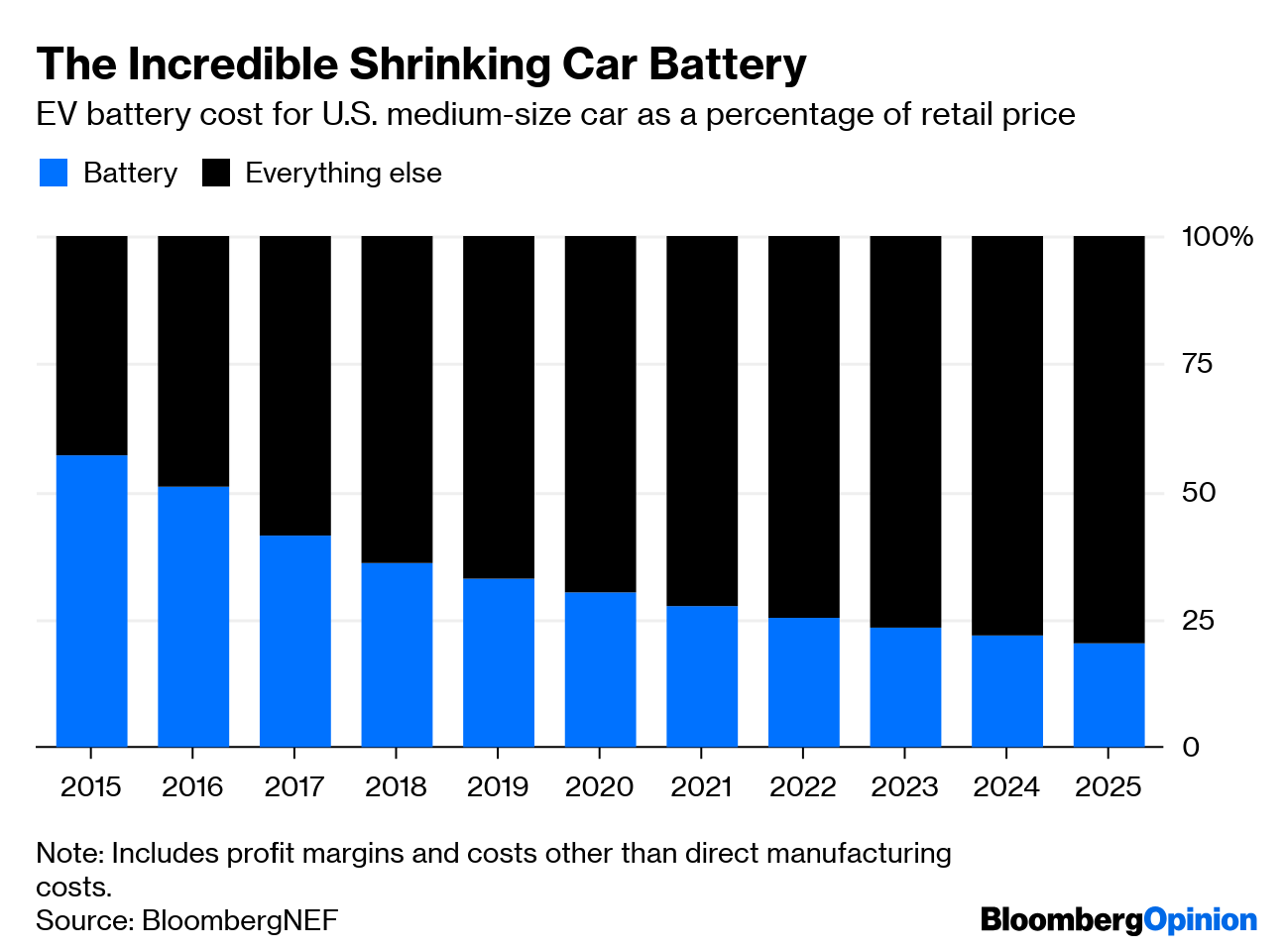
The dramatic price reduction of electric vehicles, particularly electric scooters, marks a significant shift in urban transportation paradigms. This affordability is primarily driven by the plummeting cost of lithium-ion batteries, a critical component that once constituted a substantial portion of an electric vehicle’s total price. As electric car prices continue their downward trend, the underlying assumption is that battery costs must be decreasing, given that the manufacturing expenses for conventional materials like rubber, aluminum, glass, and steel in vehicle construction are relatively stable. However, for lightweight, compact machines like electric scooters, the impact of battery pricing on overall cost is even more pronounced, as these devices are essentially a battery and an electric motor with minimal additional components.
A Historical Perspective: The Battery Barrier

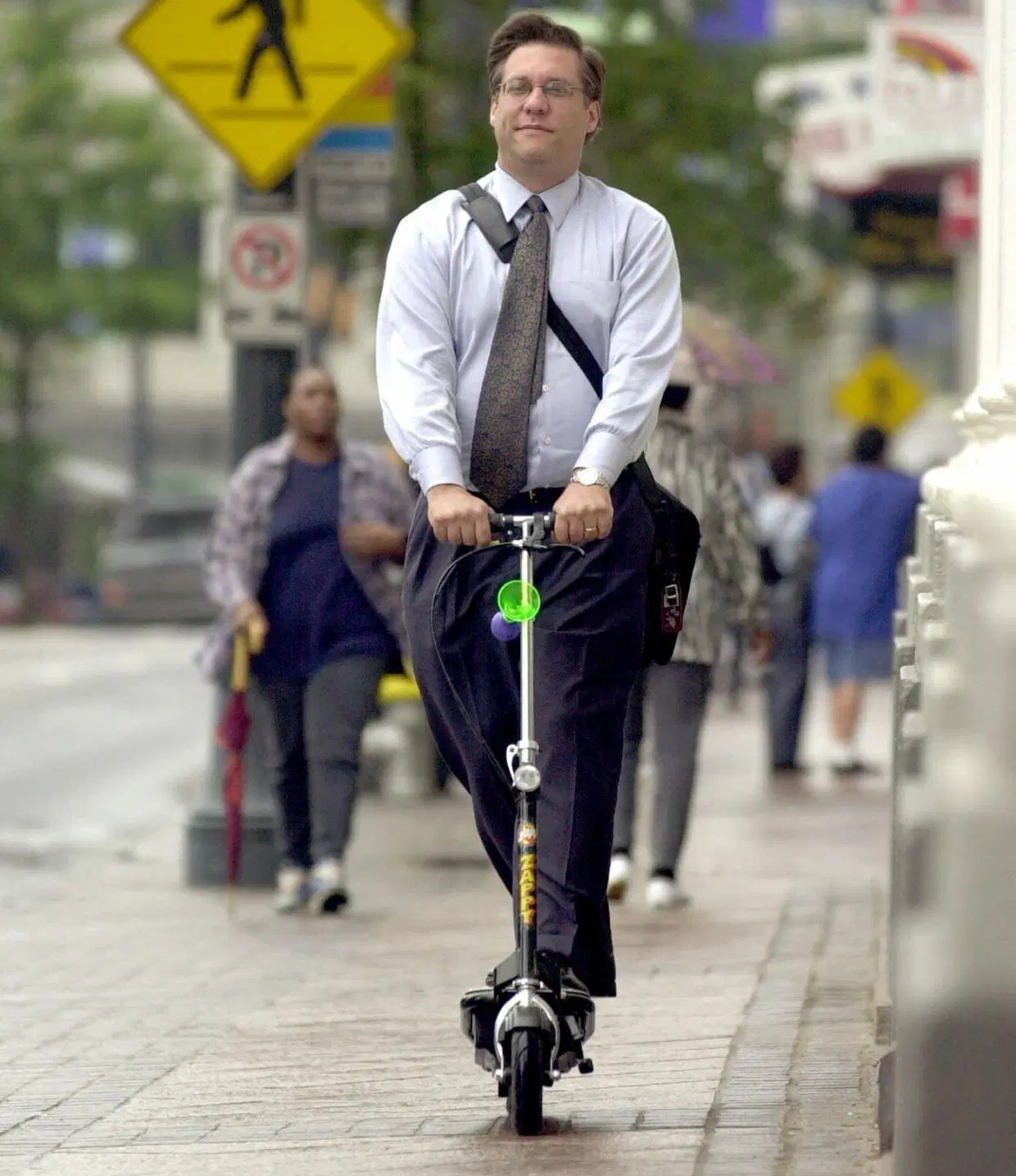
The concept of electric personal transportation is not new. Two decades ago, products such as the Zappy electric scooter attempted to establish a foothold in the market. Similarly, early electric cars faced immense challenges. The primary obstacle for both was the prevailing battery technology of the era: lead-acid batteries. These batteries were notoriously heavy, offered limited power output, provided insufficient range, and required excessively long charging times. In essence, the battery technology was a fundamental impediment to viability. It was only with the significant maturation and widespread adoption of lithium-ion (Li-ion) batteries that both electric cars and electric scooters—and indeed, nearly all modern electric devices—became commercially practical.
Lithium-ion batteries offered a superior energy density, allowing for more power and range in a lighter package, along with faster charging capabilities and a longer cycle life. This technological leap was not merely incremental; it was transformational, enabling a new generation of electric vehicles that could overcome the limitations of their predecessors.
The Economic Transformation: Data on Declining Costs

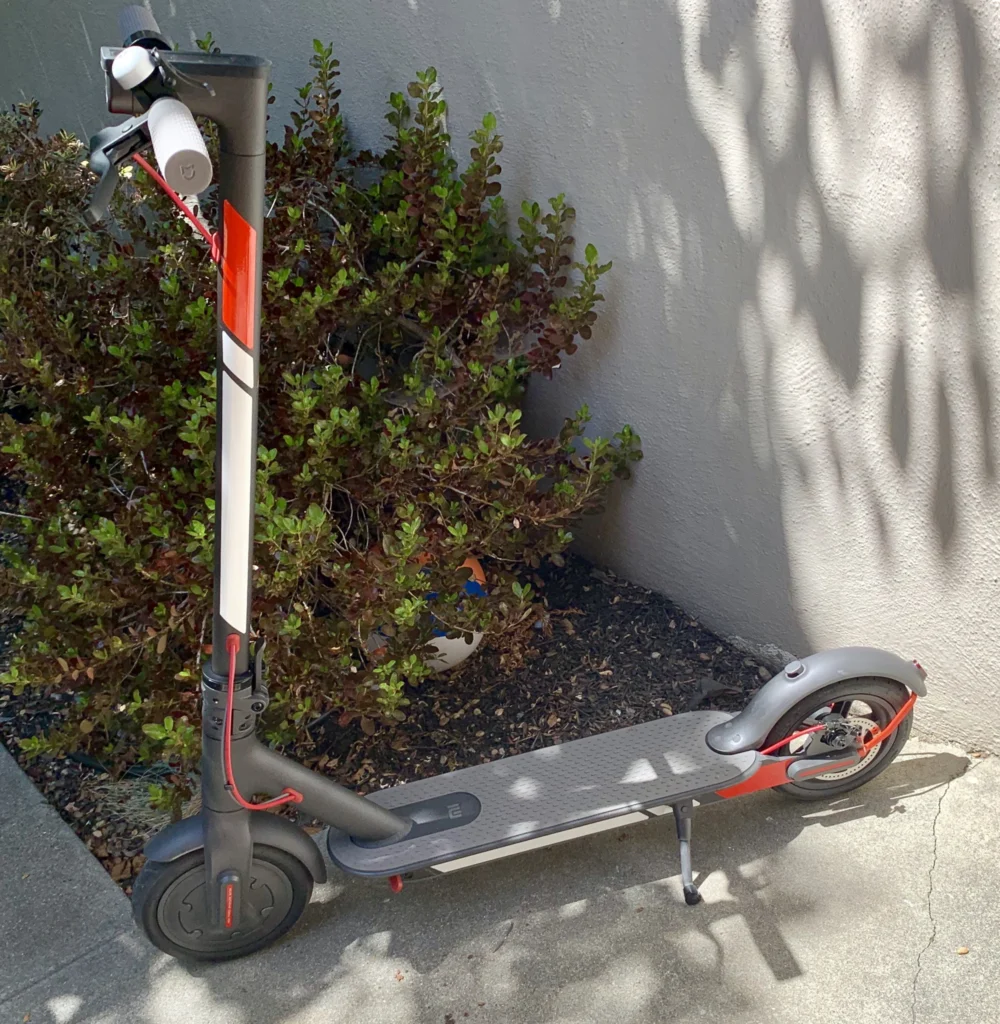
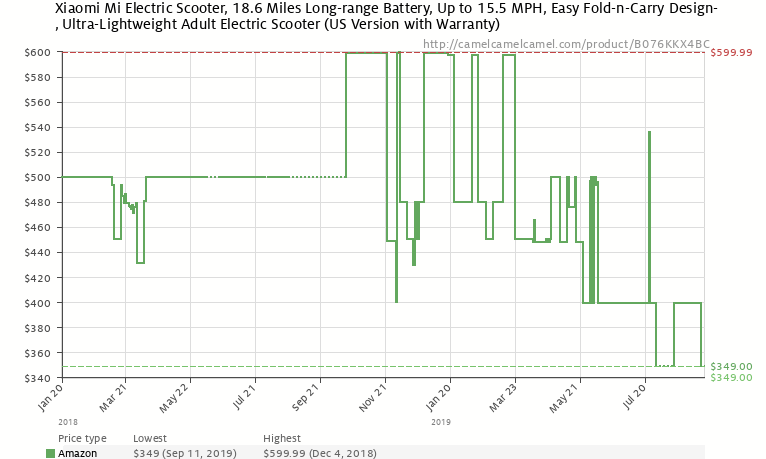
To quantify the impact of decreasing Li-ion battery prices, examining the cost trajectory of popular electric scooter models offers compelling evidence. The Xiaomi Mi M365, a widely adopted model, serves as an excellent case study. Upon its entry into the US market in early 2017, the M365 retailed for approximately $800. Over the subsequent three years, its price experienced a dramatic reduction, effectively halving to around $300-$400 by late 2019. This significant decrease underscores the broader trend of battery cost efficiencies translating directly into consumer affordability for electric vehicles.
This observed price drop in electric scooters aligns with comprehensive industry data on battery costs. According to reports from BloombergNEF, the average price of lithium-ion battery packs has fallen by over 85% since 2010, dropping from more than $1,100 per kilowatt-hour (kWh) to well under $150/kWh by 2019, with projections for further reductions. This economies of scale, coupled with continuous improvements in battery chemistry, manufacturing processes, and supply chain optimization, have been the primary drivers behind the remarkable affordability of electric mobility solutions. For smaller vehicles where the battery represents a larger proportion of the bill of materials, these cost savings are immediately evident in retail prices.
The Rise of Shared Mobility and Market Dynamics
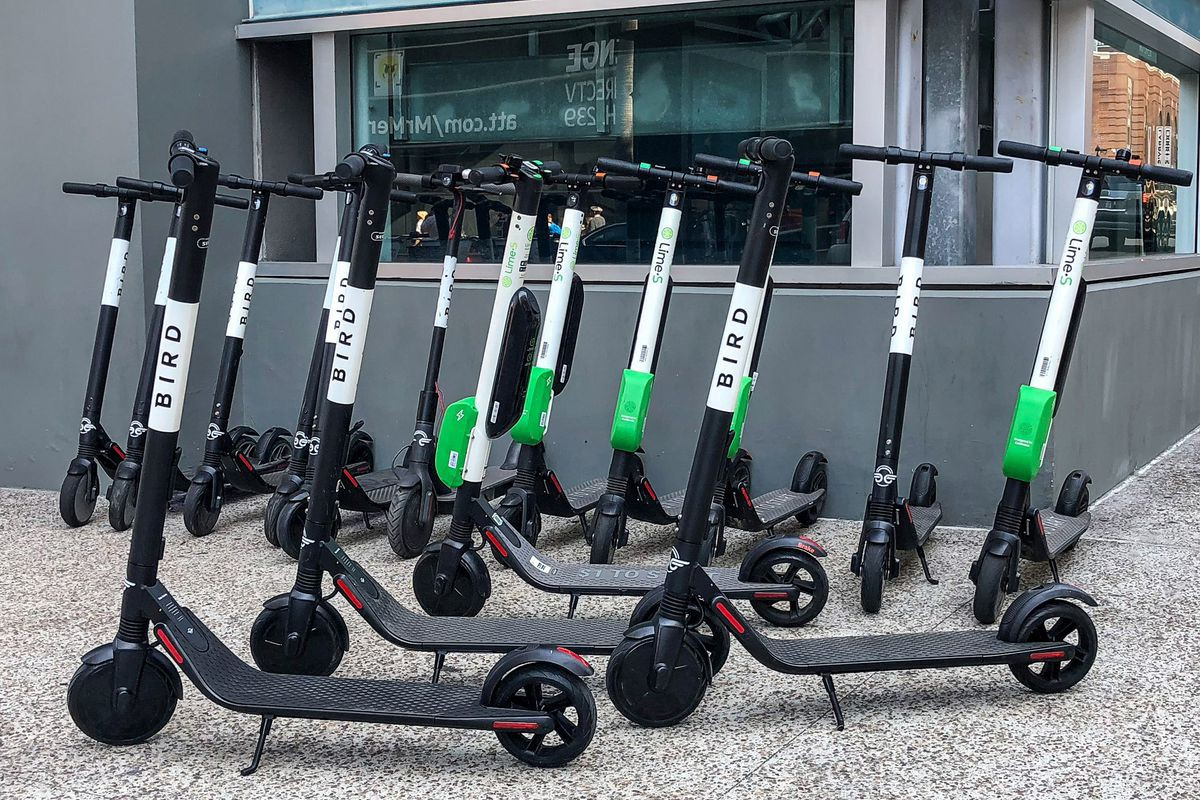
The dramatic drop in electric scooter prices from 2016 to 2019 coincided with the explosive growth of the quasi-legal electric scooter rental industry. Companies like Bird, Lime, Skip, Spin, and Scoot rapidly deployed fleets of scooters in urban centers globally, fundamentally altering perceptions of micro-mobility. Interestingly, early versions of Bird scooters were often slightly modified Xiaomi M365 units, demonstrating the immediate impact of affordable, reliable hardware on the nascent rental market. By late 2018, these companies began migrating to custom-built, ruggedized scooters specifically optimized for the demanding conditions of public rental, reflecting the industry’s rapid evolution and increasing scale.
The shared scooter industry, while popularizing electric scooters, has faced its own set of operational and financial challenges. Initial business models, often based on per-minute rentals, proved difficult to sustain profitability due to high rates of theft, vandalism, and maintenance. This led some operators to experiment with alternative models, such as monthly rental programs. For instance, Bird introduced a program in cities like San Francisco and Barcelona allowing users to rent a Xiaomi M365 for $25 per month, pivoting away from purely transactional, per-ride payments. These evolving strategies highlight the dynamic nature of the micro-mobility market and the continuous search for sustainable business models.
Micro-mobility: A Solution for Urban Congestion
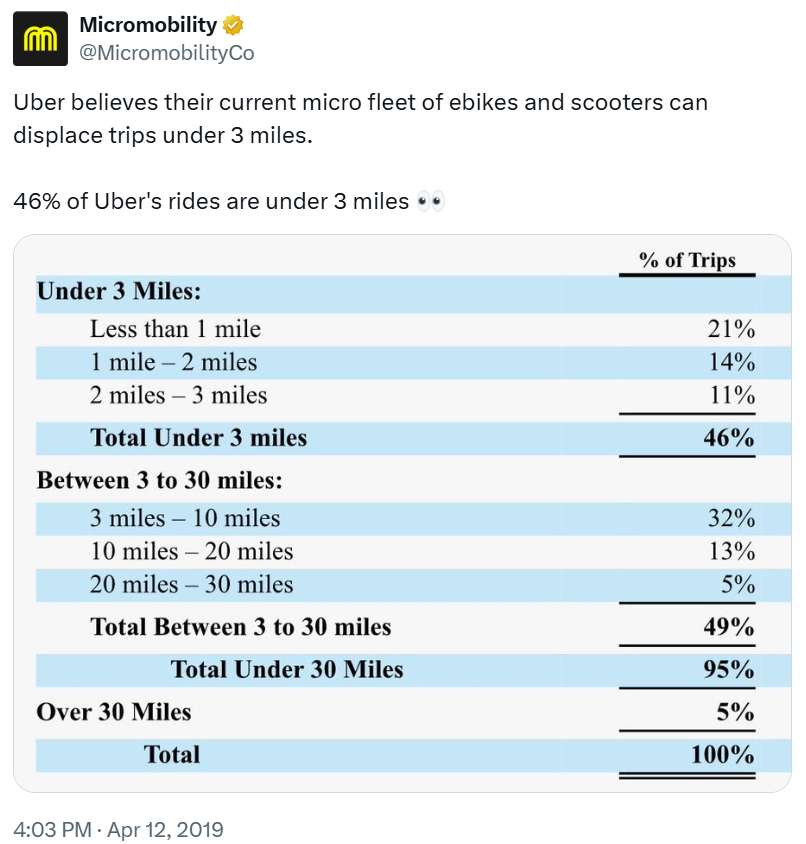
Beyond their role in the shared economy, electric scooters are increasingly viewed as a vital component in addressing urban transportation challenges. Even major transportation platforms like Uber, despite their origins in car-centric ride-sharing, acknowledge the inefficiency of using full-sized automobiles for many common trips. Internal data from Uber suggests that a significant portion of their rides—approximately 46%—are under three miles, a distance range perfectly suited for micro-mobility solutions like electric bicycles and scooters.
This perspective underscores the potential for electric scooters to alleviate urban congestion, reduce reliance on fossil fuels, and provide efficient "last-mile" connectivity, bridging the gap between public transit hubs and final destinations. By offering a convenient, often faster, and environmentally friendlier alternative for short-distance travel, e-scooters contribute to a more diversified and sustainable urban mobility ecosystem.
Navigating the Regulatory Landscape and Safety Considerations
Despite their growing popularity and practical utility, electric scooters face significant regulatory hurdles. Local governments worldwide have struggled to establish consistent and comprehensive legal frameworks for these devices. The resulting patchwork of regulations varies wildly, often lacking apparent logic or uniformity. For example, in California, electric scooter laws in 2019 required riders to possess a valid driver’s license—a restriction not applied to electric bicycles—and prohibited their use on sidewalks. Critics argue that such restrictions are often onerous and unnecessary, potentially hindering adoption.
One aspect of regulation that garners broad agreement, however, is the importance of speed restrictions. A top speed of 15 miles per hour (approximately 24 km/h) is generally considered brisk enough for a standing adult without specialized safety equipment. Exceeding this speed significantly escalates safety risks, making the ride decidedly uncomfortable and dangerous. The market already features high-performance models, such as dual-motor, dual-suspension electric scooters capable of reaching speeds of 40 miles per hour (over 64 km/h). While these cater to a niche segment, their existence highlights the necessity of clear speed regulations for general urban use to ensure public safety.
Safety considerations extend beyond speed to maintenance and operational robustness. For instance, small tires common on many electric scooters are highly susceptible to flats, which can be a significant inconvenience. Solutions like tire sealants (e.g., Slime) or solid tubeless tires (though often at the cost of ride comfort) are common modifications for owners. As the industry matures, manufacturers are increasingly incorporating features that enhance durability and safety, such as improved braking systems, lighting, and more robust chassis designs.
Technological Diversity and the Future of Transportation
The market for electric scooters has rapidly diversified beyond basic models. While the Xiaomi M365 serves as the "Honda Civic" of the electric scooter world—an affordable, reliable everyman model—consumers now have a wide array of choices. Luxury electric scooters offer premium materials and advanced features, ultralight models prioritize portability, and rugged off-road versions cater to adventurous users. This growing diversity reflects the expanding applications and consumer segments for these minimalistic electric vehicles.
The release of successors like the Xiaomi M365 Pro, featuring improvements such as a larger battery, enhanced disc brake, more powerful motor, better display, and an improved latch mechanism, further illustrates the ongoing technological refinement. While these "Pro" improvements are welcome, their incremental nature often means that the value proposition of the more affordable base models remains exceptionally strong, especially given the rapid depreciation of older models.
A fascinating aspect of modern electric vehicles is their inherently digital nature. Features like Bluetooth connectivity, companion mobile applications, and even the possibility of firmware hacking, as seen with the M365, differentiate them from purely mechanical modes of transport. This digital integration opens avenues for customization, performance optimization, and potential smart city integration, positioning electric scooters as more than just personal transport devices but as components of a connected urban ecosystem.
The journey of electric personal mobility has seen its share of false starts and unfulfilled promises. The Segway, launched in 2001 with immense hype, was envisioned as a world-changing technology. Priced at $5,000 at launch (approximately $7,248 in inflation-adjusted 2019 dollars), it largely failed to live up to expectations, becoming more of a novelty or a tool for niche applications. In contrast, the current generation of affordable electric scooters, priced between $200 and $400, represents the true realization of the Segway’s original transformative vision. They offer accessible, agile, and efficient personal transportation that is genuinely changing how individuals navigate urban environments.
While challenges remain, particularly in harmonizing regulations, ensuring user safety, and integrating with existing infrastructure, the rapid advancements in battery technology and the subsequent market expansion of electric scooters indicate a clear trajectory. They are poised to play an increasingly significant role in the future of urban transportation, offering a sustainable and practical solution for a substantial portion of daily travel needs, a future that took two decades to fully materialize.
About the Author