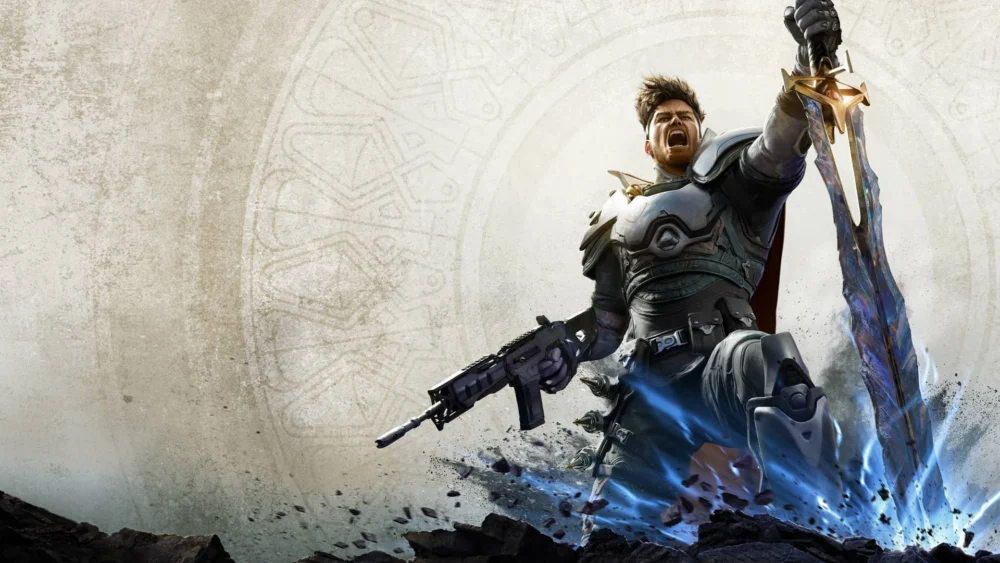
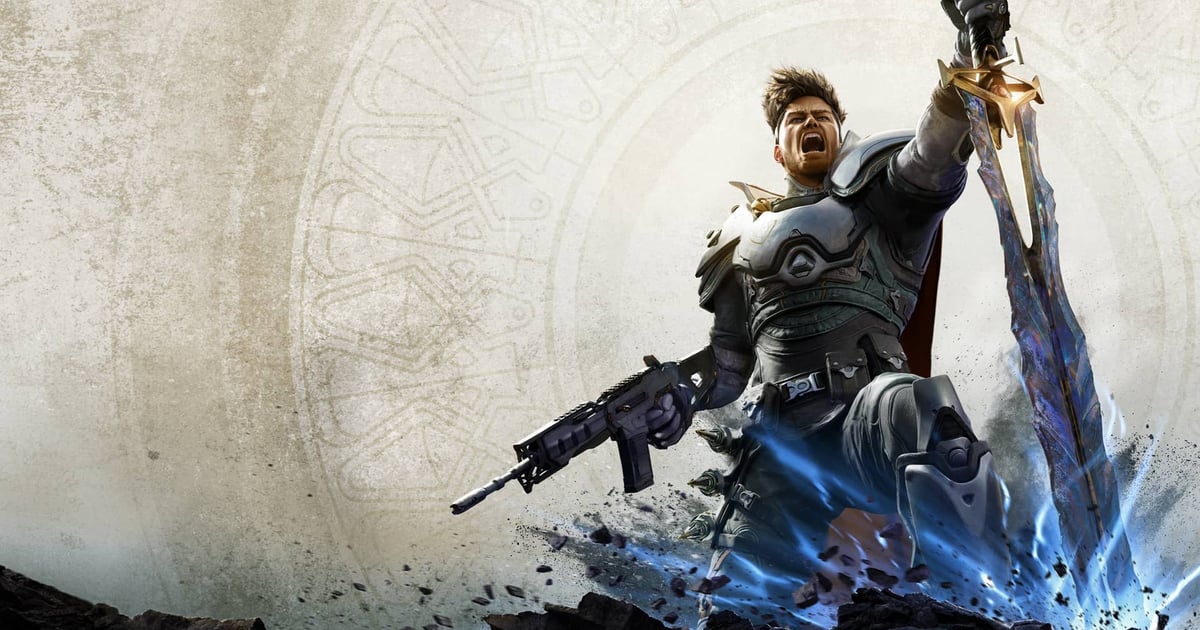
Wildlight Entertainment, the developer behind the much-discussed multiplayer live-service shooter Highguard, has officially announced that the game will be going permanently offline. This decision comes barely a month after its highly anticipated launch, which followed a prominent debut at the 2026 Game Awards. Despite significant pre-release buzz and an initial player base exceeding two million, Highguard struggled to establish a sustainable presence in the highly competitive online gaming market, culminating in the closure of its servers on March 12, 2026. The announcement, made via a statement shared on the social media platform X, expressed gratitude to the dedicated community while acknowledging the studio’s inability to foster long-term viability for the title.
The Trajectory of a Troubled Launch
Highguard‘s journey has been a whirlwind of high expectations, immediate challenges, and a rapid decline, serving as a stark reminder of the volatile nature of the live-service gaming model. The game first captured public attention during the prestigious 2026 Game Awards, where its cinematic trailer and promises of innovative gameplay in a sprawling sci-fi universe generated considerable excitement. Billed as a fresh take on the competitive shooter genre, Highguard aimed to blend fast-paced combat with evolving lore and community-driven content, elements that typically resonate well with the modern gaming audience.
However, the enthusiasm quickly waned following its launch in January 2026. Industry analysts and players alike noted a significant disparity between the polished presentation at the Game Awards and the reality of the live product. Initial reviews highlighted a range of issues, including persistent server instability, a perceived lack of content depth beyond its core offerings, and a monetization model that drew criticism for being overly aggressive. Technical glitches, ranging from frequent disconnections to performance bottlenecks on various hardware configurations, further plagued the early player experience. These factors collectively contributed to a challenging environment for new player acquisition and, more critically, for retaining the initial influx of curious gamers.
Within weeks of its debut, reports surfaced detailing significant internal struggles at Wildlight Entertainment. A mere two weeks after Highguard‘s launch, the studio reportedly underwent substantial layoffs, reducing its workforce to a "core team." This drastic measure, taken so soon after a major release, signaled profound financial and operational difficulties, casting a long shadow over the game’s future and raising questions about its development and business strategy. The rapid reduction in staff undoubtedly impacted the studio’s capacity to address the game’s myriad issues and deliver the consistent content updates crucial for a live-service title’s survival.
Official Statement and Community Reaction
On February 28, 2026, Wildlight Entertainment posted a formal statement on the game’s official X account, confirming the impending shutdown. The statement read: "Since launch, more than 2 million players stepped into Highguard’s world. You shared feedback, created content, and many believed in what we were building. For that, we are deeply grateful. Despite the passion and hard work of our team, we have not been able to build a sustainable player base to support the game long term. Servers will remain online until March 12th. We hope you’ll jump in with us one more time to show your support and get those final great matches in while we still can."
This announcement was met with a mix of sadness, disappointment, and, for some, an unsurprised resignation within the gaming community. On platforms like Reddit, Discord, and various gaming forums, players shared their final moments in Highguard, reminisced about promising early experiences, and voiced concerns about the broader trend of live-service games failing shortly after launch. While many expressed empathy for the developers, particularly those affected by the earlier layoffs, others articulated frustration over perceived unfulfilled promises and the investment of time and money into a game with such a short lifespan. Calls for clarity regarding potential refunds for in-game purchases or premium editions, though not addressed in Wildlight’s statement, also emerged as a recurring theme among the player base.
Behind the Scenes: Tencent Backing and Development Woes
The narrative of Highguard‘s swift ascent and equally swift decline is intricately linked to several behind-the-scenes factors that have been subjects of ongoing industry speculation and investigative reports. One of the most significant revelations concerned the game’s undisclosed lead financial backer: Tencent, the Chinese multinational technology and entertainment conglomerate known for its extensive investments in the global gaming industry. This "secret Tencent backing," as reported by various outlets, suggested a significant financial commitment, which often comes with its own set of pressures and expectations regarding market performance and return on investment.
Reports also hinted at a "potentially flawed development process" and "hubris" that may have contributed to Highguard‘s lackluster debut. While specifics remain under wraps, common pitfalls in ambitious projects often include overly aggressive timelines, scope creep, mismanaged resources, and a disconnect between developer vision and market realities. The pressure to deliver a high-profile title, especially one backed by a major investor, can lead to compromises in quality assurance, content polish, and server infrastructure stability in a rush to market. In Highguard‘s case, it appears these pressures may have overshadowed critical development stages, resulting in a product that struggled to meet the high bar set by its own marketing and the expectations of a discerning player base. The competitive landscape for live-service shooters, dominated by titans like Fortnite, Apex Legends, and Call of Duty, further amplified the need for Highguard to launch with impeccable quality and a compelling unique selling proposition, a challenge it ultimately could not overcome.
The Final Days and Uncertain Future for Wildlight Entertainment
In its parting gesture, Wildlight Entertainment confirmed that a final content update would be released in the week preceding the shutdown. While details of this update are sparse, it is anticipated to be a last hurrah for the remaining players, potentially unlocking previously inaccessible content, offering cosmetic items, or providing a final, celebratory game mode to mark the end of Highguard‘s operational life. This act serves as a poignant epilogue for the game and its developers, a final opportunity for players to engage with the world that, for a brief period, held so much promise.
The future of Wildlight Entertainment itself remains profoundly uncertain. Having been "reduced to a ‘core team’" shortly after the game’s launch, the studio’s ability to pivot to new projects or even sustain its current operations is highly questionable. Industry observers suggest several possible outcomes: the complete dissolution of the studio, a potential acquisition by another entity, or a drastic reorientation towards smaller, less ambitious projects with a different business model. The talent within the "core team" might disperse to other studios, further complicating any potential revival efforts. The human cost of such ventures, particularly the impact on the careers and livelihoods of the developers involved, is a significant and often overlooked aspect of these commercial failures.
Broader Implications for the Gaming Industry
Highguard‘s rapid rise and fall is more than just the story of one game; it is a microcosm of the broader challenges and evolving dynamics within the modern gaming industry, particularly concerning the live-service model.
-
Market Saturation and Player Fatigue: The incident underscores the intense competition in the live-service arena. Players have an abundance of high-quality, free-to-play, and established titles vying for their time and money. New entrants must not only offer exceptional gameplay but also innovative features, robust community support, and a compelling reason for players to abandon their existing investments in other games. Highguard‘s failure to carve out a sustainable niche suggests that simply being "ambitious" or "new" is no longer enough.
-
Investor Caution and Due Diligence: For investors like Tencent, the failure of Highguard will undoubtedly prompt a reassessment of strategies for backing new studios and live-service projects. The substantial capital required to develop and launch such games, coupled with the high risk of failure, necessitates even greater scrutiny of development pipelines, market analysis, and the long-term viability plans of potential investments. It reinforces the idea that financial backing alone cannot guarantee success without a fundamentally sound product and execution.
-
The Perils of Hype and Early Access: While Highguard did not officially launch as an "early access" title, its rushed post-Game Awards launch with apparent technical and content deficiencies mirrored many criticisms leveled against games that launch prematurely under the early access banner. The lesson is clear: an unpolished product, regardless of marketing hype, risks alienating its initial player base and struggling to recover. Building trust and delivering a solid foundational experience from day one are paramount.
-
The Human Cost of Development: The layoffs at Wildlight Entertainment highlight the precarious nature of game development careers, particularly in studios attempting to launch high-risk, high-reward projects. The industry must grapple with finding sustainable development practices that protect creative talent from the severe consequences of commercial failures.
-
Consumer Trust and Digital Ownership: Each live-service game shutdown erodes consumer confidence in the long-term viability of online-only titles and the value of digital purchases within them. Players are increasingly wary of investing in games that could disappear, leading to a demand for greater transparency from developers and publishers regarding their commitment to maintaining server infrastructure and providing fair compensation or alternatives when games are sunset.
Highguard‘s story will likely be referenced as a cautionary tale in future discussions about the live-service model’s sustainability. It serves as a stark reminder that even with significant financial backing and initial player interest, the fundamental challenges of delivering a consistently engaging, technically sound, and continuously evolving online experience are formidable. As the servers go dark on March 12, 2026, Highguard will transition from a promising new entrant to a chapter in the ongoing saga of the video game industry’s relentless evolution. Game Developer has reached out to Wildlight Entertainment for further comment and will update this story as new information becomes available.
About the Author