Unreal Engine 5’s integrated SaveGame system is set to significantly streamline the development of modern video games by providing a robust, built-in solution for data persistence. This crucial functionality, often a complex undertaking for developers, now comes pre-configured within the engine, allowing for the easy saving and loading of game data to user-specific files. The implementation promises to enhance development efficiency and contribute directly to a more seamless player experience across a multitude of titles.
The Evolving Landscape of Game Persistence
The ability to save and load game progress is no longer a luxury but an absolute necessity for contemporary interactive entertainment. From sprawling open-world epics to intricate RPGs and even casual mobile titles, players expect their progress, inventory, character statistics, and world states to be reliably preserved across play sessions. Industry data consistently shows that a dependable save system directly correlates with higher player retention rates and overall satisfaction. A 2023 survey by the Game Developers Conference indicated that save/load functionality is considered a core feature by 98% of developers, with reliability being a top priority. Prior to such integrated solutions, developers frequently spent considerable resources building custom save systems, a process prone to errors and often requiring extensive debugging. This often meant diverting valuable time from core gameplay development, particularly for smaller independent studios.
Epic Games, the creator of Unreal Engine, has historically positioned its engine as a comprehensive toolkit designed to democratize game development. The introduction of this refined SaveGame system in Unreal Engine 5 aligns perfectly with this philosophy, building upon earlier iterations and refining the process for the latest generation of game design. The system’s architecture abstracts much of the underlying file I/O operations, presenting developers with a high-level interface that is both powerful and intuitive.
Understanding the Core Mechanism
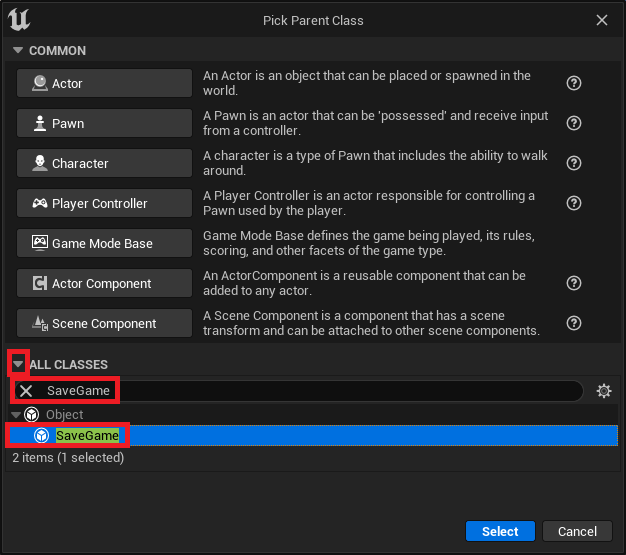
At the heart of Unreal Engine 5’s persistence solution lies the SaveGame class. This dedicated Blueprint class is engineered to serve as a universal container for any data that needs to be saved to disk. Developers simply define variables within a custom SaveGame Blueprint, and the engine handles the serialization and deserialization processes. This means that almost any variable type, from basic integers and booleans to complex vectors, arrays, and even custom UObjects, can be seamlessly stored and retrieved.
The data, once serialized, is stored in a structured file on the user’s local machine. The specific storage locations are platform-dependent, ensuring adherence to operating system conventions:
- Windows: Typically within the Local Appdata folder, often under a path like
%LOCALAPPDATA%/[YourGameName]/Saved/SaveGames/. - MacOS: Located in
Library/Application Support/[YourGameName]/Saved/SaveGames/. - Linux: Stored in
/home/username/.local/share/[YourGameName]/Saved/SaveGames/.
This standardized approach to file storage ensures consistency and simplifies debugging across different environments. The engine manages the low-level interactions with the file system, freeing developers from concerns about directory creation, file permissions, or data corruption during write operations.
Streamlined Implementation for Developers
The process of integrating save and load functionality within an Unreal Engine 5 project is notably straightforward, leveraging the engine’s visual scripting language, Blueprints. Developers familiar with basic Blueprint concepts, variable management, custom events, and the Game Instance will find the workflow intuitive.

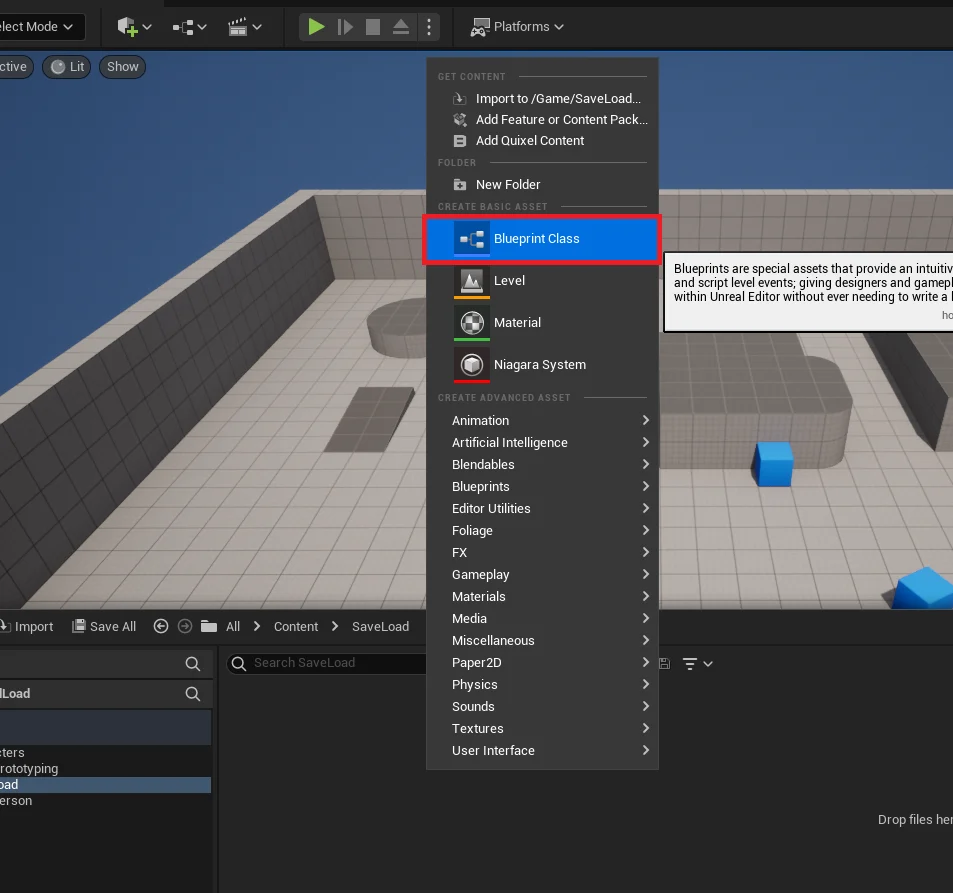
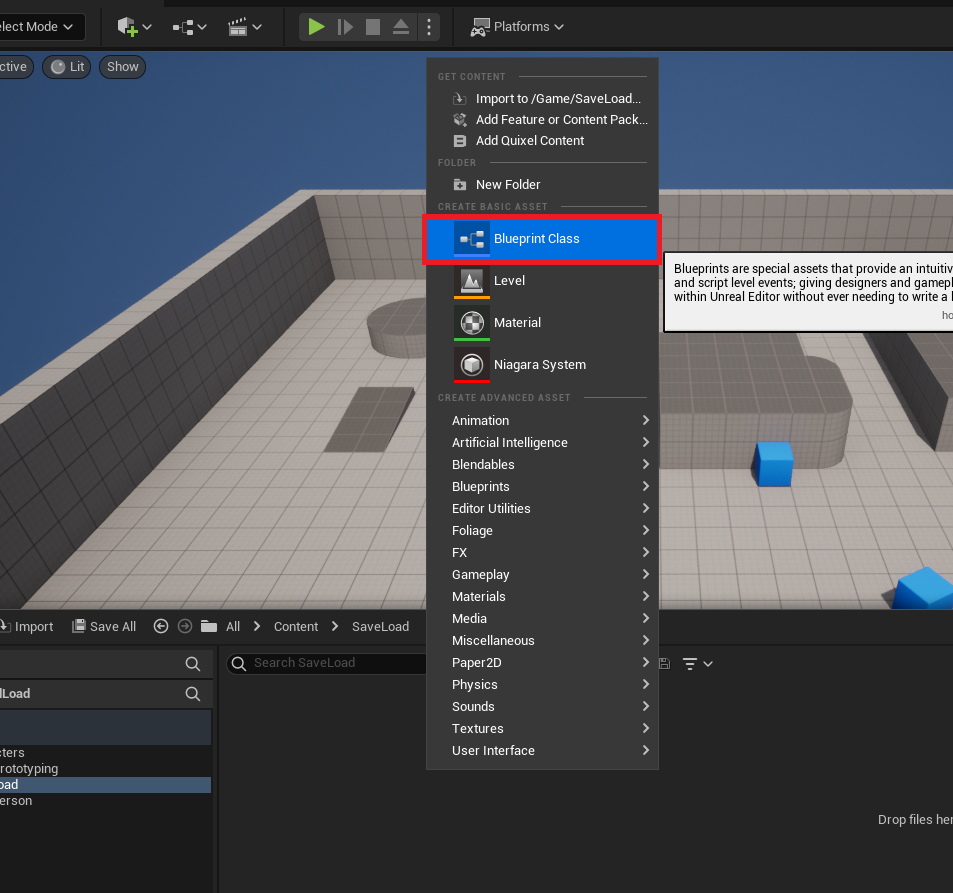
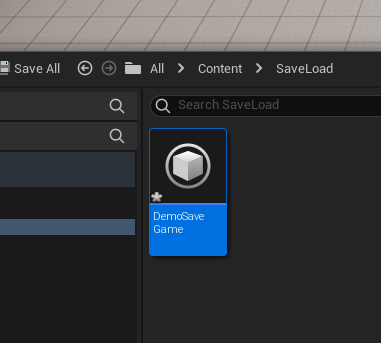
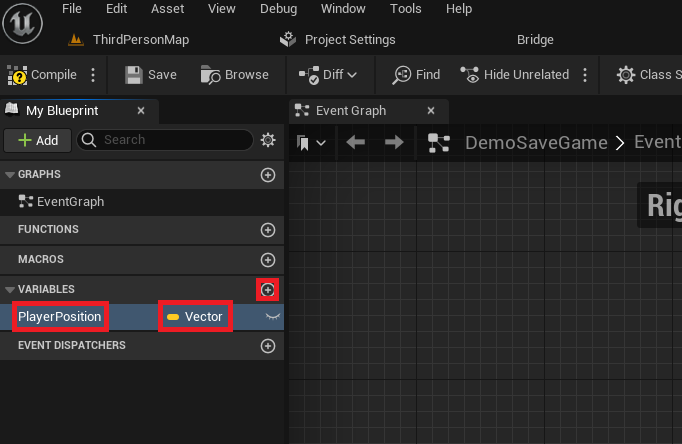
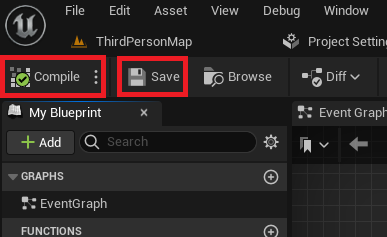
The initial step involves creating a custom Blueprint class derived from the base SaveGame class. This new class then becomes the central repository for all data intended for persistence. For instance, a developer might define a Vector variable named "PlayerPosition" to store the player character’s last known coordinates. Once variables are defined, the Blueprint is compiled and saved, making these data structures available for interaction throughout the game logic.

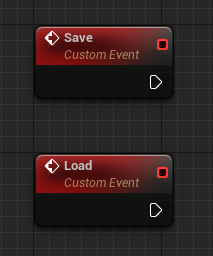
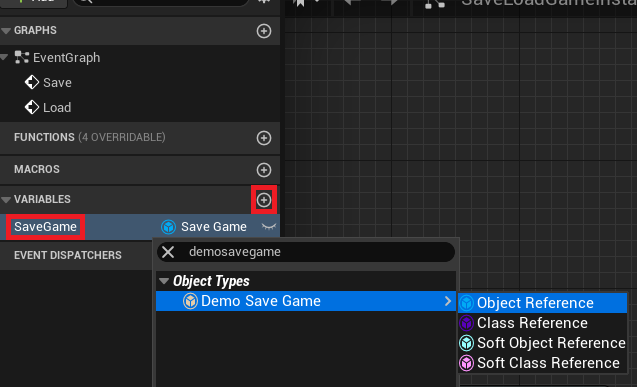
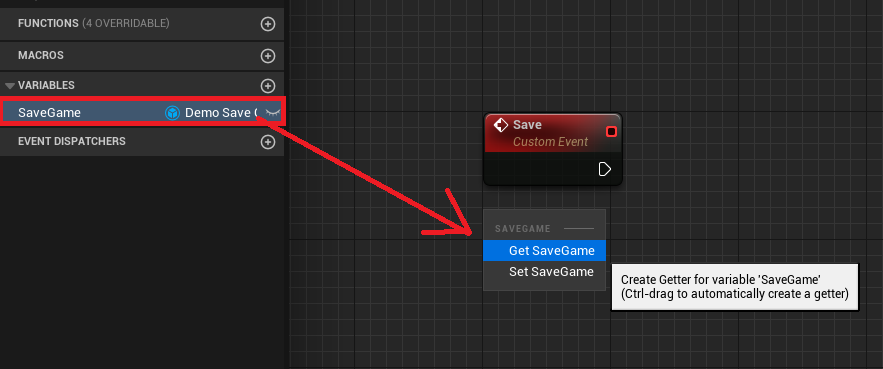
The core save and load logic is typically centralized within the game’s Game Instance – a persistent object that exists for the entire lifetime of the game application, independent of level changes. This ensures that save/load operations can be triggered at any point, maintaining consistency across different game states. Within the Game Instance, developers establish custom events, such as "Save" and "Load," which orchestrate the data persistence workflow. A dedicated variable within the Game Instance is used to hold a reference to the custom SaveGame object, facilitating easy access to its contained data.
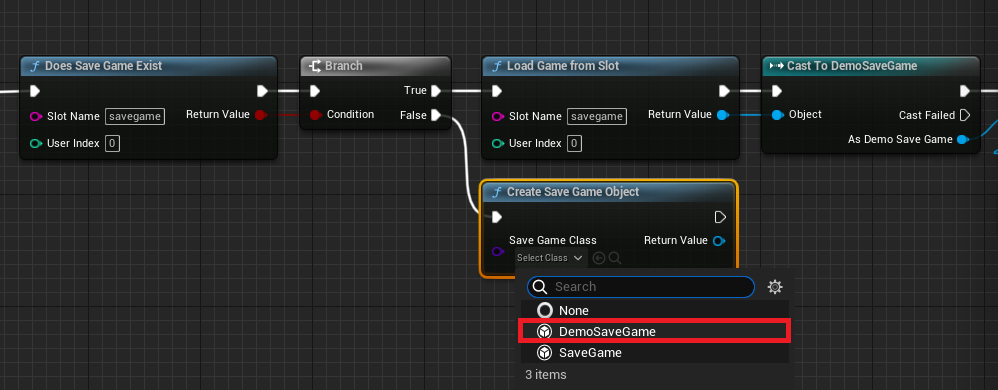
Robust Data Loading and Error Handling
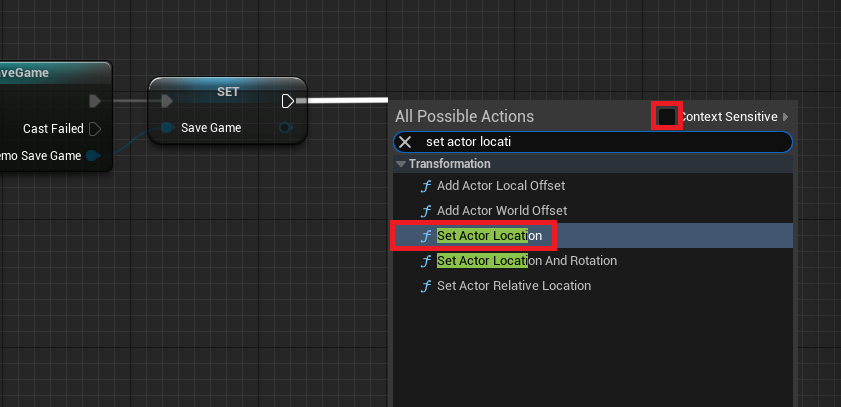
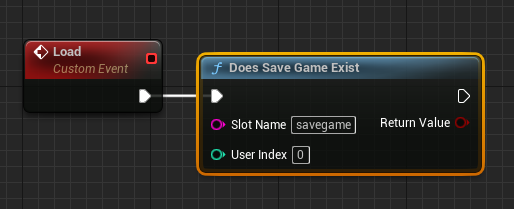
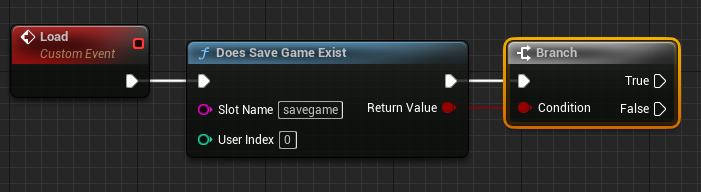
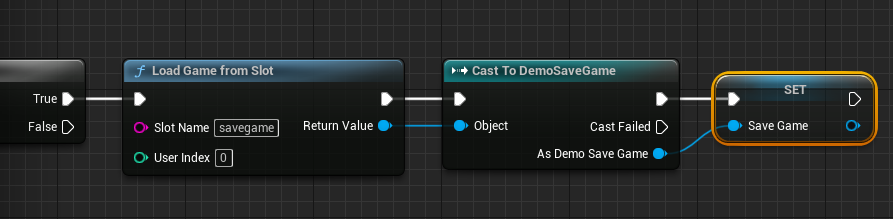
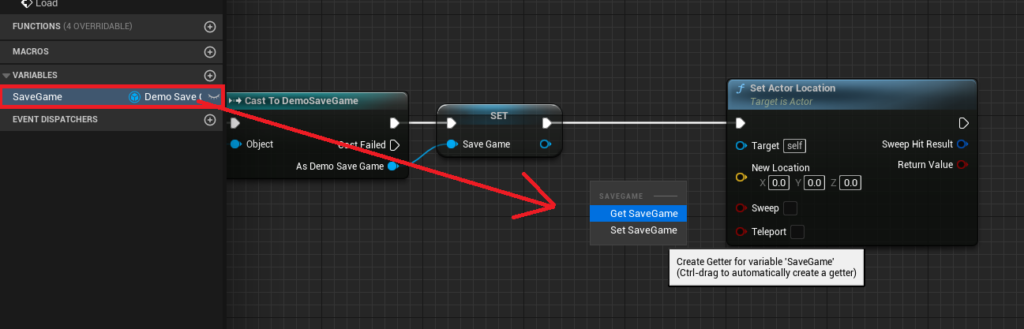
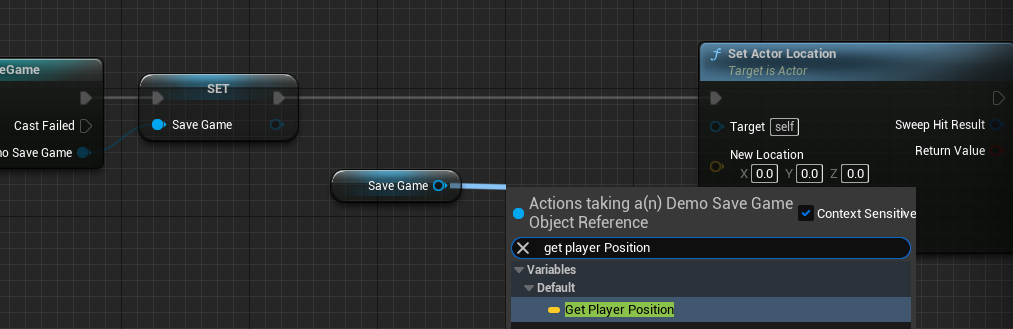
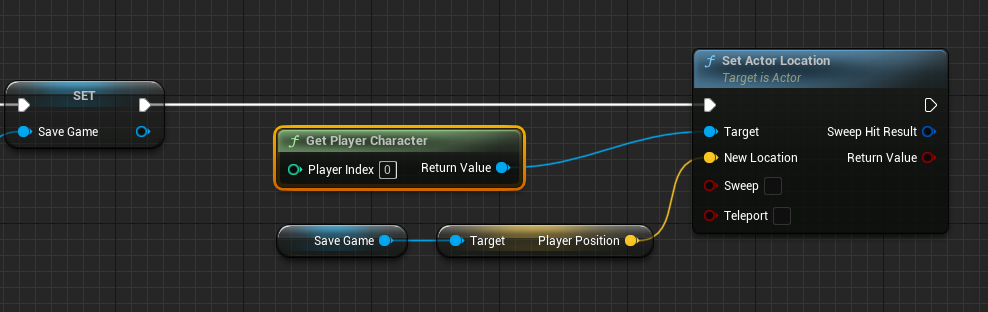
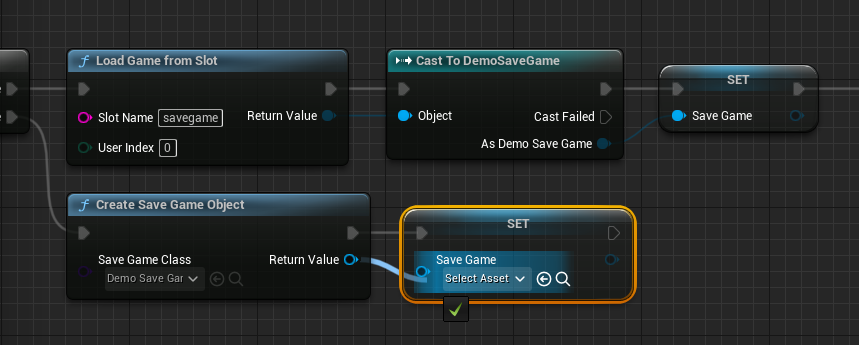
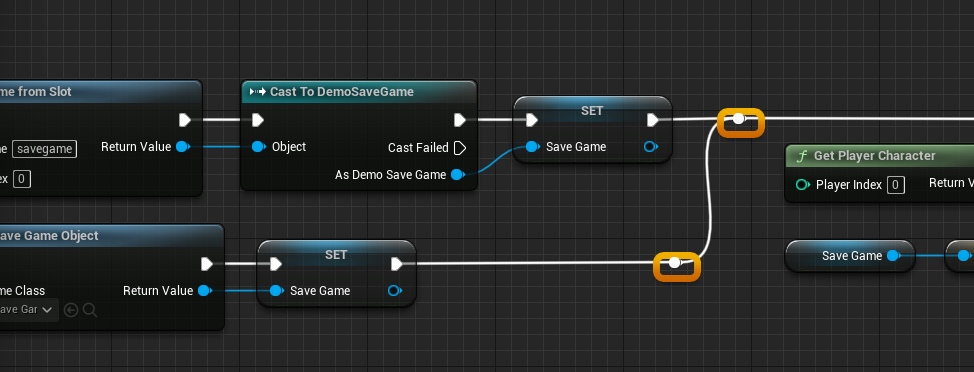
When loading data, the system prioritizes robustness and error handling. Before attempting to load, a "Does Save Game Exist" node is employed. This crucial check verifies the presence of a save file for a given "Slot Name." The "Slot Name" acts as a unique identifier for different save files, allowing games to support multiple player profiles or save slots. If a save file exists, the "Load Game From Slot" node retrieves the serialized data. This generic SaveGame object is then "Cast To" the developer’s custom SaveGame class (e.g., "Cast to DemoSaveGame"), ensuring type-safe access to the specific variables defined within. Once cast, the loaded data can be immediately applied to the game state, such as setting the player character’s location using the "Set Actor Location" node and the retrieved "PlayerPosition" vector.
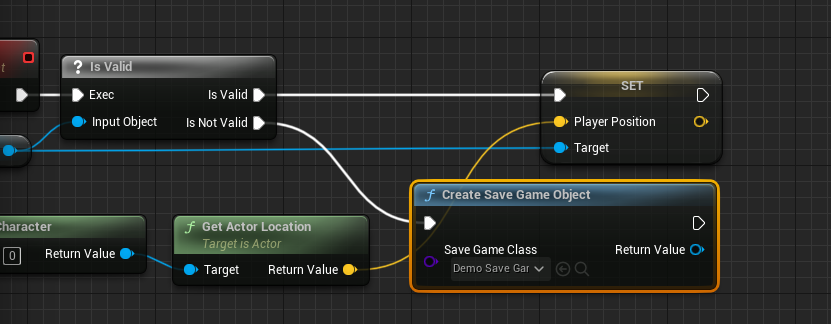
In scenarios where a save file does not exist (e.g., a player’s first launch of the game), the system gracefully handles this by creating a new SaveGame object using the "Create Save Game Object" node. This newly instantiated object is then assigned to the Game Instance‘s SaveGame variable, ensuring that all subsequent save operations have a valid target. This bifurcated logic guarantees that the game always has a valid SaveGame object to interact with, whether loading existing data or initializing a new save state.
Efficient Data Saving Mechanisms
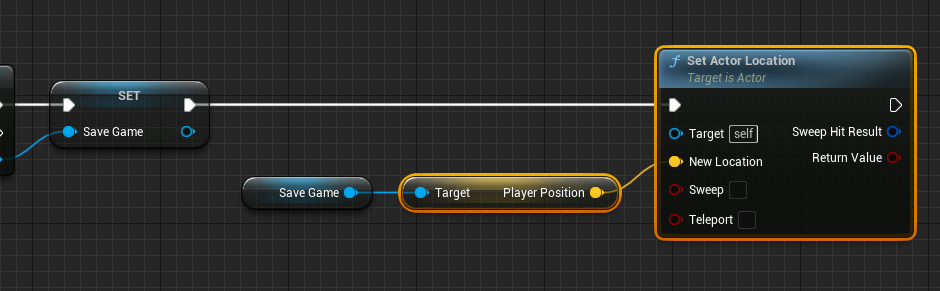
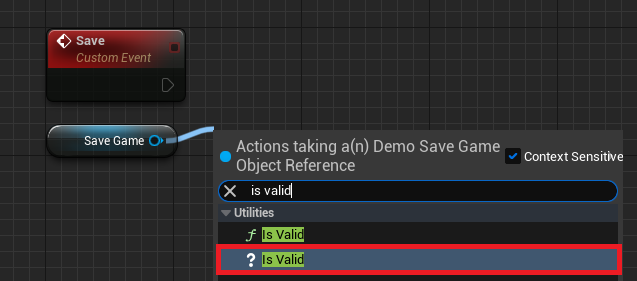
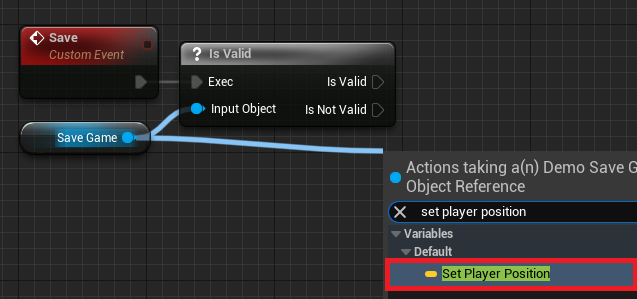
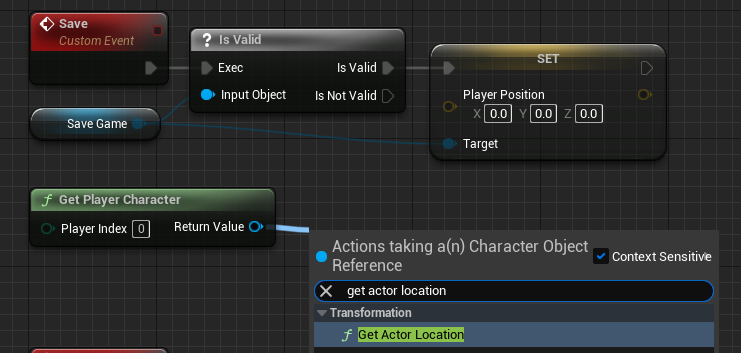
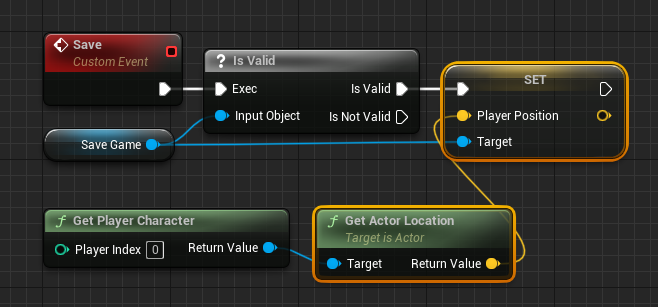
Saving data follows a similar pattern, beginning with a validation check to ensure the SaveGame object reference is valid. If valid, the current game state, such as the player character’s current location, is retrieved using nodes like "Get Player Character" and "Get Actor Location." This dynamic data is then assigned to the corresponding variables within the SaveGame object (e.g., "Set Player Position").
A key design choice for developers arises during the final step of writing data to disk: whether to use "Save Game to Slot" or "Async Save Game to Slot."
- "Save Game to Slot": This is a synchronous operation, meaning the game’s execution will pause briefly while the data is written. It is ideal for smaller amounts of data where the performance impact is negligible.
- "Async Save Game to Slot": This node performs the save operation on a separate thread, preventing any noticeable hitches in gameplay. It is the recommended approach for games saving substantial amounts of data, ensuring a smooth and uninterrupted player experience.
Both methods require the "Slot Name" to match the one used during loading, maintaining the integrity of the save file.
Impact and Implications for the Gaming Industry
The refined SaveGame system in Unreal Engine 5 carries significant implications for the broader gaming industry:
-
Accelerated Development Cycles: By providing a ready-to-use, robust persistence system, Epic Games removes a major development hurdle. This allows studios, particularly smaller teams and independent developers, to allocate more time and resources to innovative gameplay mechanics, narrative design, and graphical fidelity, rather than foundational backend systems. This can lead to faster time-to-market for games.
-
Enhanced Player Experience: Reliable saving is paramount for player satisfaction. A built-in, well-tested system reduces the likelihood of frustrating bugs like lost progress or corrupted save files, fostering greater trust and enjoyment in the game. The option for asynchronous saving further ensures that even complex save operations do not interrupt gameplay flow.
-
Lower Barrier to Entry: The Blueprint-driven nature of the SaveGame system means that developers do not necessarily need deep C++ programming knowledge to implement sophisticated persistence. This democratizes access to advanced game development features, making Unreal Engine 5 an even more attractive platform for a wider range of creators.
-
Consistency Across Projects: A standardized engine-level solution promotes a level of consistency in how data is handled across different Unreal Engine titles. While specific implementations will vary, the underlying framework provides a reliable foundation.
-
Future-Proofing: As games continue to grow in complexity and scale, the need for efficient and scalable data management will only intensify. A robust, integrated system like this provides a solid foundation for future advancements in data persistence, including potential cloud saving integrations or more sophisticated data encryption techniques.
In conclusion, Unreal Engine 5’s comprehensive SaveGame system represents a significant step forward in simplifying one of the most fundamental yet challenging aspects of modern game development. By offering a flexible, robust, and easy-to-implement solution, Epic Games empowers developers to create richer, more engaging, and more reliable experiences for players worldwide, further solidifying Unreal Engine 5’s position as a leading engine in the interactive entertainment landscape.
About the Author