A landmark decision by Delaware Vice Chancellor Lori Will has found in favor of Charlie Cleveland, Max McGuire, and Ted Gill, three ousted executives of game developer Unknown Worlds, against their publisher, Krafton. The ruling, made public today via the Delaware State Court of Chancery website, declared that Krafton "deliberately schemed" to remove the trio from the studio to circumvent a potential $250 million earnout payout tied to the success of the highly anticipated Subnautica 2. The court has mandated the immediate restoration of Ted Gill as CEO of Unknown Worlds, granting him "full operational authority," including the final say on the game’s release date. This judgment sends a strong signal regarding corporate governance, publisher-developer relations, and the enforceability of contractual agreements in the dynamic video game industry.
The Genesis of a High-Stakes Legal Battle
The core of the dispute revolved around the acquisition of Unknown Worlds by Krafton, a South Korean video game holding company best known for publishing PUBG: Battlegrounds, and the subsequent earnout agreement. An earnout, a common clause in mergers and acquisitions, stipulates that a portion of the purchase price is contingent on the acquired company meeting specific performance targets, typically financial, over a set period. In this case, Cleveland, McGuire, and Gill stood to receive a substantial $250 million payout if Subnautica 2 met pre-agreed revenue goals, presumably upon its Early Access release. The plaintiffs alleged that Krafton intentionally sought to delay this critical Early Access launch to avoid triggering the massive payout, ultimately leading to their termination when they resisted. Vice Chancellor Will’s opinion unequivocally supported this narrative, characterizing Krafton’s actions as a calculated attempt to avoid financial obligations.
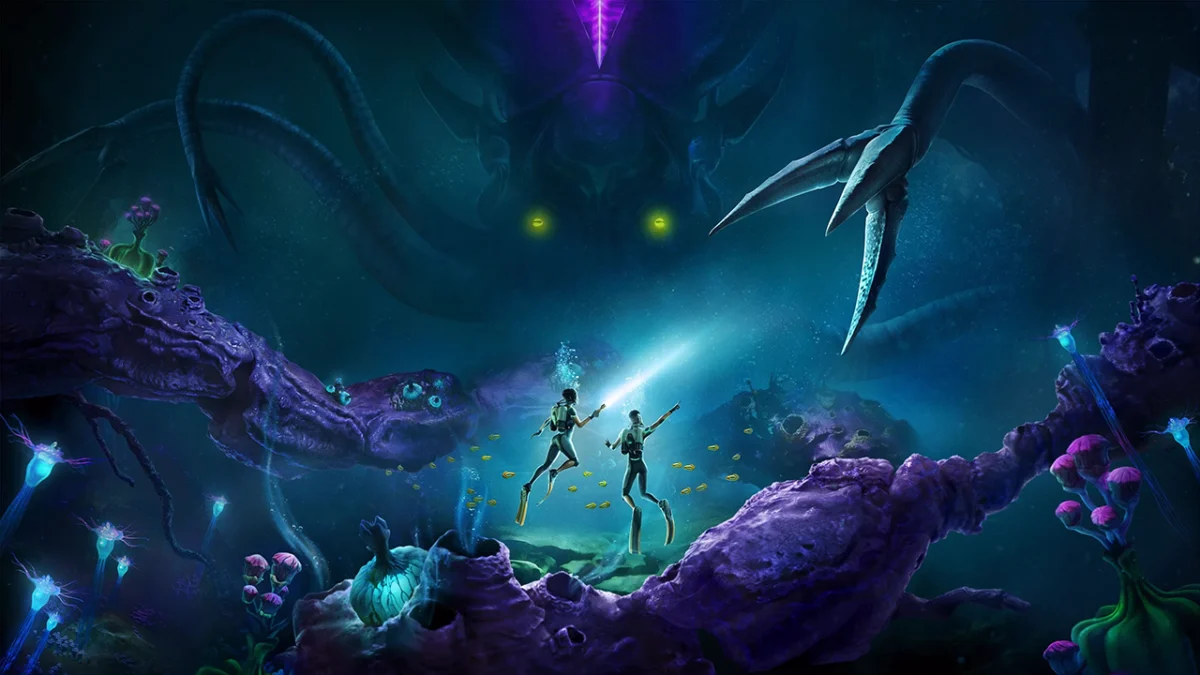
The video game industry has seen a surge in mergers and acquisitions in recent years, often involving earnout clauses designed to incentivize continued performance from acquired studios. While such agreements can foster collaboration, they also inherently carry risks of conflict, particularly when the financial stakes are as high as a quarter of a billion dollars. The Subnautica franchise, renowned for its innovative underwater survival exploration gameplay, has cultivated a dedicated global fanbase. The prospect of Subnautica 2 represents a significant financial and creative asset, making the control over its release date a critical point of contention.
A Detailed Chronology of Corporate Intrigue
The timeline leading to this legal confrontation reveals a complex interplay of strategic decisions, corporate ambitions, and alleged contractual breaches. Krafton, a major player in the global gaming market with a reported annual revenue in the billions, acquired Unknown Worlds, the acclaimed independent studio behind the Subnautica series. The acquisition was undoubtedly aimed at bolstering Krafton’s portfolio with established IP and a talented development team.
Following the acquisition, the studio released Moonbreaker, a strategy game that, according to court documents, did not meet commercial expectations. This outcome appears to have significantly influenced Krafton’s perception of the acquisition’s value and the impending Subnautica 2 earnout.
- Post-Moonbreaker Performance: After Moonbreaker‘s lukewarm reception, Cleveland and McGuire, key creative and operational figures, transitioned into more "peripheral roles" at Unknown Worlds. This shift, which involved voluntary salary reductions, was reportedly known to and accepted by both Gill and Krafton leadership. Maria Park, Krafton’s head of corporate development, even communicated to Gill that Krafton had "no concerns" about these revised roles, suggesting an initial period of understanding and accommodation.
- May 2025 – The Earnout Becomes a "Bad Deal": According to court findings, Krafton CEO Changhan Kim began expressing significant dissatisfaction with the earnout agreement in May 2025. He reportedly felt Krafton had overpaid for Unknown Worlds and that honoring the earnout would damage his reputation as a "pushover." This marked a turning point, as Kim initiated efforts to delay Subnautica 2‘s Early Access release.
- Internal Pushback and Warnings: Despite Kim’s resolve, he faced internal resistance. Maria Park, recognizing the contractual implications, advised against delaying the release, warning that given the game’s "not in such a bad shape" build, such a move could easily become "debatable" in potential litigation. Her caution underscores the awareness within Krafton of the legal risks involved in manipulating release schedules to avoid contractual payouts.
- The Unconventional Strategy: "Project X" and ChatGPT: Undeterred by internal warnings, Kim sought an unconventional form of strategic counsel. He turned to ChatGPT, a generative AI tool, for advice on how to proceed with the perceived "bad deal." The AI’s responses, according to the court, formed the foundation of a secret task force named "Project X." This task force was tasked with implementing a plan derived from ChatGPT’s "key summary of responses," which included "preemptive framing" around protecting product quality and fan trust, "securing control points" by locking down publishing rights on major platforms like Steam and consoles, and preparing "systemic materials for legal defense." This revelation highlights an unprecedented and arguably reckless reliance on unverified AI output for critical corporate strategy, especially given the high financial and legal stakes.
- The Terminations and Lawsuit: When Cleveland, McGuire, and Gill refused to delay the Early Access release of Subnautica 2, they were terminated. Krafton then attempted to justify these terminations by claiming the executives had become "absent" from the company and were rushing the game’s release solely for the payout. The publisher also accused them of "stealing confidential data." The plaintiffs swiftly filed their lawsuit in the Delaware Court of Chancery, alleging wrongful termination and breach of contract.
Court’s Scrutiny: "Pretextual Justifications" and AI’s Role
Vice Chancellor Will’s decision systematically dismantled Krafton’s justifications for the terminations. She explicitly stated, "Krafton’s newly-manufactured justifications for the terminations are pretextual." The court found that Krafton had long been aware of and accepted Cleveland and McGuire’s reduced roles, making their alleged "absence" a fabricated reason for dismissal. Furthermore, the court clarified that the data downloads, which Krafton branded as "stealing confidential data," were legitimate actions taken by the former employees to "protect the studio’s work product amid Krafton’s takeover attempt," and that the data was kept confidential and promptly returned.
The revelation of Krafton CEO Changhan Kim consulting ChatGPT for strategic advice on how to manage the earnout situation and subsequently basing a task force ("Project X") on its suggestions adds an extraordinary dimension to this case. This detail not only underscores the desperate measures taken by Krafton but also raises questions about the ethical and practical implications of using generative AI for sensitive corporate decision-making, particularly when it involves contractual obligations and employee relations. Ironically, later in 2025, Krafton would publicly declare itself an "AI First" company, aiming to "deliver differentiated user experiences and drive innovation across all services." The court’s findings suggest that in this instance, AI was employed not for innovation, but as a tool in a scheme to circumvent contractual obligations.
The Ruling’s Direct Impact and Lingering Questions
The immediate consequence of Vice Chancellor Will’s ruling is the reinstatement of Ted Gill as CEO of Unknown Worlds, with full operational authority, including control over Subnautica 2‘s release date. This decision is a significant victory for the plaintiffs, validating their claims of wrongful ousting. The court also extended the earnout period by the duration of Gill’s absence, ensuring that the original conditions for the payout remain potentially attainable.
However, the ruling did not fully address all aspects of the original lawsuit. While Gill’s operational rights were vindicated, the court declined to order the re-hiring of Cleveland and McGuire in their "peripheral roles," deeming Gill’s reinstatement sufficient to restore the sellers’ operational control. Crucially, Vice Chancellor Will also did not rule on whether Krafton’s actions "wrongfully impaired" the earnout or if any resulting damages are owed. These critical financial aspects will be determined in a "second phase" of litigation, indicating that the legal battle, particularly concerning the $250 million payout, is far from over.
Krafton’s Response and Potential Appeal
In response to the ruling, a Krafton spokesperson expressed the company’s "respectful disagreement." The spokesperson stated that Krafton is currently "evaluating its options to determine the path forward," strongly implying the possibility of an appeal to the Delaware State Supreme Court, as is permitted for cases tried in the Delaware Court of Chancery. They reiterated that "Today’s ruling does not resolve the former executives’ claim for damages or an earnout related to Subnautica 2, with further litigation still pending." Despite the legal setback, Krafton affirmed its "immediate focus remains unchanged: delivering the best possible game to Subnautica’s fans," and expressed eagerness to release "the newly-updated version" of Subnautica 2 "as soon as possible." This statement attempts to reassure the gaming community and investors that the game’s development and eventual launch remain a priority, even amidst ongoing legal challenges.
Implications for Unknown Worlds, Subnautica 2, and the Industry
The reinstatement of Ted Gill provides a measure of stability for Unknown Worlds, returning leadership to one of its original founders. This could be crucial for team morale and creative direction, especially for a project as significant as Subnautica 2. The ability to control the release date without alleged undue pressure from the publisher could allow the development team to prioritize quality and completeness, which ultimately benefits the player base. However, the ongoing litigation, particularly concerning the substantial earnout and potential damages, will undoubtedly cast a shadow over the studio’s operations and financial future until fully resolved.
For the broader video game industry, this case serves as a potent reminder of the complexities inherent in publisher-developer relationships, particularly after acquisitions. It underscores the importance of clear, enforceable contractual terms, especially earnout clauses, and the potential legal ramifications when a party is perceived to act in bad faith. The court’s explicit finding of a "deliberate scheme" and "pretextual justifications" sets a significant precedent against publishers attempting to manipulate contractual obligations.
Furthermore, the involvement of generative AI, specifically ChatGPT, in formulating corporate strategy is a startling detail. While AI tools are increasingly integrated into various business functions, their use for legal and strategic decision-making in a manner that allegedly facilitates contractual breach could lead to increased scrutiny. This aspect of the case may prompt other corporations to re-evaluate their reliance on AI for sensitive strategic planning, especially when legal and ethical lines are at stake. It adds a new layer of complexity to the evolving landscape of corporate governance in the age of artificial intelligence.
The Delaware Court of Chancery, renowned for its expertise in corporate law, plays a critical role in adjudicating disputes among corporations, particularly those incorporated in Delaware, which includes a significant number of U.S. businesses. Its decisions often carry considerable weight and influence national corporate legal precedents. This ruling against Krafton is likely to be closely watched by legal professionals, game developers, and publishers alike, as it could shape future acquisition agreements and the dynamics of power between parent companies and their acquired studios. The "second phase" of litigation promises to delve deeper into the financial damages, potentially adding another chapter to this unfolding saga of corporate conflict in the gaming world.
About the Author