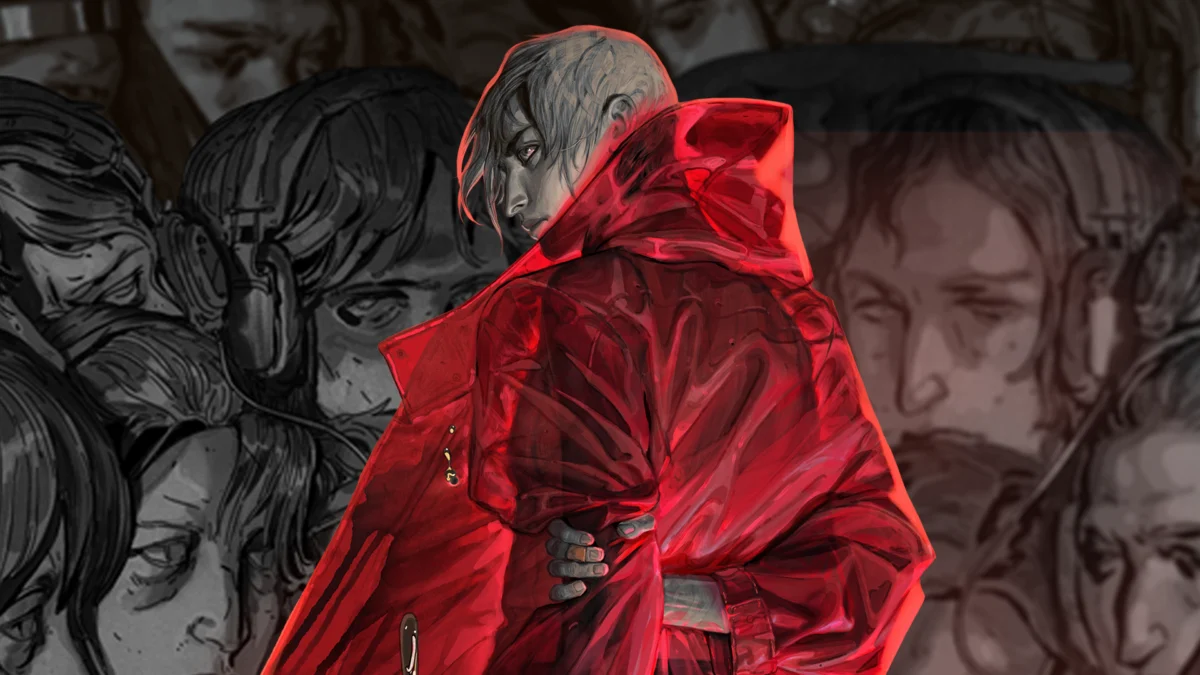
ZA/UM Studio, the esteemed development house behind the groundbreaking RPG Disco Elysium and its recent successor, Zero Parades: For Dead Spies, has initiated redundancy procedures that could result in the dismissal of up to 32 employees across all departments. This considerable workforce reduction, potentially affecting one-third of the studio’s global staff, was announced via the company’s official social media channels, where ZA/UM candidly attributed the decision to the commercial underperformance of its latest title, despite its positive critical reception. The statement concluded with a direct appeal to other developers within the industry to consider hiring the soon-to-be-impacted workers, highlighting their talent and contributions.
A Studio Grappling with Commercial Realities
The core reason cited for these widespread layoffs is the discrepancy between the critical acclaim received by Zero Parades: For Dead Spies and its commercial viability. ZA/UM’s statement articulated this challenge succinctly: "While Zero Parades: For Dead Spies was released to critical acclaim, its commercial performance has not enabled us to sustain a studio of our current size." The game, which reportedly garnered favorable reviews upon its release, evidently failed to translate critical success into the sales figures necessary to maintain the studio’s operational scale. This scenario, where artistic merit does not align with market penetration, is a recurring theme within the video game industry, often leaving developers in a precarious position. The studio emphasized that the departing employees’ work had "made a lasting difference" and "left its mark" on Zero Parades and the studio as a whole, underscoring the profound human cost of these business decisions. Furthermore, ZA/UM confirmed it is actively consulting and collaborating with representatives of the ZA/UM Workers’ Alliance, the studio’s employee union, throughout this redundancy process, indicating an effort to navigate the situation responsibly.
The Legacy of Disco Elysium and Subsequent Tumult
The current layoffs represent the latest in a series of significant challenges that have plagued ZA/UM since the monumental success of its debut title, Disco Elysium. Released in 2019, Disco Elysium was an immediate sensation, lauded for its innovative narrative design, deep psychological themes, and unique art style. It garnered numerous accolades, including multiple Game of the Year awards, and was widely hailed as a masterpiece that redefined the RPG genre. Its critical and commercial triumph set an extraordinarily high bar for ZA/UM, establishing it as a studio capable of pushing creative boundaries.
However, the period following Disco Elysium‘s launch was marred by significant internal strife and leadership changes. In a widely reported incident that surfaced in late 2022, two of the game’s co-creators, game director Robert Kurvitz and art director Aleksander Rostov, along with lead writer Helen Hindpere, were reportedly forced out of the company. This dramatic exodus sparked a public dispute, with conflicting narratives emerging from both sides. ZA/UM CEO Ilmar Kompus later accused Kurvitz and Rostov of fostering a toxic work environment and engaging in misconduct, while the ousted creators vehemently denied these allegations, claiming they were dismissed by executives primarily driven by corporate greed and asserting that their departure was the result of a "fraudulent takeover" of the studio. Investigations by reputable industry publications such as Gamesindustry.biz and People Make Games suggested a more complex reality, implying that elements of both accusations might hold some truth, painting a picture of a deeply fractured workplace.
The departure of these key creative minds had profound ramifications. Several other founding employees and core developers subsequently left ZA/UM, many going on to establish their own independent studios, including Darkmath Games, Longdue Games, and Summer Eternal. This significant brain drain inevitably raised questions about ZA/UM’s future creative direction and its ability to replicate the unique alchemy that made Disco Elysium so special.
A Chronology of Mounting Pressures
The current round of layoffs is not an isolated event but rather the culmination of escalating pressures and structural changes within ZA/UM.
- 2019: Disco Elysium launches to universal critical acclaim and commercial success, establishing ZA/UM as a major creative force.
- Late 2022: Key co-creators Robert Kurvitz and Aleksander Rostov, alongside lead writer Helen Hindpere, are reportedly forced out of ZA/UM, leading to public accusations of corporate misconduct and a "fraudulent takeover." This ignites a period of internal turmoil and legal disputes.
- Late 2022 – Early 2023: A significant number of original developers and founding members depart ZA/UM, leading to the formation of new splinter studios.
- Late 2023 (Inferred from original article’s "October 2025" likely being a typo): Workers at ZA/UM formally unionize, establishing the ZA/UM Workers’ Alliance. This move was a direct response to ongoing uncertainties and concerns regarding working conditions and job security within the studio. At the time of unionization, reports suggested ZA/UM employed approximately 100 people globally.
- February 2024: ZA/UM conducts an undisclosed number of layoffs, following the cancellation of an unannounced project. This event signaled an early warning of the studio’s financial fragility and the challenges in its development pipeline post-core team departures.
- [Current Date, post-Feb 2024]: The studio announces the current round of redundancies, impacting up to 32 employees, directly linking the decision to the commercial underperformance of Zero Parades: For Dead Spies. If the studio’s headcount remained near 100 before these latest cuts, these layoffs would represent approximately one-third of its remaining workforce.
The Commercial Paradox: Critical Success, Market Struggle
Zero Parades: For Dead Spies entered a challenging market. While it garnered positive reviews, it faced the formidable task of following in the footsteps of a genre-defining predecessor while navigating a landscape altered by internal turmoil. The game’s premise, revolving around dead spies, aimed for a distinct tone and thematic focus, but it inevitably drew comparisons to Disco Elysium‘s unique blend of detective noir and philosophical introspection.
Several factors could contribute to a critically acclaimed game’s commercial struggles. A niche genre, even one perfected, can have a limited audience ceiling. Marketing budgets for independent or mid-tier studios are often dwarfed by those of AAA publishers, making it difficult to cut through the noise of a crowded release schedule. Furthermore, the lingering controversies surrounding ZA/UM, particularly the highly publicized departures of Disco Elysium‘s creators, may have inadvertently impacted brand perception and consumer trust, potentially deterring some players who were invested in the original game’s artistic vision. The high expectations set by Disco Elysium could also have created an almost insurmountable psychological hurdle for its follow-up, regardless of its own merits.
Broader Industry Context: A Wave of Layoffs
ZA/UM’s situation is unfortunately not unique within the contemporary video game industry. The years 2023 and 2024 have been characterized by an unprecedented wave of layoffs across numerous studios, both large and small. Major publishers and developers, including Microsoft (Xbox, Bethesda), Sony (PlayStation), Electronic Arts, Epic Games, Unity, and Embracer Group, have all announced significant workforce reductions. Industry analysts point to several contributing factors:
- Post-Pandemic Correction: A surge in demand and investment during the COVID-19 pandemic led to over-hiring, which is now being corrected as market growth normalizes.
- Rising Development Costs: The cost of developing modern video games has skyrocketed, making it harder for projects to turn a profit, especially for studios without the deep pockets of major publishers.
- Economic Headwinds: Broader economic uncertainties, inflation, and interest rate hikes have impacted consumer spending on entertainment.
- Project Cancellations: Many studios have canceled unannounced or early-stage projects, leading to redundancies.
In this challenging environment, even studios with a strong artistic reputation, like ZA/UM, find themselves vulnerable to the harsh realities of market economics. The scale of ZA/UM’s latest layoffs, potentially one-third of its staff, underscores the severity of the pressure on the studio to right-size its operations.
Implications for ZA/UM and the Industry
The implications of these layoffs for ZA/UM are significant and multifaceted. The reduction in workforce will undoubtedly impact ongoing development, potentially slowing down future projects or requiring a re-evaluation of the studio’s strategic roadmap. Maintaining creative momentum and a cohesive studio culture after successive rounds of departures and layoffs presents a formidable challenge. The focus will likely shift towards greater fiscal prudence and a more streamlined approach to game development.
For the affected employees, the outlook is bittersweet. While they carry the distinction of having contributed to critically acclaimed titles, the current job market in the game industry is highly competitive due to the widespread layoffs. The ZA/UM Workers’ Alliance will play a crucial role in advocating for severance packages, outplacement services, and ensuring fair treatment for those impacted. The studio’s public appeal for other developers to hire its departing staff is a positive gesture, but the reality of finding new roles in a contracting sector remains difficult.
ZA/UM’s journey from a celebrated indie darling to a studio grappling with existential challenges serves as a stark reminder of the volatile nature of the video game industry. It highlights the complex interplay between artistic ambition, commercial success, internal dynamics, and broader economic forces. As the studio navigates this difficult period, its future will depend on its ability to stabilize its financial position, rebuild its creative core, and adapt to an ever-evolving market, all while honoring the legacy of the groundbreaking work that first brought it international recognition.
About the Author