The 2026 Augmented World Expo (AWE) has served as a pivotal stage for the extended reality (XR) industry, marked by the long-awaited unveiling of Snap Inc.’s latest hardware and a significant leap in mobile processing power from Qualcomm. As the industry grapples with the transition from tethered peripherals to standalone spatial computing, the announcements made this week suggest a shift toward high-performance, developer-centric ecosystems. Snap’s introduction of the "Specs" glasses and Qualcomm’s Snapdragon Reality Elite chipset represent the most substantial technical milestones of the event, signaling a competitive response to the market presence of Apple and Meta.
Snap’s Strategic Leap into Standalone AR
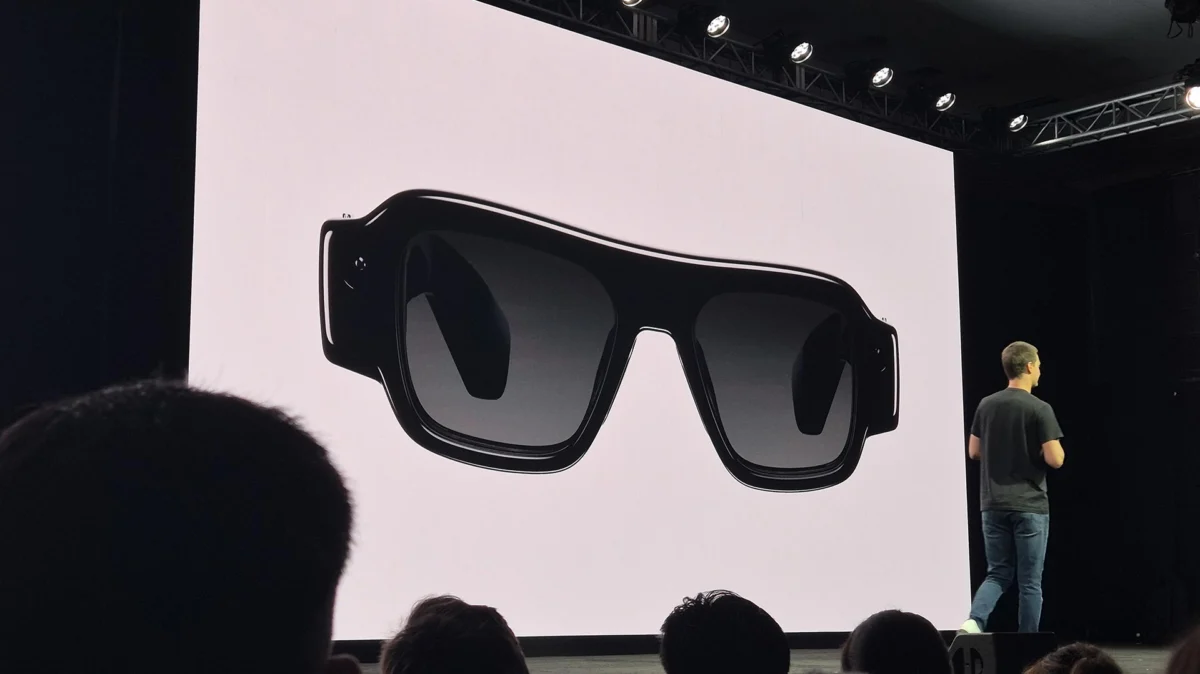
Snap Inc. has officially launched "Specs," its first fully standalone augmented reality (AR) glasses. Unlike previous iterations of the Spectacles line, which primarily served as camera-equipped accessories or required external tethering, the 2026 Specs integrate all necessary computational components within the frame itself. This move positions Snap as a direct competitor in the high-end spatial computing market, albeit with a clear focus on developers and early adopters.
The hardware enters the market at a premium price point of $2,195, with pre-orders currently open and shipping scheduled for Autumn 2026. Weighing approximately 130 grams, the device sits significantly above the 50-gram threshold often cited by ergonomics experts as the limit for all-day wearability. However, the engineering required to house a standalone processor, batteries, and optical waveguides within a glasses form factor explains the added bulk.
A critical limitation of the new Specs is its software ecosystem. The device is locked to Snap’s proprietary Lens Studio. To mitigate this closed-loop environment, Snap has introduced a suite of AI-assisted development tools and an automated converter designed to port Unity projects into Lens Studio. This initiative is aimed at lowering the barrier for creators who are already entrenched in the Unity ecosystem but wish to experiment with Snap’s AR hardware.

The Evolution of Snap’s Hardware Timeline
The launch of the 2026 Specs marks a decade-long trajectory for Snap’s hardware division.
- 2016: Launch of the original Spectacles, focused solely on capturing circular video for Snapchat.
- 2018–2019: Iterative updates improved aesthetics and added photo capabilities.
- 2021: Introduction of the first AR-capable Spectacles, distributed exclusively to a select group of creators.
- 2026: The transition to a commercially available, standalone 6DOF (Six Degrees of Freedom) AR device.
Industry analysts suggest that while the $2,195 price tag precludes mass-market adoption, the device serves as a "north star" for the company. By establishing a high-end hardware baseline, Snap is forcing competitors like Meta and Apple to accelerate their own AR glass roadmaps.
Qualcomm Redefines the XR Performance Ceiling
In a parallel development, Qualcomm Technologies, Inc. announced the Snapdragon Reality Elite, its new flagship chipset designed specifically for the next generation of XR devices. The chipset addresses three primary pain points in mobile XR: graphical fidelity, thermal management, and local artificial intelligence processing.
Technical specifications provided during the AWE keynote highlight a massive performance delta over the previous XR2 Gen 2 platform:
- Graphics: A 2.5x increase in GPU performance, allowing mobile headsets to approach the visual quality of entry-level PC VR.
- Artificial Intelligence: An 8x boost in NPU (Neural Processing Unit) performance. This allows for the local execution of Large Language Models (LLMs) with up to 3 billion parameters, ensuring user privacy by processing voice and visual data on-device rather than in the cloud.
- Thermals: The chip is engineered to operate 12°C cooler than its predecessors under similar loads, a critical factor for slim-profile glasses that sit close to the user’s face.
- Latency: Enhanced passthrough capabilities that Qualcomm claims will rival or exceed the sub-12ms latency seen in the Apple Vision Pro.
Early adopters of this silicon include XREAL, for its upcoming Aura headset, and Play For Dream, which announced the "Play For Dream X" during the conference.

XREAL Aura and the High-End Consumer Market
XREAL, formerly Nreal, provided updates on its "Project Aura" during AWE, officially branding the device as the XREAL Aura. Positioned as a hybrid device capable of both VR and MR (Mixed Reality), the Aura utilizes the aforementioned Snapdragon Reality Elite chipset housed in an external computational "puck."
While the final price remains unconfirmed, XREAL representatives stated the device will retail for under $1,500. The company has implemented a tiered pre-order system: a $299 "Founder Priority Pass" for early production units and a $99 deposit that secures a $100 discount on the final retail price. This pricing strategy places XREAL in a strategic middle ground between the $500 Meta Quest 3 and the $3,499 Apple Vision Pro, targeting prosumers who demand high-performance optics without the Apple-tier investment.
Emerging Hardware and Market Diversification
Beyond the major players, AWE 2026 showcased a diversification of form factors and use cases:
- Valve’s "Steam Frame": Speculation is mounting regarding an imminent announcement from Valve. Sources suggest a launch window between June 22 and June 23. If the "Steam Frame" materializes, it is expected to provide a bridge between Valve’s SteamVR ecosystem and portable hardware.
- Canon’s Handheld MR: Canon demonstrated a concept handheld mixed reality device designed for rapid public demonstrations. By utilizing a handle-based design rather than a head-strap, the device allows for high-throughput experiences in museums or trade shows without the hygiene and fitting complications of traditional headsets.
- Raven Resonance: The startup unveiled the "Raven Prism," a Linux-based smart glass focused on privacy and open-source development. Featuring hot-swappable batteries and a quad-core ARM processor, the Prism aims to attract developers looking for an alternative to the Android-dominated XR landscape.
- Unseen Reality: Leveraging a reference design from Gravity XR, Unseen Reality showcased a PC MR headset with a 90-degree field of view and 2.5K resolution per eye, targeting a price point of $599.
Infrastructure and Ecosystem Challenges
Despite the hardware innovations, the XR industry faces significant hurdles regarding software distribution and content moderation. Reports emerged during the week highlighting critical flaws in the Meta Quest Store. Specifically, instances of unauthorized APK "ripping"—where existing games are stolen and re-uploaded by shady entities—have bypassed Meta’s content moderation teams. This has sparked a broader conversation regarding the need for Meta to overhaul its store infrastructure to protect developers and improve discoverability.
On the developer side, Epic Games has introduced "Lore," a new version control system tailored for projects involving large binary assets common in VR and AR development. Unlike traditional systems like Git, which can struggle with multi-gigabyte 3D assets, Lore is designed to streamline the workflow for high-fidelity spatial applications.

Broader Impact and Industry Outlook
The collective announcements at AWE 2026 indicate that the "standalone" era of XR has reached a point of technical maturity where developers no longer have to sacrifice significant power for portability. The introduction of the Snapdragon Reality Elite provides a standardized platform for high-end mobile XR, while Snap’s Specs provide a glimpse into the future of wearable computing.
However, the high cost of entry for new hardware—ranging from $1,500 to $2,200—remains a barrier to mainstream consumer adoption. The next 12 to 18 months will likely be defined by a "developer-first" approach, as companies focus on building the software libraries necessary to justify these price points to the general public. As Valve’s potential entry looms and Meta prepares its next iteration of hardware, the competition for the "next platform" after the smartphone has intensified.
About the Author