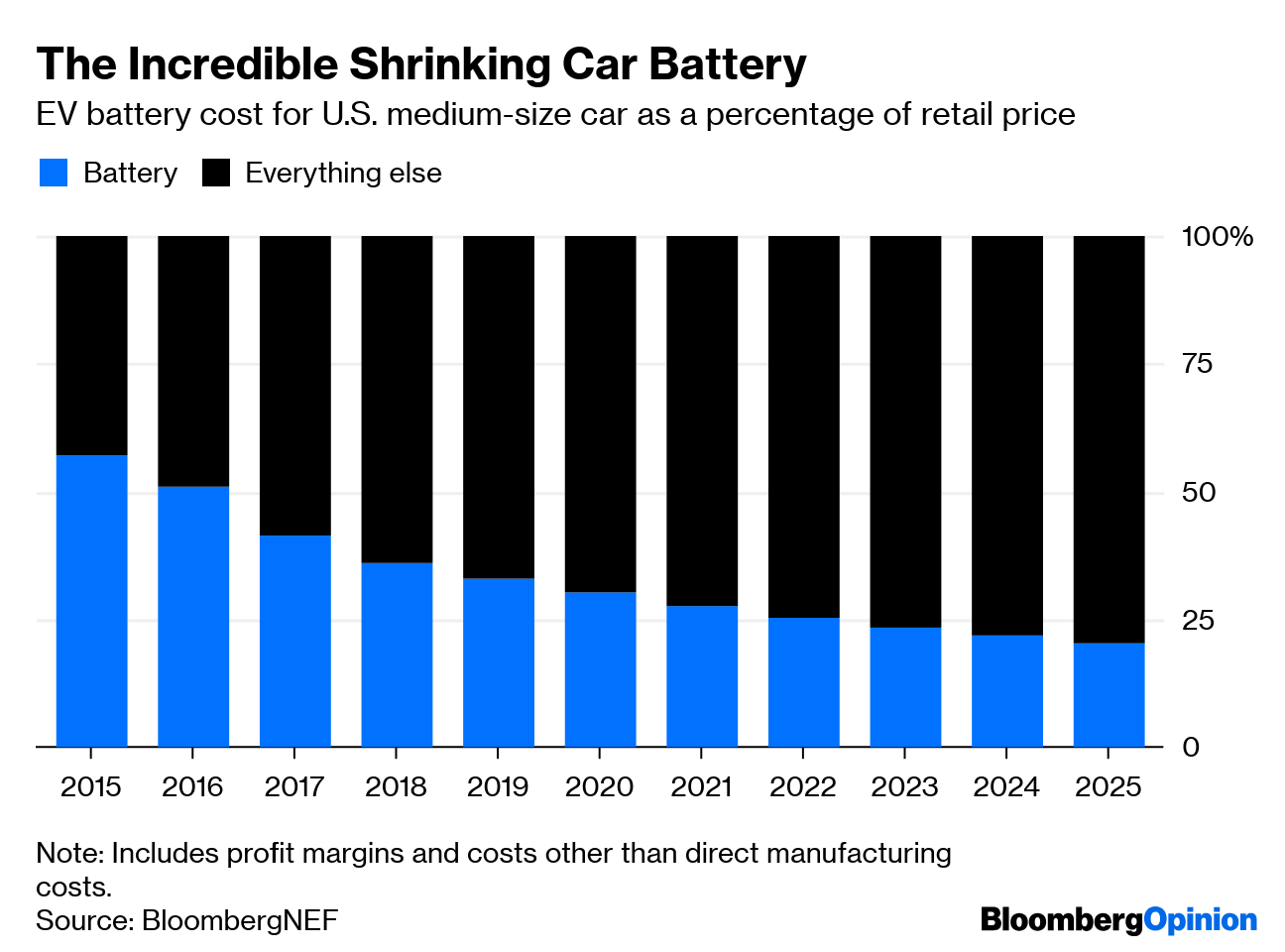
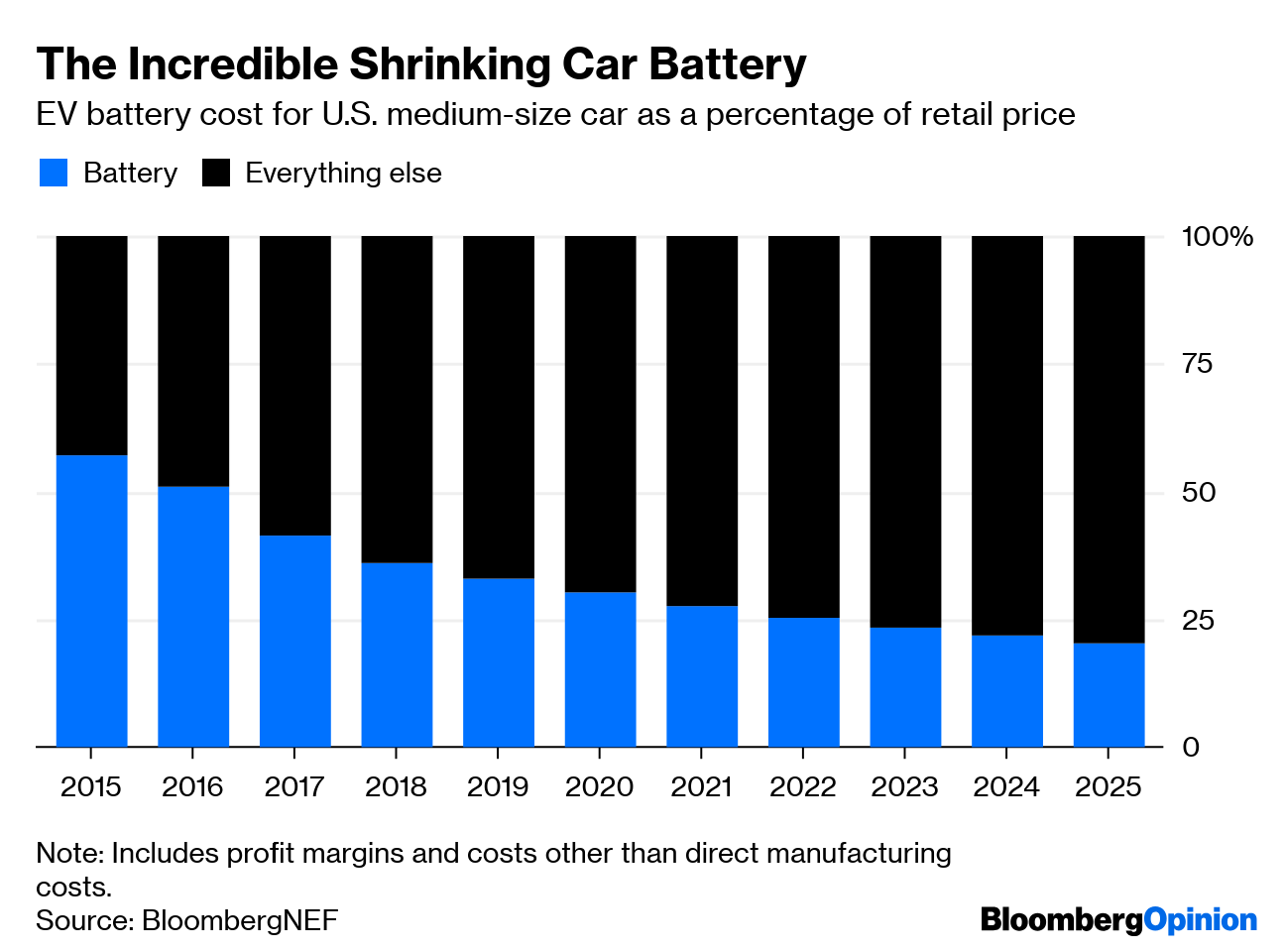
The profound transformation in the electric vehicle (EV) market is intrinsically linked to the precipitous decline in battery costs. For electric cars, the substantial battery pack remains a significant component of the overall price. Consequently, the observed decrease in electric car prices directly reflects advancements and cost efficiencies in battery manufacturing, as the fundamental costs associated with fabricating vehicle chassis from materials such as rubber, aluminum, glass, and steel typically exhibit less dramatic fluctuations. This economic principle is even more pronounced in the burgeoning electric scooter market, where these compact, lightweight, and mechanically simpler machines are, at their core, little more than a battery and an electric motor. The relative simplicity of electric scooters makes their pricing highly sensitive to battery technology and cost, positioning them as a critical barometer for the broader trends in electric mobility affordability.
The Battery Breakthrough: From Lead-Acid to Lithium-Ion
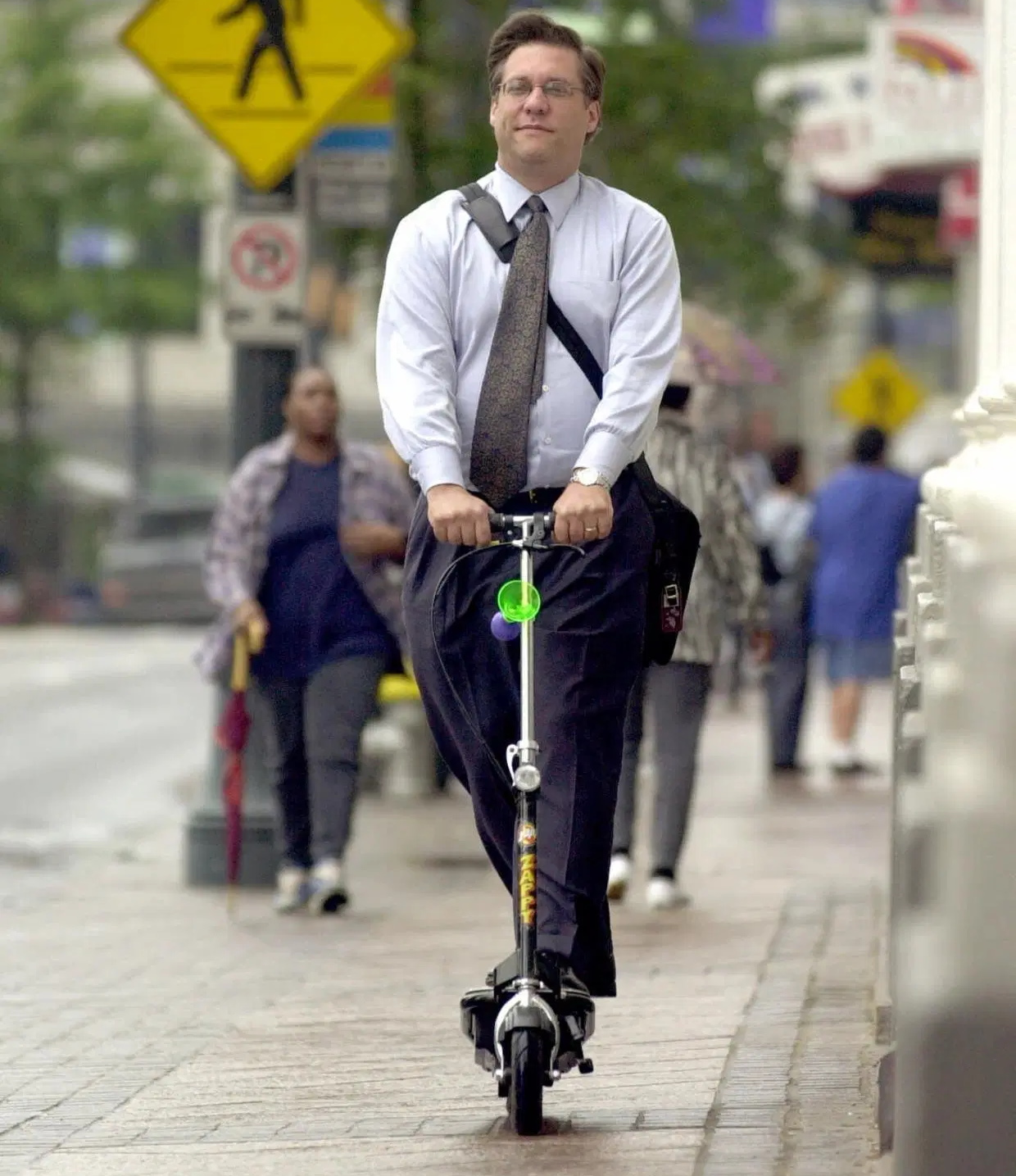
The journey toward viable electric transportation has been marked by significant technological hurdles, primarily centered on energy storage. Decades ago, early attempts at electric personal mobility devices, such as the Zappy electric scooter from the early 2000s, faced insurmountable challenges. These devices, much like electric cars of the same era, were largely hampered by the limitations of lead-acid battery technology. Lead-acid batteries were inherently heavy, offered insufficient power output, provided limited range, and required excessively long charging times. These cumulative drawbacks effectively rendered electric vehicles impractical for widespread consumer adoption, confining them largely to niche markets or experimental stages.
The paradigm shifted dramatically with the maturation and commercialization of Lithium-ion (Li-ion) battery technology. Li-ion batteries boast superior energy density, meaning they can store significantly more energy per unit of weight and volume compared to lead-acid counterparts. This improvement directly translated into lighter vehicles, extended ranges, increased power, and faster charging capabilities. The advent of Li-ion batteries was not merely an incremental upgrade; it was a foundational revolution that made electric cars, electric scooters, and indeed, a vast array of portable electronic devices, truly viable for the mass market. This technological leap underpinned the subsequent explosion in electric vehicle development and adoption globally.
Tracking the Price Plunge: The Xiaomi M365 Case Study

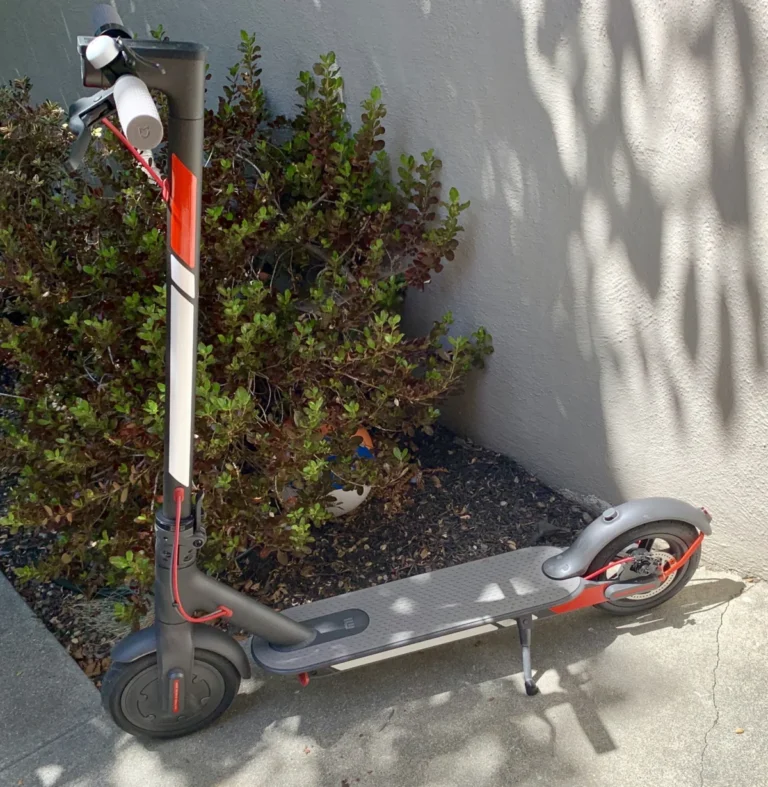
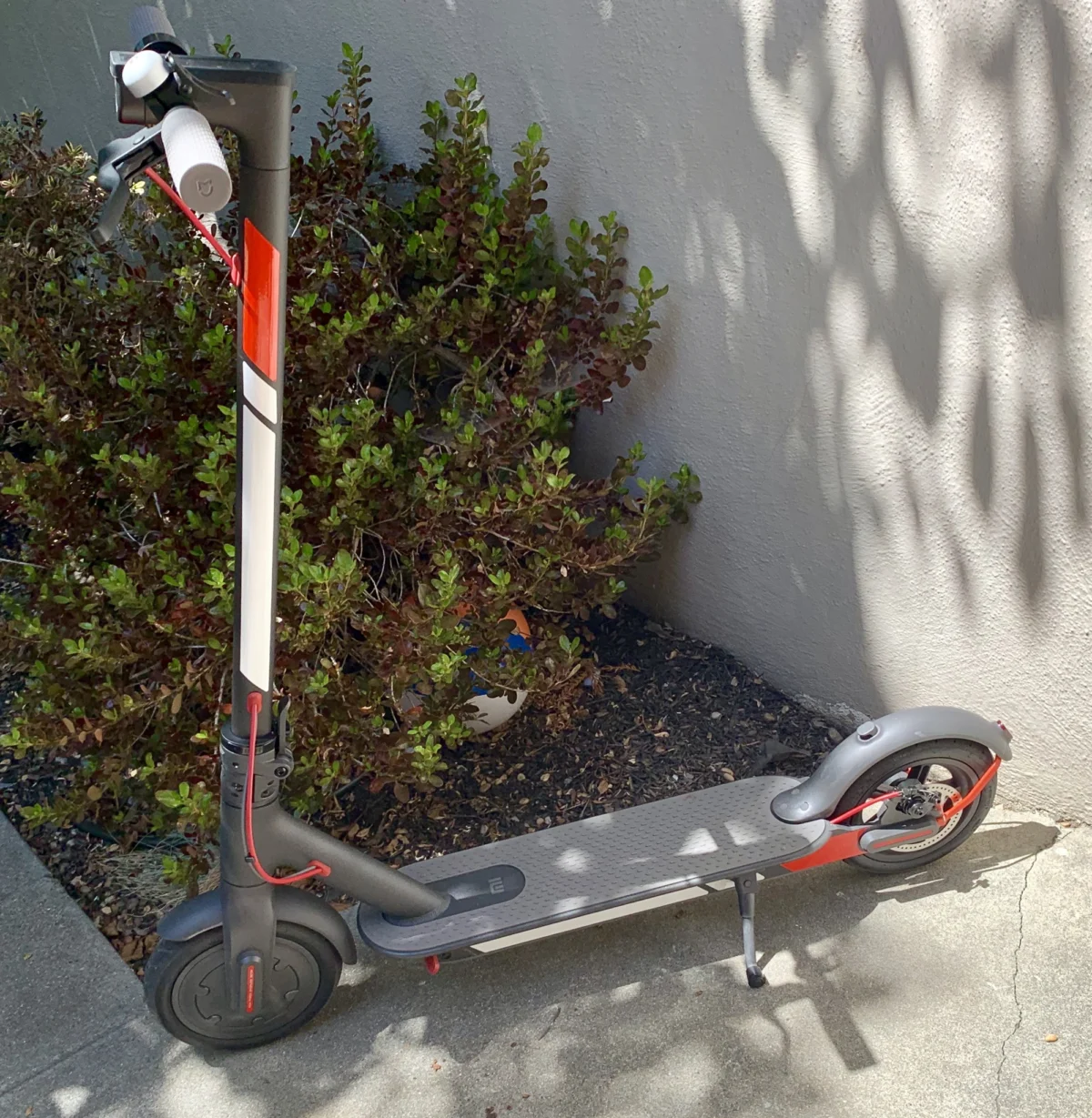
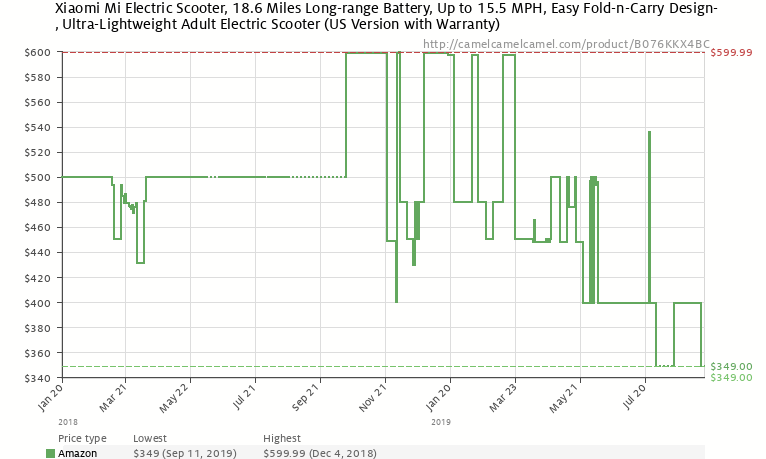
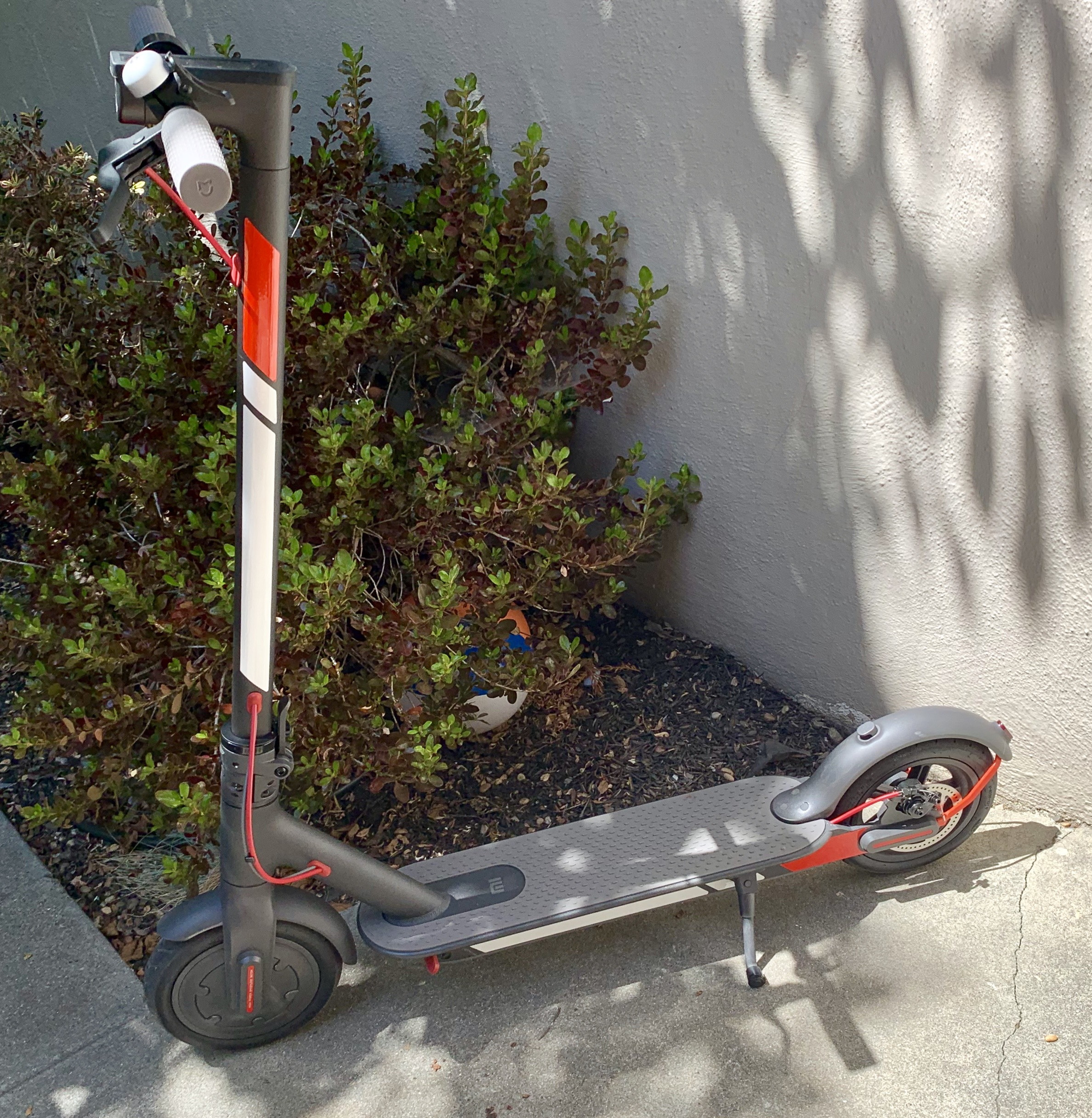
To empirically illustrate the impact of falling battery costs, an examination of popular electric scooter models provides compelling evidence. The Xiaomi Mi M365, introduced to the U.S. market in early 2017, serves as an exemplary case study. Initially retailing at approximately $800, this popular and well-regarded electric scooter experienced a remarkable price reduction, halving its cost to around $300 within a mere three years by late 2019. This precipitous decline is a direct consequence of the broader trend in Li-ion battery manufacturing, where costs per kilowatt-hour (kWh) have fallen dramatically over the past decade. Industry data indicates that the average price of Li-ion battery packs plummeted from over $1,000 per kWh in 2010 to approximately $150 per kWh by 2019, with projections continuing downward. This cost efficiency, coupled with economies of scale in scooter manufacturing, made the M365 accessible to a much wider consumer base, signaling excellent news for the affordability of electric vehicles across all categories.
The Rise of Micro-Mobility and Rental Fleets
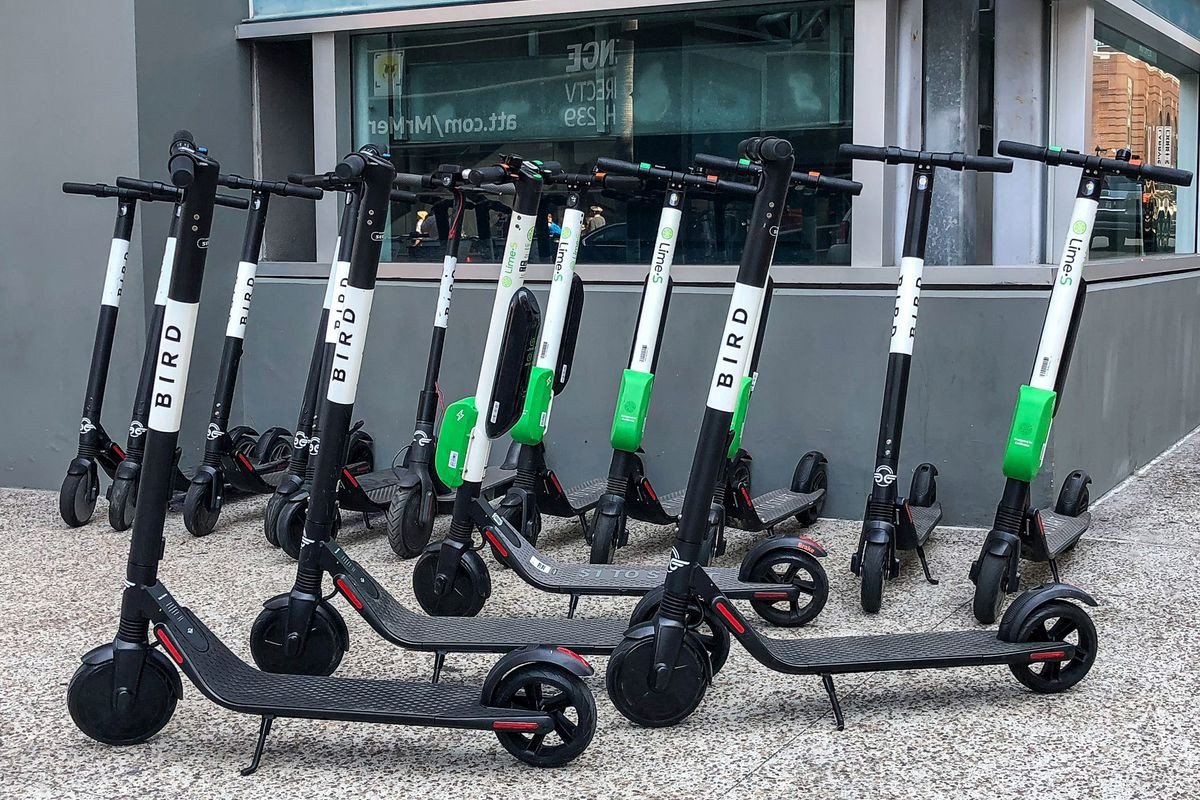
The dramatic reduction in electric scooter prices, exemplified by the M365, coincided with and significantly fueled the rapid ascent of the micro-mobility rental industry. Companies such as Bird, Lime, Skip, Spin, and Scoot emerged, introducing fleets of electric scooters to urban centers worldwide, often operating under a smartphone app-based rental model. Early iterations of these rental fleets frequently utilized readily available, cost-effective models like the Xiaomi M365, albeit with slight modifications for the demands of public use. By late 2018, as the industry matured and faced operational challenges, many companies began transitioning to custom-built, ruggedized scooters specifically designed for the rigors of the rental market, incorporating features like enhanced durability, improved locking mechanisms, and integrated GPS tracking.
Despite their initial rapid growth, these rental companies encountered significant operational hurdles, including high rates of vandalism, theft, and the complexities of fleet management and charging. These challenges prompted some providers to explore alternative business models, moving away from the per-minute rental structure towards longer-term monthly subscriptions. For instance, some companies began offering models like the Xiaomi M365 for a monthly fee of around $25, allowing users a more consistent and cost-effective personal rental experience. This strategic pivot underscored the industry’s ongoing adaptation to market dynamics and consumer preferences. Major transportation entities, including Uber, also recognized the potential of micro-mobility, acknowledging that a substantial portion of urban car trips (up to 46% of Uber’s rides, for example) are under three miles, a distance perfectly suited for electric bikes and scooters. This strategic insight highlights the potential for micro-mobility to alleviate urban congestion and reduce reliance on larger vehicles for short-distance travel.
Regulatory Roadblocks and Safety Concerns
While the economic and technological viability of electric scooters has soared, their integration into existing urban transportation frameworks has presented a complex and often inconsistent regulatory challenge. Local governments globally have grappled with how to categorize and regulate these novel devices, leading to a patchwork of laws that vary wildly by jurisdiction, often lacking coherence or logical consistency. In California, for example, electric scooter laws enacted around 2019 stipulate that riders must possess a valid driver’s license—a requirement not typically imposed on electric bicycle users. Furthermore, electric scooters are often prohibited from operating on sidewalks, restricting them to roadways or designated bike lanes. While some of these regulations, such as the mandatory use of helmets for younger riders, are widely accepted safety measures, others, like the driver’s license requirement, have been deemed by critics as overly onerous and potentially counterproductive to promoting sustainable urban transport.
One aspect of regulation that consistently garners support, however, is speed restriction. A top speed of 15 miles per hour (approximately 24 km/h) is generally considered a brisk yet manageable pace for an adult riding a scooter without specialized safety equipment. Exceeding this speed significantly increases the risk of serious injury in the event of an accident. The market, however, also features high-performance electric scooters capable of speeds up to 40 miles per hour (approximately 64 km/h), often equipped with dual motors and advanced suspension systems. While these machines demonstrate impressive engineering, their speed capabilities raise considerable safety concerns, even for experienced riders wearing full motorcycle safety gear. The divergence in scooter capabilities necessitates a nuanced approach to regulation, balancing technological innovation with public safety.
Beyond the Basics: Diversity in Electric Scooter Design
The electric scooter market has rapidly diversified beyond the entry-level models, catering to a wide spectrum of consumer needs and preferences. While the Xiaomi M365 established itself as the "Honda Civic" of electric scooters—an affordable, reliable, and widely adopted model—the industry now offers an extensive array of specialized options. Consumers can choose from luxury electric scooters, which prioritize premium materials, advanced features, and sophisticated aesthetics; ultralight models designed for maximum portability and ease of carrying; and rugged off-road electric scooters built to tackle uneven terrain. This growing diversity underscores the rapid innovation within the sector, with manufacturers continually pushing boundaries in design, performance, and functionality to meet specific market demands.
The continuous evolution is also evident in product successors. The Xiaomi M365 Pro, for instance, introduced several welcome, albeit incremental, improvements over its predecessor. These enhancements included a larger battery for extended range, a more robust disc brake system for improved stopping power, a more powerful motor, an enhanced display, and a refined latch mechanism for better structural integrity. While these upgrades certainly contribute to a superior riding experience, their added cost must be weighed against the M365’s unparalleled value proposition, particularly as its price continued to decrease. The inherent digital nature of these vehicles is also a notable characteristic; many electric scooters, including the M365, feature Bluetooth connectivity, companion apps for ride statistics and settings, and even the potential for firmware modification, highlighting their integration into the broader digital ecosystem.
Technological Integration and User Experience
The modern electric scooter experience is profoundly shaped by its digital integration. Features like Bluetooth connectivity and dedicated smartphone applications allow riders to monitor battery life, track mileage, adjust ride modes, and even update firmware, transforming a simple vehicle into a connected device. This digital backbone also introduces opportunities for customization and community-driven modifications, further enhancing the user experience for enthusiasts.
However, the practicalities of scooter ownership also come with specific considerations. Tire maintenance, for example, is a common point of concern. The small size of electric scooter tires makes them particularly susceptible to punctures, which can be challenging to repair. Many owners opt for preventive measures such as injecting tire sealant (like Slime) or replacing pneumatic tires with solid tubeless alternatives. While solid tires eliminate the risk of flats, they often come at the cost of reduced ride comfort dueability to their inability to absorb road imperfections as effectively as air-filled tires. Understanding these maintenance aspects is crucial for a smooth and enjoyable ownership experience.
The Segway’s Legacy and the Scooter’s Triumph
The current proliferation and acceptance of electric scooters offer a stark contrast to the fate of the Segway Personal Transporter, which debuted in 2001 amidst immense hype. Touted as a revolutionary device that would redefine urban mobility and change the world, the Segway instead struggled to gain widespread adoption. Launched at an initial price of $5,000, which translates to approximately $7,248 in inflation-adjusted dollars in 2019, its prohibitive cost, coupled with its unconventional appearance and often restrictive legal status, relegated it largely to tourist rentals and niche security applications, famously lampooned in popular culture.

In retrospect, the affordable electric scooter, costing a mere fraction of the Segway’s price, has arguably delivered on the promise of accessible, personal urban transportation that the Segway failed to fulfill. Its simplicity, relatively low cost, and ease of use have enabled it to integrate far more successfully into the fabric of daily urban life, becoming a practical solution for last-mile commutes and short-distance travel. This triumph underscores the critical role of affordability and practicality in driving the adoption of new mobility technologies.
Implications for Urban Planning and Sustainable Transportation
The rise of electric scooters carries significant implications for urban planning and the future of sustainable transportation. Their ability to provide efficient last-mile connectivity addresses a critical gap in public transit systems, offering a flexible and environmentally friendly alternative to cars for short journeys. By potentially reducing reliance on personal vehicles for these shorter trips, electric scooters contribute to alleviating urban congestion, reducing air pollution, and lowering carbon emissions. Cities are increasingly recognizing these benefits and are exploring ways to integrate micro-mobility into broader transportation strategies, including the development of dedicated bike and scooter lanes and improved charging infrastructure.
However, the rapid deployment of electric scooters also presents challenges related to infrastructure, pedestrian safety, and parking management. Effective urban planning will require careful consideration of these factors, balancing the benefits of micro-mobility with the needs of all urban dwellers. Developing clear regulations, investing in appropriate infrastructure, and fostering public education on safe riding practices will be crucial for maximizing the positive impact of electric scooters on urban environments.
The Future Outlook for Electric Scooters
The trajectory of electric scooters, from a niche novelty to a mainstream urban transport option, reflects a broader shift towards more diversified and sustainable mobility solutions. Driven by continuous advancements in Lithium-ion battery technology, manufacturing efficiencies, and evolving consumer preferences, the electric scooter market is poised for further growth and innovation. The introduction of more specialized models, coupled with ongoing improvements in range, speed, and durability, will continue to enhance their appeal. As cities and regulatory bodies adapt to integrate these devices more effectively, electric scooters are increasingly likely to play a pivotal role in creating more efficient, environmentally friendly, and accessible urban transportation ecosystems, ultimately shaping how millions navigate their daily lives.
About the Author