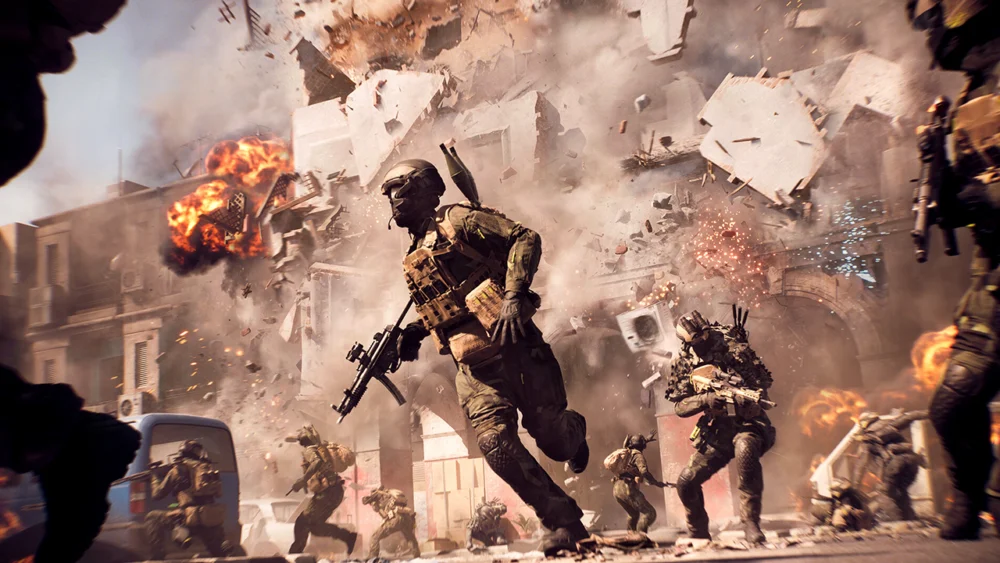
Electronic Arts (EA) has initiated an undisclosed number of layoffs within its esteemed Battlefield division, impacting developers across all four studios responsible for the iconic first-person shooter franchise. This significant restructuring comes just months after Battlefield 6 shattered franchise records, achieving the biggest launch in its history in October 2025. The move underscores a complex period for the gaming giant, marked by a broader corporate reorganization and an impending take-private deal led by a consortium that includes Saudi Arabia’s Public Investment Fund (PIF).
An EA spokesperson confirmed the job reductions to Game Developer, characterizing them as "select changes" within the Battlefield organization. The affected studios include Criterion, DICE, Ripple Effect, and Motive – all integral to the ongoing development and live service support of the Battlefield series. While the exact number of impacted employees remains undisclosed, reports indicate that the cuts are widespread across these development teams. "We’ve made select changes within our Battlefield organization to better align our teams around what matters most to our community," stated the company spokesperson. "Battlefield remains one of our biggest priorities, and we’re continuing to invest in the franchise, guided by player feedback and insights from Battlefield Labs." This statement, while emphasizing commitment to the franchise, leaves many questions unanswered regarding the immediate operational impact and the rationale behind downsizing teams shortly after a major success.
The Paradox of Record-Breaking Success and Layoffs
The timing of these layoffs has raised eyebrows across the industry, directly following a period of unprecedented commercial triumph for the Battlefield franchise. Battlefield 6, launched on October 10, 2025, quickly established itself as a monumental success, selling an impressive 7 million copies within its first three days alone. On October 24, 2025, EA proudly announced that the title had "shattered long-standing records for the Battlefield franchise," solidifying its position as "one of the biggest gaming and entertainment launches of the year." Such pronouncements typically herald a period of stability and expansion for development teams, not contraction.
Industry analysts often interpret layoffs post-launch, especially after a successful one, as indicative of several potential factors. It could suggest that the initial development cycle required a larger workforce than what is deemed necessary for ongoing live service content and future iterations. Alternatively, it might point to a strategic pivot, where certain roles or departments are being de-emphasized in favor of others, or a drive for increased operational efficiency and cost-cutting measures, regardless of recent revenue performance. The official statement from EA about "better aligning teams around what matters most to our community" could be interpreted as a strategic shift in development priorities for Battlefield 6‘s post-launch content, or perhaps an early re-evaluation of the approach for future Battlefield titles. This often entails streamlining processes, consolidating responsibilities, or even reducing the scope of planned content updates.
A Multi-Studio Approach Under Scrutiny
The modern Battlefield franchise has increasingly adopted a multi-studio development model, with DICE in Sweden typically leading the charge, supported by Criterion in the UK, Ripple Effect (formerly DICE LA) in the US, and Motive Studio in Canada. This distributed development strategy was intended to leverage diverse expertise and accelerate content delivery, particularly for a live service game like Battlefield 6. Criterion, known for its work on racing titles like Need for Speed and prior contributions to Battlefield V, and Motive, which developed Star Wars Squadrons and contributed to Star Wars Battlefront II, brought unique perspectives to the project. Ripple Effect has been instrumental in supporting the franchise’s live service elements.
While this collaborative model can foster innovation and efficiency, it also presents challenges in coordination, communication, and resource allocation. The "select changes" and "reorganization" suggest that EA may be re-evaluating the efficacy of this multi-studio approach for Battlefield. It could mean a consolidation of specific tasks, a reduction in the number of concurrent projects, or a recalibration of each studio’s role within the broader Battlefield ecosystem. This internal restructuring aims to ensure that development efforts are hyper-focused on areas identified as critical for player satisfaction and long-term engagement, as informed by data from Battlefield Labs – EA’s initiative to gather direct player feedback.
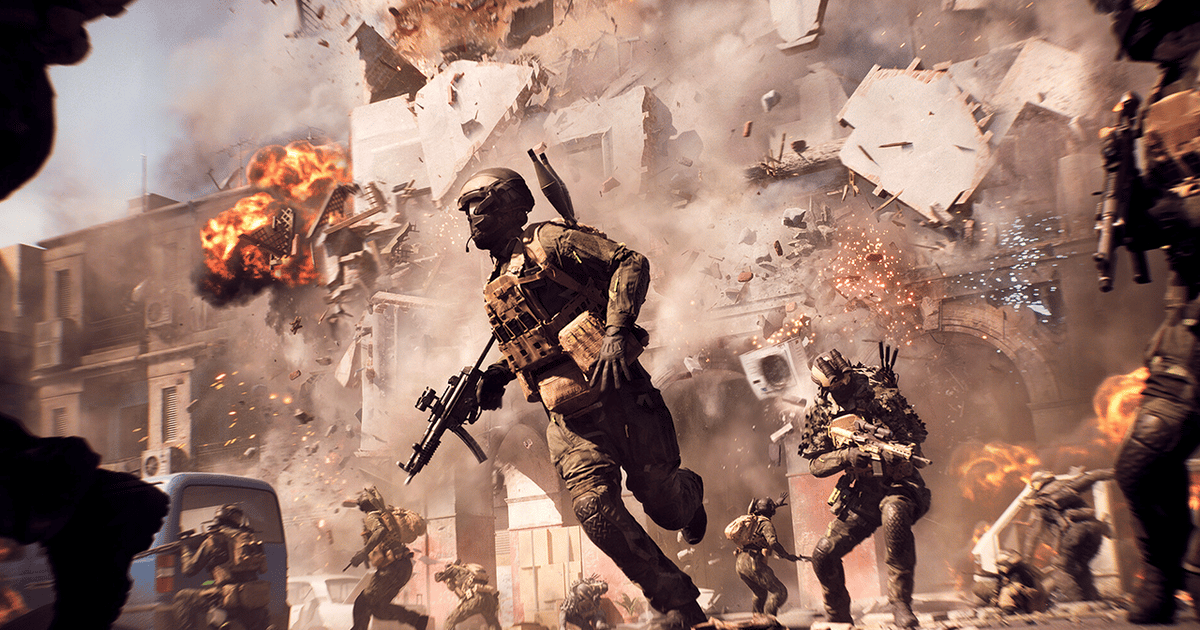
Historical Context of Battlefield and Development Challenges
The Battlefield franchise has a storied history, dating back to 2002, with a reputation for large-scale, immersive warfare. Over two decades, titles like Battlefield 1942, Battlefield 2, Battlefield 3, and Battlefield 4 garnered critical acclaim and a loyal fanbase. However, the series has also faced its share of development hurdles and mixed receptions, particularly in recent years. Battlefield V (2018) saw a somewhat divisive launch, and Battlefield 2042 (2021) experienced a particularly turbulent post-launch period, struggling with bugs, performance issues, and content gaps that led to significant player dissatisfaction and a prolonged effort by DICE to stabilize and improve the game.
These past experiences likely inform EA’s current approach to Battlefield 6 and its live service strategy. The company’s emphasis on "player feedback and insights from Battlefield Labs" indicates a heightened awareness of community sentiment and the critical importance of a robust, well-supported post-launch content roadmap. The layoffs, in this context, might be seen as a drastic measure to re-engineer the development pipeline, potentially cutting roles deemed redundant or less critical for the refined strategic vision, even if those roles contributed to the initial "record-breaking" success. The goal, from a corporate perspective, is to optimize for sustained profitability and player engagement, rather than just initial sales spikes.
EA’s Broader Corporate Transformation and Industry Trends
These layoffs are not an isolated incident within Electronic Arts. The company recently underwent another round of undisclosed job cuts in February 2026, impacting developers at Full Circle, the studio behind the upcoming Skate title. This pattern suggests a broader corporate strategy of cost-cutting and organizational streamlining across various divisions.
Furthermore, EA is currently in the midst of a monumental corporate transformation, with a proposed deal to be taken private by an investor consortium that includes Saudi Arabia’s sovereign wealth fund, the Public Investment Fund (PIF). If approved by regulators, this deal would see PIF acquiring a dominant 93.4 percent stake in the game industry behemoth. Such a significant ownership change typically signals an impending shift in operational philosophy, often prioritizing long-term value creation, efficiency, and potentially aggressive cost management to maximize investor returns. The transition from a publicly traded company, beholden to quarterly earnings reports, to a privately held entity under new ownership could empower EA to make more radical, long-term strategic decisions without the immediate pressure of public market scrutiny. This privatization process adds a complex layer of context to the recent layoffs, suggesting they may be part of a larger strategy to optimize the company’s financial structure and operational efficiency ahead of, or in preparation for, the new ownership.
The gaming industry as a whole has witnessed an unprecedented wave of layoffs throughout 2023, extending into 2024, 2025, and now 2026. Major publishers and developers, including Microsoft, Sony, Epic Games, Unity, and Embracer Group, have all announced significant job cuts, impacting thousands of employees globally. This trend is attributed to several factors: a post-pandemic market correction after a period of accelerated growth and over-hiring, rising interest rates, economic uncertainties, and a re-evaluation of unsustainable growth models. Companies are increasingly focusing on profitability and efficiency, leading to difficult decisions regarding workforce size. EA’s actions, while specific to its Battlefield division, are unfortunately part of a larger, systemic challenge facing the global video game development community.
The Human Cost and Implications for Talent
For the individuals impacted, these layoffs represent significant personal and professional upheaval. Developers, many of whom dedicated years to crafting Battlefield 6 and other franchise titles, now face the daunting task of seeking new employment in a challenging market. The emotional toll on remaining employees, who often experience increased workloads and uncertainty, can also be substantial, potentially affecting morale and long-term talent retention. The gaming industry, despite its creative appeal, has become increasingly volatile regarding job security.
The broader implications for the Battlefield franchise are also considerable. While EA asserts its continued investment and commitment, a reduction in workforce, even if framed as "reorganization," can introduce delays, alter creative directions, or impact the quality and quantity of future content. The success of Battlefield 6 has provided a strong foundation, but maintaining momentum and delivering on player expectations for live service updates and future installments will require stable, well-resourced teams. The coming months will reveal how these "select changes" ultimately manifest in the game’s ongoing development and the long-term health of one of gaming’s most enduring franchises. The balance between corporate efficiency and creative output remains a perpetual challenge in the dynamic world of video game development.
About the Author