Los Angeles, CA – Heart Machine, the acclaimed independent studio behind titles such as Hyper Light Drifter and Solar Ash, has seen its frontline employees successfully unionize with the Communications Workers of America (CWA). The wall-to-wall union, encompassing 13 non-management staff members, received voluntary recognition from the LA-based studio in a significant development for both the company and the burgeoning labor movement within the video game industry. This move comes mere months after Heart Machine underwent a period of layoffs and ceased development on its anticipated early access title, Hyper Light Breaker, an event that industry analysts believe played a pivotal role in galvanizing the unionization effort.
The decision by Heart Machine’s leadership to voluntarily recognize the union streamlines the process, bypassing the often-contentious National Labor Relations Board election. This recognition followed a request from a supermajority of the studio’s workers in February 2026, indicating a strong internal consensus for collective bargaining. Union members from Heart Machine will integrate into CWA Local 9003, joining a growing number of game developers seeking improved working conditions and greater stability in an increasingly volatile industry landscape.
A Studio’s Journey: From Indie Darling to Labor Pioneer
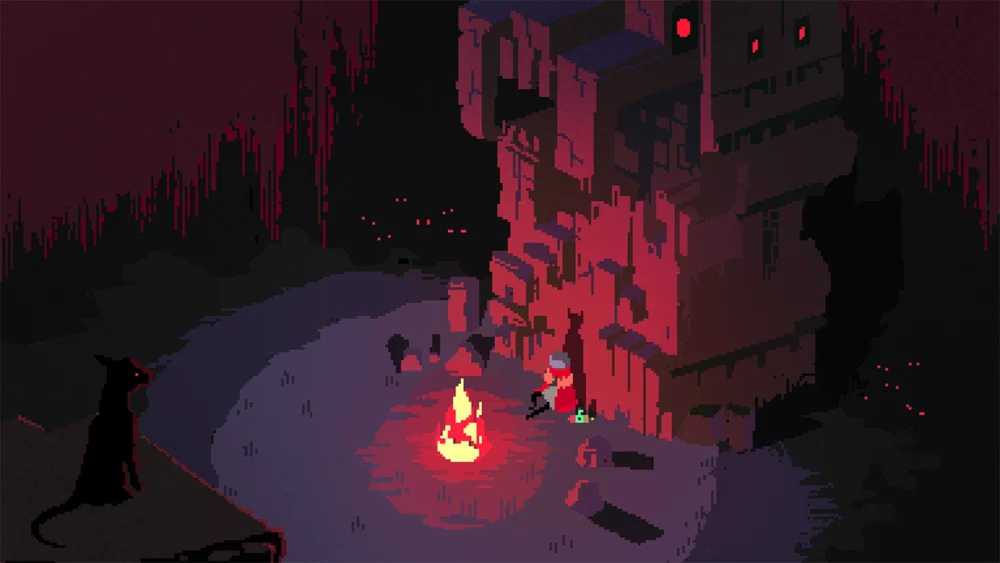
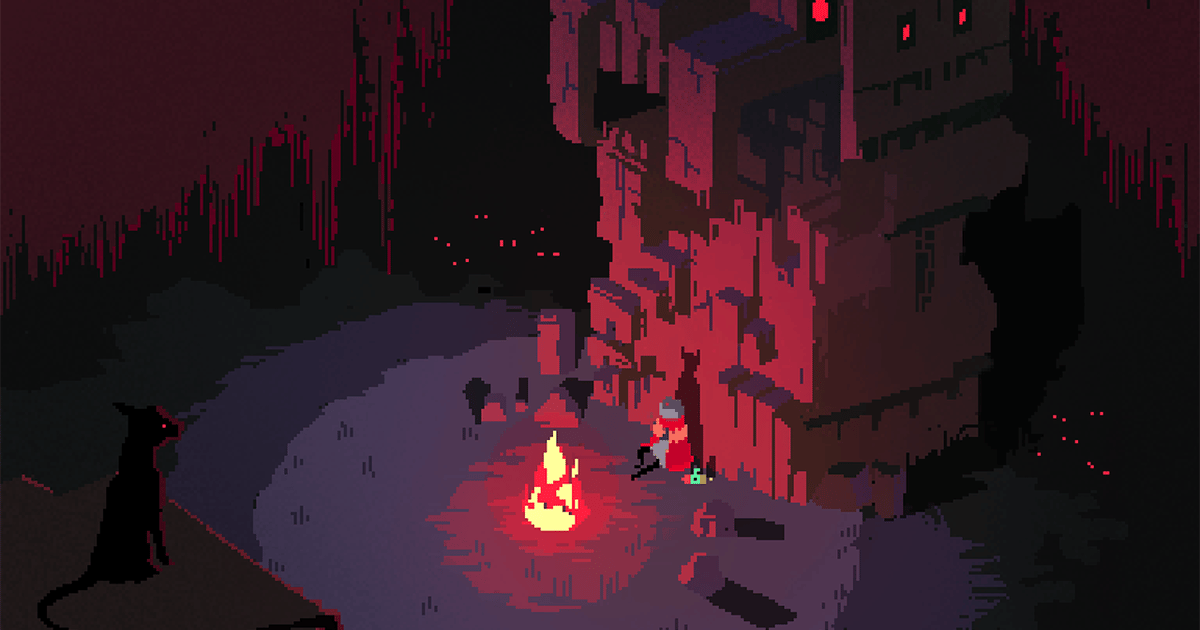
Heart Machine first garnered widespread critical acclaim with its debut title, Hyper Light Drifter, released in 2016. Known for its striking pixel art, atmospheric world-building, and challenging gameplay, the action RPG quickly established the studio as a creative force in the indie scene. Its successor, Solar Ash, launched in 2021, continued to push boundaries with its fluid traversal mechanics and vibrant, surreal environments, further solidifying Heart Machine’s reputation for innovative and artistically driven games. These successes painted a picture of a studio that prioritized unique vision and creative integrity.
However, the independent game development sector, despite its creative freedoms, is not immune to the economic pressures and uncertainties that plague the larger industry. The recent decision to end development on Hyper Light Breaker, a 3D roguelite action game that was in early access, and the subsequent layoffs, underscored the inherent risks and instability developers often face. While the exact number of employees affected by the layoffs was not disclosed, the impact on morale and job security was palpable, according to sources close to the studio. This period of uncertainty frequently acts as a catalyst for workers to seek greater protections and a more robust voice in their professional lives.
Steph Aligbe, a gameplay tools engineer at Heart Machine and a new member of CWA Local 9003, articulated the sentiment driving the unionization effort in a statement to Game Developer. "There are fewer opportunities to make games the way we used to, and the entire media landscape is crowded and constantly competing for people’s attention," Aligbe explained. "The only way to make something that really stands out is when a team is able to pour their time, care, and creativity into it together." This perspective highlights a desire to safeguard the creative process itself, viewing unionization not just as a means to improve individual benefits but as a mechanism to protect the artistic integrity and quality of their work.
The Broader Context: A Wave of Unionization Across Gaming
The unionization at Heart Machine is not an isolated incident but rather another significant milestone in a steadily accelerating labor movement across the global video game industry. Over the past few years, the Communications Workers of America has emerged as a central organizing force, estimating that nearly 4,000 workers have unionized under its banner. This wave has encompassed a diverse range of studios, from smaller independent developers to major subsidiaries of industry giants. Notably, employees at prominent Microsoft-owned studios such as Blizzard Entertainment and ZeniMax Media have also successfully formed unions, signaling a systemic shift in how game developers perceive their rights and their power.
The catalysts for this industry-wide trend are multifaceted. Years of documented "crunch culture," where developers are subjected to prolonged periods of mandatory overtime, often unpaid, have taken a severe toll on mental health and work-life balance. Furthermore, the increasing frequency of mass layoffs, even from highly profitable companies and after successful game launches, has shattered the illusion of job security that once permeated the industry. Recent reports from industry analysts indicate that 2023 and 2024 saw unprecedented numbers of layoffs, with estimates suggesting over 20,000 job cuts globally within that period. This climate of precarity has fostered a collective realization among workers that individual negotiations are often insufficient to address systemic issues.
Aligbe further elaborated on the inspiration drawn from peer movements: "I decided to get involved in organizing my studio because I’ve seen so many peers in the industry stand up to protect the craft we all care so deeply about. Watching that momentum grow made me realize that if we love this work, we have to protect it, especially now." This demonstrates a strong sense of solidarity and a recognition that collective action is the most effective path toward securing better conditions and preserving the long-term viability of game development as a sustainable career.
Bargaining Priorities and the Vision for a Sustainable Future
With voluntary recognition secured, the Heart Machine union members are now embarking on the crucial process of determining their specific bargaining priorities. While these are still being finalized, initial indications suggest a focus on fundamental issues that resonate across the game development community. Key among these are provisions aimed at safeguarding work-life balance, preserving creative autonomy, and delivering enhanced stability and job security.
Work-life balance is a perennial concern in an industry notorious for its demanding schedules. Union members are likely to seek clearer policies regarding working hours, overtime compensation, and a reduction in the prevalence of crunch. This could include contractual limits on workweeks, defined periods for rest, and penalties for studios that fail to adhere to these standards. The goal is to create an environment where sustained creativity is possible without sacrificing personal well-being.
Creative autonomy is another critical aspect, particularly for a studio like Heart Machine, which has built its reputation on distinctive artistic visions. Developers often feel a deep personal investment in their projects, and the ability to contribute meaningfully to the creative direction can be as important as financial compensation. Unionization could provide a formal mechanism for employees to have a greater say in project scope, design decisions, and the overall creative process, ensuring that the "pieces of the vision" do not get lost, as articulated by Cameron Hughes.
Cameron Hughes, a senior environment artist at Heart Machine and a CWA Local 9003 member, emphasized this point. "The best video games come from teams of really talented people bringing their different experiences together to build something they’d want to play themselves," Hughes stated. "Without everyone at the studio working in tandem, pieces of the vision get lost and the game suffers. Protecting that kind of creative collaboration is really important to us, and forming a union is one way we’re making sure we can keep doing our best work." This highlights a proactive approach to unionization, not just as a defensive measure against exploitation, but as a tool to foster a more collaborative and creatively fulfilling workplace.
Finally, stability and job security are paramount, especially in the wake of the Hyper Light Breaker cancellation and subsequent layoffs. Union contracts can include provisions such as severance packages, clearer guidelines for termination, and potentially mechanisms for internal transfers or retraining in the event of project cancellations. These measures aim to mitigate the harsh impacts of industry volatility and provide a more predictable career path for developers. The long-term hope for the Heart Machine union members is to engage in constructive dialogue with studio leadership, fostering a collaborative relationship that improves working conditions and ensures the entire team can thrive, ultimately leading to better games.
Implications for the Future of Game Development
The voluntary recognition of the union at Heart Machine sends a powerful signal across the independent game development sector and the industry at large. For independent studios, often characterized by passionate teams and close-knit cultures, the decision to unionize can sometimes be perceived as a challenge to that intimacy. However, the Heart Machine case suggests that even in these environments, workers increasingly see collective bargaining as a necessary step to protect their interests and sustain their creative output. The fact that the studio voluntarily recognized the union could also set a precedent, encouraging other independent developers to consider similar paths without the protracted battles sometimes seen in larger corporations.
For the CWA, the addition of Heart Machine further solidifies its position as a leading advocate for game developers’ rights. Each successful unionization effort provides valuable experience and momentum, making it easier for subsequent groups of workers to organize. The CWA’s strategy of supporting wall-to-wall unions, which include all non-management employees, ensures that a broad range of voices and roles are represented at the bargaining table. This inclusive approach helps to address concerns across different departments, from programming and art to design and quality assurance.
Industry analysts suggest that the growing trend of unionization could lead to several significant shifts in the coming years. Studios might be compelled to adopt more transparent practices regarding finances, project planning, and employment contracts. The increased stability and improved working conditions could, paradoxically, lead to higher retention rates and attract top talent, as developers seek workplaces that prioritize their well-being alongside creative ambition. While initial adjustments to collective bargaining agreements might present challenges, the long-term benefits of a more engaged, secure, and creatively empowered workforce could prove invaluable for the health and innovation of the video game industry. The unionization at Heart Machine stands as a testament to the evolving dynamics of labor in the creative technology sector, underscoring a collective resolve to build a more equitable and sustainable future for those who craft the games we play.
About the Author