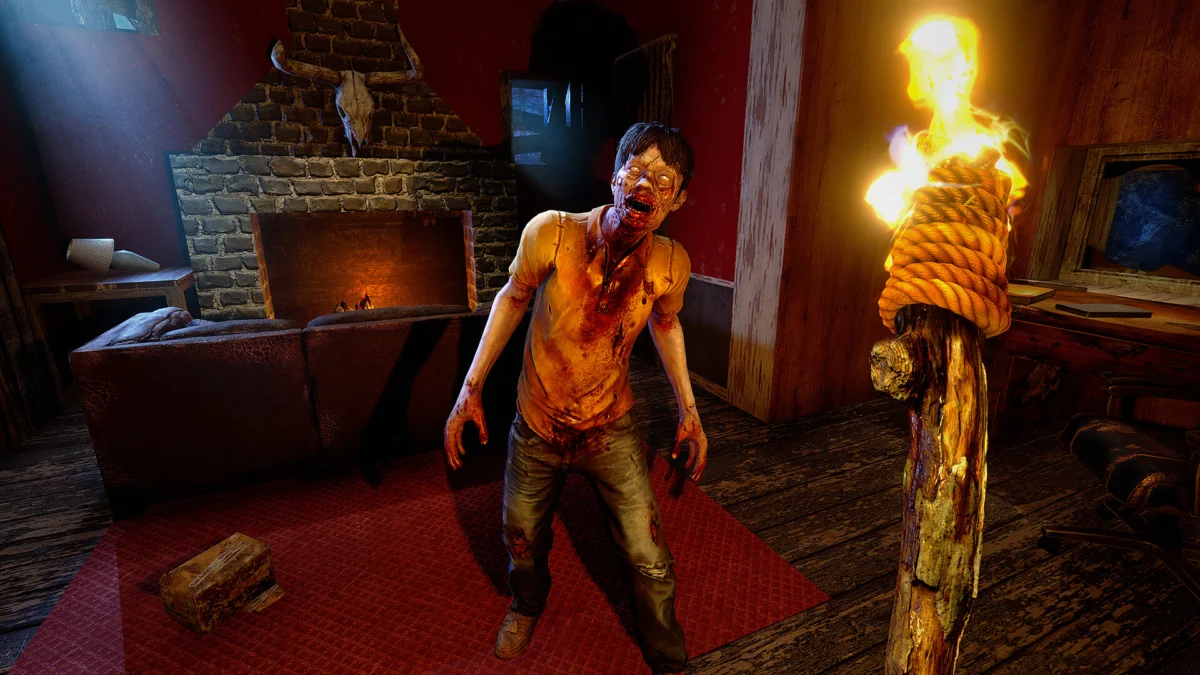
This strategic acquisition marks a significant expansion for Behaviour Interactive, bringing another highly successful and community-driven horror-survival franchise under its growing umbrella. The news, formally announced via a press release earlier today, highlighted Behaviour’s admiration for 7 Days to Die‘s extraordinary early access journey, which has seen the game accumulate over 20 million sales worldwide. The Montreal-based developer and publisher stated its intention to "reward" 7 Days to Die‘s passionate and dedicated player base by "supporting the project’s development and expanding its resources," while crucially emphasizing that there will be no alterations to the game’s existing "creative leadership."
A Decade of Survival: The Rise of 7 Days to Die
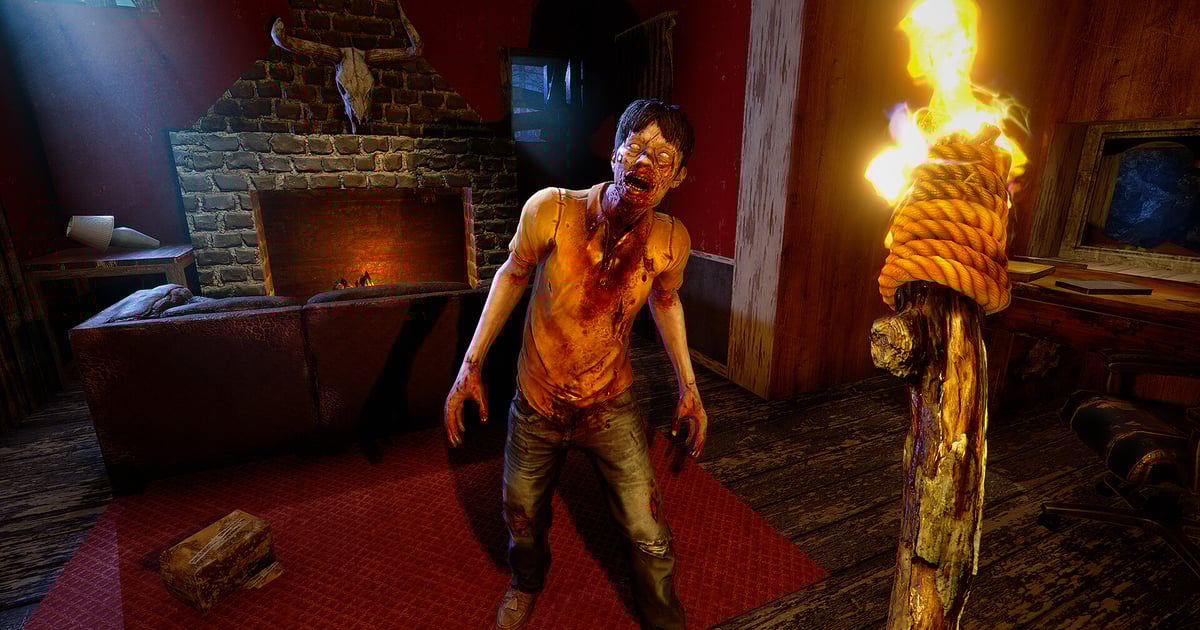
The Fun Pimps, co-founded by Richard Huenink and Joel Huenink, embarked on their ambitious journey over thirteen years ago, launching 7 Days to Die into Steam Early Access in December 2013. The game quickly carved out a unique niche within the crowded zombie survival genre, blending elements of first-person shooter combat, tower defense, role-playing, and extensive crafting and building mechanics. Set in a brutally unforgiving post-apocalyptic world overrun by the undead, 7 Days to Die challenged players to scavenge, build formidable bases, and endure the relentless hordes of zombies that become increasingly aggressive as the days turn into nights.
Its success is particularly noteworthy given its prolonged early access status. For over a decade, 7 Days to Die has continuously evolved, with The Fun Pimps regularly releasing substantial updates, dubbed "Alphas," that introduced new features, biomes, enemies, crafting recipes, and fundamental gameplay overhauls. This iterative development model, heavily influenced by direct community feedback, fostered an incredibly loyal player base. The 20 million units sold represent a monumental achievement for an independent studio operating within the early access framework, demonstrating the enduring appeal of its core gameplay loop and the studio’s commitment to ongoing improvement. This long-term engagement and the game’s robust modding scene have cemented 7 Days to Die‘s status as a beloved, if perpetually in-development, title within the survival genre.
Behaviour Interactive’s Strategic Vision and Synergies
For Behaviour Interactive, the acquisition of The Fun Pimps and 7 Days to Die represents a calculated move to bolster its position within the horror gaming landscape. Rémi Racine, CEO and co-founder of Behaviour Interactive, articulated this vision in the announcement, stating, "Over more than a decade, 7 Days to Die has established itself as a beloved franchise, inspiring more than 20 million players. It fits naturally within Behaviour’s goal of assembling a diverse, high-quality horror portfolio. It’s also an ideal complement to Dead by Daylight—both games have steadily grown alongside their communities."
The synergy between Dead by Daylight and 7 Days to Die is apparent. Both are horror-centric titles that thrive on live service models and cultivate incredibly active, dedicated communities. While Dead by Daylight offers asymmetric multiplayer horror, 7 Days to Die delivers a co-operative survival experience, expanding Behaviour’s reach into different facets of the horror genre. Behaviour’s extensive experience in managing a long-running live service game like Dead by Daylight, which celebrated its eighth anniversary in 2024, provides a wealth of knowledge in community management, content pipelines, and ongoing development strategies that can significantly benefit 7 Days to Die.
The acquisition is framed as a means to empower The Fun Pimps. Behaviour is poised to inject "additional support, expertise, and production capacity," providing the necessary resources to "accelerate development of their existing roadmap." This could translate into more frequent updates, faster implementation of planned features, and potentially a more definitive path towards a full 1.0 release, a milestone eagerly anticipated by the 7 Days to Die community for years. The explicit promise of maintaining The Fun Pimps’ creative leadership is a critical detail, designed to reassure players that the unique vision and direction that have guided 7 Days to Die for so long will remain intact.
Voices from the Studios: Ambition Meets Opportunity
Richard Huenink, co-founder of The Fun Pimps, conveyed the profound significance of this moment for his studio: "This is a huge moment for our game and our business. When we started this company thirteen years ago, we never imagined 7 Days to Die would become what it is today. That growth has come from our community, who have driven our game forward from the beginning. To keep giving them what they deserve, we knew we needed a partner who shared our ambitious vision for the future. Behaviour turned out to be exactly that."
Huenink’s statement underscores the organic, community-led growth that defines 7 Days to Die. The acquisition is presented not as a takeover, but as a partnership designed to elevate the game to its full potential, leveraging Behaviour’s considerable resources and industry acumen. This sentiment aligns with Behaviour’s stated goal of "rewarding" the community, implying that the enhanced development capacity will directly benefit players through a richer, more polished game experience.
A FAQ published on Behaviour’s official website further clarified the immediate operational structure, stating unequivocally that both Dead by Daylight and 7 Days to Die will remain "fully staffed, fully resourced, and committed to delivering the experiences their respective communities expect." This dual assurance aims to quell any concerns regarding potential resource dilution or shifts in focus for either flagship title.
Behaviour Interactive’s Expanding Empire and Recent Challenges
This acquisition of The Fun Pimps is the latest in a series of aggressive expansion moves by Behaviour Interactive over the past few years, signaling a clear strategy of growth through M&A. This period of rapid expansion, however, has also been accompanied by significant workforce adjustments, reflecting the broader volatility and challenging economic climate within the video game industry.
Timeline of Behaviour’s Recent Corporate Activity:
- 2022: Behaviour Interactive acquired Midwinter Entertainment, a Seattle-based studio known for its work on Scavengers. This marked an early step in Behaviour’s acquisition strategy, aiming to expand its development capabilities and portfolio.
- 2023: The company continued its acquisition spree by bringing in two European studios: SockMonkey Studios, a UK co-development studio, and Codeglue, a Dutch studio which was subsequently rebranded as Behaviour Rotterdam. These acquisitions aimed to diversify Behaviour’s geographic footprint and broaden its talent pool for co-development and porting projects.
- January 2024: Amidst this expansion, Behaviour initiated workforce reductions, laying off "less than 3 percent" of its total workforce, amounting to approximately 45 employees. The company cited the "challenging context of the industry" as a primary factor.
- May 2024 (Five months later): A more substantial round of layoffs followed, with Behaviour cutting an additional 95 jobs as part of a "strategic corporate change." CEO Rémi Racine commented at the time, "While changes to our structure and strategic vision have led to challenging decisions, we are confident that these decisions will position us for continued success."
- August 2024 (Three months later): The previously acquired Midwinter Entertainment studio was shut down entirely. This decision came after the cancellation of an unannounced project that Midwinter was developing. A company spokesperson stated, "This decision was taken following a diligent risk assessment from a commercial and a product perspective, which yielded unsatisfactory results."
- August 2024: Shortly after the Midwinter closure, Behaviour Interactive announced the acquisition of Red Hook Studios, the acclaimed developer behind the Darkest Dungeon series. In an interview discussing this acquisition, Racine stated that buying Red Hook Studios was "reducing risk for Behaviour" and that having a second original successful title was highly appealing.
This chronology reveals a complex corporate strategy: aggressive acquisition of studios and intellectual properties on one hand, and simultaneous restructuring and workforce reductions on the other. The stated rationale behind the Red Hook acquisition—"reducing risk" by securing a "second original successful title"—resonates strongly with the 7 Days to Die acquisition. While Darkest Dungeon is a critically acclaimed finished product, 7 Days to Die represents a massive, commercially proven early access title with a decade of community engagement. It effectively provides a third major, established, and successful IP to Behaviour’s portfolio, further diversifying its revenue streams and reducing reliance on Dead by Daylight alone. The pattern suggests Behaviour is actively consolidating established, successful IPs and teams that align with its core strengths, while pruning projects or studios that do not meet its commercial or strategic benchmarks. This approach reflects a broader industry trend where larger entities are acquiring smaller, successful studios to expand their IP libraries and secure talent amidst an increasingly competitive and economically uncertain market.
Implications and Future Outlook
For 7 Days to Die, the acquisition by Behaviour Interactive holds significant promise. The infusion of capital, technical expertise, and operational support from a larger, established developer and publisher could be precisely what the game needs to transition from its long-standing early access phase to a definitive full release. The "accelerated development of their existing roadmap" could mean faster content updates, enhanced optimization, potential console ports (which have seen previous iterations with other publishers), and perhaps a more robust marketing push to reach an even wider audience. The retention of creative leadership at The Fun Pimps is a critical factor for community acceptance, ensuring that the game’s unique identity and vision remain uncompromised.
For Behaviour Interactive, this move solidifies its position as a major player in the horror and survival game genres. 7 Days to Die adds a valuable, proven asset to its portfolio, complementing Dead by Daylight and Darkest Dungeon with a distinct, open-world survival experience. This diversification hedges against the inherent risks of relying too heavily on a single blockbuster title, a common strategy in the modern gaming industry. Behaviour’s expertise in live service game management, community engagement, and global publishing can undoubtedly elevate 7 Days to Die‘s reach and longevity.
The broader industry context, marked by widespread layoffs and studio closures, casts a long shadow over every corporate maneuver. Behaviour Interactive’s simultaneous acquisition spree and workforce adjustments underscore the harsh realities of balancing ambitious growth with financial prudence in a turbulent market. However, for The Fun Pimps and the millions of players who have invested in 7 Days to Die over the past decade, this acquisition by Behaviour Interactive heralds a new, potentially transformative chapter, promising a more robust and accelerated future for their beloved zombie apocalypse simulator. The coming years will reveal how this partnership will shape the evolution of 7 Days to Die and further define Behaviour Interactive’s strategic trajectory in the global gaming landscape.
About the Author