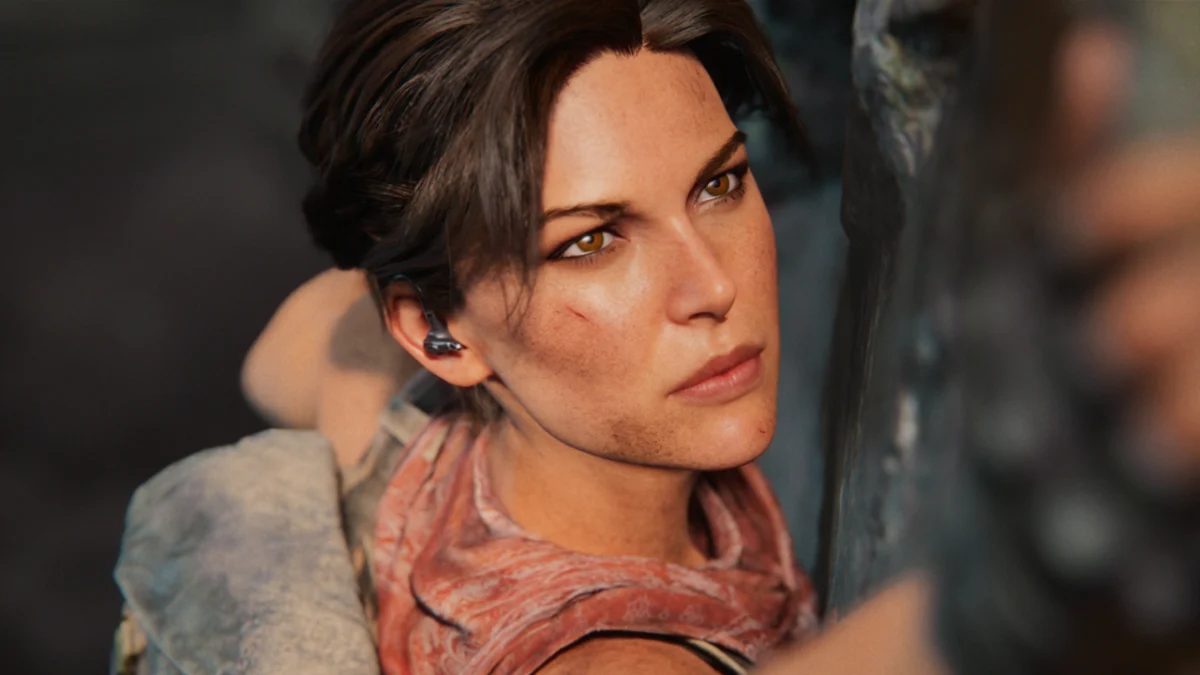
Crystal Dynamics, the renowned developer behind the iconic Tomb Raider franchise and a subsidiary of the Swedish conglomerate Embracer Group, has announced a new round of layoffs, impacting 20 of its employees. This marks the latest in a series of workforce reductions that have become a troubling pattern for the studio since its acquisition by Embracer Group in 2022. The cuts affect both development personnel and central operations staff, signaling ongoing adjustments within the studio’s structure as it navigates the complex landscape of game development and its parent company’s extensive restructuring efforts.
The Latest Workforce Reduction at Crystal Dynamics
The decision to reduce staff was formally communicated by Crystal Dynamics through a statement shared on LinkedIn, acknowledging the profound difficulty of such measures. The studio emphasized that these choices are never made lightly, particularly in the wake of significant restructuring undertaken in the previous year. According to the statement, the layoffs are a direct consequence of current projects transitioning into new phases of development, necessitating a re-evaluation of team structures to align with Crystal Dynamics’ long-term strategic objectives. While the studio stated its continuous efforts to transition employees into alternative roles whenever feasible, it regrettably confirmed that these recent departures were deemed necessary.
For the impacted individuals, Crystal Dynamics has committed to providing severance packages and comprehensive job placement assistance, aiming to support their transition during this challenging period. Despite these internal adjustments, the studio reiterated its unwavering commitment to its highly anticipated upcoming titles, Tomb Raider Catalyst and Tomb Raider: Legacy of Atlantis. These projects represent the future of the beloved franchise and are crucial for the studio’s continued relevance and commercial success within the competitive gaming market. The assurance of their ongoing development seeks to mitigate concerns among fans and stakeholders regarding the stability of the Tomb Raider pipeline.
A Recurring Trend: Crystal Dynamics’ Layoff Chronology
The current round of 20 layoffs is not an isolated incident but rather the latest chapter in a concerning series of workforce reductions that have plagued Crystal Dynamics over the past few years. This pattern began shortly after the studio’s acquisition by Embracer Group in August 2022, alongside fellow developers Eidos-Montreal and Square Enix Montreal (which was later rebranded as Onoma before its eventual closure), as part of a landmark $300 million deal that also transferred ownership of major intellectual properties like Tomb Raider and Deus Ex.
The first publicly acknowledged layoffs at Crystal Dynamics under Embracer’s ownership occurred in September 2023. This was followed by subsequent rounds in March 2025, August 2025, and November 2025, where the studio notably reduced its workforce by 30 employees. The cumulative effect of these repeated reductions has led to a significant contraction of the studio’s talent base, raising questions about its operational stability and long-term capacity for large-scale game development. Each prior instance of layoffs was accompanied by similar statements from the studio, citing the need to "adapt to the realities of the industry" and align with evolving project requirements or strategic goals. This consistent narrative underscores a continuous struggle for the studio to find a stable operational footing amidst broader corporate and market pressures. The frequency and scale of these adjustments highlight a sustained period of internal reorganization and, potentially, external financial pressures.
Embracer Group’s Broader Restructuring: A Corporate Odyssey
The layoffs at Crystal Dynamics cannot be fully understood without examining the tumultuous journey of its parent company, Embracer Group. Once hailed as an ambitious consolidator in the gaming industry, Embracer embarked on an aggressive acquisition spree, accumulating a vast portfolio of studios and intellectual properties over several years. The acquisition of Crystal Dynamics, Eidos-Montreal, and Square Enix Montreal from Square Enix was a marquee deal, symbolizing Embracer’s intent to become a dominant force in Western game development.
However, this period of rapid expansion was abruptly halted in mid-2023 when a crucial $2 billion partnership deal, reportedly with Savvy Games Group, fell through. This unforeseen setback triggered a dramatic shift in Embracer’s corporate strategy, leading to the initiation of a "brutal restructuring program." The stated objectives of this program were to reduce debt, improve profitability, and streamline operations across its vast and diverse ecosystem of companies.
The restructuring has been characterized by widespread and significant impacts across Embracer’s global operations. Thousands of employees across numerous studios have been laid off, dozens of development projects have been canceled, and several studios have been either closed outright (like Volition, known for Saints Row, and Onoma, formerly Square Enix Montreal) or divested (such as Gearbox Entertainment, the developer of Borderlands, which was recently sold to Take-Two Interactive). These drastic measures reflect a corporate imperative to right-size the organization and shed non-performing assets or those deemed outside the new strategic focus. The scale of this restructuring program has reverberated throughout the industry, becoming a stark example of the potential pitfalls of unchecked corporate growth and the challenges of integrating a multitude of diverse entities.
In a further attempt to stabilize its financial position and unlock shareholder value, Embracer Group recently announced plans to split into three distinct, publicly traded companies: Coffee Stain & Friends, Middle-earth Enterprises & Friends, and Asmodee. This strategic separation aims to create more focused entities with clearer investment profiles, allowing each new company to pursue its own growth strategies without the complexities and financial burdens of the larger, sprawling conglomerate. Crystal Dynamics would likely fall under the "Middle-earth Enterprises & Friends" segment, given its focus on premium AAA game development and established IPs, though the precise divisional alignment has long-term implications for its operational autonomy and funding.
The Wider Industry Context: A Challenging Climate for Game Development
The ongoing layoffs at Crystal Dynamics are not isolated events within the company or even within Embracer Group; they are symptomatic of a broader, challenging period facing the global video game industry. The past few years have witnessed an unprecedented wave of job losses across numerous developers and publishers, creating a climate of uncertainty and anxiety for professionals in the sector.
Several factors contribute to this industry-wide downturn. Following a boom during the COVID-19 pandemic, which saw increased engagement and spending in gaming, many companies overhired in anticipation of sustained growth. However, a post-pandemic correction, coupled with rising inflation and interest rates globally, has led to a tightening of consumer discretionary spending. This economic shift has impacted game sales and subscription revenues, forcing companies to re-evaluate their operational costs.
Furthermore, the cost of developing modern AAA games has escalated dramatically, with budgets often soaring into hundreds of millions of dollars. This increased financial risk, combined with intense market competition and the rising expectations of players, puts immense pressure on studios to deliver commercial and critical successes. When projects fail to meet expectations, or when development timelines extend beyond initial projections, it often triggers difficult decisions regarding staffing and project scope. The consolidation trend, where larger entities acquire smaller studios, can also lead to redundancies as parent companies seek to integrate operations and eliminate overlapping functions. The shift towards live-service games and subscription models, while offering new revenue streams, also presents challenges in terms of sustained player engagement and content creation, requiring different staffing profiles and longer-term resource allocation.
Implications for Crystal Dynamics and the Tomb Raider Franchise
For Crystal Dynamics, the repeated layoffs carry significant implications. While the studio emphasizes its commitment to Tomb Raider Catalyst and Tomb Raider: Legacy of Atlantis, ongoing workforce reductions can impact development morale, institutional knowledge, and the pace and quality of production. Losing experienced staff, particularly in specialized development roles or central operations, can create gaps that are difficult to fill, potentially leading to delays or compromises in creative vision. The constant cycle of restructuring can also foster an environment of instability, making it challenging to attract and retain top talent in a highly competitive industry.
The Tomb Raider franchise, with its rich history spanning nearly three decades, remains a cornerstone IP for Crystal Dynamics and Embracer Group. The success of Tomb Raider Catalyst and Tomb Raider: Legacy of Atlantis is paramount, not only for the studio’s future but also for validating Embracer’s significant investment in the IP. Fan expectations are incredibly high for new entries in the series, particularly as the franchise aims to leverage modern technology and potentially new narrative directions. The development of these titles under a cloud of ongoing layoffs will undoubtedly be a closely watched aspect by both industry observers and the dedicated Tomb Raider community. The challenge for Crystal Dynamics will be to maintain a high standard of quality and innovation while managing internal transitions and resource constraints.
Industry Perspectives and Future Outlook
Industry observers and analysts have been closely monitoring Embracer Group’s tumultuous restructuring, often citing it as a cautionary tale of rapid expansion without sustainable integration. The repeated layoffs at studios like Crystal Dynamics are seen as a necessary but painful step in Embracer’s attempt to stabilize its financial situation and create a more focused business model. The recent decision to split into three distinct companies is viewed as a drastic but potentially effective strategy to unlock value and provide clearer strategic direction for its diverse assets.
However, the human cost of such large-scale corporate restructuring is substantial, impacting thousands of lives and careers across the industry. The long-term effects on creativity, innovation, and employee welfare within the gaming sector remain a significant concern. For Crystal Dynamics, the immediate future involves navigating these internal challenges while delivering on its highly anticipated Tomb Raider projects. The studio’s ability to successfully launch these titles will be a critical test of its resilience and its capacity to thrive within Embracer’s evolving corporate structure and the broader, more cautious gaming market. The coming years will be crucial in determining whether the restructuring ultimately leads to renewed stability and growth for Crystal Dynamics and the wider Embracer ecosystem. The industry as a whole will continue to grapple with economic headwinds, evolving market demands, and the imperative to balance ambitious creative visions with sound financial management.
About the Author