London, UK – Playstack, the acclaimed video game publisher behind the indie sensation Balatro, has reported an extraordinary financial performance for 2025, demonstrating an impressive ‘hit ratio’ exceeding 85 percent and achieving a Profit Before Tax (PBT) of £12.2 million. This significant achievement, detailed in the annual report of its parent company TruFin, underscores Playstack’s strategic prowess in game discovery, development support, and market execution within the highly competitive video game industry. The reported PBT represents a substantial 59 percent increase from the £7.7 million recorded in 2024, signaling a period of accelerated growth and robust financial health for the publisher.
A Deeper Dive into Playstack’s Financial Triumphs
Playstack’s 85 percent ‘hit ratio’ is a metric that stands out in the volatile world of game publishing. This figure signifies that the vast majority of titles published by Playstack have successfully generated a positive return on their external development costs. In an industry where a significant percentage of games, particularly independent titles, struggle to break even, this ratio is indicative of a highly effective and selective publishing strategy. Industry benchmarks often suggest that only a fraction of newly released games achieve commercial success, making Playstack’s consistent performance a testament to its rigorous vetting process and strong market understanding. For many indie developers, securing a positive return is a primary challenge, and Playstack’s model appears to consistently overcome this hurdle.
Beyond the impressive hit ratio, Playstack’s financial indicators reveal a company operating at peak efficiency. The report highlights a Return on Invested Development Capital (ROIDC) across its entire console portfolio that exceeds 300 percent. ROIDC is a critical measure of how effectively a company utilizes its capital to generate profits from its development investments. A figure above 300 percent suggests an exceptional ability to turn investment into significant returns, far surpassing typical industry averages. Complementing this, an Internal Rate of Return (IRR) of more than 180 percent further illustrates the high profitability and attractive nature of Playstack’s projects. IRR is often used to evaluate the attractiveness of potential investments, with higher IRRs indicating more desirable projects. These robust figures reflect not only individual game successes but also the overall strength and strategic soundness of Playstack’s portfolio management.
The combined Playstack catalog has now surpassed $100 million in lifetime revenue on Steam alone. This milestone is particularly significant given Steam’s dominant position as a digital distribution platform for PC games. While the figure pertains solely to Steam, it strongly implies a substantially higher total revenue across all platforms, including console and mobile, where many of Playstack’s titles are also available. This multi-platform reach amplifies the commercial impact of their successful releases. Furthermore, Playstack recorded over 20 million new downloads across its titles during 2025, indicating a broad and growing player base engaging with its content. This metric encompasses sales, free-to-play downloads, and potentially subscription service inclusions, all contributing to brand visibility and potential future revenue streams.
The Cornerstone of Success: The Balatro Phenomenon
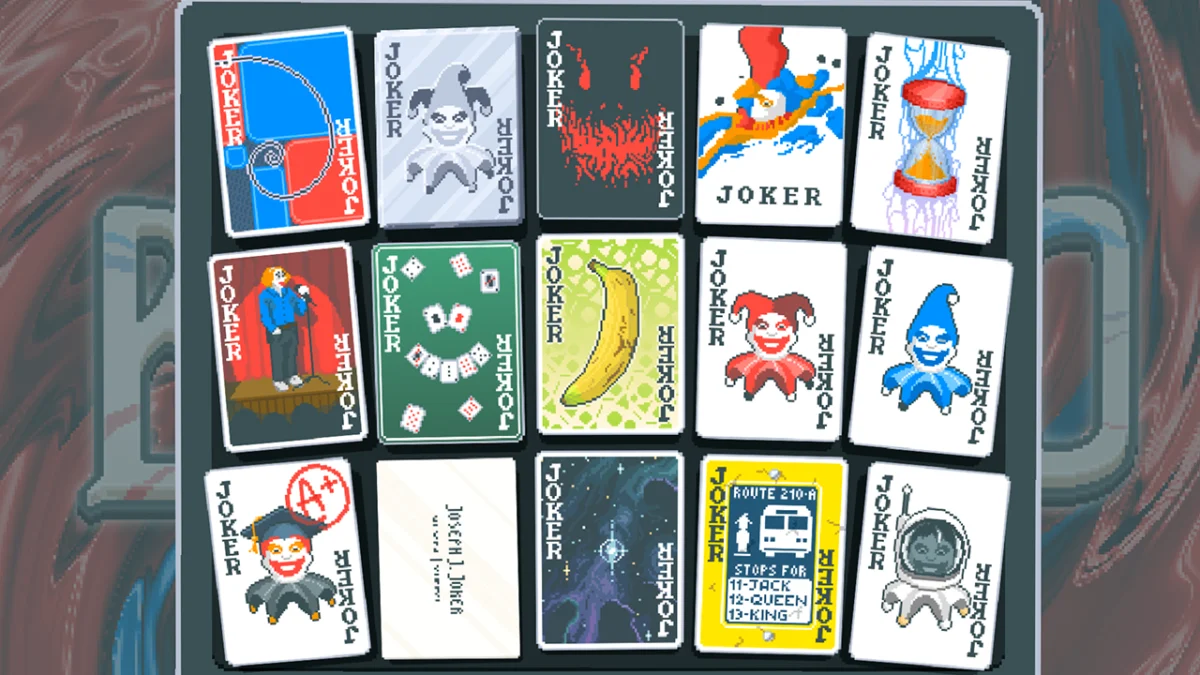
At the heart of Playstack’s remarkable 2025 performance lies the continued, phenomenal success of Balatro. Launched in February 2024, the poker-themed roguelike quickly captured the attention of players and critics alike, selling over 5 million units by January 2025. The TruFin report confirms that Balatro delivered record sales throughout 2025, underscoring its impressive longevity and sustained appeal in a market often characterized by fleeting trends. While specific sales figures for 2025 were not disclosed, the assertion of "record sales" indicates that the game not only maintained its momentum but potentially accelerated its commercial trajectory well into its second year on the market.
The success of Balatro is not merely a stroke of luck but the result of a meticulously executed strategy. GameDeveloper.com previously explored how Playstack’s communications director, Wout van Halderen, orchestrated a "marketing masterclass" that enabled Balatro to punch well above its weight. This involved a targeted approach that leveraged community engagement, influencer partnerships, and strategic content releases to build anticipation and maintain buzz long after launch. The game’s unique blend of familiar poker mechanics with innovative roguelike elements created a highly addictive and replayable experience, fostering strong word-of-mouth recommendations that further amplified its reach. The enduring appeal of Balatro serves as a powerful case study for the indie game industry, demonstrating how a well-crafted game, supported by expert publishing and marketing, can achieve mainstream success without the backing of a AAA budget.
Expanding the Portfolio: 2025’s Strategic Releases
While Balatro undeniably anchored Playstack’s success, the publisher’s strategic expansion in 2025 with new titles like VOID/BREAKER and Unbeatable further cemented its strong market position. The TruFin report confirms that every new title published by Playstack in 2025 remains on track to return on invested capital. This broad success across multiple releases underscores the effectiveness of Playstack’s "discovery" process, led in part by figures like Head of Discovery Patrick Johnson. This process involves identifying promising independent developers and games that align with Playstack’s portfolio vision and possess strong commercial potential.
The ability to consistently select and nurture successful projects is crucial for a publisher aiming for a high ‘hit ratio’. It suggests a sophisticated understanding of market trends, player preferences, and development risks. Playstack’s investment in these new titles demonstrates a commitment to diversifying its revenue streams and building a robust, multi-faceted catalog. This approach mitigates the risk of over-reliance on a single breakout hit, creating a more sustainable and resilient business model. The positive trajectory of these new releases indicates that Playstack’s success is not an anomaly tied to one game but rather a systemic outcome of its operational excellence.
Playstack’s Market Position and Growth Drivers
Playstack’s role as a key subsidiary of TruFin, a diversified financial services group, provides it with significant strategic advantages, including access to capital and sophisticated financial oversight. TruFin’s investment in the gaming sector through Playstack appears to be paying substantial dividends, validating its diversification strategy. The reported financial metrics are not just impressive for a game publisher but also for any growth-oriented enterprise within TruFin’s broader portfolio.

The continuous growth in PBT and downloads signifies Playstack’s increasing influence and reach within the global gaming market. The >20 million new downloads in 2025 are a clear indicator of growing brand recognition and player engagement. This momentum positions Playstack exceptionally well to capitalize on future opportunities. The company’s ability to attract and retain a large audience base is fundamental to its long-term growth, providing a fertile ground for future game launches and community building.
Leadership Insights and Strategic Outlook
While specific new statements were not provided in the summary, the consistent positive reporting from TruFin’s annual report allows for a logical inference of sentiments from Playstack and TruFin leadership. Harvey Elliott, CEO of Playstack, and Patrick Johnson, Head of Discovery, have previously articulated Playstack’s philosophy regarding developer partnerships and the path to a publishing deal. Their emphasis on identifying unique, high-quality projects and providing comprehensive support to developers is evidently bearing fruit.
It can be inferred that both Playstack and TruFin leadership would express considerable satisfaction with these results. Such a strong performance validates their strategic decisions and the operational effectiveness of the Playstack team. For TruFin, the consistent profitability and growth from Playstack reinforce the value of its investment in the interactive entertainment sector. For Playstack, the results likely empower them to attract even more talented developers, secure more favorable deals, and expand their ambitions.
Looking ahead, Playstack has ambitious plans, with eight new titles slated for launch in 2026. This aggressive release schedule, backed by a proven track record of success, signals confidence in their ability to maintain and accelerate their growth trajectory. The lessons learned from the Balatro marketing masterclass and the insights shared on securing publishing deals will undoubtedly inform their strategy for these upcoming releases. The company’s continued focus on nurturing developer relationships and making data-driven decisions in game selection will be critical to sustaining its high ‘hit ratio’ in the coming years.
Broader Industry Implications and the Indie Publishing Landscape
Playstack’s exceptional performance carries significant implications for the broader indie game publishing landscape. In an industry frequently characterized by fierce competition, rising development costs, and an oversaturated market, Playstack’s model offers a compelling blueprint for success. Their ability to consistently deliver positive returns demonstrates that strategic curation, robust financial management, and effective marketing are paramount.
For independent developers, Playstack’s success story is encouraging, showcasing that it is possible to achieve significant commercial viability with the right publishing partner. It highlights the importance of choosing a publisher not just for funding, but for their expertise in market analysis, player acquisition, and post-launch support. Playstack’s emphasis on a high ‘hit ratio’ likely translates into a more selective approach to signing games, prioritizing projects with genuine potential for commercial and critical acclaim.
However, the question of sustainability remains pertinent. Maintaining an over 85 percent ‘hit ratio’ in the long term, especially with an expanding portfolio, presents its own challenges. The market is constantly evolving, player tastes shift, and competition intensifies. Playstack’s continued success will depend on its ability to adapt to these changes, innovate its discovery and marketing strategies, and maintain the high quality that has become its hallmark. The "overnight success" of a game like Balatro, while transformative, requires ongoing strategic effort to leverage its halo effect for future titles.
The financial metrics reported by Playstack also provide valuable insights for investors looking at the gaming sector. The high ROIDC and IRR demonstrate that focused investments in well-managed indie publishing can yield superior returns compared to other segments of the entertainment industry. It reinforces the idea that the independent game space, when navigated with expertise, offers significant opportunities for growth and profitability.
Conclusion
Playstack’s 2025 financial results mark a pivotal moment for the publisher, cementing its position as a formidable player in the global video game industry. With a staggering 85 percent ‘hit ratio,’ an impressive 59 percent increase in Profit Before Tax, and a combined catalog revenue exceeding $100 million on Steam, the company has demonstrated an unparalleled ability to identify, publish, and market successful independent titles. Fueled by the enduring triumph of Balatro and the promising performance of its 2025 releases, Playstack is poised for continued expansion. With eight new titles slated for 2026, the publisher is set to build on this extraordinary momentum, offering a compelling case study for strategic success in the dynamic and challenging world of video game publishing.
About the Author