The automotive industry is undergoing a profound transformation, marked by a significant shift in consumer perception and purchasing habits towards electric vehicles (EVs). This paradigm shift is perhaps best illustrated by the conversion of individuals previously indifferent to automobiles into fervent proponents of electric mobility, reflecting a broader market trend where EVs are increasingly seen not just as an alternative, but as a superior mode of transportation. The acquisition of a fully electric 2019 Kia Niro by an individual who historically viewed cars as mere utility, not passion, serves as a compelling microcosm of this accelerating transition.
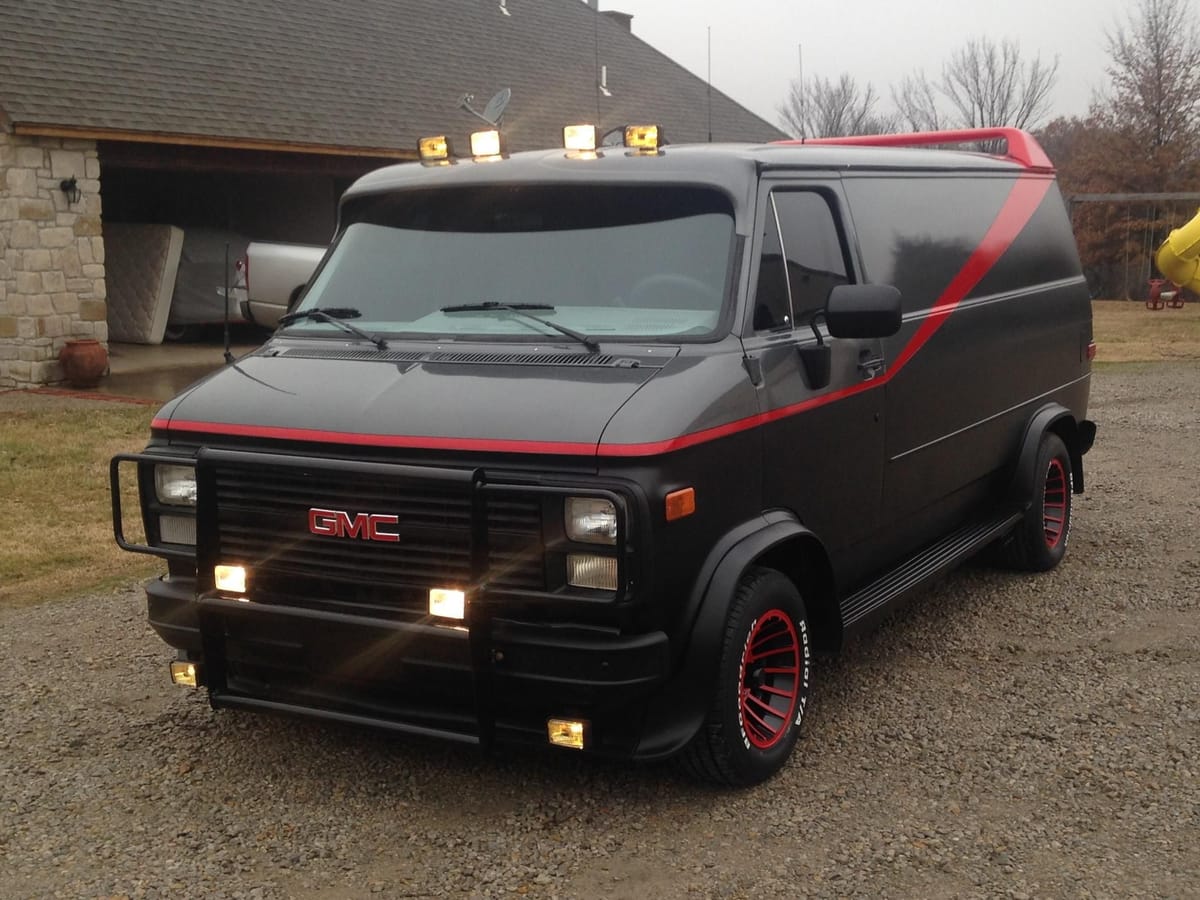
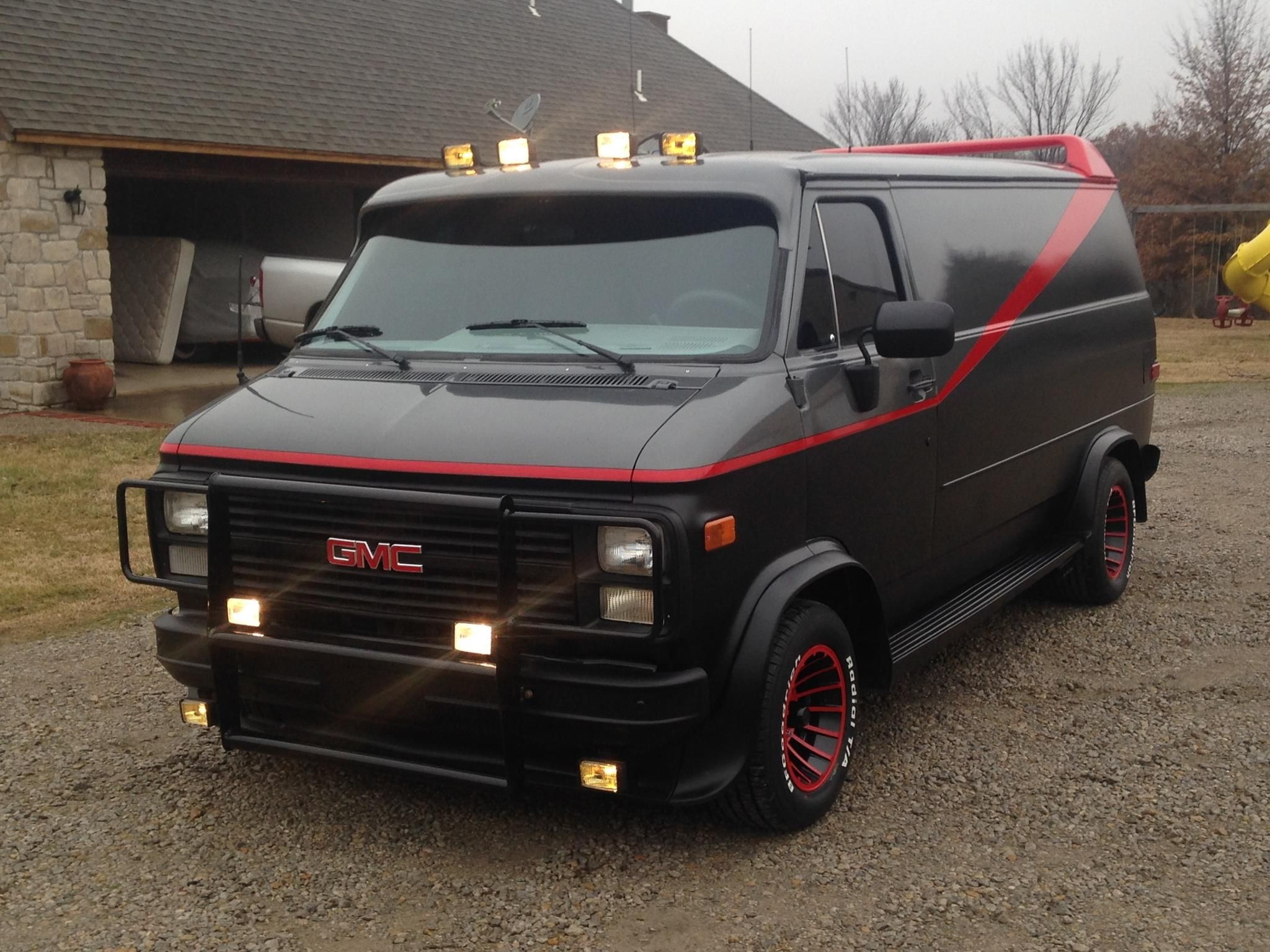
Historically, the individual’s vehicle choices underscored a pragmatic approach to transportation. The first new car purchased was a 1998 Ford Contour SVT, a model known for its niche appeal rather than broad automotive enthusiasm. Subsequent family vehicles included a 2011 Volkswagen station wagon and a 2012 Honda minivan, chosen primarily for their utility in accommodating a growing family, particularly after the unexpected arrival of twins. This pragmatic evolution from a compact sedan to a station wagon, and then to a full-sized minivan, highlights a consumer journey focused purely on functional requirements. The station wagon, while initially suitable for a family of three, quickly proved inadequate for the demands of twins, necessitating the upgrade to a minivan—a vehicle category often overlooked by enthusiasts but celebrated by parents for its unparalleled practicality, space, and ease of access. As a testament to its functional supremacy, the minivan, often humorously dubbed a "swagger wagon," has been observed to excel as a "vehicle command center" for families, even drawing parallels to iconic utility vehicles like the A-Team’s van, which was notably a full-sized van, not an SUV.
The decision to replace the aging station wagon after seven years marked a pivotal moment, signaling a departure from conventional gasoline-powered options. Initial considerations leaned towards hybrid vehicles, a choice increasingly common in environmentally conscious regions like California, where hybrid ownership often carries a social cachet. However, a deeper exploration into vehicle electrification led to a more decisive stance: if exploring partially electric solutions, why not embrace the fully electric future? This "all-in" approach reflects a growing consumer confidence in the maturity and capabilities of modern EVs.
The inspiration for this leap was partly rooted in popular culture and technological narratives. A 2014 graphic novel by The Oatmeal, which rapturously described the Tesla Model S as an "Intergalactic SpaceBoat of Light and Wonder," had planted a seed of curiosity even in a self-proclaimed non-car enthusiast. Five years later, this lingering fascination, coupled with observations of increasing EV presence on roads, matured into a conviction that the time was ripe to transition from the "bleeding edge" to the more stable, yet still "leading edge," of electric vehicle technology. This culminated in the purchase of the 2019 Kia Niro EV, a move that transformed a casual car owner into an ardent advocate for electric mobility.
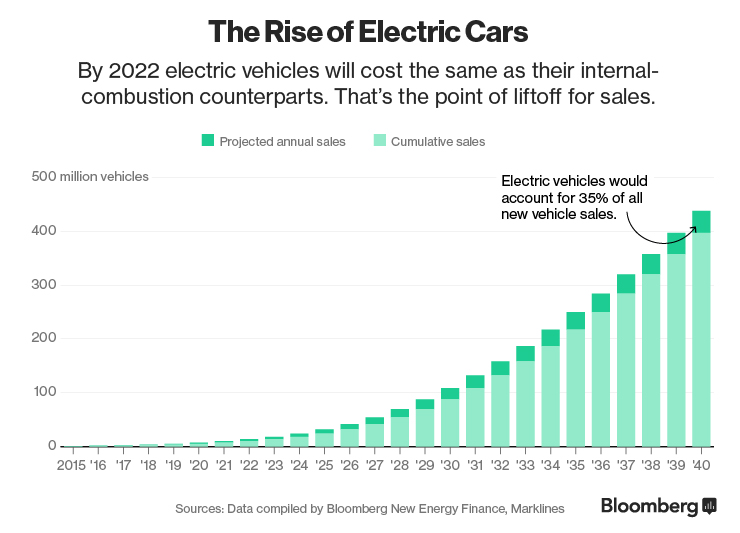
The experience of driving the Kia Niro EV has been described as profoundly transformative. Far from being "yet another car," it has introduced a "radical worldview." The perceived superiority of the electric driving experience—characterized by instant torque, silent operation, and smooth acceleration—has fundamentally altered the individual’s perspective on automotive engineering. The stark contrast with internal combustion engine (ICE) vehicles, which rely on "barely controlled liquid fuel detonations," has rendered gasoline cars feeling "deeply unnatural" and, for many new EV owners, increasingly "obsolete." This sentiment is supported by evolving market data, which indicates a consistent upward trend in global EV sales, suggesting a broader consumer consensus on the advantages of electric propulsion.
A Historical Perspective: The Journey of the Electric Car
The rapid mainstream adoption of EVs might appear sudden, but it is the culmination of decades of technological development and market recalibration. The journey of the electric car is marked by periods of promise and setback, ultimately leading to the current era of widespread viability.

The Early Stumbles: The GM EV1 Era (1990s)
The modern resurgence of electric vehicles can be traced back to initiatives like the General Motors EV1, produced between 1996 and 1999. This highly experimental vehicle, primarily available through lease programs in select markets, captured public imagination but ultimately faced significant technological and economic hurdles. Early models were powered by rudimentary lead-acid batteries, which offered limited range and added substantial weight. While the documentary "Who Killed the Electric Car?" explores various theories regarding its demise, the prevailing analysis points to the prohibitive cost of battery technology at the time. Industry estimates placed the actual production cost of an EV1 between $100,000 and $250,000 (in late 1990s dollars), making it economically unfeasible for mass production without substantial subsidies or a dramatic reduction in battery costs. Despite its commercial challenges, the EV1 fostered a devoted community of lessees who lauded its quiet operation and performance, foreshadowing the enthusiasm seen in today’s EV owners.
The Renaissance: Lithium-Ion and the Modern EV Pioneers (2000s-Early 2010s)
The true turning point for electric vehicles arrived with the commercialization of lithium-ion (Li-ion) battery technology in the early 2000s. Li-ion batteries offered significantly higher energy density, longer life cycles, and lower weight compared to their predecessors, making EVs a more practical proposition. This technological leap paved the way for a new generation of electric cars, prominently featured in the documentary "Revenge of the Electric Car."
This period, roughly from 2005 to 2008, saw the emergence of three highly influential models that shaped the modern EV landscape:
- The Tesla Roadster (2008): A high-performance sports car, the Roadster proved that EVs could be desirable, fast, and offer a substantial range (over 200 miles), albeit at a premium price point (around $100,000). It established Tesla as a serious contender and demonstrated the performance potential of electric powertrains.
- The Nissan Leaf (2010): Positioned as an affordable, mass-market EV, the Leaf was one of the first widely available all-electric cars. While its initial range was limited (around 73 miles), it played a crucial role in introducing EVs to a broader consumer base and highlighted the need for robust charging infrastructure.
- The Chevrolet Volt (2010): This extended-range electric vehicle (EREV) addressed "range anxiety" by incorporating a gasoline engine that primarily acted as a generator to charge the battery, extending the vehicle’s total range. While technically a hybrid, the Volt operated predominantly on electric power for most daily commutes, bridging the gap between traditional gasoline cars and pure EVs.
These early pioneers, each with its unique approach, laid the groundwork for the current EV market, demonstrating both the potential and the remaining challenges of electric mobility.
Achieving Affordability and Mainstream Appeal
The decade following these foundational models has witnessed remarkable progress in EV technology and market penetration.
Declining Costs and Government Incentives
A primary driver of EV mainstreaming has been the dramatic reduction in battery costs. According to BloombergNEF, the average price of a lithium-ion battery pack has plummeted by over 89% between 2010 and 2023, from over $1,200 per kilowatt-hour (kWh) to approximately $139/kWh. This cost reduction is critical, as the battery typically represents the most expensive component of an EV.
Concurrently, government incentives have played a vital role in making EVs more accessible. In the United States, federal tax credits (up to $7,500) and various state-level rebates and incentives (such as those offered in California) can significantly lower the effective purchase price of an EV. For instance, the 2019 Kia Niro EV, with a sticker price comparable to a mid-range internal combustion engine vehicle (around $38,000), could be acquired for approximately $30,000 after factoring in national and state incentives, making it directly competitive with popular gasoline models like the Honda Civic or Toyota Corolla when considering total cost of ownership over time. Studies by organizations like Corporate Knights have consistently shown that, when factoring in fuel savings, lower maintenance, and incentives, many EVs are already cost-competitive with gasoline vehicles over their lifespan.
Market Growth and Projections
The impact of these factors is evident in global sales figures. In 2019, when the Kia Niro EV was acquired, global EV sales (including plug-in hybrids) surpassed 2.2 million units, representing a significant portion of new vehicle sales. By 2023, global EV sales exceeded 14 million units, accounting for approximately 18% of all new vehicle sales, according to the International Energy Agency (IEA). This exponential growth is projected to continue, with many analysts predicting that EVs could constitute over 50% of new car sales in major markets like Europe and China by 2030, and a substantial portion in North America.
This robust growth is not merely driven by environmental consciousness but by tangible improvements in vehicle performance, range, and charging infrastructure. Modern EVs like the Kia Niro offer ranges exceeding 200 miles on a single charge, effectively eliminating "range anxiety" for most daily commutes and even many longer journeys.
Addressing Common Misconceptions and the Future Outlook
Despite the rapid advancements, certain myths and concerns about EVs persist. These often revolve around charging infrastructure, battery longevity, and environmental impact.
Dispelling EV Myths
- Range Anxiety: While an early concern, modern EVs offer ranges comparable to a full tank of gasoline for most drivers. Continuous improvements in battery technology and efficiency are further extending these ranges.
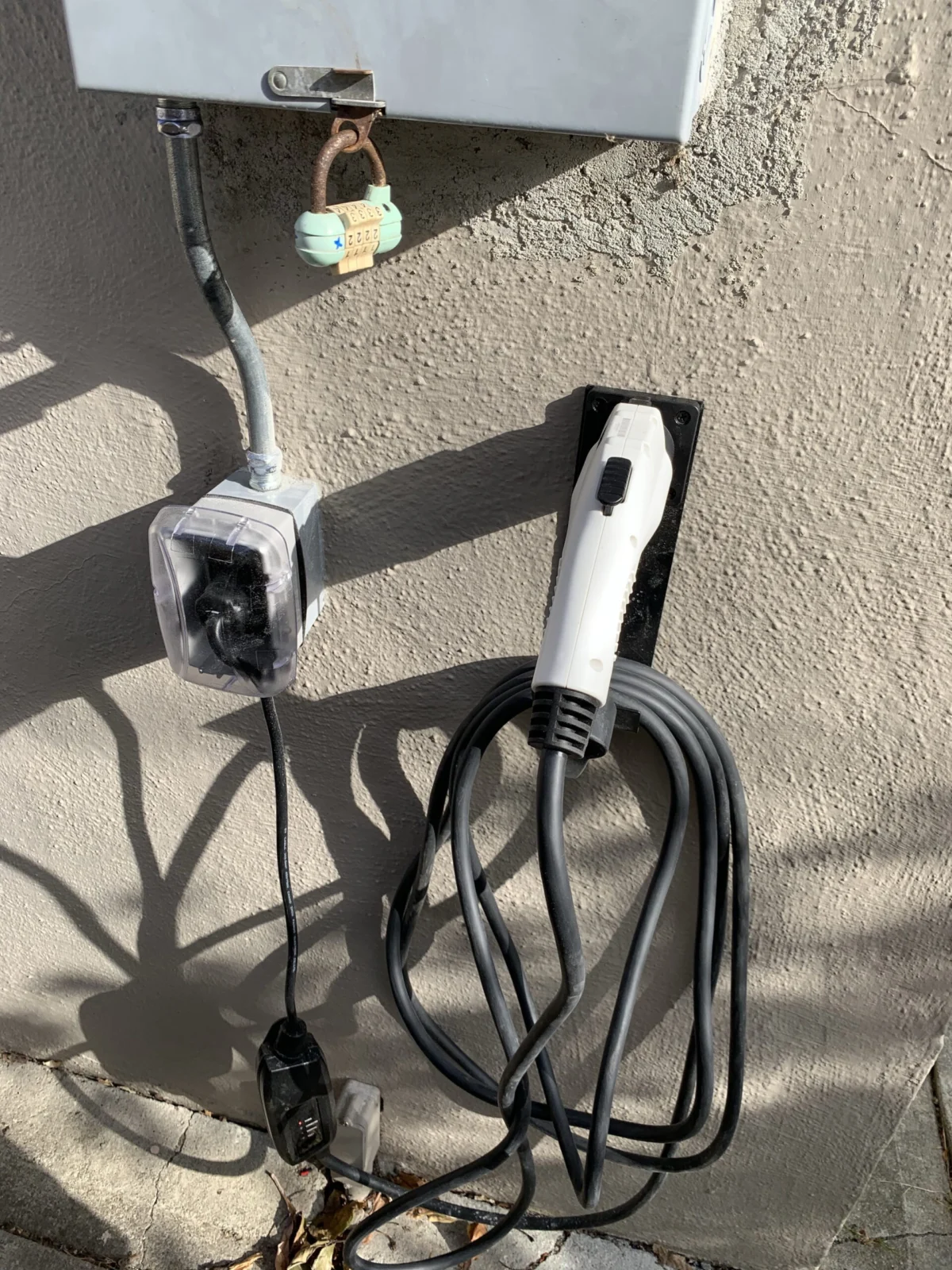
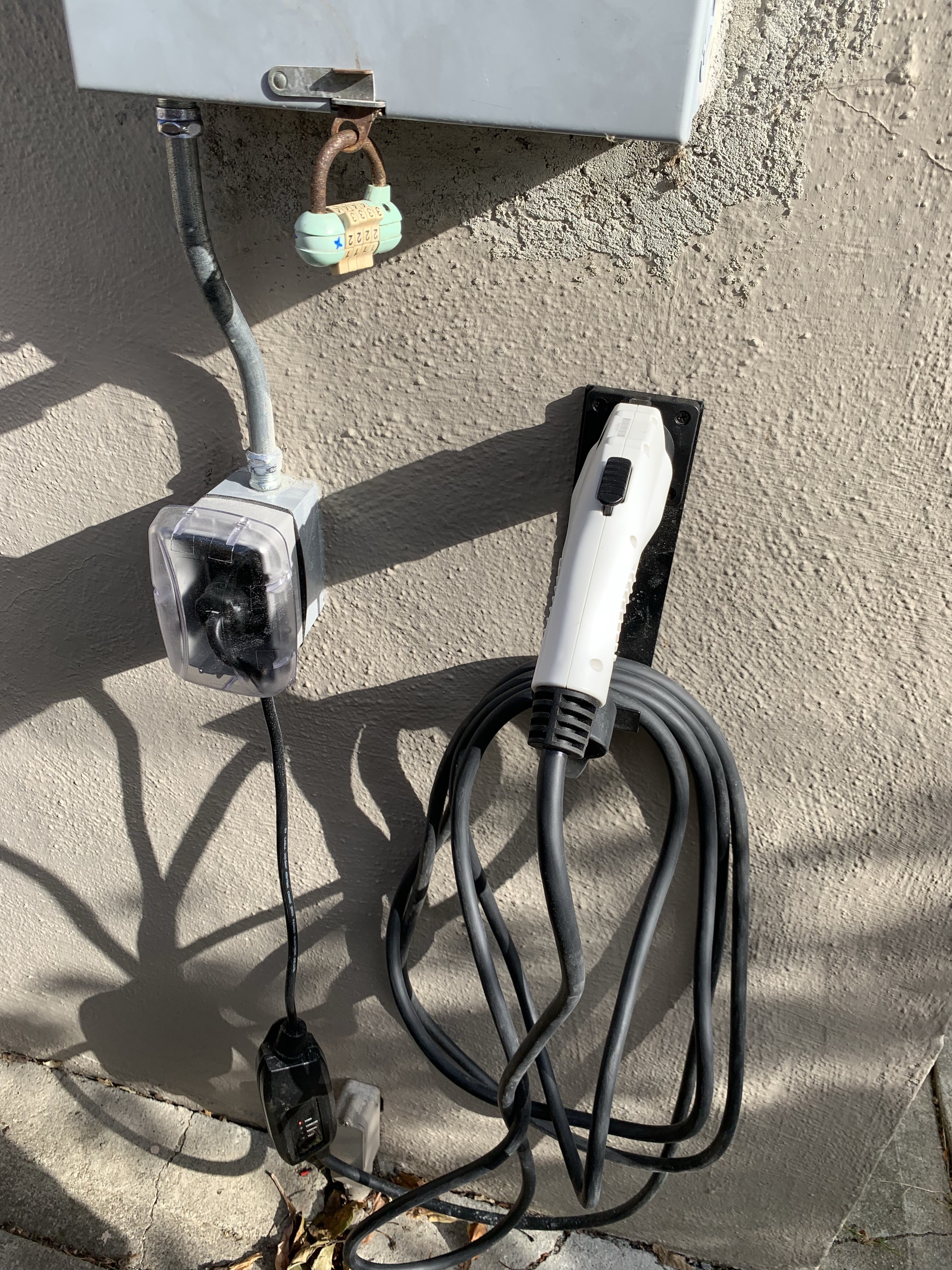
- Charging Infrastructure: The charging network is expanding rapidly. Beyond public fast-charging stations (Level 3 DC chargers) along major highways, most EV owners primarily charge at home using Level 2 chargers, effectively "refueling" overnight, much like charging a smartphone. Workplace charging is also becoming increasingly common.
- Battery Life and Replacement Costs: EV batteries are designed to last the lifetime of the vehicle, often coming with warranties of 8-10 years or 100,000-150,000 miles. Degradation over time is slow, and replacement costs are decreasing as technology advances. Furthermore, end-of-life EV batteries are increasingly being repurposed for grid storage or recycled, reducing environmental impact.
Broader Implications and the Irreversible Trend
The ascendancy of electric vehicles has far-reaching implications beyond individual ownership:
- Environmental Benefits: EVs produce zero tailpipe emissions, contributing significantly to improved urban air quality and reduced greenhouse gas emissions, especially when powered by renewable energy sources.
- Economic Impact: The shift to EVs is spurring innovation and job creation in battery manufacturing, charging infrastructure development, and renewable energy sectors. It also reduces reliance on fossil fuels, enhancing energy security for many nations.
- Automotive Industry Transformation: Traditional automakers are investing billions in electrification, retooling factories, and developing new EV platforms. This competitive landscape is accelerating technological advancements and driving down costs.
- Infrastructure Demands: The widespread adoption of EVs necessitates significant upgrades to electricity grids and continued expansion of charging networks, presenting both challenges and opportunities for utility companies and urban planners.
The journey from a casual car owner to an electric vehicle evangelist is increasingly common, reflecting a profound societal and technological shift. The continuous advancements in battery technology, the expansion of charging infrastructure, and the growing economic competitiveness of EVs are creating an undeniable momentum. The future of personal transportation, as evidenced by the rapid evolution and enthusiastic adoption, is not merely trending towards electric; it is, with absolute certainty, destined to be electric.
About the Author