The extended reality (XR) industry is entering a critical transitional period as major hardware manufacturers prepare for the high-stakes autumn launch window. Recent developments across the sector, ranging from sudden corporate pivots at ByteDance-owned Pico to hardware leaks from Valve and structural shifts at Apple, indicate a market recalibrating its expectations for high-end spatial computing and immersive storytelling. While hardware innovation continues to accelerate, the industry faces mounting questions regarding the economic sustainability of non-gaming content and the persistent privacy concerns surrounding wearable camera technology.
Strategic Realignment: The Pico Space Pro Postponement
Pico, the VR subsidiary of ByteDance, has experienced a tumultuous week following the official naming of its next-generation headset. Previously known by the internal codename "Project Swan," the device has been formally designated as the Pico Space Pro. The hardware was initially slated for a high-profile unveiling in China on September 2, 2024, with a subsequent rollout in Japan scheduled for the following day. However, in a move that has surprised industry observers, Pico abruptly announced the cancellation of these launch events.
The company officially stated that the delay is necessary to "perfect the device and its software environment." This late-stage postponement suggests two potential strategic drivers. First, Pico may be reacting to intelligence regarding Meta’s upcoming hardware roadmap—specifically the rumored "Ventura" or "Quest 3S" models—and seeking to refine its competitive positioning. Second, the company may be transitioning from a tiered regional rollout to a unified global launch to capitalize on the increasing international interest in high-end spatial computing.

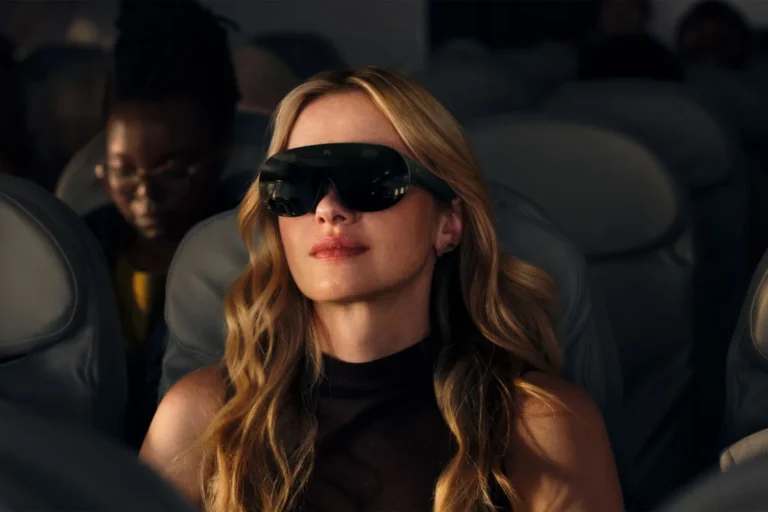
Financial leaks from Chinese e-commerce giant JD.com have placed the anticipated price point for the Pico Space Pro between $2,400 and $2,600. This pricing strategy confirms that Pico is moving away from the mass-market consumer gaming segment and into the "prosumer" and enterprise sectors. At approximately $1,000 less than the Apple Vision Pro, the Space Pro is positioned as a lighter, more cost-effective alternative for corporate training, engineering, and professional productivity.
Valve and the "Steam Frame" Hardware Leak
Valve Corporation, a dominant force in PC-based VR through the Valve Index, appears to be nearing the launch of its long-rumored "Steam Frame" hardware. In what industry analysts suspect may be a series of controlled disclosures, several user guide videos were recently leaked via official Valve channels. These instructional segments demonstrate unboxing procedures, controller strap installations, and initial hardware configurations.
The timing of these leaks coincided with the 30th anniversary of Valve’s founding on August 24. While community expectations for a major hardware announcement or a "Half-Life" franchise update were high, the company has maintained its characteristic silence. However, the technical maturity displayed in the leaked videos suggests that the "Steam Frame"—rumored to feature wireless capabilities and a standalone mode similar to the Steam Deck—is in the final stages of production. This device represents Valve’s attempt to reclaim the high-end PC VR market while addressing the portability demands currently satisfied by Meta’s Quest lineup.
The Economic Crisis of Immersive Storytelling
The immersive media sector has been shaken by reports indicating the potential dissolution of Felix & Paul Studios. As one of the most decorated entities in cinematic VR, the studio is renowned for groundbreaking projects such as "Space Explorers: The ISS Experience," for which specialized camera systems were sent to the International Space Station. Despite winning multiple Emmy Awards and receiving accolades at festivals like Venice Immersive, the studio has reportedly undergone significant layoffs, leaving its future and the ownership of its vast content library in doubt.

This development highlights a systemic issue within the XR ecosystem: the profitability gap for non-gaming content. For years, immersive storytelling has relied heavily on patronage and hardware exclusivity deals, particularly from Meta’s "Oculus Studios" initiatives. As Meta and other manufacturers pivot their budgets toward AI and enterprise productivity, the lack of a sustainable direct-to-consumer business model for VR cinema has become a critical vulnerability. The potential loss of a premier studio like Felix & Paul serves as a warning that creative excellence in XR does not currently guarantee commercial viability.
Meta’s Wearable Strategy and the Privacy Paradox
Meta’s Ray-Ban smart glasses continue to see strong market adoption but face escalating scrutiny over social and privacy implications. Recent investigative reports suggest that the privacy safeguards intended to notify bystanders of recording activities are being bypassed. While Meta recently issued a software update designed to disable the camera if the recording LED is tampered with or covered, third-party technicians claim that these hardware-level modifications remain effective.
The social friction caused by these devices has led to the emergence of counter-technologies. New mobile applications, such as the "Zuckoff" app, have been developed to detect the Bluetooth and Wi-Fi signals emitted by Meta’s smart glasses, alerting users to the presence of recording-capable wearables in their vicinity. These developments underscore the ongoing tension between the convenience of "always-on" AI assistants and the public’s right to privacy in shared spaces.
Apple Vision Pro and Hardware Market Corrections
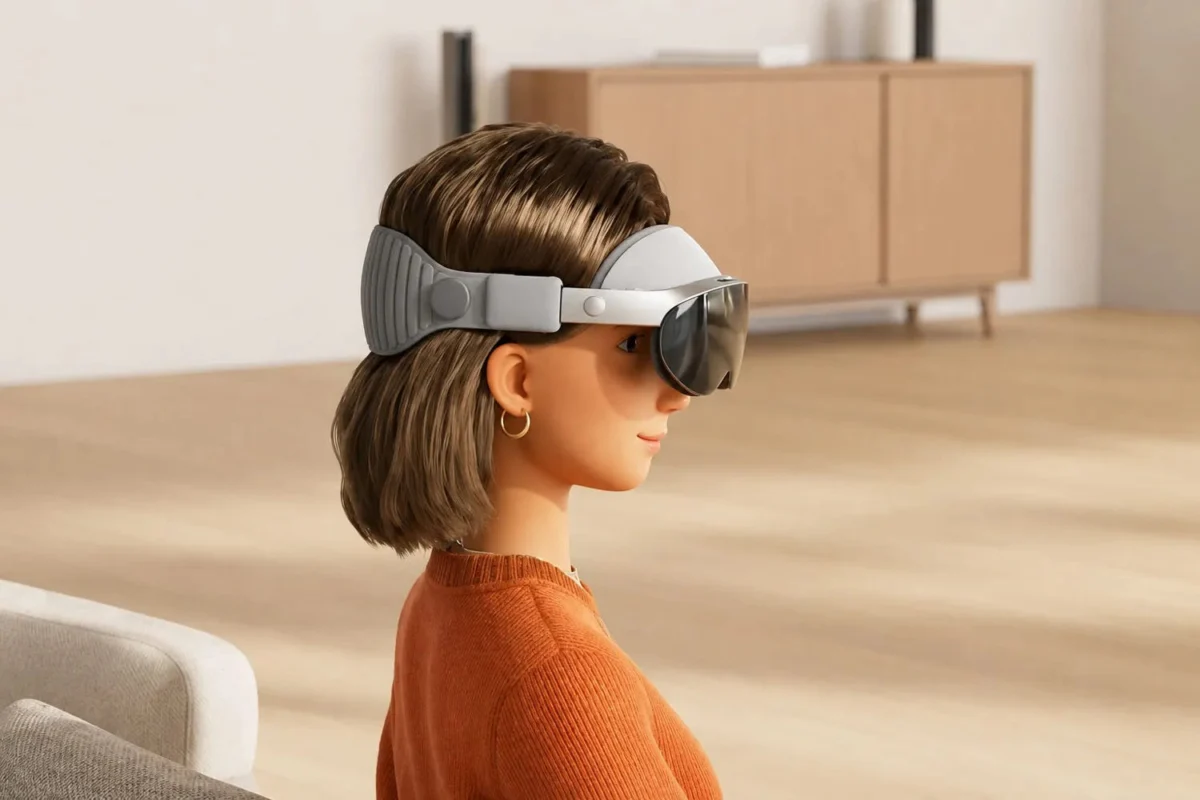
Apple has reportedly conducted targeted layoffs within its Vision Pro division, affecting approximately 60 employees. These cuts are primarily focused on teams dedicated to gaming and immersive video content. This shift reflects a broader correction in Apple’s spatial computing strategy. Since its launch, the Vision Pro has seen its strongest adoption in enterprise environments and professional workflows rather than the broader consumer entertainment market.

The high entry price of $3,500 has limited the device’s reach among gamers, leading Apple to prioritize the "spatial computer" aspect of the hardware over its "VR headset" identity. This internal reorganization suggests that Apple is narrowing its focus toward high-margin productivity use cases while it works on a more affordable consumer model rumored for 2025 or 2026.
Technical Milestones and Security Vulnerabilities
The broader XR market continues to diversify with several notable technical developments:
- XREAL Aura: The upcoming AR glasses have surpassed 10,000 pre-launch registrations. While modest compared to smartphone figures, this represents significant momentum for the lightweight AR segment, which targets media consumption and multi-monitor productivity.
- Varjo "People Occlusion": The Finnish enterprise VR leader has introduced an AI-driven "People Occlusion" feature. This allows users in a virtual environment to see real-time, high-fidelity visuals of colleagues in the same physical room. This technology is expected to revolutionize collaborative military and medical training by blending virtual scenarios with natural human interaction.
- Security and Cheating: Developers of the popular VR title "Ghosts of Tabor" have reported an increase in sophisticated cheating on the Meta Quest platform. Contrary to the belief that the Quest’s closed ecosystem was impenetrable, hackers are increasingly "cracking" Android-based VR software. This has forced developers to implement independent anti-cheat measures as the platform’s native security proves insufficient against modern decompilation techniques.
- Legacy Hardware: The Meta Quest 1 bootloader has been successfully unlocked by the developer community. As the device has reached its end-of-life status and no longer receives security updates, this exploit allows enthusiasts to install custom operating systems and extend the hardware’s utility beyond Meta’s ecosystem.
Social Governance in Virtual Worlds
The social VR platform VRChat is facing renewed calls for stricter age verification following a 500-day investigative documentary by YouTuber Jumper. The report details the proliferation of adult content in worlds that are technically accessible to minors. The findings suggest that while VRChat’s Terms of Service prohibit certain activities, the decentralized nature of the platform makes enforcement difficult. Industry analysts suggest that for social VR to achieve mainstream legitimacy, platforms must implement more robust, third-party age verification systems and create definitive barriers between general-audience spaces and adult-oriented communities.
Conclusion and Outlook
The XR industry is currently defined by a move toward professional-grade hardware and a sobering realization regarding the costs of content production. As Pico and Valve prepare their next moves, the focus has shifted from "VR for everyone" to "spatial computing for professionals." The coming months will determine whether the enterprise sector can provide the necessary revenue to sustain the industry until consumer-grade technology reaches the price points and privacy standards required for mass adoption.
About the Author