The intersection of athletic apparel and wearable technology has reached a new milestone with the release of the Reebok by Lucyd Octane smartglasses. Developed through a strategic licensing partnership between the global fitness brand Reebok and the smart eyewear innovator Lucyd, the Octane model represents a specialized entry into the audio-wearables market. Unlike augmented reality (AR) headsets that prioritize visual overlays, the Octane focuses on high-performance optics and open-ear audio, specifically engineered for the rigors of running, cycling, and outdoor sports.

Strategic Partnership and Market Context
The collaboration between Reebok and Lucyd, announced as part of a multi-year licensing agreement, leverages Reebok’s heritage in sports performance and Lucyd’s expertise in Bluetooth-integrated eyewear. This move comes at a time when the smart eyewear market is projected to grow significantly. According to industry reports from Grand View Research, the global smart glass market size was valued at approximately $1.2 billion in 2022 and is expected to expand at a compound annual growth rate (CAGR) of 10.3% through 2030.
By targeting the athletic demographic, the Octane model avoids the "generalist" pitfalls of many smart glasses, focusing instead on stability, eye protection, and situational awareness. The product is distributed through major optical retailers, including SmartBuyGlasses, positioning it as a consumer-ready alternative to high-end audio sunglasses from competitors like Bose or Meta.

Technical Specifications and Design Architecture
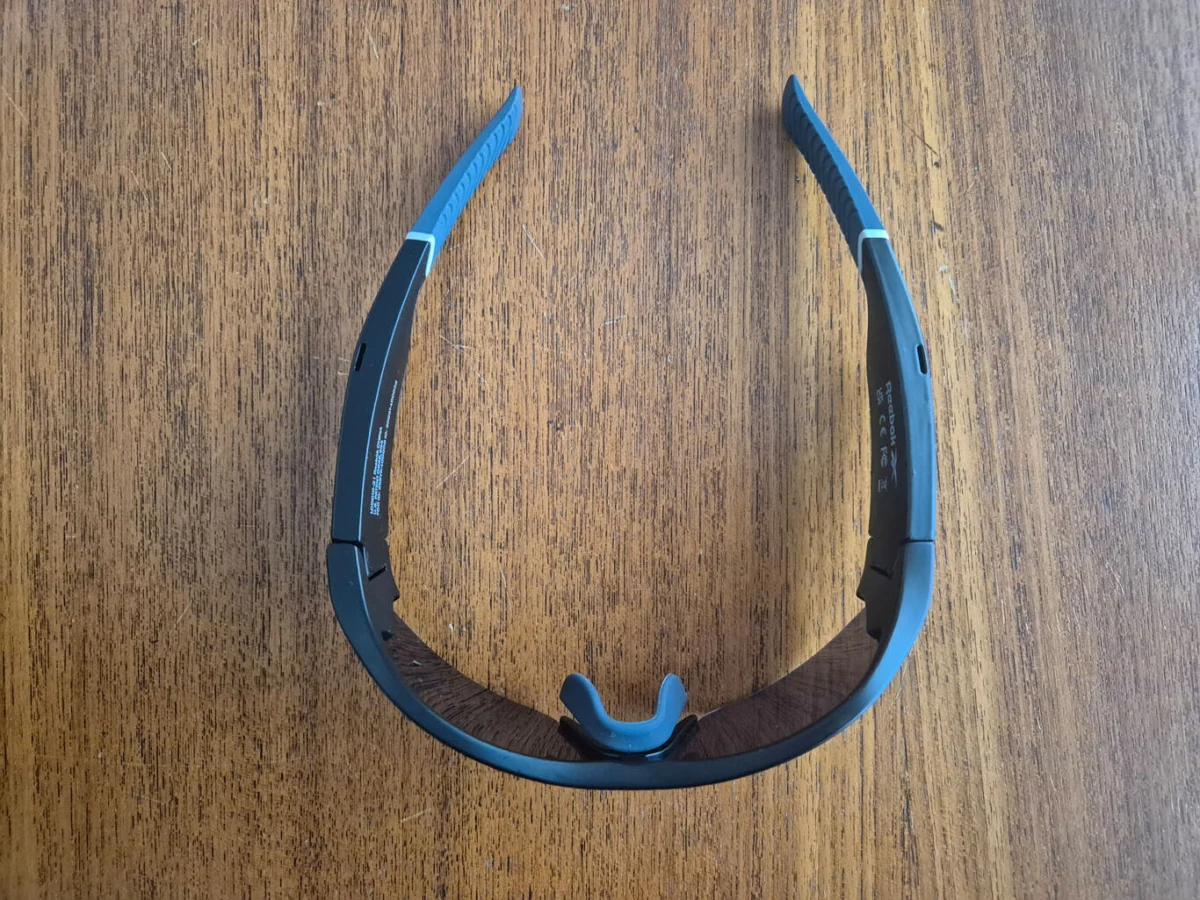
The Reebok by Lucyd Octane is characterized by an aerodynamic, wrap-around frame design typical of professional-grade running glasses. Despite the integration of electronic components, the device maintains a relatively lightweight profile of approximately 50 grams.
Optical Engineering
The Octane features adaptive photochromic polarized lenses. These lenses are designed to adjust their tint based on ambient UV exposure, a critical feature for athletes transitioning between shaded and sun-exposed environments. Technical specifications include:

- UV400 Protection: Blocking 99% to 100% of UV light, including UVA and UVB rays.
- Polarization: Reducing glare from reflective surfaces like asphalt and water.
- Coating Technology: Integrated anti-fog and anti-scratch treatments to ensure visual clarity during high-intensity perspiration.
- Zonal Tinting: The lenses prioritize protection in the upper and frontal vision fields, while the lower portion maintains higher transparency to facilitate the viewing of mobile devices or cycling computers.
Structural Integrity
The frames are constructed from high-durability plastics, with rubberized contact points at the nose bridge and temple tips. These components are moldable, allowing users to customize the fit to their specific facial structure. This ergonomic focus is intended to prevent the "slippage" often associated with heavier wearable devices during rhythmic movement like running.
Audio Performance and Connectivity Standards
The core "smart" functionality of the Octane is its open-ear audio system. Two micro-speakers are embedded within the temples, positioned to direct sound toward the ear canal without obstructing the ear itself.

Acoustic Profile
Testing indicates that the open-ear design provides a "spatial" audio experience, which differs from the isolated soundstage of traditional in-ear monitors. This allows for "environmental transparency," a safety-critical feature that enables athletes to remain aware of traffic, pedestrians, and ambient hazards. While the audio is reported as crisp for podcasts and phone calls, users should note that sound leakage occurs at higher volumes, which may impact privacy in crowded settings.
Communication Features
The device includes dual noise-canceling microphones designed to facilitate hands-free calling and voice assistant interaction. During field testing, voice transmission remained stable, though high speaker volume can occasionally cause a feedback echo for the recipient of a call—a common technical hurdle in open-ear acoustic designs.

Bluetooth Integration
The Octane utilizes Bluetooth 5.2 technology for low-latency connectivity. The setup process is streamlined, requiring a single long-press of the power button to enter pairing mode, typically completing the handshake with a smartphone in under 20 seconds.
Operational Interface and Battery Life
The user interface of the Reebok by Lucyd Octane relies on physical tactile controls rather than touch-sensitive panels, which are often prone to accidental triggers during exercise.

Control Logic
- Multi-function Button: Located on the right temple, this button manages power, Bluetooth pairing, call answering (single press), and call rejection (double press).
- Volume Toggle: A physical lever allows for incremental volume adjustments. Feedback from early adopters suggests that while the tactile nature is welcome, the lever’s small size can be challenging to manipulate with gloved hands or during high-speed activity.
Power Management
The Octane is rated for 8 hours of continuous playback per charge, aligning with the requirements for long-distance endurance training. Charging is handled via a proprietary magnetic attachment that connects to a USB-C port. This magnetic system is keyed to prevent incorrect orientation, ensuring a consistent electrical contact.
Software Ecosystem: The Lucyd Companion App
While the glasses function as a standard Bluetooth audio device out of the box, Lucyd offers a companion application designed to unlock advanced features. These include:

- ChatGPT Integration: Allowing users to query the AI via voice commands.
- Real-time Translation: Intended for international travelers or athletes in diverse environments.
However, technical assessments of the current software version indicate significant room for improvement. Users have reported frequent synchronization errors, high latency in translation services, and a user interface that lacks the polish of the hardware itself. For most athletic use cases, the hardware performs most reliably when used as a direct Bluetooth peripheral without the app’s intervention.
Field Testing: Athletic Performance Analysis
In practical applications, the Octane demonstrates a high degree of stability. During running sessions, the 50-gram weight is distributed effectively across the bridge of the nose and the lateral parts of the skull, minimizing bounce. The anti-fog coating proves effective in humid conditions, a common failure point for standard eyewear.

The open-ear audio serves as a significant safety upgrade over traditional headphones. By allowing the user to hear both their media and the surrounding environment, the Octane addresses a primary concern for urban runners and cyclists. Furthermore, the ability to maintain a conversation with a running partner while music plays in the background enhances the social aspect of training.
Product Variations and Accessibility
Recognizing the diverse needs of the athletic community, the partnership has released a sister model, the Reebok by Lucyd Nitrous. While the Octane is designed as a fixed-lens solution, the Nitrous model supports prescription lenses.

- Prescription Range: SPH: -8.00 to +7.00; CYL: -4.00 to +4.00.
- Pricing Structure: The Octane is currently retailed at approximately $160, while the Nitrous is priced near $154 (excluding prescription lens costs).
Broader Implications for the Wearable Industry
The release of the Reebok by Lucyd Octane signals a shift toward "purpose-built" wearables. By eschewing complex visual displays in favor of reliable audio and high-quality optics, Lucyd and Reebok have created a product that serves a specific functional need without the high price point or battery limitations of full AR glasses.
As the technology matures, the success of such devices will likely depend on the refinement of companion software and the further miniaturization of battery components. For now, the Octane stands as a robust tool for athletes who prioritize safety and situational awareness without sacrificing the convenience of modern connectivity.
About the Author