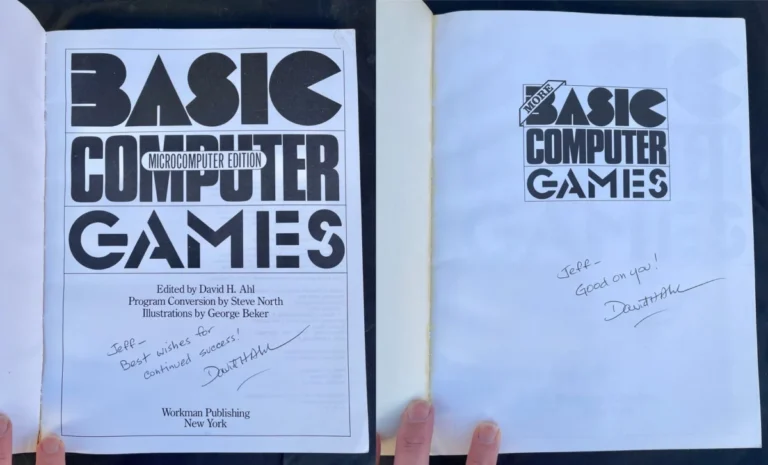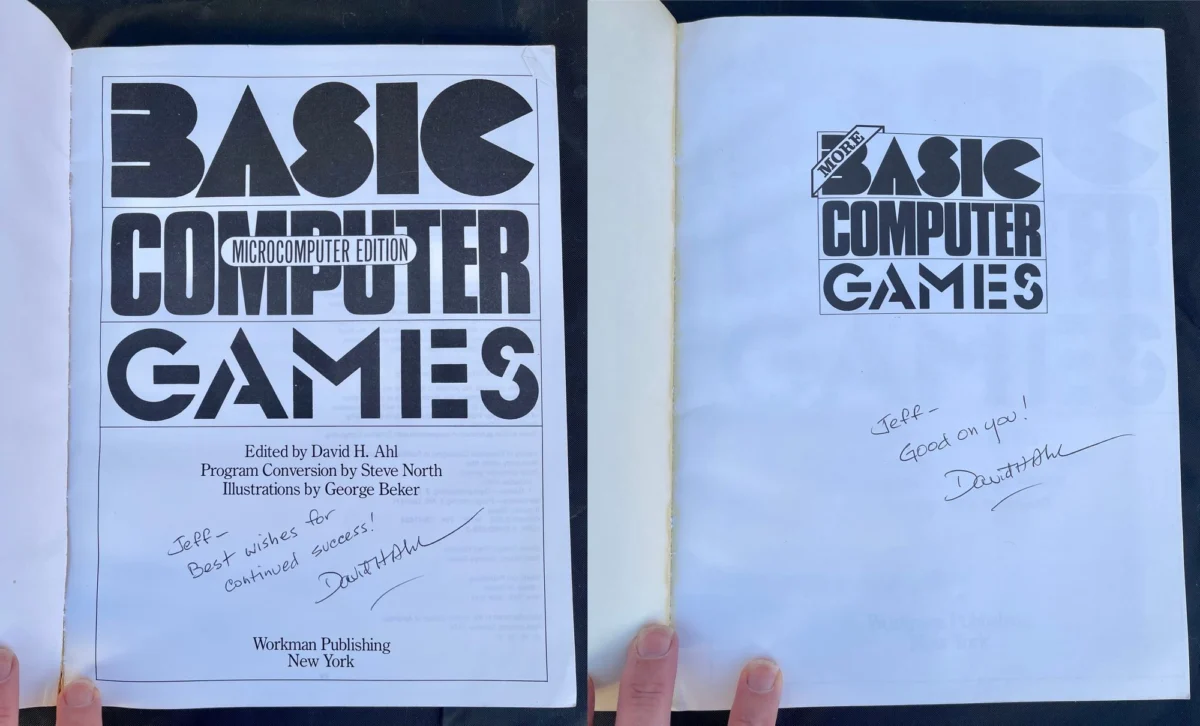
A significant open-source initiative is underway to update David H. Ahl’s seminal 1973 publication, "101 BASIC Computer Games," a book widely credited with inspiring an entire generation of programmers and serving as a foundational text in the nascent field of personal computing. Led by prominent software developer and "Coding Horror" blogger Jeff Atwood, the project aims to translate these historic programs into ten modern, memory-safe programming languages, bringing them into the 21st century while preserving their original educational and historical value. This collaborative effort, hosted on GitHub, represents a bridge between computing’s pioneering past and its contemporary, community-driven future, aiming to make these foundational programs accessible and understandable to today’s developers.
The Genesis of a Digital Era: BASIC and Early Personal Computing
To fully appreciate the scope and significance of this modernization project, it’s essential to contextualize the computing landscape of the 1970s and early 1980s. Before the advent of graphical user interfaces (GUIs) and user-friendly operating systems, personal computers were a rarity, and interacting with them was a far cry from today’s intuitive experiences. Early machines, such as the Altair 8800, Apple II, Commodore PET, and TRS-80, typically booted directly into a command-line interface. There was no "desktop" laden with icons; instead, users were greeted by a blinking cursor, awaiting typed commands.
The programming language that democratized access to these machines was BASIC, an acronym for Beginner’s All-purpose Symbolic Instruction Code. Developed at Dartmouth College in 1964 by John G. Kemeny and Thomas E. Kurtz, BASIC was designed to be simple, easy to learn, and suitable for non-science students. Its straightforward syntax, immediate execution capabilities, and lack of complex data structures made it ideal for hobbyists and educators, becoming the de facto language for early personal computers.
However, the challenge remained: how would users get programs onto these machines? Floppy disk drives and hard drives were expensive luxuries, and cassette tape drives, while more affordable, still required knowing specific commands to load software. For many early adopters, the primary method of acquiring software was through books. Enthusiasts would spend hours manually typing lines of code, character by character, from printed pages into their computers. This often painstaking process was a rite of passage for early programmers, fostering a deep understanding of the code’s structure and logic, even if it frequently ended in frustration over a single misplaced character.
David Ahl and the Unprecedented Success of "101 BASIC Computer Games"
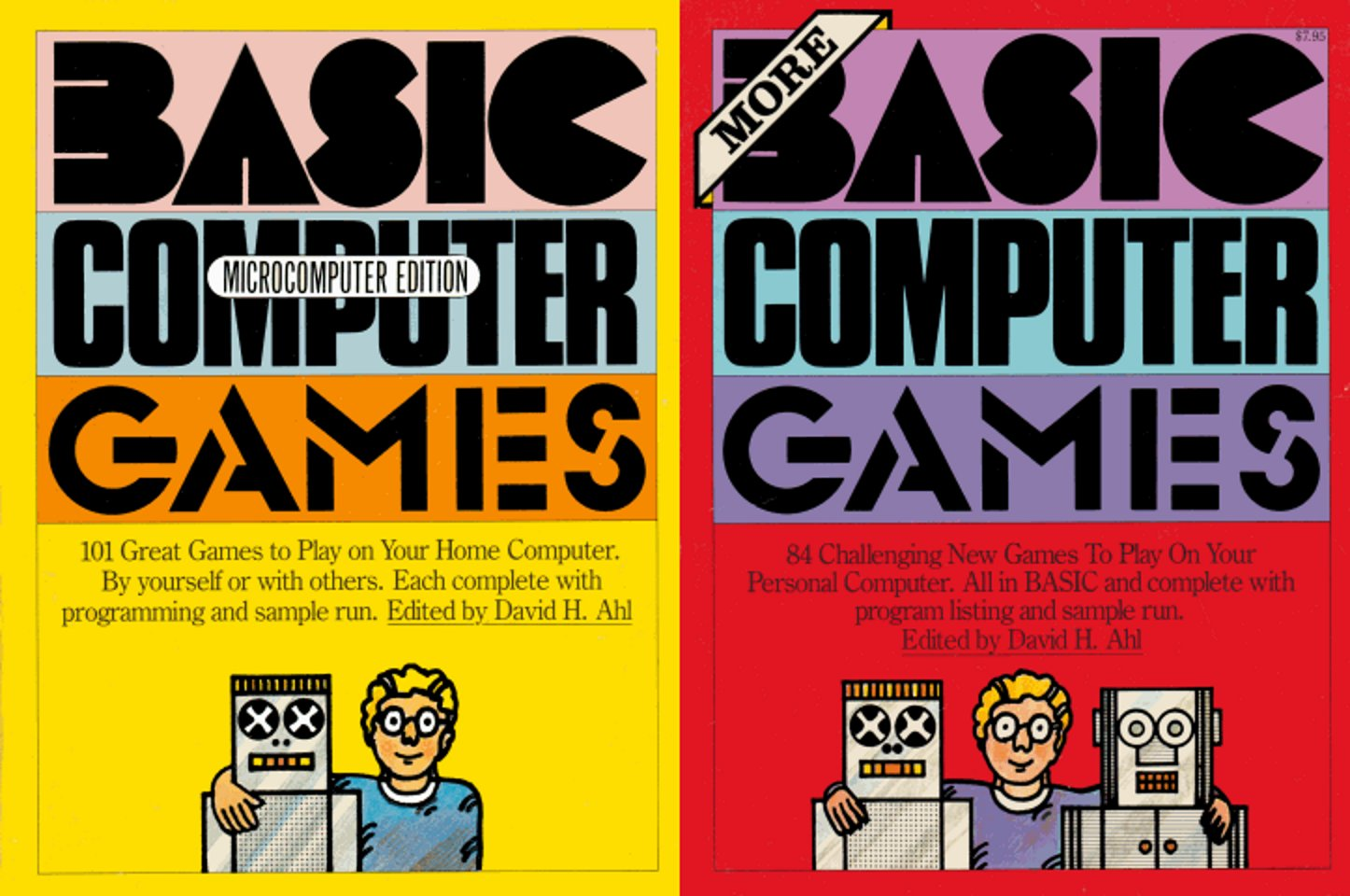
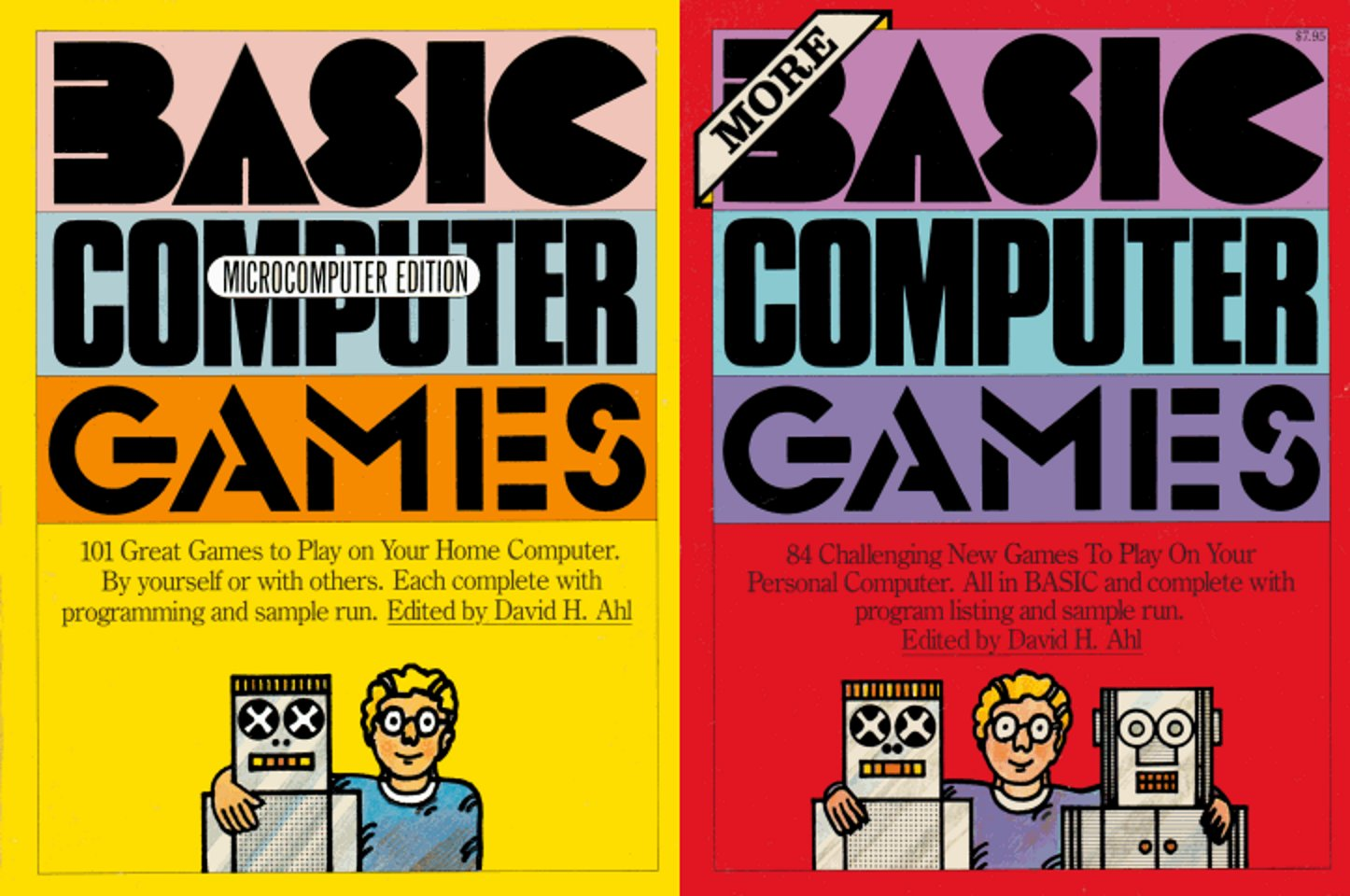
At the heart of this early programming culture was David H. Ahl. A visionary in computing education, Ahl recognized the immense potential of personal computers long before they became commonplace. While working at Digital Equipment Corporation (DEC) in the early 1970s, he compiled a collection of programs, primarily written in BASIC, into a book titled "101 BASIC Computer Games." Published by DEC in 1973, the book was an instant hit, quickly selling out its initial print run and going into a second, totaling 10,000 copies. This figure was remarkable, as Ahl himself noted, because "that was far more books than there were computers around, so people were buying three, four, five of them for each computer." It effectively meant that the book was often purchased before the machine it was intended for, signifying its role as a key gateway to the world of computing.

Ahl’s entrepreneurial spirit extended beyond books. In 1974, he founded Creative Computing magazine, one of the first publications dedicated to the burgeoning personal computer market. His journey in launching the magazine epitomizes the "sweat equity" that defined early tech endeavors. As quoted from an historical account, Ahl announced his intentions in June 1974, then spent months meticulously laying the groundwork: contacting authors, securing mailing lists, arranging typesetting and printing, all while relocating his family and starting a new job. With only 600 subscribers by October 1974, Ahl made a daring decision: he printed 8,000 copies of the first issue, using half his capital. He personally delivered the subscriber copies and then spent nearly three weeks hand-labeling the remaining 7,400 issues to send unsolicited to libraries and schools across the country. This audacious move was instrumental in building the magazine’s readership and spreading the word about personal computing. Many of the games in "101 BASIC Computer Games" were, in fact, compilations of popular programs previously featured in Creative Computing.
The book’s impact was monumental. It went on to become the first computer book to sell a million copies, a testament to its widespread appeal and its role in shaping the minds of countless individuals who would go on to become engineers, developers, and tech innovators. Jeff Atwood himself attributes his entire professional career to these early BASIC books, highlighting their profound influence on his formative years. For a generation of enthusiasts, typing in games like "Civil War," "Lunar Lander," or "Hamurabi" from Ahl’s book was not merely entertainment; it was a foundational lesson in logic, debugging, and the sheer power of instructing a machine. The distinctive, whimsical illustrations by George Beker further added to the book’s charm and memorability, making it a beloved artifact for many.
The Evolution of Programming: Why Modernization is Crucial
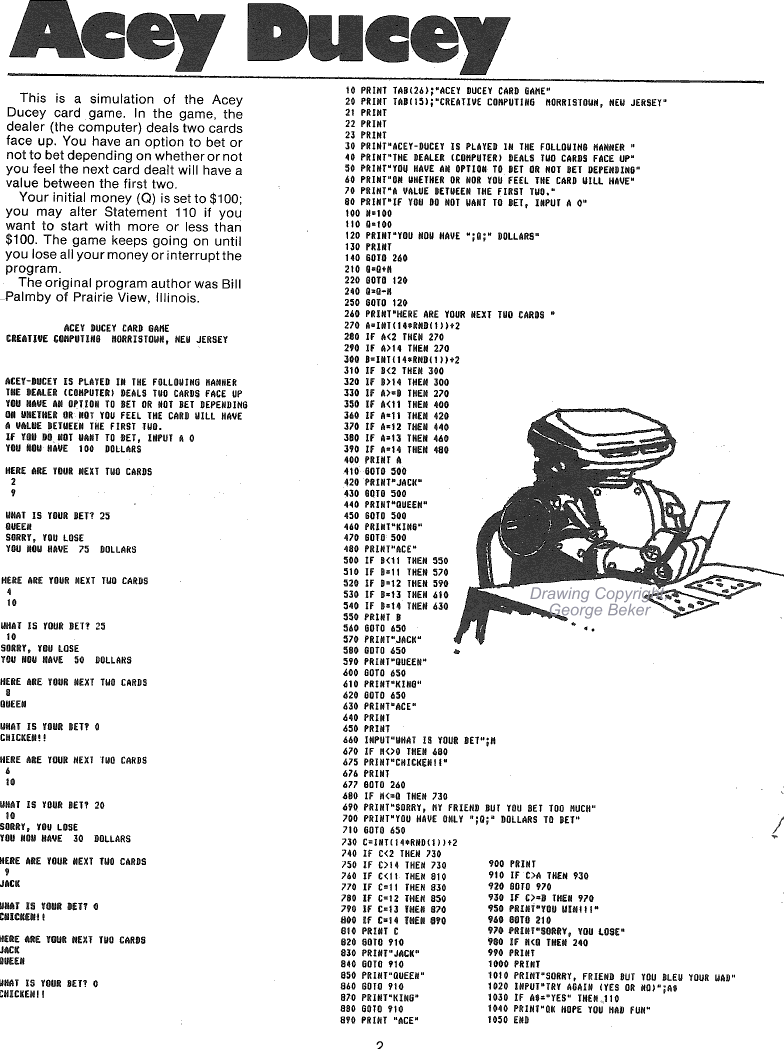
While "101 BASIC Computer Games" holds an undeniable place in computing history, the original programs reflect the technological constraints and programming paradigms of their era. Written for simple interpreters on machines with limited memory and processing power, they often featured:
- Line Numbers: Every line of code required a unique number, dictating the execution order.
- GOTO Statements: Program flow was heavily reliant on "GOTO" commands, leading to unstructured, difficult-to-read "spaghetti code."
- Lack of Modularity: Concepts like subroutines, functions, and object-oriented programming – now considered fundamental for managing complexity – were largely absent or rudimentary.
- No Memory Safety: Early BASIC offered little to no protection against common programming errors that could lead to crashes or security vulnerabilities.
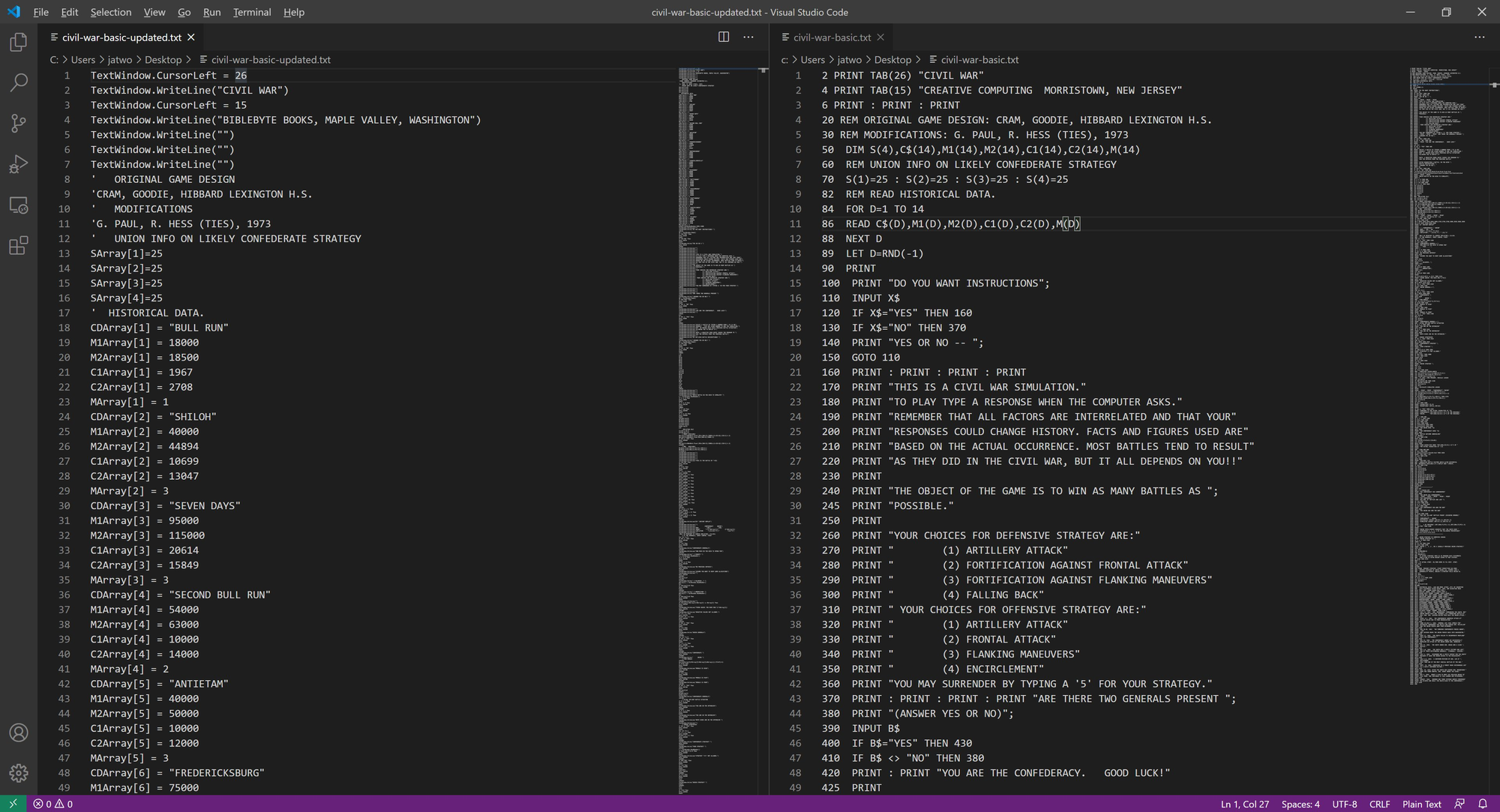
A previous attempt in 2010 to modernize these programs using Microsoft’s SmallBasic, while well-intentioned, fell short of truly updating the underlying programming practices. As Atwood observes, these ports often amounted to little more than "merely removing the line numbers," failing to incorporate crucial advancements like subroutines, which he famously refers to as "the greatest invention in computer science" for their ability to promote modularity and reusability. The comparison between the original 1973 BASIC "Civil War" program and its 2010 SmallBasic counterpart clearly illustrates this point, showing a largely superficial transformation rather than a fundamental refactoring.
The modern programming landscape demands more. Today’s developers operate in an environment where structured programming, modular design, strong typing, and memory safety are paramount. Memory-safe languages, which prevent common programming errors like buffer overflows and null pointer dereferences, are increasingly critical for building robust and secure applications.
The "Updating 101 BASIC Computer Games" Project: A Bridge to the Future
Recognizing this gap and the enduring legacy of Ahl’s work, Jeff Atwood initiated a comprehensive project to truly modernize these classic games. His enthusiasm for the endeavor led him to contact David H. Ahl directly, seeking permission to embark on this ambitious undertaking. Ahl, understanding the historical significance and educational potential, graciously granted his approval, paving the way for the project’s launch.

The core objective of the project is multifaceted:
- Preservation: To meticulously preserve these "precious artifacts of early computing" in a format that remains accessible and functional for future generations.
- Education: To provide a unique educational resource that demonstrates the evolution of programming practices. By presenting the same game logic in both its original BASIC form and modern languages, it offers a tangible comparison of how programming has advanced.
- Modernization: To translate the spirit and functionality of the original games into contemporary code, incorporating best practices such as subroutines, clear variable naming, and modular structures.
- Community Engagement: To foster a collaborative, open-source environment where developers worldwide can contribute, mirroring the communal spirit of early computing while leveraging modern development tools like GitHub.
The project specifically targets ten memory-safe, general-purpose scripting languages, reflecting the diversity and popularity of modern programming: Python, JavaScript, Ruby, C#, Go, Rust, Lua, and Kotlin (replacing Java and Pascal from an earlier list, with Rust offering explicit memory safety guarantees). The choice of memory-safe languages underscores a commitment to contemporary development standards and security considerations, aligning with industry trends towards safer and more reliable software.
A Collaborative Call to Action and Social Impact
The project is hosted on GitHub, inviting developers from across the globe to contribute. Atwood envisions this as a modern-day collective coding effort, a stark contrast to the solitary experience of typing code from a book in 1984. "Imagine we’re all typing these programs in simultaneously together online, all over the world, instead of being isolated alone in our room in 1984, cursing at the inevitable typo we made somewhere when typing the code in by hand out of the book," he articulated, capturing the essence of collaborative open-source development.
Beyond its technical and historical goals, the initiative also carries a significant social component. To encourage participation and foster a new generation of programmers, Jeff Atwood pledged a donation of $5 to Girls Who Code for every functioning program submitted in each of the ten designated languages by the end of 2022. Girls Who Code is a prominent non-profit organization dedicated to closing the gender gap in technology, providing computing education and opportunities to young women. This incentive not only encourages contributions but also links the preservation of computing history with the vital mission of promoting diversity and inclusion in the tech industry, inspiring future innovators.
Atwood is also actively seeking project co-owners to help manage and organize this extensive effort, emphasizing a team-based approach to ensure its long-term success and sustainability. The project’s guidelines are clearly outlined in its GitHub README, with a dedicated discussion forum available for questions and community interaction.
Broader Implications and Lasting Legacy
The "Updating 101 BASIC Computer Games" project extends beyond a mere coding exercise; it holds several broader implications for the computing community and beyond:
- Digital Heritage Preservation: In an era where digital content can easily become obsolete, this project serves as a crucial act of digital heritage preservation. It ensures that foundational pieces of software, which shaped early interactions with computers, remain accessible and executable, providing tangible links to the past.
- Educational Innovation: For students and aspiring programmers, the project offers a unique pedagogical tool. By studying these games, they can grasp the fundamental principles of programming logic, compare historical and modern coding styles, and appreciate the advancements in language design and development practices. It can act as a hands-on historical lesson in computer science.
- Inspiring New Generations: By bridging the past with the present, the project demonstrates that even simple, primitive games can be the starting point for complex computational thinking. The collaborative nature and the Girls Who Code incentive actively work to inspire a diverse new cohort of developers, showing them that coding can be fun, impactful, and accessible.
- The Power of Open Source: The initiative exemplifies the strength and potential of the open-source model. It showcases how a global community can unite to tackle ambitious projects, collectively improving and preserving digital artifacts, and building upon the work of pioneers.
- Celebrating Pioneers: The project is a tribute to the visionaries like David H. Ahl, who tirelessly worked to make computing accessible and exciting for the masses. It underscores the lasting impact of their contributions, demonstrating how their early efforts continue to resonate decades later.
As developers worldwide consider their New Year’s resolutions, the invitation to contribute to this project stands as an opportunity to participate in a historically significant endeavor. It is a chance to not only hone coding skills in modern languages but also to contribute to the preservation of one of the most influential books in computing history, ensuring its legacy for generations to come. The collective effort to bring these simple yet profound games into the modern age is a testament to the enduring spirit of creation and collaboration that defines the world of software development.
About the Author