A prominent independent game designer has announced the decision to unpublish their long-standing Patreon page, signaling a significant shift in their creative and professional focus. The move comes as part of a broader re-evaluation of career priorities, with the creator expressing a desire to transition towards music and cultivate physical, in-person community engagement, rather than solely relying on online platforms for artistic output and fan interaction. This development underscores growing trends and challenges within the independent creator economy, particularly concerning sustainable funding models, creative burnout, and the evolving nature of community in a digitally saturated world.
The Rationale Behind the Patreon Closure
The creator, who has maintained a Patreon presence for an unspecified but significant period, articulated a clear rationale for discontinuing the platform. Central to this decision was a self-perceived inability to consistently deliver "new cool stuff" that would justify monetary contributions from patrons. Despite acknowledging the generosity of long-term supporters, some of whom have followed their work for 15 years, the creator expressed anxiety over this perceived deficit, ultimately concluding that the emotional toll outweighed the benefits. The unpublishing is not presented as a definitive end to potential future crowdfunding, with the creator noting the possibility of reactivating the page "if things change." This reflects a pragmatic approach to creator sustainability, where mental well-being and a sense of value delivery take precedence over continuous income streams.
Over the past "six months, or two years maybe," the creator has undergone substantial personal introspection, leading to a re-evaluation of life’s priorities and the allocation of time and energy. A core revelation was the feeling of having "done what I wanted to do in indie game design," particularly within the constraints of self-funding. While acknowledging an enduring ambition to develop "Through Broken Land," an RPG project, the statement implies a ceiling reached in terms of what could be achieved without external financial backing. This sentiment resonates with a common dilemma faced by independent developers who often operate with minimal resources, battling market saturation and the inherent difficulties in achieving financial breakthroughs that would allow for larger-scale projects.
Challenges in the Indie Game Landscape and the Creator Economy
The independent game development sector, while vibrant and innovative, is notoriously challenging. Data from various industry reports consistently highlight the precarious financial landscape for most indie developers. A significant majority of indie games struggle to break even, let alone generate substantial profit. For instance, a 2019 GDC survey indicated that only a small percentage of indie developers reported their last game was profitable, with many working on tight budgets or self-funding. The median revenue for an indie game is often cited as being far below what is required to sustain a full-time career. This economic reality frequently forces creators into a cycle where passion projects must coexist with, or be entirely supported by, other income sources, often leading to burnout.
Patreon, as a subscription-based platform, emerged as a potential solution to this funding gap, allowing creators to receive direct, recurring support from their audience. It became a cornerstone of the "creator economy," which empowers individuals to monetize their content and build direct relationships with fans. However, the creator economy itself is not without its pressures. According to Patreon’s own data, while the platform has facilitated billions in earnings for creators, only a fraction achieve a living wage solely through their patrons. A 2021 study by The Information found that only about 2% of creators on major platforms like Patreon earn above the U.S. federal minimum wage. This illustrates the intense competition and the demanding nature of consistently producing content that motivates ongoing financial support, often leading to performance anxiety and the very "anxiety" cited by the game designer. The necessity of continuous engagement, content updates, and community management can transform a creative pursuit into a high-pressure, potentially unsustainable, endeavor.
The creator’s reflection on potential higher earnings or larger player bases encouraging continued game development speaks to this economic pressure point. Many indie developers express that greater commercial success would alleviate financial stress and allow for more ambitious projects. However, the decision to pivot, despite acknowledging this possibility, suggests a deeper, more fundamental shift in personal values and creative fulfillment beyond mere financial metrics.
The Lure of Music and the Quest for Physical Community
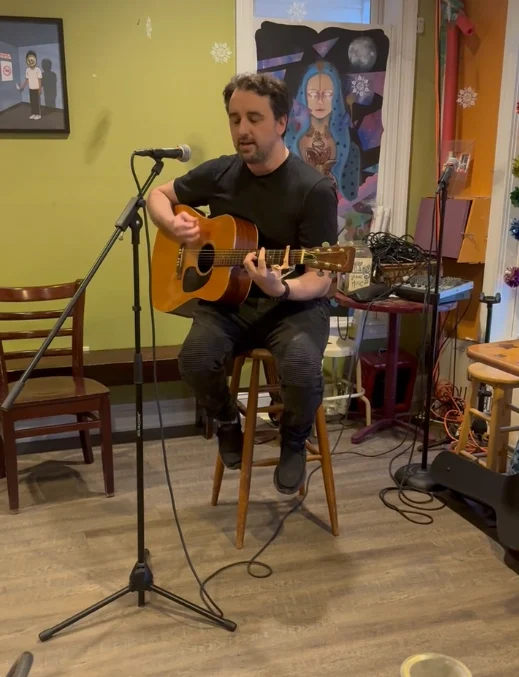
The new primary focus for the creator is music, a return to an earlier passion. This transition is not undertaken with illusions of financial success; the creator explicitly states being "under absolutely NO illusions that diving head first into music is going to be any better in this regard!" This candid admission, referencing past experiences of playing music "for a completely empty bar" during their teens and 20s, highlights a pursuit driven by intrinsic motivation rather than commercial ambition. It suggests a liberation from the pressure of monetization that had become intertwined with game development, allowing for a more authentic engagement with the art form.
A pivotal aspect of this career re-evaluation is the profound distinction drawn between online and physical communities. For years, the creator’s strategy involved cultivating an online community, primarily through Discord and other social media platforms like Twitter and Facebook. While expressing affection for their existing Discord community and no intention of disengaging from it, the creator emphasizes that "it’s just not the same" as a physical, in-person community. This observation is informed by studies in politics and sociology, suggesting a deeper understanding of human social needs that online interactions, however robust, may not fully satisfy.
The creator’s personal experience of being "physically isolated in a very woodsy Westchester location, far from any community events or other like-minded creative types" underscores the yearning for tangible social connection. This isolation contrasts sharply with the envisioned lifestyle in Brooklyn, where the creator plans to relocate. The move to a vibrant urban environment, specifically an area rich in music venues, thrift stores, coffee shops, and open mic events, is a deliberate strategy to immerse in a "real, physical community." This move is not about financial gain or fan acquisition but about participation and belonging. Sociological research consistently points to the benefits of strong local communities for mental health, creative inspiration, and overall well-being. The anonymity and transient nature of large online communities, while offering broad reach, often lack the depth and spontaneous interaction found in local, face-to-face networks.
The Digital vs. Physical Community Debate in the Modern Era
The creator’s shift highlights a broader societal conversation about the efficacy and impact of digital versus physical communities. While the internet has democratized access to information and enabled connections across vast distances, it has also been critiqued for fostering superficial interactions, echo chambers, and a sense of hyper-connectivity without genuine intimacy. The COVID-19 pandemic, in particular, brought into sharp relief the indispensable value of in-person interactions, leading many to re-evaluate their reliance on purely digital social structures.
For artists and creators, the internet offered unprecedented opportunities for self-promotion and direct audience engagement, bypassing traditional gatekeepers. Platforms like Patreon, YouTube, Twitch, and various social media sites became essential tools for career building. However, this digital ubiquity often comes at a cost: the constant demand for content, the pressure to maintain an online persona, and the emotional labor involved in managing online communities can be exhausting. The creator’s desire for a physical community can be seen as a counter-movement, seeking a more grounded, less performative form of social engagement where shared physical spaces foster organic connections and collaborative opportunities that are harder to replicate online. Brooklyn, with its rich history as a hub for artists, musicians, and diverse subcultures, offers a fertile ground for such a pursuit. Its numerous venues, independent businesses, and cultural events create a dense ecosystem where creative individuals can find kindred spirits and build networks through direct interaction.
Continuing Engagement with Games and Future Outlook
Despite the significant pivot, the creator’s connection to game design will not be severed entirely. Professional engagement in game design will continue as a "dayjob," providing a stable foundation while exploring new creative avenues. Furthermore, a passion for game design persists in more personal projects, with "a couple of little card game prototypes" currently in development. The possibility of releasing one of these as a Tabletop Simulator (TTS) module suggests a continued, albeit less financially driven, engagement with the gaming community.
The established Discord community, a testament to years of dedicated engagement, will also remain active. Plans for "game design book clubs, game jams, and occasionally streaming games" indicate a desire to maintain a connection with long-term followers and continue fostering a space for collaborative and educational gaming activities. This ensures that the transition is not an abrupt abandonment but rather a rebalancing of creative energies, acknowledging the loyalty of existing fans while forging new paths.
The creator’s journey serves as a poignant illustration of the evolving landscape for independent artists. It underscores the challenges of sustaining a creative career through purely digital means, the psychological toll of the creator economy, and the enduring human need for authentic, physical community. By prioritizing personal well-being and a return to intrinsic creative motivations over the relentless pursuit of online monetization and growth, this designer’s decision offers a compelling narrative about redefining success in the modern artistic paradigm. As the creator embarks on this new chapter in Brooklyn, the wider creative community will observe how this deliberate shift towards music and physical connection reshapes their artistic output and personal fulfillment, offering potential insights for others navigating the complex demands of contemporary creative work. Followers are encouraged to continue engaging with the creator’s work on platforms such as BlueSky, Twitter, and the dedicated BandCamp page for musical endeavors.
About the Author