The independent game platform itch.io has rolled out a significant update to its desktop application, version v26.20.0, introducing a suite of highly anticipated features designed to enhance user experience, streamline game management, and foster greater integration within the broader PC gaming ecosystem. This latest iteration, launched on [insert approximate date of original post, e.g., early October 2023], addresses long-standing community requests, most notably adding the ability to integrate itch.io games directly into Steam libraries, enabling headless game launches, and simplifying the process of linking existing game folders. These advancements underscore itch.io’s commitment to evolving its platform while maintaining its core values of supporting independent creators and offering flexible game distribution.
Seamless Integration with Steam: A Unified Gaming Library
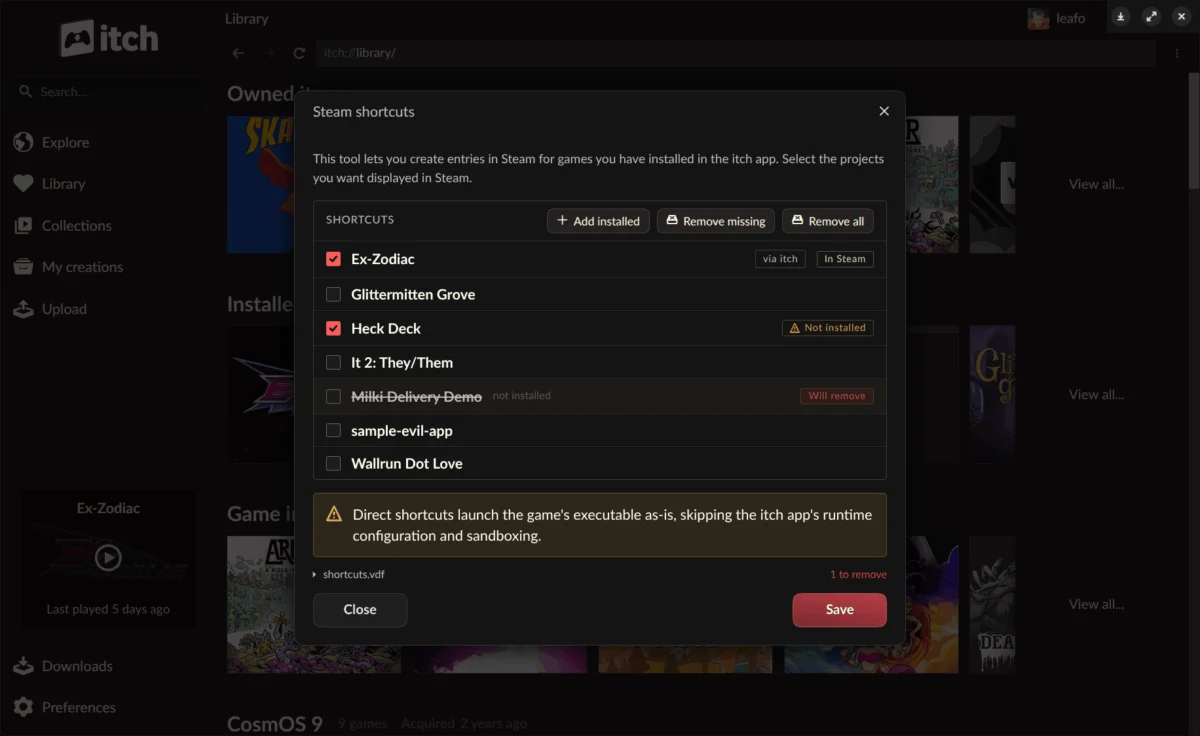
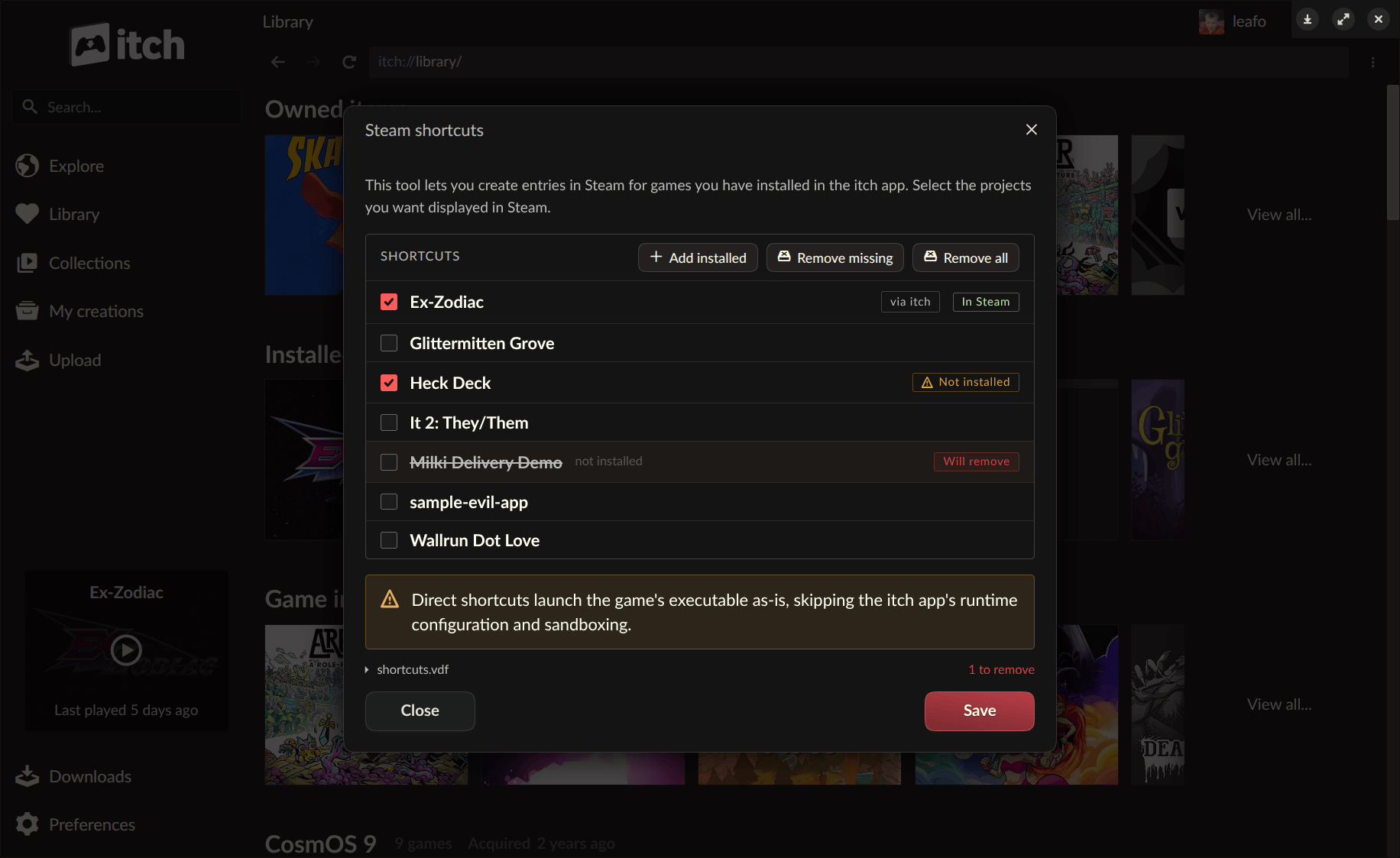
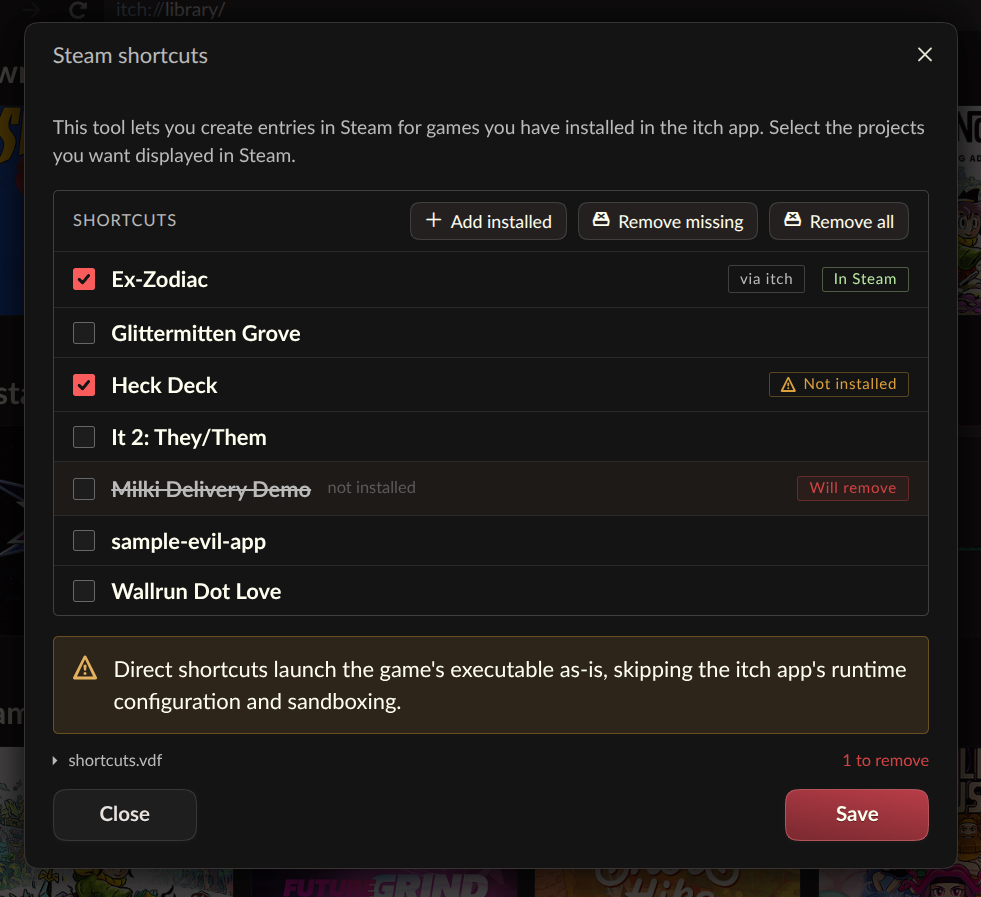
One of the most impactful features of the v26.20.0 update is the introduction of Steam Shortcuts. This functionality allows users to add games installed via the itch.io app directly to their Steam library. For many gamers, Steam serves as the primary hub for their digital game collections, especially those utilizing devices like the Steam Deck or operating in Steam’s Big Picture Mode. The ability to launch itch.io titles without needing to switch between applications represents a substantial convenience upgrade.
The integration process is designed to be straightforward. Users can access the Steam Shortcuts tool either through the itch.io app’s preferences page or by right-clicking on any installed game within the itch.io library and selecting the "Steam Shortcuts" option. Upon synchronization, all added itch.io games are automatically categorized into a dedicated "itch.io" collection within the Steam library, ensuring easy organization and access. This feature is particularly beneficial for gamers who appreciate a centralized library experience, allowing them to manage and launch their diverse collection of titles, from AAA blockbusters to niche indie gems, all from a single interface.
The development team has acknowledged this as an "experimental feature," encouraging users to provide feedback and report any bugs through the designated GitHub issues page. This collaborative approach aligns with itch.io’s history of community-driven development, where user input frequently shapes the platform’s evolution. To ensure broad compatibility and cater to various system configurations, each synchronized shortcut can be configured with two distinct launch modes, offering flexibility for different game types and user preferences, although specific details on these modes are slated for further clarification in official documentation.
Headless Launching: Empowering Customization and Third-Party Integration
The implementation of Steam Shortcuts necessitated a foundational change within the itch.io app: the development of a "headless" launch mode. This innovative feature allows installed itch.io games to be initiated without requiring the full itch.io application to be running in the foreground. This capability is not exclusively tied to Steam; it represents a powerful new tool for any launcher, custom shortcut system, or script developer seeking to integrate itch.io games into their workflows.
The core of the headless launch functionality lies in a simple command-line interface: itch-setup --run-game <gameId> [--profile-id <profileId>]. This command enables direct execution of an installed game, bypassing the graphical user interface of the itch.io app. The implications of this are far-reaching. It opens up possibilities for third-party launchers to incorporate itch.io titles alongside games from other platforms like GOG or Epic Games, offering users a truly unified and customizable gaming environment. Developers can also leverage this for automated testing, streaming setups, or bespoke gaming kiosks.
Crucially, the headless launch mode does not compromise the robust features and protections offered by the full itch.io app. It continues to respect all user-configured settings, including sandboxing for security, prerequisite checks, per-game launch configurations, precise play time tracking, and the secure API key passed to the game. Under the hood, this functionality is powered by a new butler launch subcommand, which directly interacts with the user’s existing app database, ensuring consistency and reliability. This technical foundation highlights itch.io’s commitment to security and user control, even when operating in a more integrated, backend fashion.
However, it’s important to note that not all game types are fully supported by the headless mode. For instance, HTML5 games, which inherently require a web browser for execution, will still necessitate the full itch.io app to launch them. This limitation is a practical one, dictated by the technical requirements of browser-based games. To assist developers and advanced users in leveraging this new capability, itch.io has provided a comprehensive guide for interfacing with the app to build custom launchers, demonstrating their dedication to fostering an open and adaptable ecosystem.
Linking Existing Folders: Streamlining Game Management
Another significant quality-of-life improvement in v26.20.0 is the "Link existing folder" option. This feature addresses a common scenario where users may have downloaded a game from itch.io outside of the official app, perhaps through a web browser or a direct link provided by a developer. Previously, integrating such a game into the itch.io app library would often require a complete re-download, a potentially time-consuming and bandwidth-intensive process.
With the new update, users can now register these externally acquired game folders directly with the itch.io app. The option is conveniently located within a game’s install dialog, appearing alongside the standard download choices. Once a folder is linked, the game seamlessly appears in the user’s itch.io library as if it were installed directly through the app, becoming fully launchable and manageable like any other title.
The development team characterizes this feature as an "escape hatch," designed for situations where a re-download is impractical or when a project offers downloads that the app cannot process autonomously (e.g., external download links that redirect to third-party hosting). It’s a deliberately simple implementation: the app trusts the user’s assertion that the linked folder contains the correct game files, and no file verification is performed upon linking. This approach prioritizes user flexibility and convenience, acknowledging the diverse ways in which players acquire and manage their games, particularly within the indie sphere where distribution methods can vary widely. This feature is particularly valuable for users with limited internet access or those managing large game libraries, saving time and resources.
Background and Chronology: Itch.io’s Evolution in the Gaming Landscape
Itch.io, launched in March 2013 by Leaf Corcoran, has steadily grown into a pivotal platform for independent game developers and players alike. It distinguishes itself through its creator-centric model, offering developers unparalleled control over their storefronts, pricing, and revenue share (developers can choose their cut, with 10% being the default, often significantly lower than other platforms). The platform is also a strong advocate for DRM-free gaming, providing an environment where players truly own their digital purchases without restrictive digital rights management.
The itch.io desktop application itself has undergone continuous refinement since its inception. Early versions focused primarily on providing a convenient way to browse, install, and update games from the vast itch.io catalog. Subsequent updates have introduced features like offline mode, improved library management, and enhanced discovery tools. The v26.15 and v26.17 updates, preceding this latest release, further solidified the app’s stability and performance, laying the groundwork for the more complex integrations seen in v26.20.0. The consistent iterative development, often driven by community feedback, highlights itch.io’s agile approach to platform enhancement. This latest update, with its focus on interoperability and user convenience, marks a significant milestone in the app’s journey, expanding its utility beyond the confines of its native ecosystem.
The gaming industry has seen a broader trend towards platform unification and device portability, exemplified by the rise of the Steam Deck. This context makes itch.io’s move to integrate with Steam particularly timely and strategic. By making indie titles more accessible within these popular gaming environments, itch.io not only improves the user experience but also potentially increases the visibility and reach of its vast catalog of independent games.
Implications and Broader Impact: Fostering an Open Ecosystem
The v26.20.0 update carries several significant implications for players, developers, and the wider indie game ecosystem.
For players, the most immediate benefit is enhanced convenience. The Steam Shortcuts feature simplifies game management for those who prefer a single launcher, reducing friction and encouraging exploration of itch.io’s diverse offerings. The headless launch mode, while more technical, empowers users who wish to build highly customized gaming setups or integrate itch.io games into their existing front-ends. The folder linking option directly addresses a practical pain point, saving time and bandwidth. Collectively, these features aim to make the itch.io experience more seamless and less isolated.
For developers, these updates translate to potentially increased game visibility and accessibility. While itch.io remains a strong independent platform, integrating with Steam, a dominant force in PC gaming, can expose indie titles to a broader audience. The headless launch capability also opens doors for more robust third-party tool support and integration, potentially inspiring new community projects and tools that interact with the itch.io library. This could lead to innovative ways for players to discover and experience indie games.
From a platform perspective, itch.io is strategically positioning itself as a more open and interoperable ecosystem. By providing tools for integration rather than isolation, it reinforces its commitment to empowering users and creators. The decision to make headless launching a generic capability, not just a Steam-specific one, demonstrates a forward-thinking approach that could pave the way for integrations with other platforms (e.g., GOG, Epic Games) or custom front-ends in the future. This move differentiates itch.io from more walled-garden approaches prevalent in the industry.
The discussion within the community comments section reflects a nuanced perspective on these integrations. While many users enthusiastically welcome the convenience of Steam integration, some express concerns about aligning with a platform that is not exclusively DRM-free. This highlights a persistent tension within the PC gaming community between the desire for convenience and the philosophical commitment to DRM-free principles. Itch.io’s approach—offering integration while maintaining its core DRM-free distribution model—attempts to bridge this gap, providing options without compromising its fundamental values. The platform itself continues to offer DRM-free downloads directly, and the integration simply allows users who choose to use Steam as their primary launcher to access those games more easily.
Obtaining the Update and Community Contributions
Users eager to experience these new features can obtain the latest itch.io app (v26.20.0) from the official website at https://itch.io/app. For existing users, the update process is designed to be seamless; the application will automatically update itself in the background. Alternatively, users can manually check for updates through the Preferences screen within the app.
The comprehensive list of changes, including bug fixes, performance enhancements, and security hardening measures, is available in the official release notes on GitHub. This transparency in development is a hallmark of itch.io’s community engagement.
A significant aspect of itch.io’s development ethos is its reliance on community contributions, particularly for localization. The team extended its gratitude to all individuals who contributed translations for this version, underscoring the global reach and diverse user base of the platform. Users interested in contributing to future localizations of the itch.io app are encouraged to participate via Weblate, the platform’s dedicated translation portal. This collaborative model not only enriches the app for a worldwide audience but also strengthens the bond between the platform and its dedicated community.
In conclusion, the v26.20.0 update for the itch.io app represents a pivotal moment in its ongoing evolution. By addressing key user requests with features like Steam Shortcuts, headless launching, and folder linking, itch.io has significantly enhanced the utility and convenience of its desktop application. These advancements not only streamline the gaming experience for its users but also reinforce itch.io’s position as an adaptable, community-driven platform committed to supporting independent creators and fostering a more open and integrated gaming ecosystem. As the platform continues to grow, such strategic enhancements will undoubtedly play a crucial role in its sustained success and influence within the indie gaming world.
About the Author