Digital storefront itch.io, a prominent platform for independent game developers, has announced the deindexing of all adult NSFW (Not Safe For Work) content from its browse and search pages. This drastic measure, implemented suddenly in July 2025, comes in response to intense scrutiny from its payment processors, primarily fueled by an advocacy campaign initiated by the organization Collective Shout. The platform, known for its user-generated content (UGC) model and support for a diverse range of creators, cited the critical need to protect its core payment infrastructure as the primary driver behind the decision, acknowledging the significant disruption and frustration caused to its user base.
A Chronology of Events Leading to the Deindexing
The genesis of this significant policy shift can be traced back to April 2025, when a game titled No Mercy was briefly available on itch.io. While the game was subsequently banned from the platform, its presence apparently caught the attention of Collective Shout, an advocacy group known for campaigning against what it perceives as exploitative or inappropriate content online. The organization launched a targeted campaign, directing its concerns not only to itch.io but also to larger digital distribution platforms like Steam, specifically addressing the payment processors utilized by these platforms.
Collective Shout’s strategy involved leveraging the influence of financial intermediaries. By raising objections directly with payment processors such as PayPal and Stripe, the group aimed to pressure platforms into stricter content moderation. For a platform like itch.io, which relies heavily on these services to facilitate transactions between creators and consumers, the threat of losing payment processing capabilities represents an existential risk. The situation escalated rapidly in July 2025, culminating in itch.io’s announcement of the immediate deindexing of all adult NSFW content. This move was described by the platform as a "time critical moment," necessitating urgent action to safeguard its ability to process payments for its entire ecosystem of creators.
The Immediate Impact: Deindexing and Community Fallout
The deindexing meant that adult NSFW games and projects, while not immediately removed from the platform, became unsearchable and unbrowsable for general users. This sudden change led to widespread confusion and concern among developers, many of whom rely on itch.io as their primary distribution channel for niche content, including adult games. The abruptness of the decision meant creators received no advance notice, further exacerbating the sense of disruption within the community. itch.io acknowledged the "frustration and confusion" caused, issuing an apology for the suddenness of the policy shift.
The platform explained that its open, UGC-driven model, which allows anyone to publish content with minimal barriers, made a targeted approach impractical in the face of urgent payment processor demands. Unlike "closed" platforms such as Steam, where every product page typically undergoes an approval process, itch.io hosts over 2 million product pages, making a rapid, granular review of potentially problematic content exceedingly difficult. This structural difference, coupled with itch.io’s comparatively smaller team size and transaction volume relative to industry giants, limited its capacity to negotiate or "push back" against payment processor mandates. The platform emphasized that losing the ability to process payments from key partners like PayPal or Stripe would severely impact the financial viability of all creators on the platform, affecting payouts and overall business operations.
Comprehensive Audit and Future Compliance Measures
Following the initial deindexing, itch.io initiated a comprehensive audit of its content to ensure compliance with payment processor requirements. During this review period, deindexed pages were to remain inaccessible via general search and browse functions. The audit is expected to lead to the introduction of new compliance measures, specifically for NSFW pages. These measures will include a mandatory step for creators to confirm that their content adheres to the policies of the payment processors linked to their accounts.
The audit also entails the permanent removal of some pages from itch.io. Accounts affected by these permanent removals will be notified via email, with an option to reach out to support for follow-up questions. The platform has urged for patience and understanding from its community as it navigates this "challenging period," promising further updates on its blog as the situation evolves and a clearer understanding emerges.
Addendum FAQ: Addressing Community Concerns
Recognizing the significant backlash and numerous questions from its user base, itch.io published an Addendum FAQ on July 28th, followed by an update on "Reindexing adult NSFW content" on July 31st. This FAQ provided crucial clarifications on several key concerns:
- Platform Response Discrepancy (itch.io vs. Steam): itch.io elaborated on why its response was more extensive than Steam’s, attributing it to their fundamental differences in platform architecture. Steam, as a curated platform, could potentially identify and act on specific pages due to its pre-approval process. itch.io, as an open UGC platform, could not rely on user-provided tags for accuracy and thus required a broader, more thorough review. Furthermore, itch.io’s smaller scale limited its leverage with payment processors compared to a company like Valve.
- Timeline for Changes: The platform admitted that a fixed timeline was impossible to provide due to ongoing negotiations and "unknowns" with its current payment processors, Stripe and PayPal. It confirmed that the ability to pay with Stripe for 18+ content was suspended for the foreseeable future, and that efforts were underway to reach out to alternative payment processors potentially more amenable to handling adult content. Immediate focus was placed on content classification reviews and implementing stricter age-gating mechanisms.
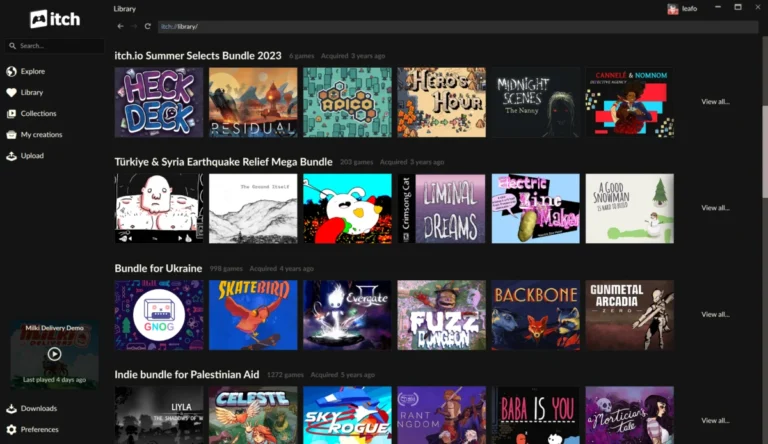
- Library Access: itch.io clarified that deindexed pages remain accessible to users who own them and have not been removed from libraries or collections. For pages that received a "content notice" (indicating the platform can no longer support their business), downloadable files remain available in the user’s library, provided the creator has not independently removed the page or files. The platform urged users claiming content removal from their libraries to contact support, stating that its changes should not impact access to paid products. Emphasizing its DRM-free philosophy, itch.io encouraged users to download and back up their owned content.
- Payouts: Addressing concerns about withheld earnings, itch.io explained that its existing policy on not processing payouts for infringing accounts primarily targets "bad-actor" situations involving violations like content with sexualized minors or real-life imagery. It assured creators that the current situation is a "special circumstance" and that the platform has no intention of withholding legitimate earnings. The measures were taken to preserve relationships with financial partners, ensuring the continued ability to pay creators.
- Updated Adult Content Policy: The platform directed users to its updated adult content policy, which now includes a specific list of prohibited themes commonly found in card processing networks. While acknowledging the potential for semantic arguments and the evolving nature of such lists, itch.io stated its intention to provide more information rather than less, to help creators understand the types of content under scrutiny. The platform plans to refine this section of its policy as more clarity emerges.
The Power of Payment Processors and Broader Implications
The incident at itch.io vividly underscores the immense power wielded by payment processors in the digital economy. Companies like Stripe and PayPal act as critical gatekeepers, their policies and compliance requirements often dictating the operational boundaries for online businesses. Their reluctance to process transactions for content deemed "risky" or "controversial" can effectively force platforms to alter their content policies, even if such content is legally permissible in many jurisdictions. This situation highlights a growing trend where financial services, rather than direct government regulation, become de facto arbiters of acceptable online content.
For UGC platforms, this presents a perpetual challenge. Balancing an open-door policy for creators with the strict compliance demands of financial partners is a tightrope walk. The "open" nature that attracts a wide array of creators, including those in niche and adult content spaces, simultaneously exposes the platform to greater risk from third-party scrutiny. The search for alternative payment processors that are more accommodating to adult content is a common strategy for platforms facing such pressures, but these alternatives often come with their own set of limitations, higher fees, or reduced global reach.
The itch.io situation also sheds light on the ongoing debate surrounding content moderation in the digital age. While advocacy groups like Collective Shout champion efforts to combat what they view as harmful content, critics argue that such campaigns can lead to over-moderation, stifle artistic expression, and disproportionately affect smaller platforms and independent creators. The swift and broad action taken by itch.io, impacting a significant portion of its adult content library, serves as a stark reminder of the vulnerability of platforms and creators to external pressures.
The Future for Independent Adult Game Developers
For independent developers specializing in adult games, the itch.io policy shift represents a significant blow to discoverability and potentially, revenue. While content remains accessible to existing owners, the loss of browse and search visibility on a major indie platform can severely hinder new sales and audience growth. This may force creators to explore even more niche platforms, adopt direct distribution models, or navigate the complex and often restrictive landscape of other digital storefronts.
The incident underscores the need for creators to diversify their distribution channels and maintain direct relationships with their audiences. itch.io’s advice to download and back up owned games resonates with a broader philosophy of digital ownership in an era where platform policies can change rapidly. As itch.io continues its audit and refines its compliance measures, the independent game development community will be watching closely, hoping for a resolution that balances platform viability with creator autonomy and the continued accessibility of diverse digital content. The full implications of this policy shift for the broader landscape of indie game development and content distribution remain to be seen, but it undoubtedly marks a pivotal moment for itch.io and its vibrant community.
About the Author