One year after launching his "Share the American Dream" pledge, tech entrepreneur and Stack Overflow co-founder Jeff Atwood has announced a substantial $50 million commitment to combat systemic poverty through the establishment of the Rural Guaranteed Minimum Income Initiative (RGMII). This significant philanthropic endeavor, representing half of the Atwood family’s remaining wealth, pivots from immediate relief to long-term structural change, focusing specifically on implementing Guaranteed Minimum Income (GMI) programs in underserved rural counties across the United States. The initiative aims to provide direct financial assistance to thousands of families, generate crucial data, and advocate for GMI as a viable pathway to economic stability and the revitalization of the American Dream.
The Genesis of a Pledge: Reimagining the American Dream
The roots of this ambitious philanthropic pivot trace back to January 2025, when Atwood first called upon Americans to join a dual pledge: first, to immediately support organizations effectively aiding those most in need, and second, to dedicate time or funds within five years towards longer-term efforts to ensure the American Dream remains fair and attainable for future generations. This call to action was underscored by a profound personal reflection on wealth and responsibility, encapsulated by the quote, "From those to whom much is given, much is expected," attributed to Mary Gates. This principle, which significantly influenced her son Bill Gates’s philanthropic ventures, became a guiding tenet for the Atwood family.
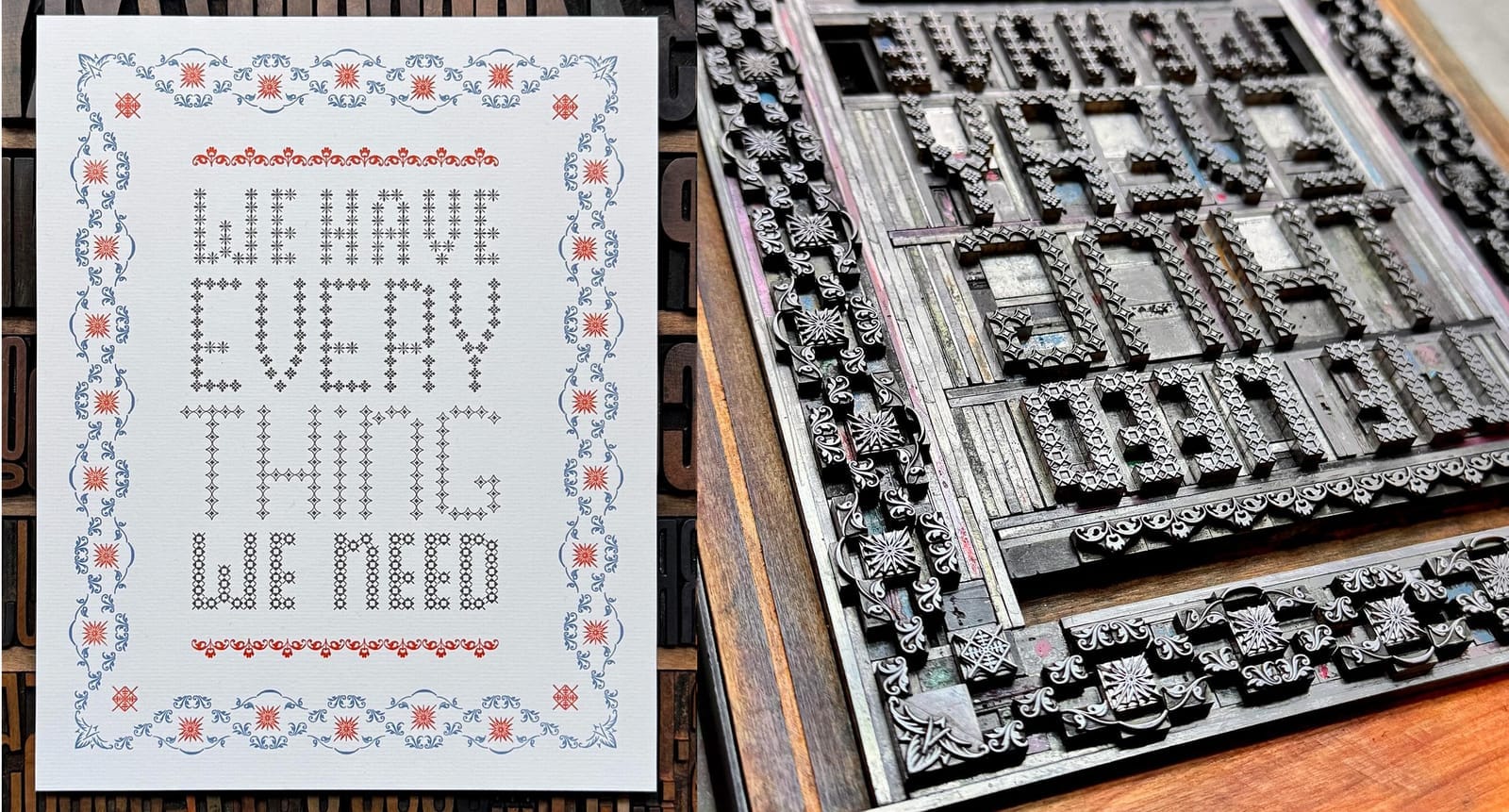
The impetus for this deep dive into philanthropy gained considerable momentum following the 2021 acquisition of Stack Overflow by Prosus for a reported $1.8 billion. This financial milestone prompted Atwood to confront a fundamental question: "When, exactly, is enough?" As articulated by his partner, Betsy Atwood, on a recent podcast, the family’s philosophy became clear: "We have everything we need; how do we make sure everybody has what they need?" This ethos underscored a belief that access to basic necessities—a comfortable home, sufficient food, and healthcare—should be universal.
From Immediate Relief to Systemic Solutions: A Chronology of Giving

The Atwood family’s philanthropic journey began with immediate, impactful donations. Initially, $1 million was disbursed to eight carefully selected nonprofit charities known for their effective work in addressing urgent needs across America. These organizations, often vetted through platforms like Charity Navigator, demonstrated a proven track record of delivering aid directly to vulnerable populations. However, the scale of immediate needs prompted a rapid expansion of their direct giving. Within a few months, an additional $13 million was allocated, bringing the total for immediate relief efforts to $21 million. These initial contributions served as a crucial response to pressing humanitarian challenges, providing a lifeline to communities facing acute hardship.
While acknowledging the critical importance of immediate aid, Atwood recognized that reactive firefighting, though necessary, could not be the sole strategy. As he noted, "You’ll never stop firefighting. We also have to do fire abatement and deal with the root causes, improving conditions in this country such that there aren’t so many fires." This realization spurred the second, longer-term phase of their pledge: a commitment of $50 million to tackle the underlying systemic issues that perpetuate poverty and hinder access to the American Dream. This significant investment marked a strategic shift from treating symptoms to addressing the root causes of economic inequality.
The Path Forward: Embracing Guaranteed Minimum Income
The search for a systemic solution led Atwood and his team to explore various models, including the establishment of a new organization akin to the RAND Corporation or Lever for Change, designed to empower experts in identifying achievable pathways to economic equity. By March 2025, a consensus emerged: the most promising "road not taken" was the implementation of a Guaranteed Minimum Income (GMI).
Guaranteed Minimum Income is presented as a refined evolution of Universal Basic Income (UBI). While UBI typically involves providing a regular income to all citizens, GMI specifically targets those who need it most, with a particular focus on families trapped in generational poverty. This targeted approach aims to maximize impact by directing resources to individuals and households facing the most significant economic precarity, thereby fostering greater equity and efficiency in resource allocation. The concept behind GMI is that by ensuring a baseline income, individuals can meet their fundamental needs, reduce stress, improve health outcomes, and gain the stability required to pursue education, employment, or entrepreneurial opportunities.
Why GMI? Understanding the Impact

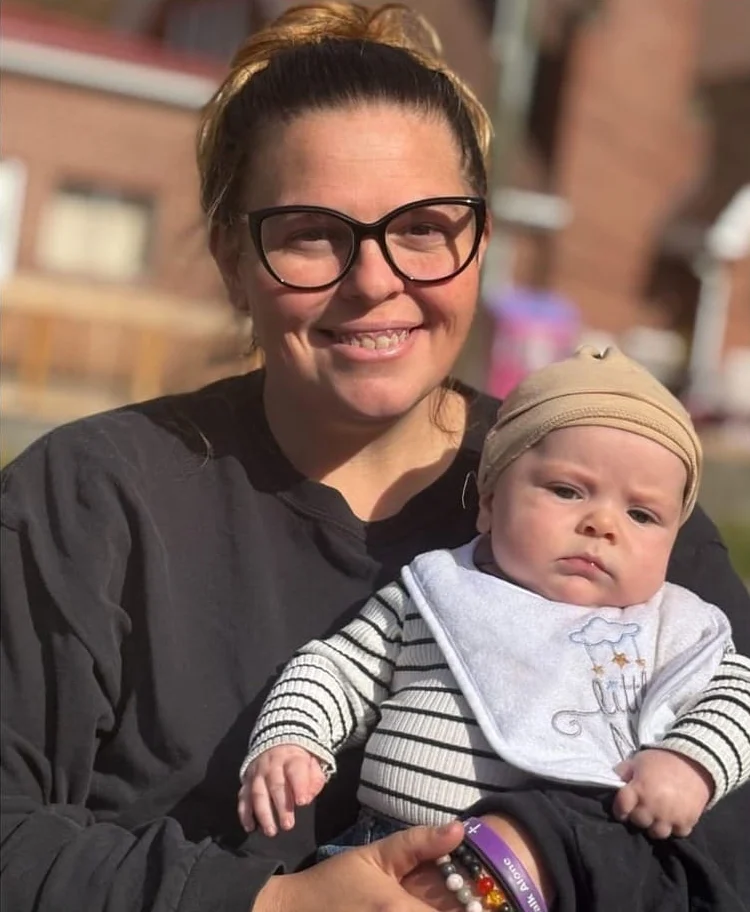
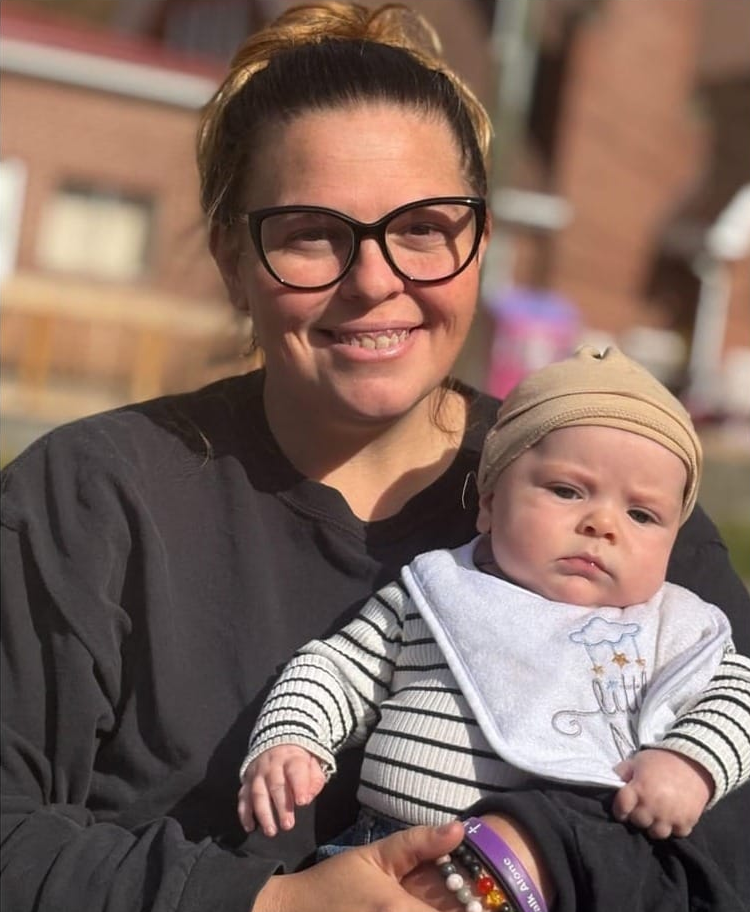
The decision to champion GMI is rooted in extensive research and the compelling testimonials of recipients. Stories like that of Stacy D. from West Virginia powerfully illustrate the immediate and profound impact of direct cash transfers. As a mother of five, pregnant and high-risk, Stacy had to stop working. When cleared to return, her family’s only vehicle, essential for transporting her children, broke down. Her struggle highlights the precariousness faced by many low-income families, where a single unexpected expense or life event can trigger a cascade of hardships.
"I have nobody up here [to ask for help]," Stacy recounted, emphasizing the isolation often experienced in poverty. "If me and my husband don’t figure it out, it don’t get figured out." For Stacy, the GMI program was not just about money; it was about regaining autonomy and dignity. "This is gonna… it’s going to do a lot!" she exclaimed, anticipating the ability to repair her vehicle, attend baby appointments, and ensure her family’s basic needs were met without the constant burden of asking for assistance. Her story resonates with numerous studies that indicate GMI can significantly improve financial stability, mental health, and overall well-being for recipients.
Building on What Works: The Rural GMI Initiative

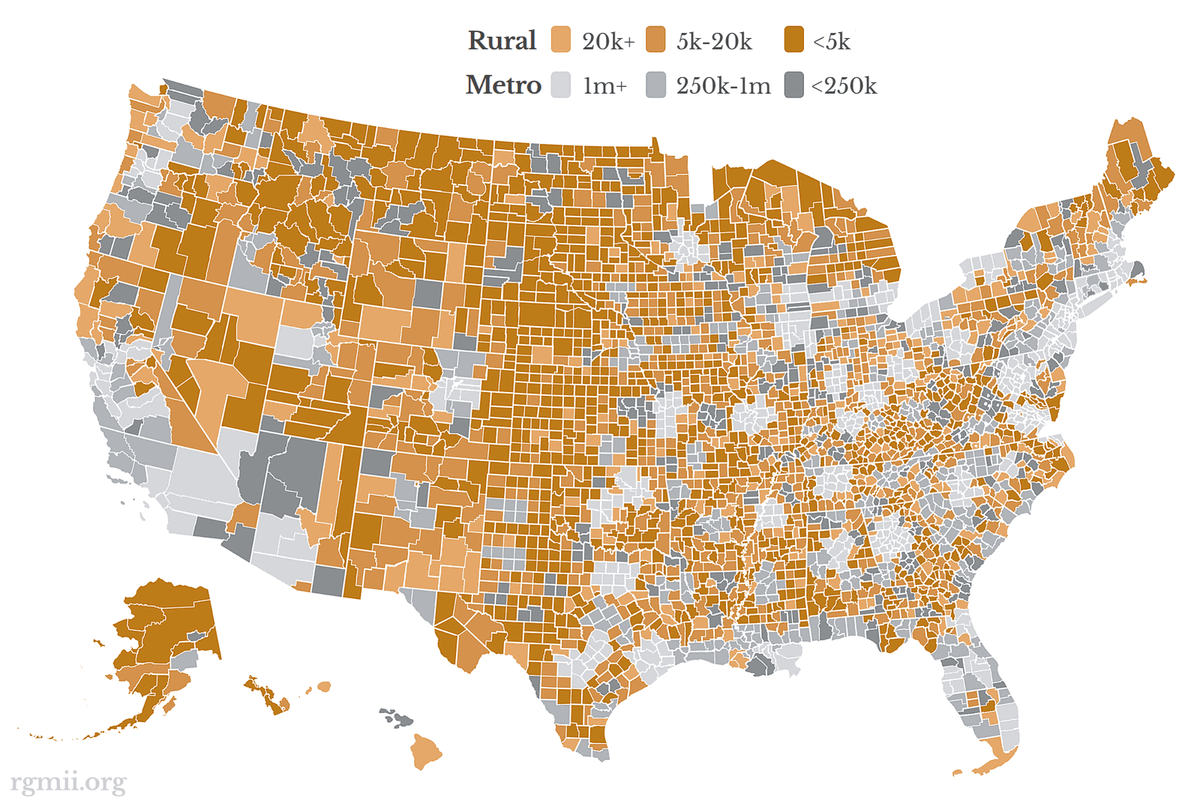
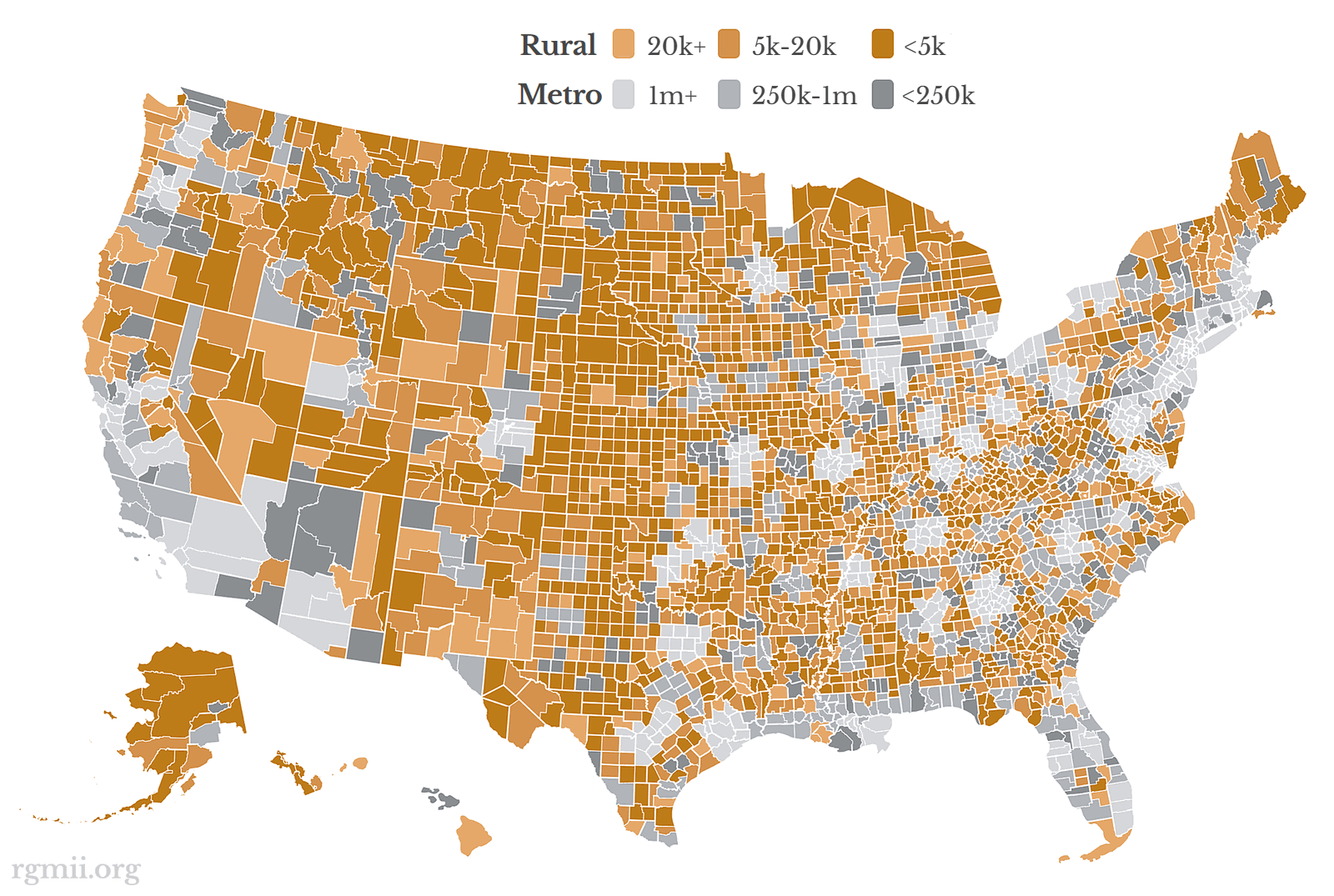
To operationalize this vision, Atwood swiftly launched the Rural Guaranteed Minimum Income Initiative (RGMII) (rgmii.org). The strategic focus on rural counties is deliberate and multifaceted. Rural areas often present unique challenges and opportunities for GMI programs:
- Cost-Effectiveness: Dollars tend to go further in rural economies due to lower costs of living, allowing programs to support more individuals or provide higher benefit levels.
- Prevalence of Poverty: Many rural communities face higher rates of poverty and economic stagnation compared to urban centers, making them prime candidates for intervention.
- Smaller Populations: The relatively smaller populations in rural counties allow for tighter, more manageable studies and a clearer assessment of program efficacy and impact.
- Overlooked Talent: Atwood, having grown up in a rural area, believes these regions possess immense untapped talent and potential that can be unleashed through economic empowerment.
RGMII has already funded three pilot programs in critical areas: Mercer County, West Virginia; Beaufort County, North Carolina; and Warren County, Mississippi. These county-level initiatives are designed to lift thousands of individuals out of poverty for a sustained period of 16 months, providing them with consistent financial support. Crucially, the initiative is committed to transparently sharing all data and results with the wider world, fostering a robust evidence base for the efficacy of GMI. These initial studies are expected to yield valuable insights into the economic, social, and health impacts of direct cash transfers in diverse rural settings.
Broader Impact and Implications
The RGMII’s long-term aspiration is ambitious: to expand GMI studies to all 50 states over time. This phased expansion, supported by further philanthropic partnerships, seeks to build a comprehensive national dataset demonstrating the effectiveness of GMI across varied demographic and economic landscapes. The initiative emphasizes that its core mission is not to establish an "Atwood Foundation" but rather to advance the concept of direct cash transfer itself.
The implications of such an initiative are far-reaching:
- Policy Influence: By generating rigorous, open data, RGMII aims to provide policymakers with undeniable evidence of GMI’s positive outcomes, potentially influencing state and federal policy decisions regarding poverty alleviation and social safety nets.
- Economic Revitalization: GMI can inject capital directly into local economies, supporting small businesses and fostering local commerce as recipients spend money on essential goods and services.
- Human Dignity and Empowerment: Beyond economic metrics, GMI can restore dignity and autonomy to individuals, allowing them to make choices that best serve their families’ needs, rather than being dictated by restrictive program requirements.
- Reduced Administrative Costs: Direct cash transfers are often more administratively efficient than traditional welfare programs, which can be burdened by complex eligibility requirements and bureaucratic overhead.
Atwood views this undertaking as his "third and final startup," a venture driven by a deep conviction that "simply giving money to those most in need is perhaps the most radical act of love we can take on." He firmly believes that "all the data I can find shows us that it works—helping people afford basic needs, keep stable housing, and handle unexpected expenses." This commitment reflects a profound belief in the power of direct support to unlock human potential and foster a more equitable society.
A Call to Action for a Shared Future
The RGMII is not merely a philanthropic project; it is an open invitation for broader participation. The initiative encourages everyone to engage:
- Education: Learn about the history and proven efficacy of GMI (rgmii.org/history-of-gmi).
- Advocacy: Share study results (rgmii.org/gmi-study-analysis) and communicate with elected representatives to build understanding and support for direct cash transfer programs.
- Engagement: Help dispel common misconceptions about UBI and GMI by fostering informed public discourse.
- Partnership: For individuals or organizations "to whom much is given," RGMII extends a direct invitation to sponsor county-scale GMI studies, thereby accelerating the goal of reaching all 50 states and expanding the scientific evidence base.
In Atwood’s view, the pursuit of the American Dream, like happiness, is only truly realized when it is shared. The RGMII stands as a testament to this philosophy, embarking on a challenging yet profoundly hopeful journey to mend the fabric of economic opportunity in America, one rural county at a time. This initiative seeks to illuminate a path where love, rather than division, guides the collective effort to ensure a fair and attainable future for all. More information can be found at staygold.us and rgmii.org.
About the Author