A year after initiating the "Share the American Dream" pledge, technology entrepreneur and "Coding Horror" founder Jeff Atwood, alongside his wife Betsy, has announced a monumental commitment of $50 million towards the newly established Rural Guaranteed Minimum Income Initiative (RGMI). This significant philanthropic endeavor, representing half of the family’s remaining wealth, aims to tackle systemic poverty in overlooked rural communities across the United States through direct cash transfers, building upon an earlier $21 million in immediate aid distributed to various charities.
A Vision for Systemic Change
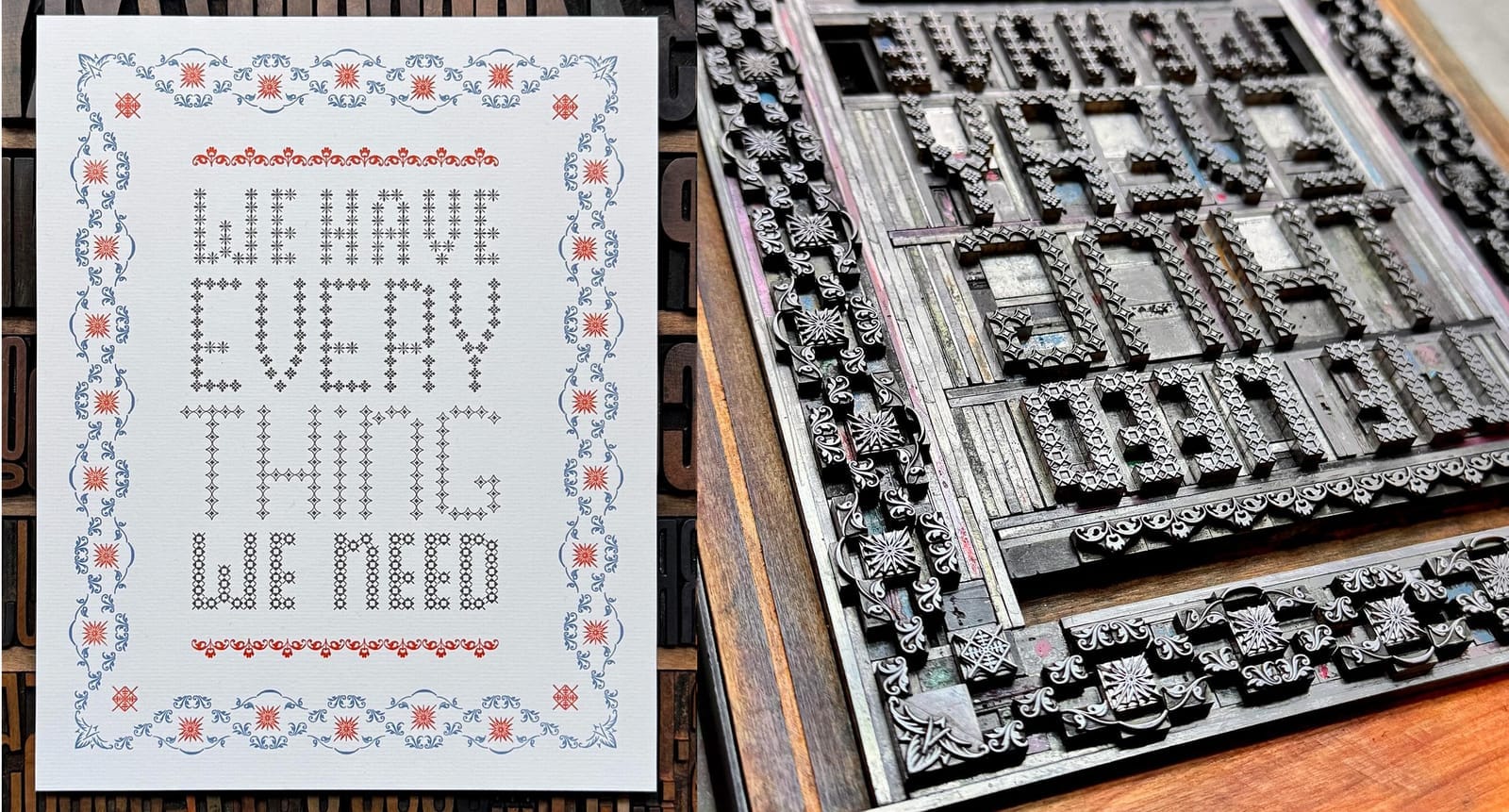
The Atwood family’s journey into large-scale philanthropy began with a profound introspection following the reported $1.8 billion acquisition of Stack Overflow in 2021, a company co-founded by Jeff Atwood. This personal milestone prompted a crucial question: "When, exactly, is enough?" The answer, as articulated by Betsy Atwood on a recent podcast, resonated deeply within their family philosophy: "We have everything we need; how do we make sure everybody has what they need?" This principle underpins their philanthropic strategy, focusing on ensuring fundamental necessities like stable housing, adequate food, and healthcare are accessible to all.
The "Share the American Dream" pledge, first introduced in early 2025, outlined a dual approach to philanthropy. The first component focused on immediate support for organizations effectively assisting those in urgent need across America. The second, more ambitious goal, called for public dedications of time or funds over five years towards longer-term efforts designed to preserve and expand the American Dream for future generations. The Atwood family’s actions illustrate a robust commitment to both.
Initially, in January 2025, the family donated $1 million to eight non-profit charities. Recognizing the escalating urgency of immediate needs, they swiftly augmented this with an additional $13 million in donations within a few months, bringing the total short-term philanthropic outlay to $21 million. This rapid response underscored their commitment to addressing immediate crises while simultaneously developing a strategy for enduring impact.

The Evolution Towards Guaranteed Minimum Income
The long-term vision required a more structural approach than merely reacting to individual crises. As Atwood noted, "You can’t take a completely short term view and fight each individual fire reactively, as it comes. You’ll never stop firefighting. We also have to do fire abatement and deal with the root causes, improving conditions in this country such that there aren’t so many fires." This philosophy led to the exploration of systemic solutions.
In earlier discussions detailed in his "Stay Gold, America" post, Atwood had speculated about founding a new organization akin to a modernized RAND Corporation or Lever for Change, empowering experts to forge a realistic path toward preserving the American Dream. By March 2025, this intellectual journey culminated in a clear consensus: the most promising "road not taken" was Guaranteed Minimum Income (GMI).
GMI represents an evolution of the Universal Basic Income (UBI) concept. While UBI typically involves providing a regular, unconditional cash payment to all citizens, GMI distinguishes itself by directing funds to those who most need them, with a particular focus on families entrenched in generational poverty. This targeted approach aims to maximize impact by addressing the most acute financial vulnerabilities.
The Historical Context and Efficacy of Direct Cash Transfers
The concept of direct cash transfers, though seemingly radical to some, has a surprisingly long and bipartisan history in the United States and globally. Discussions around basic income date back centuries, with notable proponents including Thomas Paine in the 18th century and later figures such as Martin Luther King Jr., who advocated for a guaranteed income to combat poverty in the 1960s. Even President Richard Nixon championed a Family Assistance Plan in the early 1970s, which proposed a guaranteed income for low-income families, though it ultimately failed to pass Congress.

In recent decades, a growing body of research from pilot programs worldwide has demonstrated the efficacy of direct cash transfers. Studies from initiatives in Stockton, California; Jackson, Mississippi; and various international projects have consistently shown that recipients primarily use the funds for basic necessities like food, housing, utilities, and healthcare. Contrary to common misconceptions, data often indicates that direct cash transfers do not significantly deter recipients from seeking employment. In many cases, they empower individuals to secure stable jobs by covering transportation costs, childcare, or education, or to leave exploitative low-wage positions. Furthermore, studies frequently report improvements in recipients’ physical and mental health, financial stability, and overall well-being. The administrative overhead of direct cash transfer programs can also be considerably lower than complex, bureaucratic welfare systems.
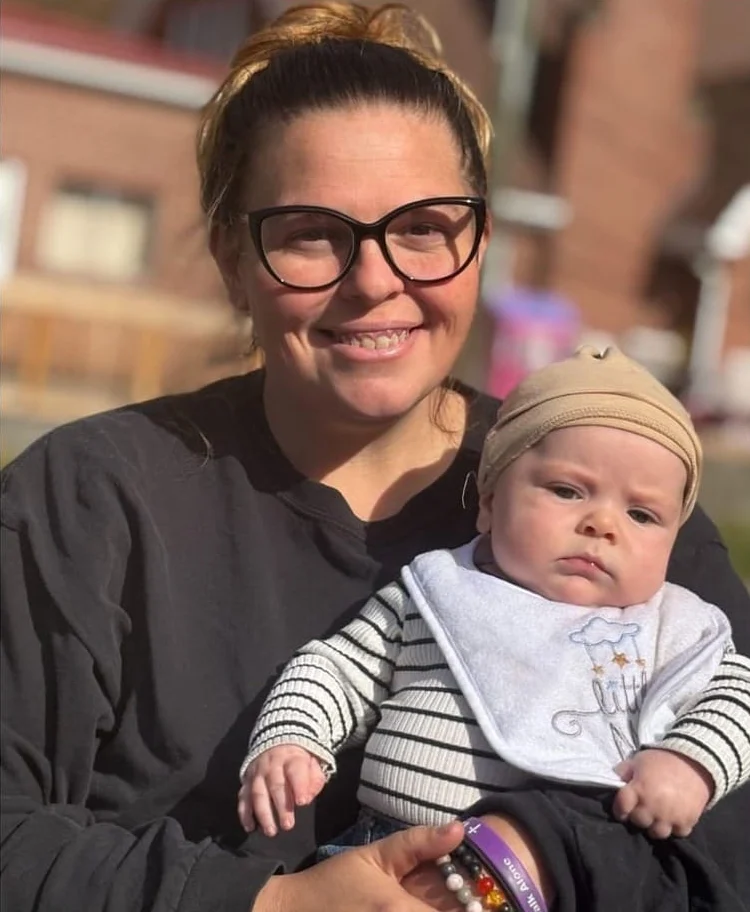
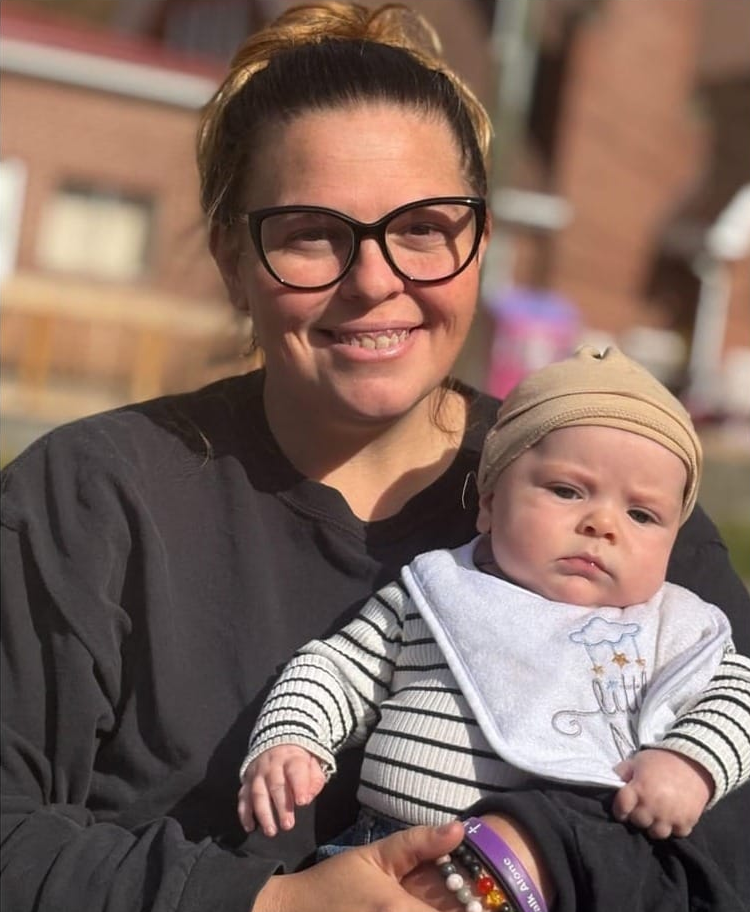
The poignant testimony of Stacy D., a RISE Recipient in West Virginia, vividly illustrates the immediate, life-altering impact of such support. Facing the compounded challenges of a high-risk pregnancy, the breakdown of her family’s sole vehicle, and a lack of local family support, Stacy articulated the desperate need for basic financial relief. "You don’t know how hard it is to ask people, hey, can I get a ride to the grocery store? Or, hey, my baby has two month shots. I had to borrow a vehicle. This is gonna… it’s going to do a lot!" Her story underscores the critical role GMI can play in providing a safety net that allows families to navigate unforeseen crises and maintain dignity.
Launching the Rural GMI Initiative (RGMI)

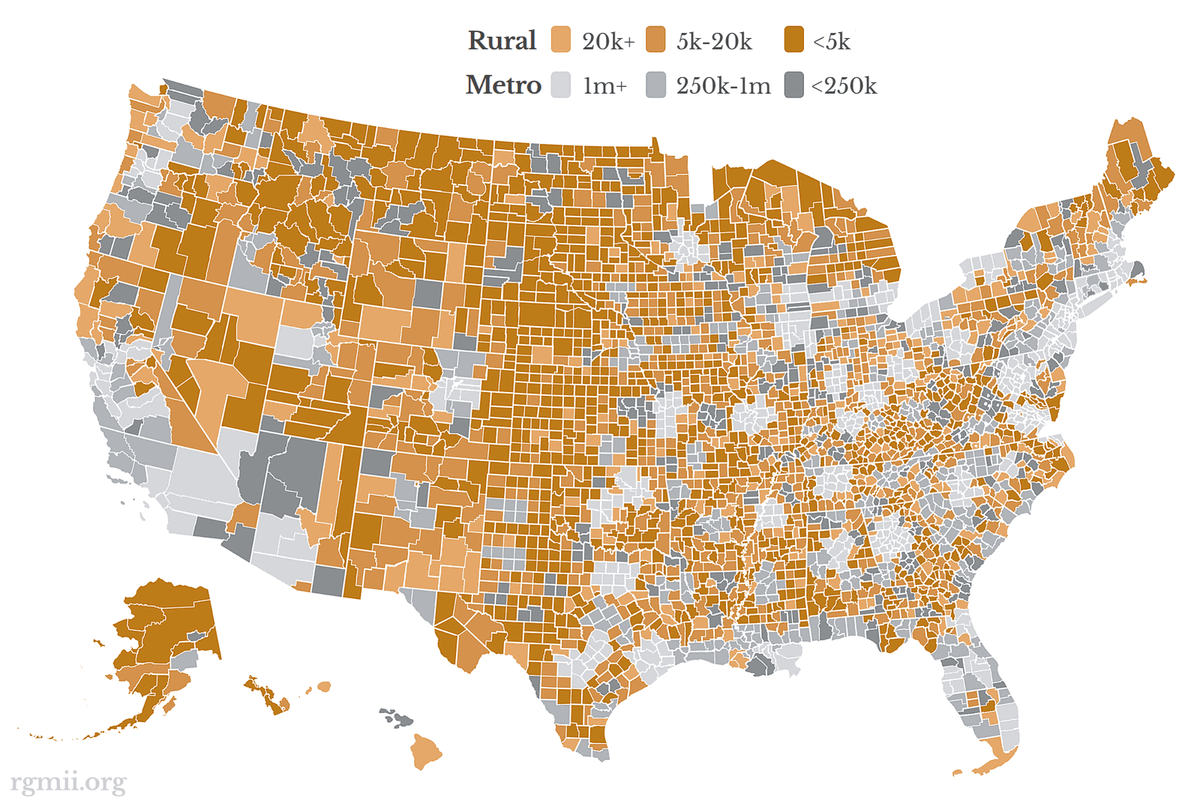
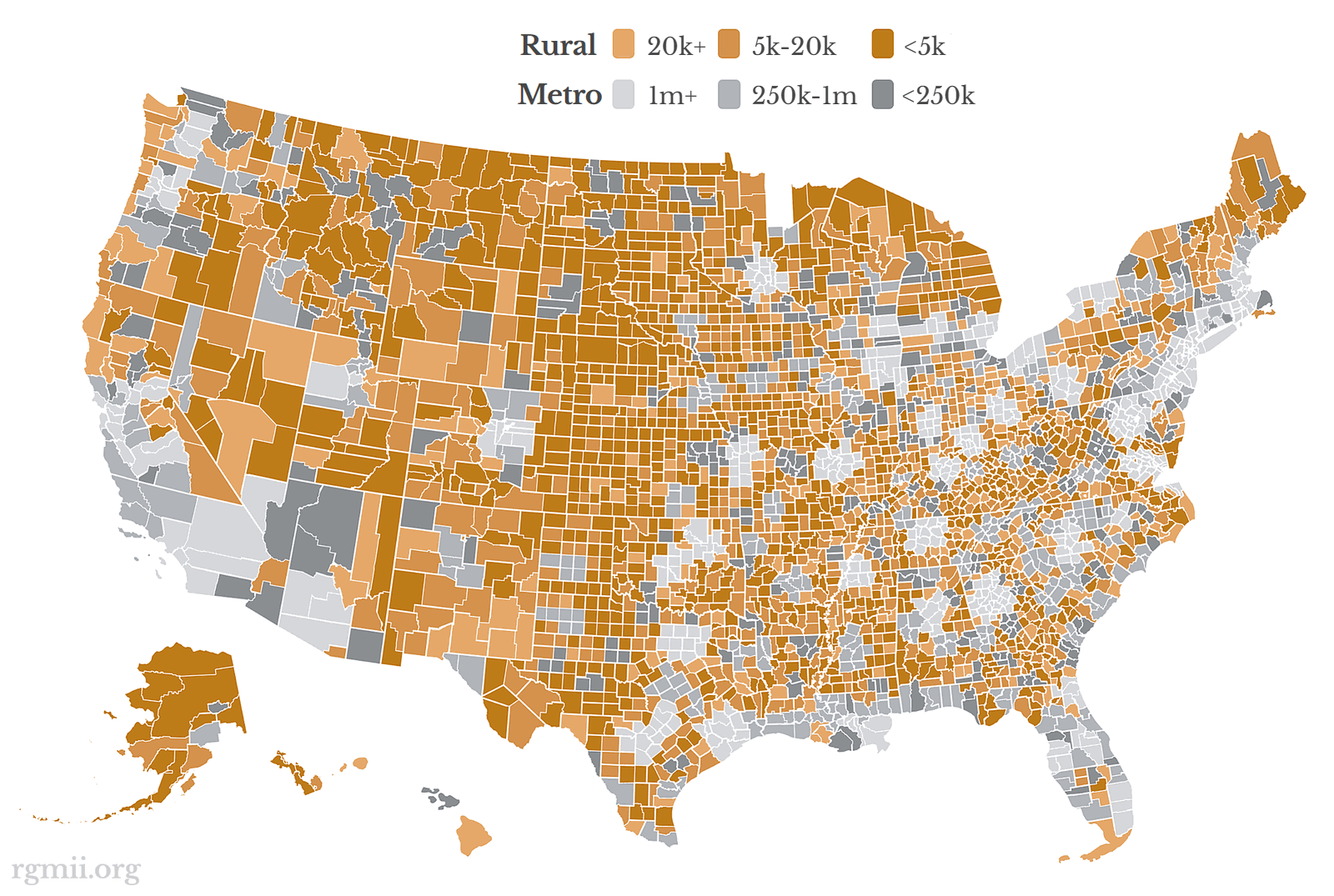
With a clear strategy in place, Jeff Atwood has launched the Rural Guaranteed Minimum Income Initiative (RGMI), a dedicated effort to implement and study GMI programs. The initiative’s deliberate focus on rural counties is a strategic choice, rooted in several key considerations. Rural areas often present a unique set of challenges and opportunities for such programs:
- Cost-Effectiveness: Dollars tend to go further in rural economies, meaning the same amount of funding can have a greater impact on individuals’ purchasing power and local economies.
- Higher Poverty Rates: Rural America disproportionately experiences higher rates of poverty compared to urban and suburban areas, making these communities prime candidates for interventions aimed at economic uplift.
- Tighter Studies: Smaller, more contained populations in rural counties allow for more focused and manageable research studies, facilitating clearer data collection and analysis on the program’s effects.
- Overlooked Talent: Atwood emphasizes that rural counties are often overlooked despite possessing "incredible untapped talent," a sentiment born from his own upbringing in a rural community. The initiative seeks to unlock this potential by providing foundational stability.
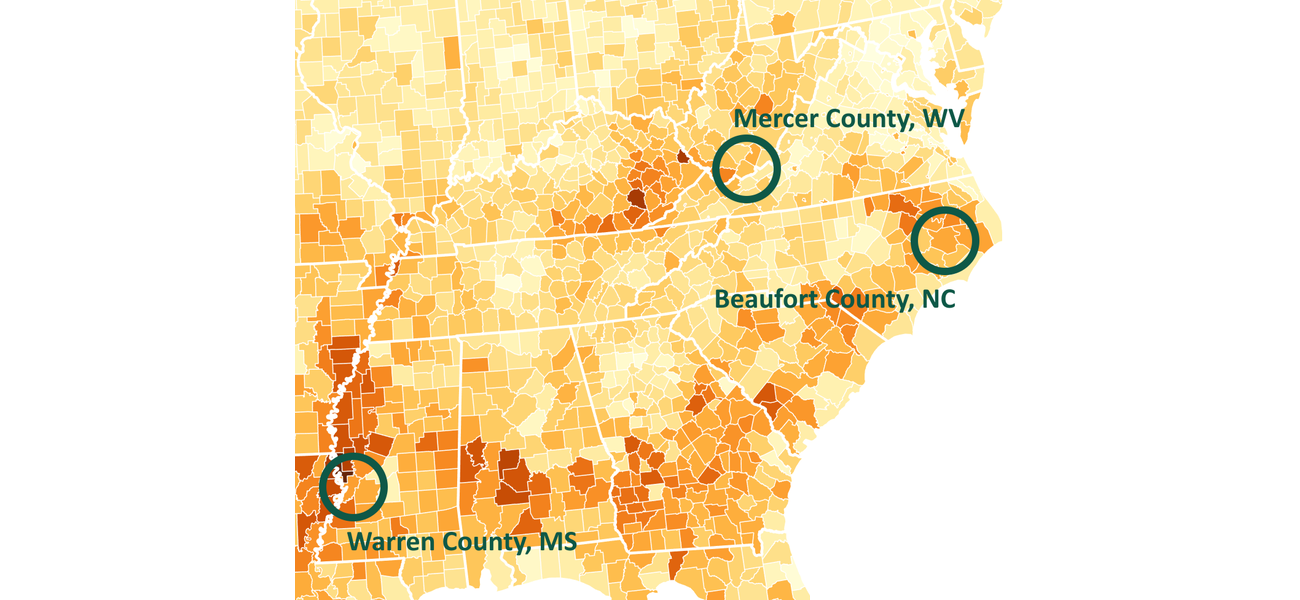
The RGMI has already commenced operations, funding three initial county-level programs in Mercer, West Virginia; Beaufort, North Carolina; and Warren, Mississippi. These programs are designed to provide financial support to thousands of individuals over a 16-month period, with a commitment to sharing comprehensive data and results with the wider world. This transparency is crucial for building a robust evidence base and informing future policy decisions. The ultimate ambition of the RGMI is to expand its reach to all 50 states, creating a nationwide network of GMI studies and support.
Broader Implications and The Path Forward
The Atwood family’s $50 million pledge and the establishment of the RGMI carry significant implications, both for the individuals and communities it will serve, and for the broader discourse on poverty alleviation in America.
Socioeconomic Impact: For recipient families, GMI offers a lifeline, enabling them to meet basic needs, reduce debt, and make proactive choices about their education, health, and employment. This injection of capital can also stimulate local economies in rural areas, as funds are typically spent locally on goods and services. By addressing the root causes of financial insecurity, GMI can lead to improvements in public health, reduced crime rates, and enhanced educational outcomes, breaking cycles of generational poverty.
Policy Influence: The robust data collected from the RGMI’s county-level studies will be invaluable. By demonstrating the effectiveness and practical implementation of GMI in diverse rural settings, the initiative aims to provide compelling evidence that could influence state and federal policy, encouraging wider adoption and integration of direct cash transfer models into existing social safety nets.
Philanthropic Trends: The Atwood’s commitment aligns with a growing trend among tech philanthropists to apply innovative, data-driven approaches to complex social problems. This "venture philanthropy" model often prioritizes measurable outcomes, scalable solutions, and transparent reporting, seeking to create systemic change rather than merely incremental improvements.
Challenges and Future Vision: While promising, scaling such an initiative presents formidable challenges. Overcoming political skepticism, managing public perception, and securing long-term funding beyond the initial commitment will require sustained effort and strategic partnerships. The RGMI emphasizes collaboration, inviting individuals and organizations to share results, educate others about GMI, and engage with policymakers.
Jeff Atwood views the RGMI as his "third and final startup," signaling a lifetime commitment to this cause. His philosophy, rooted in the belief that "the path of love is the only survivable path," underscores the deep personal conviction driving this endeavor. The initiative is not merely about transferring wealth but about fostering a society where "dreams, like happiness, are only real when shared."
For those "to whom much is given," the RGMI offers a tangible avenue to contribute. The initiative actively seeks additional donors and partners to sponsor GMI studies in new rural counties, accelerating the goal of reaching all 50 states. By advancing the concept of direct cash transfer and generating open, transparent data, the RGMI aims to prove that simply giving money to those most in need is not only a radical act of love but a demonstrably effective strategy for building a more equitable and prosperous America. The journey towards a shared American Dream, as articulated by the Atwoods, is a collective one, inviting everyone to participate in fostering a future where basic human needs are universally met.
About the Author