The global mobile gaming landscape underwent a significant shift this week as several high-profile intellectual properties transitioned to handheld platforms, signaling a continued push by major publishers to capture the lucrative mobile market. From the surprise arrival of the Borderlands franchise on iOS to Electronic Arts’ strategic soft launch of the latest Plants vs. Zombies entry, the industry is witnessing a concerted effort to adapt AAA console and PC experiences for a mobile-first audience. These developments come at a time when the mobile gaming sector continues to outpace other segments of the interactive entertainment industry in terms of both user acquisition and total revenue, driven largely by the expansion of established franchises and the integration of gaming into non-traditional platforms like Netflix.
AAA Franchises Make Significant Mobile Incursions
The most notable development in the current release cycle is the unannounced debut of a Borderlands mobile project. Developed by NaturalMotion, a subsidiary of Zynga, the title represents a major milestone for the looter-shooter series. Currently titled as a "limited-time test," the project has been released exclusively on the iOS App Store in the United States. NaturalMotion, known for high-fidelity titles such as CSR Racing, was tasked with translating the distinct cel-shaded art style and complex RPG mechanics of the Gearbox-created series to mobile hardware.
In a statement provided to industry analysts, a spokesperson for Zynga confirmed that the current phase is a technical evaluation aimed at gathering performance data and player feedback. While the initial release is restricted to iOS users in the U.S., official support documentation has already surfaced referencing an Android version, suggesting a broader global rollout is planned following the conclusion of the testing phase. This move is consistent with Take-Two Interactive’s broader strategy following its $12.7 billion acquisition of Zynga, which aimed to leverage Zynga’s mobile expertise to mobilize Take-Two’s core intellectual properties.

Simultaneously, Electronic Arts (EA) and its subsidiary PopCap Games have initiated the early access phase for Plants vs. Zombies 3: Evolved. The game has been soft-launched in Ireland and the Philippines, two regions frequently used by developers to test monetization and retention metrics before a global release. This third installment introduces a "merge" mechanic—a popular trend in casual mobile gaming—allowing players to combine defensive units to create more powerful iterations. This shift in gameplay indicates a move toward modern mobile design tropes while maintaining the tower defense core that defined the original 2009 hit.
The Chronology of Recent and Upcoming Mobile Releases
The current release window is characterized by a mix of immediate launches, soft launches, and pre-registration phases. The following timeline outlines the key milestones for the titles featured in this week’s digest:
- Mid-April 2026: Borderlands Mobile (Untitled Project) enters limited technical testing on iOS in the United States.
- April 18, 2026: Plants vs. Zombies 3: Evolved enters early access in Ireland and the Philippines.
- April 19, 2026: Halfbrick Studios officially releases Jetpack Joyride Racing globally following multiple development delays.
- April 19, 2026: Netflix Playground and The Jackbox Party Essentials become available to Netflix subscribers.
- April 22, 2026: Dicero, the dice-based roguelite from Habby, is scheduled for its global launch.
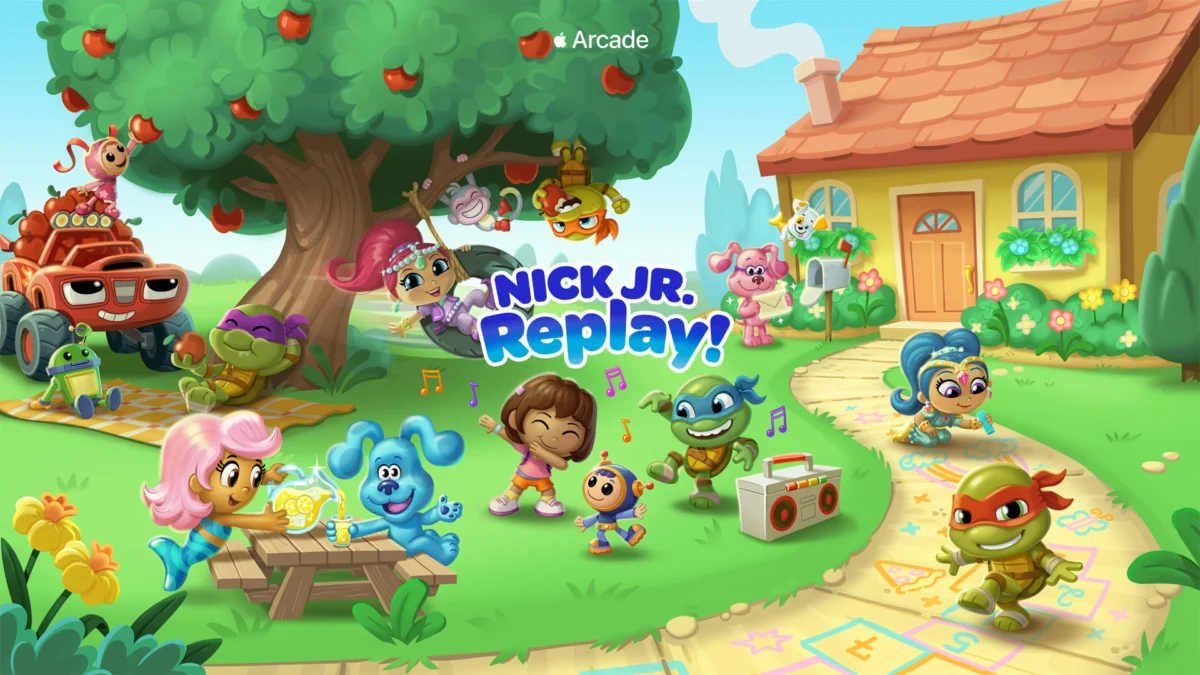
- May 7, 2026: Apple Arcade’s May update goes live, featuring Nick Jr. Replay, Good Pizza, Great Pizza+, Perchang World, and Ultimate 8 Ball Pool+.
- Q2 2026: Integrated Reality Labs is slated to launch Slap, a location-based multiplayer title.
Netflix’s Strategic Expansion into Multi-Generational Gaming
Netflix continues to diversify its gaming portfolio, moving beyond standard mobile titles to include specialized apps for children and interactive experiences for the living room. The launch of Netflix Playground marks a significant investment in the "under-eight" demographic. By incorporating recognizable characters from Dr. Seuss, Peppa Pig, and Sesame Street, Netflix is positioning itself as a safe, ad-free alternative to YouTube Kids.
In addition to the children’s market, Netflix is leveraging its presence on smart TVs with the release of The Jackbox Party Essentials. This collection includes three staples of the party-game genre: Fibbage 4, Drawful 2, and Quiplash 3. The integration is notable for its use of the smartphone as a controller, bypassing the need for dedicated gaming hardware. This "bring-your-own-device" (BYOD) model is a cornerstone of Netflix’s cloud gaming strategy, aimed at increasing the value of its standard subscription without requiring users to purchase expensive peripherals.

Industry data suggests that while only a small percentage of Netflix’s 260 million plus subscribers currently engage with its games daily, the company is playing a long-term game. By bundling high-quality titles like those from the Jackbox library, Netflix aims to reduce churn and increase the overall "stickiness" of its ecosystem.
Supporting Data and Market Context
The influx of high-profile mobile titles is supported by robust market data. According to recent reports from Appmagic and other market intelligence firms, the mobile RPG and tactical battle sectors—represented this week by Game of Thrones: Dragonfire and Fantasy X Hunters—remain the highest-grossing categories in the mobile space.
- Game of Thrones: Dragonfire: Developed by Warner Bros. Games, this title capitalizes on the resurgence of interest in the Westeros setting following the success of HBO’s House of the Dragon. Pre-registration numbers on the App Store and Google Play have already exceeded expectations, as fans look for tactical experiences that mirror the political and martial themes of the television series.
- Fantasy X Hunters: This open-world monster-hunting RPG, published by Supercent, has entered soft launch in the United States. Supercent, which has traditionally focused on hypercasual titles, is moving into the mid-core space, reflecting a broader industry trend where publishers are seeking games with higher Long-Term Value (LTV) and deeper engagement mechanics.
- Apple Arcade Trends: The inclusion of Nick Jr. Replay in Apple Arcade’s May lineup highlights Apple’s shift toward "Plus" versions of existing hits and curated retro collections. By offering over 50 classic Nick Jr. titles in a single package, Apple is targeting parents who value curated, high-quality content for their children within a subscription model.
Official Responses and Industry Implications
The reaction from the developer community has been one of cautious optimism. In discussions regarding the Borderlands mobile project, NaturalMotion emphasized that the "limited-time test" is crucial for ensuring the game meets the "high standards expected by the Borderlands community." This suggests that publishers are becoming more wary of the backlash associated with poorly optimized mobile ports of beloved franchises.
The launch of Jetpack Joyride Racing by Halfbrick Studios also serves as a case study in the challenges of mobile development. Originally slated for an earlier release, the game faced multiple delays to refine its multiplayer synchronization and "kart racer" mechanics. Halfbrick’s decision to delay the game rather than release an unfinished product reflects a maturing mobile market where quality is increasingly prioritized over speed-to-market.

From a broader perspective, the entry of legacy tech companies like Yahoo into the casual gaming space via Yahoo Solitaire Roadtrip indicates that the "web-to-mobile" pipeline remains a viable strategy for capturing older demographics. By offering a road-trip-themed twist on a classic card game, Yahoo is attempting to leverage its existing user base in the U.S. to drive traffic to its gaming portal.
Broader Impact and Future Outlook
The current wave of releases underscores three primary trends in the mobile gaming industry: the "mobilization" of AAA IPs, the rise of subscription-based gaming ecosystems, and the diversification of target demographics.
First, the transition of franchises like Borderlands and Game of Thrones to mobile indicates that hardware limitations are no longer a significant barrier to entry for complex gameplay experiences. As mobile processors become more powerful, the line between "mobile" and "console" gaming continues to blur.
Second, the aggressive expansion of Apple Arcade and Netflix Games suggests that the industry is moving toward a service-based model. For consumers, this offers a library of ad-free content for a flat monthly fee, a stark contrast to the aggressive monetization found in many "free-to-play" titles. For developers, these platforms offer a guaranteed revenue stream and a way to reach audiences without the high cost of user acquisition on traditional app stores.

Finally, the focus on specific age groups—from children under eight in Netflix Playground to the retro-gaming fans targeted by Apple Arcade—shows that publishers are moving away from "one-size-fits-all" games. Instead, they are developing niche content designed to appeal to specific life stages and interests.
As the second quarter of 2026 progresses, the industry will be watching the performance of these titles closely. The success of the Borderlands test and the global rollout of Plants vs. Zombies 3 will likely dictate how other major publishers approach their mobile strategies for the remainder of the year. For now, the mobile gaming sector remains a primary engine of growth and innovation within the broader entertainment world.
About the Author