The symbiotic relationship between the video game and music industries has evolved from a novel concept to a sophisticated and lucrative ecosystem. What began with landmark collaborations like the iconic Wipeout soundtrack in 1995, featuring electronica pioneers such as Leftfield and The Chemical Brothers, has blossomed into a multi-faceted field employing dedicated professionals and offering artists unprecedented avenues for exposure and revenue. This evolution, accelerated by global events and the burgeoning influence of gaming as a cultural touchstone, is reshaping how music is created, discovered, and consumed.
From Neon Racetracks to Global Platforms: The Genesis of Game-Music Integration
The mid-1990s marked a pivotal moment when PlayStation’s futuristic racing simulation, Wipeout, redefined the potential of licensed music in video games. By curating a soundtrack of cutting-edge UK electronica for its PAL release, Psygnosis and PlayStation not only enhanced the immersive experience of their "Mario-Kart-on-drugs" offering but also tapped into the zeitgeist of the era’s burgeoning nightclub culture. The pulsating beats of Orbital and the energetic anthems of The Chemical Brothers provided a visceral accompaniment to the game’s high-speed, neon-drenched racetracks, creating a defining characteristic of its style. The critical acclaim for Wipeout‘s music led to separate CD and vinyl soundtrack releases, and subsequent installments in the series, featuring artists like The Prodigy and Sasha, solidified the franchise’s association with the golden age of mid-’90s British dance music. While not the first game to incorporate licensed tracks, Wipeout set a new benchmark, demonstrating the profound impact of carefully selected music on a game’s identity and appeal.
The Modern Music-Gaming Nexus: A Profession in its Own Right
Fast forward a quarter-century, and the art of integrating music into video games has transformed into a specialized industry. Dedicated teams, comprising audio directors, music supervisors, and A&R experts, are now integral to game development studios. Their role is to meticulously select and license music that complements the gameplay, narrative, and overall aesthetic of a title. This music can manifest in various forms: as curated playlists and in-game radio stations, reminiscent of the expansive libraries in Grand Theft Auto and Watch Dogs, or it can be broken down and re-edited for use in marketing materials, such as launch trailers and promotional campaigns.
The COVID-19 pandemic has inadvertently catalyzed this trend, placing a significant halt on most live music performances. Consequently, bands and artists, along with their management, agents, and record labels, are increasingly exploring video games as a potent new platform to reach existing fanbases and cultivate new ones. This shift underscores the growing recognition of gaming’s vast audience potential and its capacity to serve as a significant revenue stream and promotional tool for musicians.
Navigating the Landscape: Who Decides What Music Makes the Cut?
The decision-making process for music selection in video games is multifaceted and varies depending on the studio’s size and resources. Larger development houses often maintain in-house teams of music supervisors and A&R professionals who collaborate with record labels to identify suitable tracks. Smaller studios or those seeking specialized expertise may engage external music consultancy firms, such as Feel For Music.
Ben Sumner, Director at Feel For Music, highlights the diverse nature of these briefs. "Most people like music, but some are huge music fans from the off, and that often dictates at what point in the project we come in," he explains. "Larger games will have audio directors, brand directors, and game directors, all of which will have strong ideas on the sound they want to achieve with the game. Sometimes we come in and we’re just fine-tuning what’s already there. Other times, people don’t know what they want at all."
Sumner emphasizes the crucial role of objectivity in this process. "A big part of our role is objectivity, because people’s music tastes are so subjective," he states. "It’s about trying to bring in that objectivity to show how music appeals to certain audiences, how it fits with the game, and the cultural cachet that brings in with the whole branding."
Alex Hackford, Head of A&R at Sony Interactive Entertainment America, notes the palpable impact of the gaming industry’s exponential growth on its ability to forge stronger partnerships with the music world. "The ease of access of having front-end conversations with labels and publishers about what the value of video game involvement… that bar has lowered because people have seen the impact of it," he observes. "The ability for us to have more buy-in from partners in projects is getting a lot easier."
Hackford points to successful integrations like the four original tracks created for Marvel’s Spider-Man: Miles Morales, which were simultaneously released on digital service providers, within the game, and physically. Accompanying music videos featuring gameplay footage further amplified these releases. Similar strategic collaborations have been undertaken for titles like Death Stranding, indicating a clear industry-wide ambition to deepen these synergistic relationships.
Unlocking Discovery: Tips for Artists Seeking Game Placements
For musicians aiming to have their work featured in video games, there is no singular "magic formula." Duncan Smith, Head of Music at Sony Interactive Entertainment Europe, underscores the importance of understanding each game’s unique criteria. "Every game has different criteria, so it depends on what the game is trying to say and what kind of music it requires: is it gonna benefit from having a contemporary tracklist with big artists on there, or will it benefit looking at more obscure bands that can enhance the experience?"
In an environment where music supervisors are actively seeking new talent, widespread accessibility of an artist’s music is paramount. Platforms like Spotify, iTunes, Deezer, Google Play, and YouTube serve as crucial discovery channels. Stephen Root, Vice President of Development Creative Services at Codemasters, highlights his reliance on Spotify for its user-friendly interface and playlist-sharing capabilities, citing its utility during the soundtrack curation for Dirt 5.
The benefits of broad availability can be serendipitous. Jim Hodge, vocalist for the metal band Mastiff, shared his surprise at being approached by CD Projekt Red for Cyberpunk 2077. Their unreleased track "Acid Breather" was ultimately featured, a testament to the power of having readily accessible, high-quality material. "We honestly thought it was a wind-up until we started speaking to them properly," Hodge recounted. "They wanted an unreleased track and we’d literally just been in the studio the month before to record. At the time, we were out of contract, which made it much easier to release the track. Having a track on one of the biggest games ever released is absolutely nuts, and hearing our music in the game still freaks us out."
While being signed to a major record label can provide dedicated personnel working to place music, it is not a prerequisite for game inclusion. Stephen Root actively seeks out emerging artists at specialized listening sessions with labels, gaining insight into future releases and identifying artists poised for success. However, he emphasizes, "I always want to give people a shot. I’m really into up-and-coming new artists, so I say to people [labels and managers] throw all of the new stuff my way and let me wade through it."

Sony’s Duncan Smith echoes this sentiment, asserting that a smaller fan base need not be a deterrent. "One of the reasons I love this job is that, most of the time, we’re looking for music that enhances the experience of the game or scene," he explains. "Most of the time, it doesn’t matter how many hits, streams or views that artist has had. The priority is to find music that enhances that experience, makes it compelling, and connects with the player. So in that sense, you don’t have to be on a major label."
Even within major entities like Sony, the pursuit of exceptional music transcends label affiliations. Tom Mackay, Sony’s President of Premium Content A&R, clarifies, "At the end of the day, good music is good music. Is there a predisposed goal to predominantly put Sony Music artists into our projects? Of course there is. But would I be shortsighted and at the same time potentially shackling the game or project by only considering Sony artists? Of course I would be. It’s a careful balance. If an amazing record came in that was perfect for the game and everybody loved it, we would never stand in the way of that."
Developing a unique artistic identity is also a significant advantage. Joe Henson of the musical composition duo The Flight advises, "Don’t just try and do what other people do because they already do that. Don’t just try and do epic, orchestral music because everybody does that. If you have a unique instrument, use that instrument." This individuality, coupled with a strong sense of identity, is more likely to resonate with music supervisors seeking to enhance a game’s experiential quality. Duncan Smith concurs, stating, "Develop your own sound and have a strong identity. Don’t chase the tail of whatever is popular in games or in music sync. Stick to the fundamentals of developing your own identity, and then make the effort to try and get in touch with the likes of myself and Alex. Find out what we’re working on, try and develop a relationship, and if you make the effort it will cut through." This proactive approach can lead to future collaborations, as studios may remember artists with distinct styles for upcoming projects.
Mastering the Approach: Strategies for Effective Outreach
The process of getting music noticed and considered for video game placements often begins with effective communication. The sheer volume of submissions means that making a strong, targeted first impression is crucial.
The Art of Targeting and Relationship Building
Video games often possess distinct brand identities and music genres that align with specific artistic styles. The NBA 2K series, for instance, is a natural fit for hip-hop and rap, while the Life is Strange franchise leans towards indie and folk artists. Rather than indiscriminately sending music to numerous contacts, artists and their representatives are advised to meticulously research which titles and franchises would best complement their sound.
Sony’s Tom MacKay emphasizes the importance of this alignment: "You want there to be a seamless creative bond of connectivity between the artist and what they represent — what they sound like, what they look like and what they feel like, and how that fits with the game itself." He elaborates on the intensive process of understanding a game’s vision through close collaboration with directors and developers to identify suitable artists globally.
Identifying the right contacts is a critical step. Examining game credits for audio and music departments, and utilizing professional networking platforms like LinkedIn, can reveal the names of music supervisors and audio directors. Information can also be gleaned from the descriptions of game trailers and promotional videos on platforms like YouTube.

For artists seeking guidance, engaging with their management or agents early in their careers about their interest in video game placements is recommended. Stephen Root advocates for proactive discussions, suggesting, "I would say to anybody that’s an artist, either on the cusp of being either signed or that has just been signed, to explain to their management about their level of interest in gaming. Ask them to find and approach companies to see where they can fit your music. I would definitely do that because I think it’s a really great thing to do."
In cases where management or labels may lack the requisite expertise, hiring a sync representative—a professional specializing in commercial opportunities and connecting artists with relevant media—is a viable strategy, as suggested by Duncan Smith. "It’s important to make the effort to find out what we’re working on, and I think that’s where third-party sync reps can help," Smith notes. "Especially because it’s difficult to keep up to speed with what music supervisors are working on and develop that relationship. If you don’t have a label or a publisher with those types of relationships with music supervisors, find the right sync rep who can do that for you."
When preparing formal pitches, tailoring the approach to the specific recipient is paramount. Alex Hackford advises, "If you have a formal pitch, make sure you know who you’re pitching to and you’re referencing games that they’re working on, rather than referencing cross-platform products that aren’t gonna be as relevant to their work." This demonstrates a genuine understanding of the individual’s professional focus and a commitment to a personalized approach.
Duncan Smith echoes this, highlighting the ineffectiveness of mass emails: "Trying to develop a relationship and make the effort will always cut through — especially compared to some of the emails that we get where people have 50 different supervisors on one email and just hit send, without making the effort to find out what we’re working on."
Ben Sumner of Feel For Music reveals that his consultancy receives an overwhelming 200-250 emails daily from aspiring artists and labels. Despite the volume, persistence and a focused approach can yield results. "It might be hard for us to check out your music, but if you’re persistent, focused, and understand the places where your music might fit, that’s a great starting point," he states. "Most people that get in touch with us, we’ll give them a chance. If someone drops me an email and it gets missed but sends me a follow-up, I’ll make sure it gets checked." He cites the persistent outreach of Sufjan Stevens’ manager as instrumental in securing a placement for the artist’s music in the Life is Strange spin-off, The Amazing Adventures of Captain Spirit.
Technical Requirements and Strategic Planning
Beyond the artistic and outreach aspects, technical considerations are vital. Ensuring music is available in various file formats, including isolated instrumental and vocal tracks (stems), is essential for trailer editors and in-game interactive elements. "Having your music in the right formats is really important," Sumner explains. "Do you have the instrumental version and do you have the vocals? We’re always going to need stems. If I put something into a trailer I have to rework it."
Furthermore, artists may benefit from preparing their music in structures optimized for trailers or in-game placement. Sumner suggests, "If it’s a trailer, instead of your track being verse, chorus, verse, chorus, why don’t you have a version of the track that’s just intro, middle, ending, which is how trailer music usually works."

The games industry, according to Joe Henson of The Flight, can be notoriously challenging to penetrate. "With film and TV, you can find out what’s going into production — you can meet people and they’ll tell you what’s happening. In games, you sometimes won’t know what people are working on until you have that initial big meeting. We’ll finish working with Ubisoft and have no idea what they’re doing next. Work comes completely out of the blue, and because of all the NDAs, video games can sometimes be difficult to get into."
However, for annual franchises like FIFA or Call of Duty, understanding their release cycles can offer a strategic advantage. Alex Hackford explains that music integration typically occurs eight to ten months prior to a game’s release. Artists can leverage this timeline by coordinating the release of their own new material to coincide with game launches, presenting an attractive proposition for studios seeking debut tracks.
Navigating Licensing and Maximizing Collaboration
Licensing music for video games involves navigating complex rights ownership. Artists and their representatives must have a clear understanding of who owns the various rights to their music, particularly if they have previously worked with a label. Alex Hackford highlights the pitfalls of unclear ownership, stating, "I’m dealing with a scenario now where there’s a track I really like but there’s a lot of questions around ownership, so I’m probably gonna have to drop it. That’s the last thing you want when you’ve already got as far as getting the song into someone’s hands."
Once a placement is secured, artists are encouraged to explore opportunities for additional value creation. This can involve cross-promotional activities, such as integrating album artwork into game assets or creating music videos using gameplay footage. Duncan Smith commends such initiatives, citing an example where DJ Shadow’s manager secured additional benefits for the artist by collaborating on in-game car skins for Driveclub, a feat stemming from proactive engagement and asking "what else is out there." Similarly, the band Broken Witt Rebels’ decision to create a music video using Dirt 5 gameplay footage was highly appreciated by the development team.
Budgetary considerations are also paramount. Stephen Root outlines a tiered fee structure for Dirt 5, accommodating up-and-coming artists, mid-tier successes, and established acts. This approach allows for a diverse soundtrack, balancing emerging talent with more recognizable names.
Financial Realities and Long-Term Relationships
While music placements can offer significant exposure, direct financial returns can vary. In the early days of Grand Theft Auto, royalty payments were a common practice, benefiting artists who contributed to those soundtracks. However, Ben Sumner notes a shift towards fixed-rate licensing agreements, a fundamental change in the industry. While royalty arrangements are now less common, exceptions exist, particularly for writers registered with specific European PROs or in the mobile gaming sector with limited budgets.
Duncan Smith advises realistic expectations regarding financial compensation. "Try to have realistic expectations about a deal," he suggests. "Don’t get crazy imagining you’re gonna have a life-changing sum of money in your pockets. It’s more about being realistic, in addition to being good to work with, being helpful, and providing us with all the stuff we need." Building a positive working relationship can foster repeat business and long-term collaborations, which can be more financially beneficial in the long run than a single, one-off fee.

The Enduring Impact: Benefits Beyond the Transaction
The impact of music featured in video games extends far beyond immediate financial gains. The punk-rock band Goldfinger famously attributed their song "Superman" becoming their "biggest song we’ve ever written" to its inclusion in Tony Hawk’s Pro Skater. For many artists, game placements serve as a "badge of honour" and a significant career accelerant.
The ability for artists to debut new music within video games offers a unique opportunity to reach millions of players instantly. Alex Hackford cites the example of independent artist Lecrae, whose streaming numbers saw a substantial surge following the release of two original tracks for Marvel’s Spider-Man: Miles Morales.
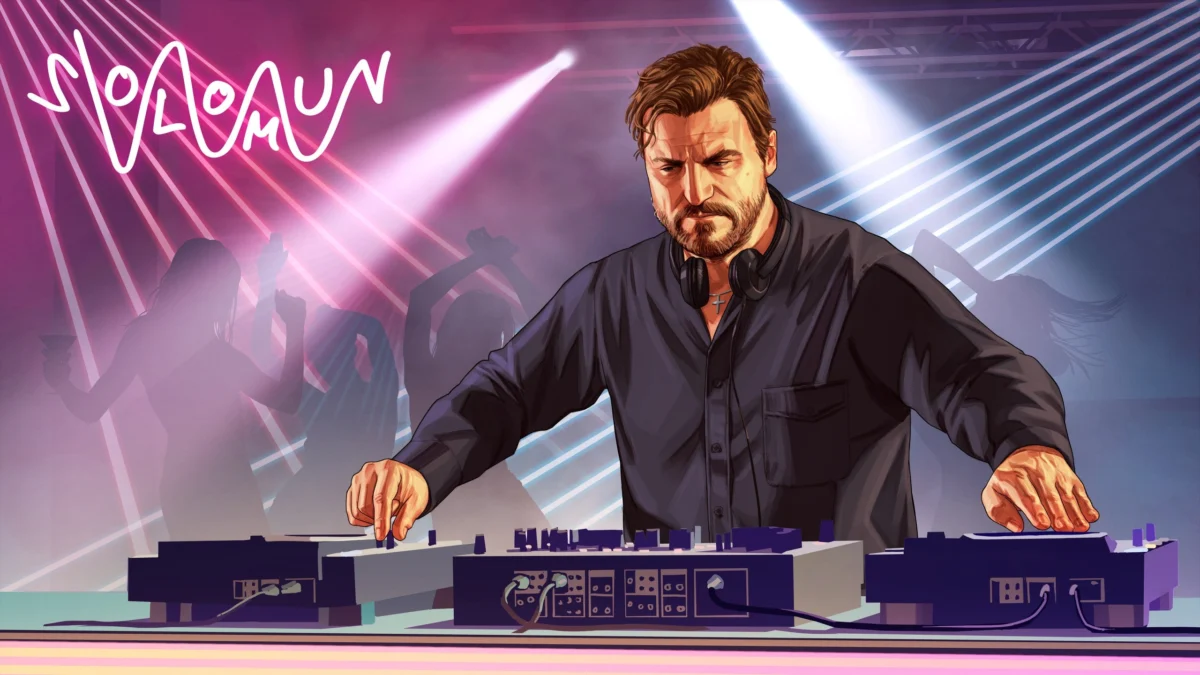
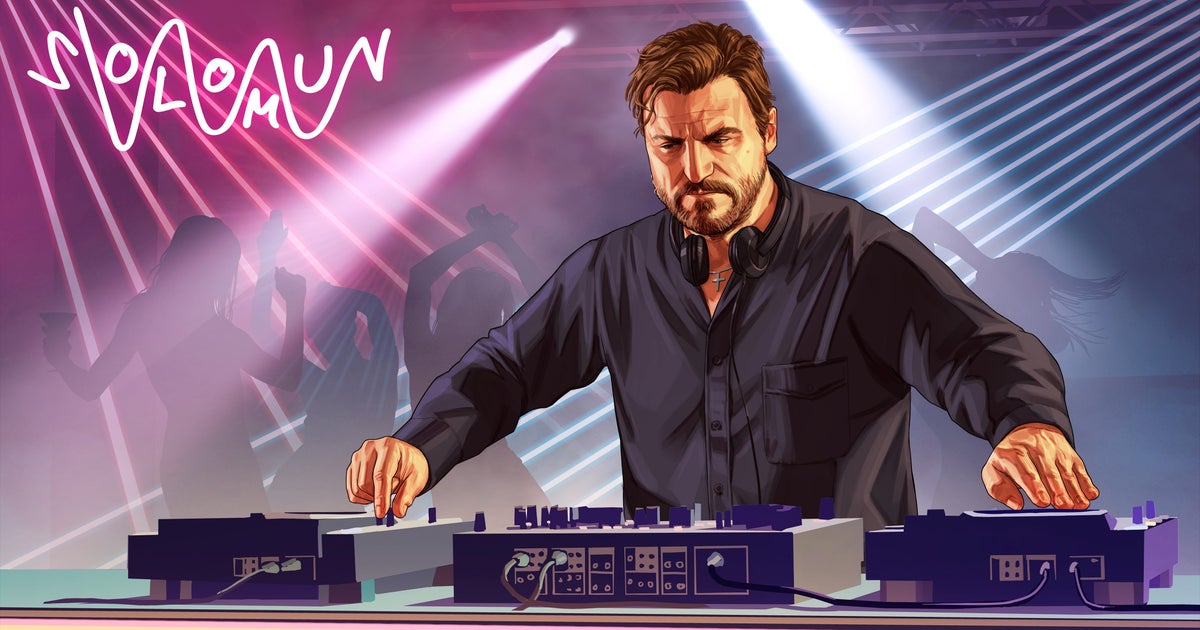
The symbiotic relationship between the gaming and music industries is further evidenced by collaborations like Hideo Kojima’s Death Stranding, which featured an eclectic mix of artists. The COVID-19 pandemic has undeniably accelerated this trend, with major updates like GTA V Online‘s inclusion of 250 new tracks and high-profile artist collaborations with The Pokémon Company underscoring gaming’s growing prominence in the music industry’s strategic planning.
Tom MacKay firmly believes that gaming platforms are becoming the new "water cooler," a central meeting place for cultural exchange, particularly for younger generations. "The gaming industry will play a larger and larger role in the overall way in which the music industry thinks, operates and strategizes every day going forward," he asserts. He concludes with confidence that the current achievements represent merely the "literal scratching of the surface" of this evolving and profoundly influential partnership.
About the Author