The extended reality (XR) landscape has entered a period of rapid hardware iteration and shifting monetization strategies, highlighted by significant leaks regarding Samsung’s upcoming smart glasses and a controversial new subscription model from Meta. While Samsung prepares to enter the "screenless" wearable market in partnership with Google and Qualcomm, Meta is testing the limits of consumer patience by placing previously free hardware features behind a paywall. Simultaneously, Rokid has unveiled high-specification AR hardware in China, signaling a widening gap between Western and Eastern market offerings.
Samsung and Google Prepare Smart Glasses Launch Following Ecosystem Leaks
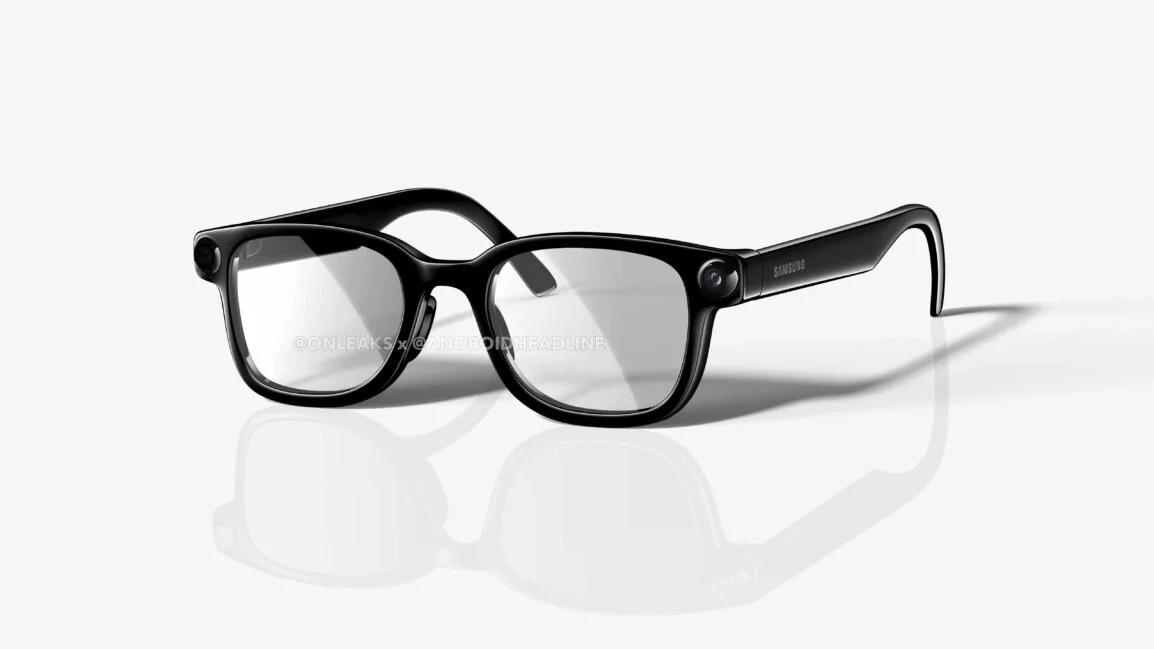
The collaborative effort between Samsung, Google, and the eyewear brand Gentle Monster is nearing fruition, as evidenced by recent leaks detailing the companion software and interface for their upcoming smart glasses. The project, which was first teased during the Samsung Unpacked event in early 2023, aims to provide a direct competitor to the Ray-Ban Meta smart glasses.
Internal screenshots of the mobile companion app suggest a streamlined onboarding process, allowing users to pair the device, manage firmware updates, and configure privacy settings. The app also serves as a media hub for offloading photos and videos captured via the glasses’ onboard cameras. Technical interaction data reveals that Samsung is opting for a touch-capacitive interface located on the temples of the frames. Users will be able to control media playback through a series of gestures: single taps for play/pause, horizontal swipes for track navigation, and two-finger swipes for volume adjustment.
A key differentiator for Samsung appears to be deep integration with the existing Galaxy ecosystem. Leaked documentation indicates that the glasses will feature a "Now Bar" on Samsung smartphones and a dedicated complication on Galaxy Watches, providing real-time previews of captured media. This multi-device synchronization suggests that Samsung is positioning its glasses not just as a standalone accessory, but as a peripheral extension of its mobile hardware suite.

Meta Introduces "Meta One" Subscription Model for Wearables
In a move that has sparked significant debate among industry analysts and consumers, Meta has officially launched "Meta One," a subscription service required to access the full capabilities of the Ray-Ban Meta smart glasses. This marks a fundamental shift in how Meta intends to monetize its Reality Labs division, which has historically operated at a multi-billion dollar quarterly loss.
The primary feature impacted by this transition is "Conversation Focus," an audio processing tool that utilizes beamforming microphones to isolate the speech of a person the wearer is looking at while suppressing background noise. Under the new tiered system, users are limited to three hours of Conversation Focus per month for free. To extend this limit to 15 hours, users must subscribe to the Meta One Premium plan at a cost of approximately $20 per month.
A spokesperson for Meta confirmed that the limitation is not due to cloud computing costs or AI rate limits, as the feature runs locally on the glasses’ onboard Qualcomm Snapdragon AR1 Gen 1 processor. Instead, the company describes the subscription as part of an effort to test optional plans for "premium features and advanced capabilities." Critics argue that charging a monthly fee for local hardware functionality sets a concerning precedent for the wearable industry, particularly for a device that already carries a premium retail price of $299 to $379.
Rokid Unveils High-Performance AR Hardware and AI-Centric Operating System
During its recent Open Day event in China, Rokid announced its latest 6DOF (Six Degrees of Freedom) AR glasses, positioning them as a direct competitor to XREAL’s high-end offerings. Unlike the minimalist "smart glasses" from Meta and Samsung, Rokid’s new hardware is designed for immersive augmented reality, featuring a hybrid waveguide optical solution and a 58-degree field of view (FOV).
The technical specifications of the new Rokid glasses include:

- Processor: Qualcomm Snapdragon 8 Elite Gen 5 (housed in an external compute unit).
- Resolution: 3840 × 1200 pixels at a 90Hz refresh rate.
- Display: MicroOLED panels with 600 nits of peak brightness.
- Camera: A high-resolution AI-driven sensor capable of 4032 × 3024 pixel image analysis.
Beyond hardware, Rokid introduced YodaOS, which it claims is the first operating system designed specifically for AI-integrated eyewear. The OS features "AIUI," an interface that dynamically adapts how information is presented based on context. For example, if a user queries the system about financial data, the AIUI will generate a 3D infographic rather than a text-based response. Furthermore, Rokid has secured a strategic advantage in the Chinese market by integrating both Alipay and WeChat Pay directly into the glasses, facilitating seamless biometric-authenticated transactions in retail environments.
Advancements in Accessibility and Neural Interfaces
The XR software ecosystem continues to expand with the release of PortalVR on Steam. Developed by Greg Fodor, the application allows users to play traditional VR titles on standard flat-screen monitors using alternative inputs such as smartphones or Nintendo Joy-Cons. While the application has faced criticism from VR purists who argue it compromises the "immersion" of the medium, it has been praised as a vital accessibility tool for individuals who suffer from motion sickness or physical disabilities that prevent them from wearing head-mounted displays.
In the realm of Brain-Computer Interfaces (BCI), both Meta and Neuralink have reported significant milestones. Meta’s research division revealed "Brain2Qwerty v2," a non-invasive system that utilizes improved algorithms to translate neural activity into text with higher accuracy than previous iterations. Simultaneously, Elon Musk’s Neuralink has detailed a new "transdural" procedure designed to minimize the invasiveness of its neural implants, potentially shortening recovery times and reducing the risk of complications during the electrode insertion process.
Regulatory Scrutiny and Platform Maturity
As smart glasses become more prevalent, they are facing increased regulatory oversight. The state of Illinois recently enacted a ban on the use of smart glasses while driving, citing concerns over distracted operation. This legislation follows similar trends in other jurisdictions where lawmakers are struggling to differentiate between passive "heads-up" displays and active, distracting AR overlays.
On the platform side, Meta’s Quest Store has finally added a native Discord application. While the launch has been marred by reports of high RAM consumption and occasional system crashes, the arrival of a native communication tool is seen as a necessary step for the Quest platform to compete with traditional gaming consoles. In contrast, Sony has signaled a shift in its PSVR 2 strategy by discontinuing the production of physical game discs for the platform, moving toward a fully digital distribution model. This reflects a broader industry trend but has raised concerns among collectors and proponents of physical media ownership.

Implications for the Future of the XR Market
The current trajectory of the XR market suggests a divergence in philosophy between hardware manufacturers. Meta is pivoting toward a "hardware-as-a-service" model, seeking recurring revenue to offset research and development costs. Samsung and Google appear to be focusing on deep ecosystem integration to retain mobile users. Meanwhile, Chinese firms like Rokid are pushing the boundaries of raw hardware specifications and utility-based AI.
As the industry moves toward 2025, the success of these devices will likely depend on whether consumers accept subscription-based features and how effectively manufacturers can navigate the privacy and regulatory challenges inherent in camera-equipped wearables. The "smart glasses" category, in particular, is transitioning from a niche hobbyist market to a mainstream battleground for the world’s largest technology conglomerates.
About the Author