In a significant development for the European video game industry, Nacon subsidiary studios Spiders, Kylotonn, and Cyanide, along with motion capture firm Nacon Tech, have formally filed for insolvency with the Lille Métropole Commercial Court. These filings, made on March 24, 2026, request the initiation of judicial reorganization proceedings, signaling a deepening financial crisis for the French video game publisher and its extensive network of development teams. This move follows closely on the heels of Nacon itself commencing similar proceedings in February 2026, indicating a systemic effort to address substantial debt obligations across the group.
The Immediate Fallout: Studios Seeking Reorganization
The announcement underscores the precarious financial situation confronting Nacon, a publisher known for its diverse portfolio of games and an aggressive acquisition strategy that saw it grow to encompass numerous development houses. The three studios in question represent a significant portion of Nacon’s creative output and intellectual property.
Spiders, the Paris-based studio, has garnered particular recognition for its role in developing the Greedfall franchise. Greedfall, an action role-playing game released in 2019, was praised for its ambitious world-building, narrative choices, and unique setting, establishing Spiders as a notable mid-tier RPG developer. Its sequel, Greedfall II: The Dying World, was announced in 2022 and has been a highly anticipated title for fans of the original. The insolvency filing casts a shadow over the future development and release schedule of this sequel and indeed, the long-term viability of the studio itself.
Kylotonn, often abbreviated as KT Racing, has been a cornerstone of Nacon’s racing game division. The studio is perhaps best known for its extensive work on the officially licensed World Rally Championship (WRC) series, having developed multiple iterations that catered to rally enthusiasts with increasingly realistic simulation. Beyond WRC, Kylotonn has also contributed to other racing titles, including Test Drive Unlimited Solar Crown, a revival of a popular open-world racing franchise. The studio’s expertise in realistic physics and environmental rendering has been critical to Nacon’s sports simulation offerings.
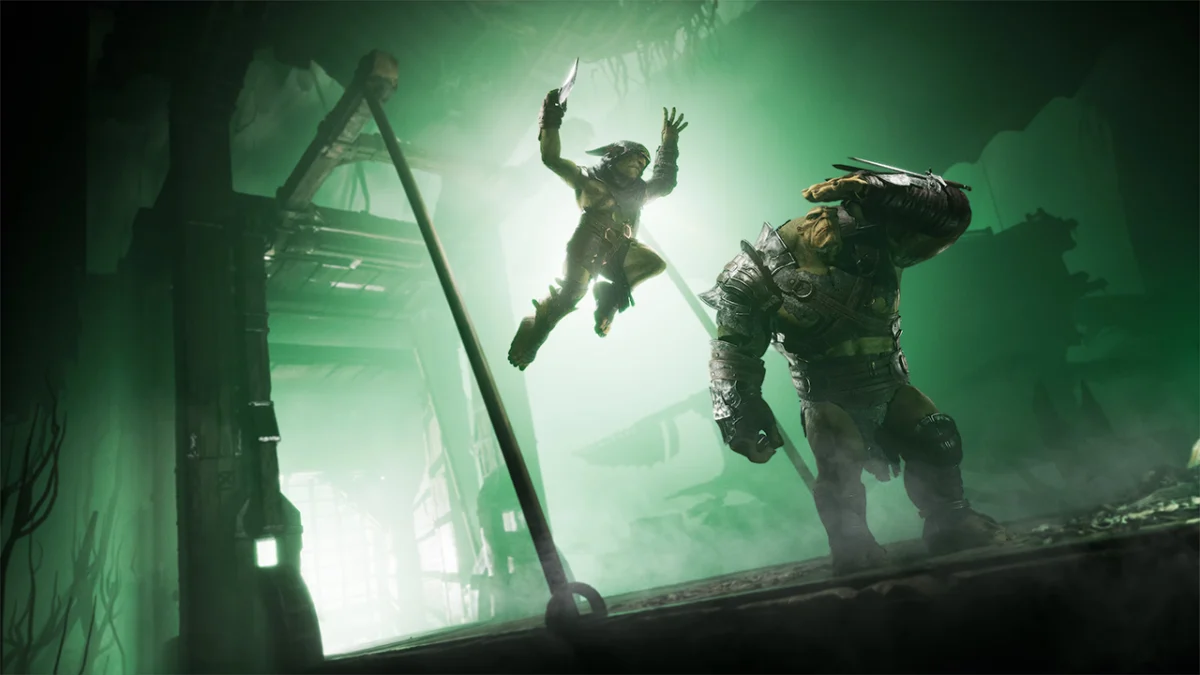
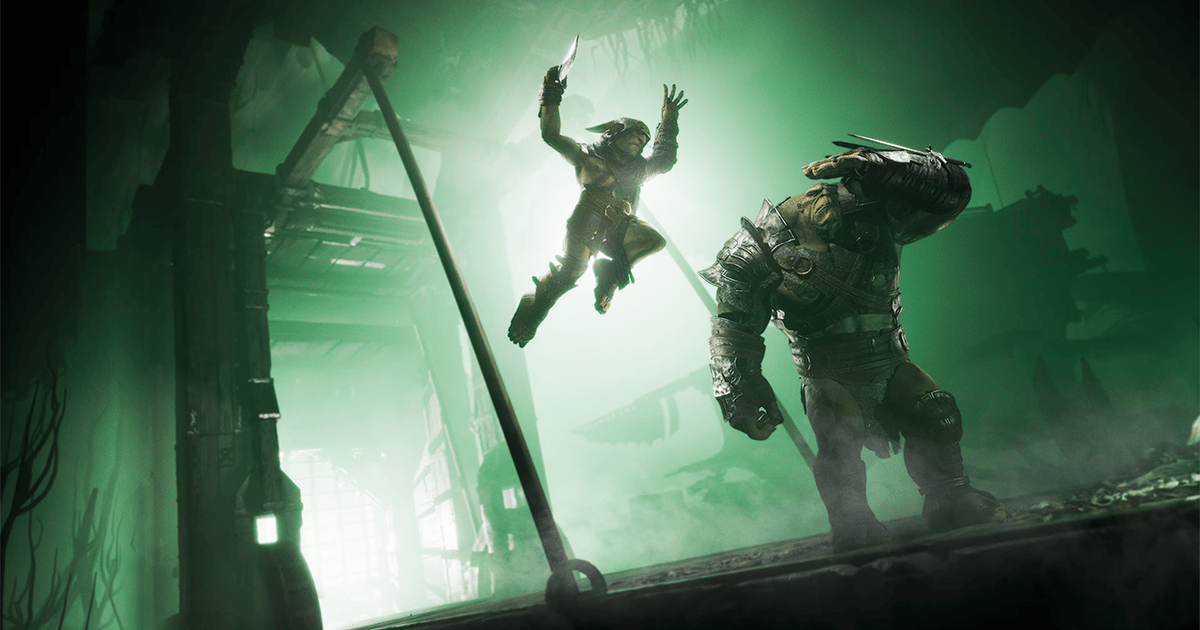
Cyanide, another prolific French studio, boasts a diverse development history spanning several genres and well-known franchises. Their work includes the stealth-horror series Styx, the tactical sports game Blood Bowl (based on the Warhammer fantasy universe), and narrative-driven titles like Call of Cthulhu. Cyanide’s ability to tackle varied projects, from strategy to RPGs and stealth, made it a versatile asset within the Nacon group.
In addition to these three development studios, Nacon Tech, a motion capture company owned by Nacon, has also sought judicial reorganization. Nacon Tech plays a crucial role in providing advanced animation and performance capture services for Nacon’s internal studios, making its insolvency a potential logistical challenge for ongoing and future game projects across the entire group.
Understanding French Judicial Reorganization Proceedings
The request for judicial reorganization proceedings, or "redressement judiciaire" under French law, is a legal mechanism designed to allow financially distressed companies an opportunity to restructure their debts and prevent immediate liquidation. This process typically involves several key stages:
- Opening of Proceedings: Upon filing and acceptance by the Commercial Court, an "observation period" begins. During this period, which can last up to 18 months, the company’s assets are frozen, and its liabilities are temporarily suspended. This provides a critical breathing room from creditors.
- Administrator Appointment: A judicial administrator is appointed to oversee the company’s operations and work with its management to develop a recovery plan. This administrator ensures that the company’s activities continue while the restructuring plan is formulated.
- Continuation Plan Development: The company, under the guidance of the administrator, must propose a "continuation plan" (plan de continuation). This plan outlines how the company intends to reorganize its operations, reduce costs, and restructure its debts to ensure its long-term viability. It typically involves negotiations with creditors to reschedule payments, reduce debt amounts, or convert debt into equity.
- Creditor Approval: The proposed continuation plan must be approved by the Commercial Court and often requires the consent of a majority of creditors.
- Execution and Monitoring: If approved, the plan is implemented and monitored by the court and the administrator for a specified period, typically several years.
The ultimate goal of judicial reorganization is to enable the company to recover its business, safeguard employment, and ultimately repay its creditors, albeit often under revised terms. However, if a viable continuation plan cannot be formulated or approved, the proceedings can lead to a "liquidation judiciaire," meaning the company’s assets are sold off to repay creditors, and the company ceases to exist.
Nacon’s Broader Financial Woes: A Chronology
The insolvency filings by Spiders, Kylotonn, Cyanide, and Nacon Tech are not isolated incidents but rather a direct consequence of the severe financial challenges that have plagued their parent company, Nacon.
February 2026: Nacon itself initiated judicial reorganization proceedings. The company, which is publicly listed, disclosed at the time that it had failed to partially repay a bond loan, triggering the need for a comprehensive debt restructuring. This initial filing sent shockwaves through the European gaming sector, as Nacon had been a prominent player in publishing and developing a wide array of titles.
In a note to investors published in February, Nacon articulated its intentions: "The aim of this procedure is to assess all possible solutions to ensure the sustainability of the Company’s activity under the best possible conditions, protect employees, and preserve jobs, while renegotiating with its creditors in a calm and constructive framework." The company committed to putting forward a "credible and effective" continuation plan.
This sequence of events suggests a concerted effort by the Nacon group to centralize and manage its financial distress. By extending the judicial reorganization umbrella to its key subsidiaries, Nacon aims to create a unified framework for renegotiating its overall debt burden and streamlining operations across the entire corporate structure. This strategy is likely intended to prevent a piecemeal collapse and to present a more coherent restructuring plan to its creditors and the court.
Background Context: Nacon’s Growth and Market Challenges
Nacon’s journey to becoming a major player in the European gaming market has been characterized by rapid expansion through strategic acquisitions. Over the past decade, the company aggressively grew its portfolio of development studios, aiming to diversify its intellectual properties and increase its internal development capabilities. This strategy saw it acquire studios like Spiders in 2019, Kylotonn in 2018, and Cyanide in 2012, alongside many others. By March 2026, Nacon employed over 1,000 workers across 25 subsidiaries, including 16 development studios.
This growth trajectory, however, came with significant financial commitments, including the bond loan that ultimately triggered its insolvency proceedings. Industry analysts have pointed to several factors that could have contributed to Nacon’s financial difficulties:
- Intense Market Competition: The video game industry is highly competitive, with increasing development costs for high-quality titles and fierce competition for player engagement and market share from larger publishers and independent developers alike.
- Economic Headwinds: Broader economic slowdowns, particularly in Europe, have likely impacted consumer spending on non-essential goods like video games. Inflationary pressures and rising interest rates can also increase the cost of doing business and servicing debt.
- Post-Pandemic Adjustment: While the gaming industry saw a boom during the COVID-19 pandemic, the post-pandemic period has seen a "correction" as people return to other forms of entertainment and discretionary spending shifts. Many companies that expanded rapidly during the boom have faced challenges in the subsequent slowdown.
- Project Performance: While studios like Spiders had successes like Greedfall, the overall commercial performance of Nacon’s diverse catalog might not have met expectations necessary to sustain its ambitious growth and debt obligations. Developing a large number of games across many studios is capital-intensive and carries inherent risks.
- Debt Management: The specifics of Nacon’s bond loan and its inability to meet repayment obligations highlight challenges in its financial management and capital structure.
Implications and Future Outlook
The insolvency filings by Nacon and its key studios carry profound implications for various stakeholders:
For Employees: The most immediate concern is for the hundreds of employees across Spiders, Kylotonn, Cyanide, and Nacon Tech. While judicial reorganization aims to preserve jobs, the restructuring process often involves layoffs or significant operational changes. The initial statement from Nacon emphasized "preserving jobs," but the reality of such a situation can be challenging for the workforce.
For Game Development and IPs: The future of ongoing projects, such as Greedfall II: The Dying World and Test Drive Unlimited Solar Crown, is now uncertain. Development could be paused, delayed, or even canceled depending on the outcome of the reorganization. Key intellectual properties like Greedfall, WRC, Styx, and Blood Bowl could face an uncertain future. While the studios technically continue to operate during the observation period, the focus shifts heavily towards financial viability rather than creative output. Creditors may push for the sale of certain IPs or studios as part of a restructuring plan.
For Investors and Creditors: Nacon’s publicly traded status means its shareholders have already felt the impact of the initial insolvency filing. The additional filings by its subsidiaries will likely further impact investor confidence. Creditors, including bondholders and suppliers, face the prospect of renegotiating terms, potentially accepting partial payments, or facing significant delays in recovering their funds. The success of the continuation plan hinges on their willingness to cooperate.
For the French and European Gaming Industry: Nacon’s situation serves as a stark reminder of the financial pressures even established publishers can face. It could lead to increased caution among investors in the mid-tier publishing space and potentially signal a period of consolidation or contraction within the European development scene. France has a vibrant gaming industry, and the struggles of a major player like Nacon are keenly felt across the ecosystem.
Potential Outcomes
The judicial reorganization process offers a spectrum of possible outcomes:
- Successful Restructuring: Nacon and its subsidiaries could successfully negotiate a continuation plan, restructure their debts, and emerge from the proceedings as leaner, more financially stable entities. This would likely involve significant operational changes, potential divestments of less profitable assets or IPs, and a revised strategic focus.
- Asset Sales/Divestment: As part of the restructuring, Nacon might be compelled to sell off some of its studios or intellectual properties to generate capital and repay creditors. This could see Spiders, Kylotonn, or Cyanide acquired by other publishers or become independent again, albeit under new financial terms.
- Liquidation: In the most severe scenario, if a viable continuation plan cannot be formulated or agreed upon, the court could order the liquidation of Nacon and its subsidiaries. This would result in the sale of all assets, the cessation of operations, and the permanent closure of the studios. While this is a last resort, it remains a possibility if recovery proves impossible.
As the judicial reorganization proceedings unfold over the coming months, the focus will be on the "credible and effective" continuation plan that Nacon has promised to present. The gaming community, industry observers, and financial markets will be closely watching to see how this complex financial challenge impacts one of Europe’s significant video game publishers and its valuable creative studios. The outcome will not only determine the fate of Nacon but also potentially influence the landscape of game development in the region for years to come.
About the Author