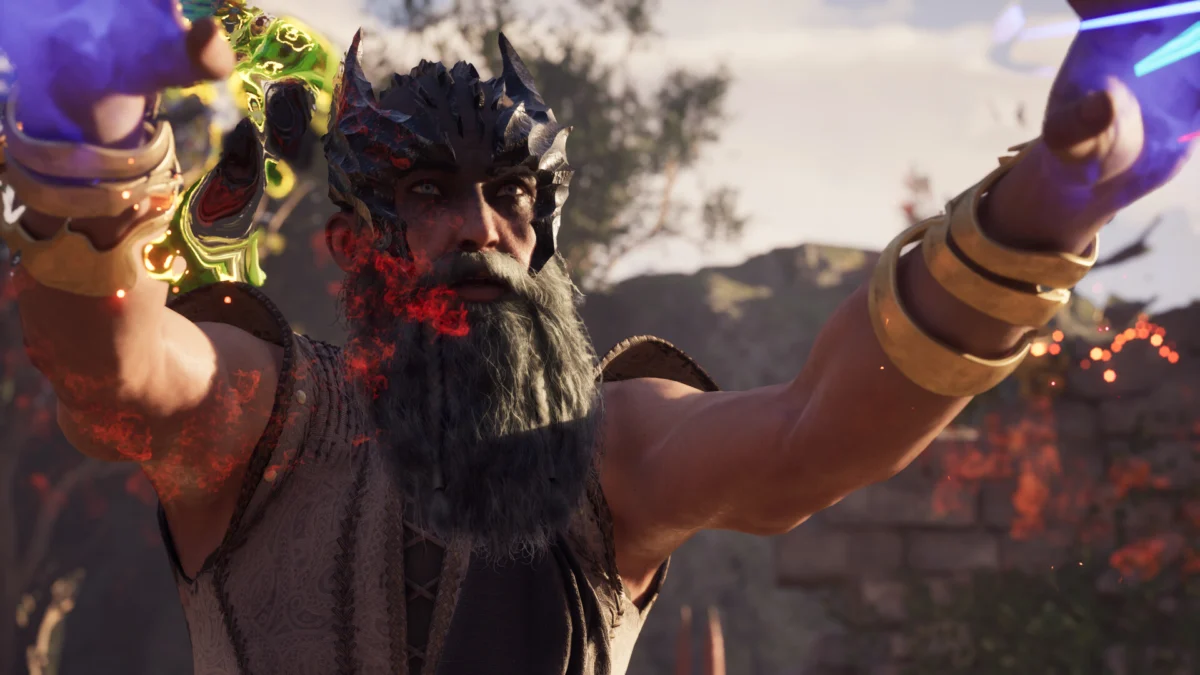
Obsidian Entertainment, the highly respected developer behind critically acclaimed titles such as The Outer Worlds, Grounded, Pentiment, and the eagerly anticipated Avowed, has been severely impacted by widespread job cuts as part of a major restructuring initiative within Xbox. Reports indicate that approximately one-quarter of the studio’s workforce, estimated to be between 60 and 70 roles, has been eliminated across various departments. These layoffs, described by some as an "Xbox reset," are part of a broader, phased reduction impacting thousands of employees across Microsoft’s gaming division, signaling a significant strategic pivot for the tech giant.
The initial wave of layoffs at Obsidian Entertainment has seen immediate terminations for some employees, while others have been informed they will be part of a subsequent round of cuts. An internal all-staff meeting is reportedly scheduled for the coming days to address the repercussions and provide further clarity to the remaining team members. A particularly concerning aspect highlighted by industry reports, including those from Kotaku, is the disproportionate impact on senior talent within the studio. Many of those affected possess over a decade of experience at Obsidian, including key figures such as the art director for The Outer Worlds and the studio’s sole recruiter. This loss of institutional knowledge and leadership experience raises questions about the long-term implications for project continuity and the studio’s creative trajectory.
The Immediate Impact on Obsidian Entertainment
The news of significant job losses at Obsidian Entertainment sends ripples through the gaming community, given the studio’s reputation for crafting deep, narrative-driven role-playing games and innovative experiences. Founded by veterans of Black Isle Studios, Obsidian has consistently delivered titles celebrated for their rich storytelling, complex character development, and player agency. Their portfolio includes cult classics like Fallout: New Vegas and Pillars of Eternity, alongside more recent successes such as the unique historical adventure Pentiment and the survival game Grounded.
The reduction of 60-70 roles, representing a substantial 25% of the studio, is an immediate blow to the development capabilities and morale at Obsidian. While the report indicates that work on the early access title Grounded 2 and previously announced DLC for The Outer Worlds 2 is still underway, the scale of these cuts introduces a considerable degree of uncertainty for other projects, most notably Avowed. Avowed, an ambitious first-person RPG set in the Pillars of Eternity universe, is one of Xbox’s most anticipated exclusives, and significant changes to its development team could have unforeseen consequences for its scope, timeline, and ultimate quality. The loss of senior artists, designers, and other crucial personnel often necessitates restructuring teams, reassigning responsibilities, and potentially re-evaluating project milestones, leading to delays or alterations in vision.
The Broader Xbox "Reset" and Strategic Re-evaluation
The layoffs at Obsidian are not an isolated incident but rather a component of a much larger, sweeping organizational change within Microsoft’s Xbox division. This "Xbox reset" commenced with an initial wave of 1,600 job cuts, with an additional 1,600 expected within the next year, totaling approximately 3,200 positions across the entire Xbox ecosystem. This vast reduction in workforce affects numerous studios under the Xbox Game Studios banner, including Double Fine Productions, Compulsion Games, Ninja Theory, and Undead Labs, among others.
The rationale behind these drastic measures was articulated by Xbox CEO Asha Sharma in an internal memo circulated at the beginning of the layoff period. Sharma’s note candidly described the business as "not healthy" and asserted that the cuts were a necessary course correction. She attributed the need for these adjustments to a failure of "big bets" placed on "Game Pass, multi-platform, and a broader portfolio of content" to pan out as expected. Furthermore, Sharma pointed to an industry "facing the most severe hardware crisis in its history," a statement that has sparked considerable debate regarding Microsoft’s own role in the challenges it faces.
This "reset" marks a significant departure from the aggressive expansionist strategy that characterized Xbox in recent years. Under the leadership of Phil Spencer, Xbox embarked on an ambitious acquisition spree, culminating in the monumental purchases of ZeniMax Media (parent company of Bethesda Softworks) for $7.5 billion in 2021 and Activision Blizzard for nearly $69 billion in 2023. These acquisitions were largely driven by the goal of bolstering Game Pass, Xbox’s subscription service, with a robust library of first-party titles and securing a dominant position in the evolving gaming landscape. The current layoffs, therefore, suggest a re-evaluation of the return on investment for these strategies and a move towards increased efficiency and profitability.
A Timeline of Xbox’s Strategic Shifts and Industry Headwinds
To fully understand the context of these layoffs, it’s crucial to trace the recent history of Xbox’s strategic moves and the broader industry environment:
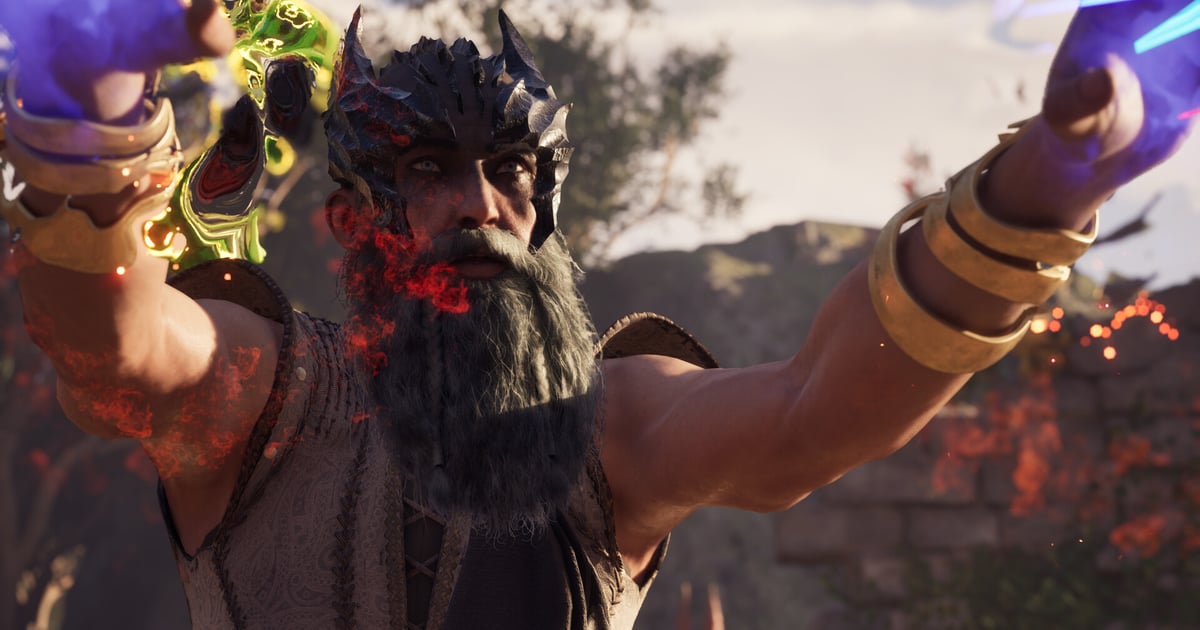
- 2017-2020: Expansion and Game Pass Push: Xbox begins to heavily invest in Game Pass, positioning it as the "Netflix of gaming." This period sees the acquisition of several smaller studios (e.g., Ninja Theory, Obsidian Entertainment, inXile Entertainment) to feed content into the service.
- September 2020: Microsoft announces the acquisition of ZeniMax Media/Bethesda Softworks for $7.5 billion, a landmark deal aimed at significantly boosting Xbox’s first-party content library.
- January 2022: Microsoft announces its intention to acquire Activision Blizzard for nearly $69 billion, a move that would make it the third-largest gaming company by revenue. This acquisition faced intense regulatory scrutiny globally, extending the process for nearly two years.
- Late 2022 – Early 2023: Beginning of Industry Layoff Trend: The gaming industry starts to experience widespread layoffs as companies adjust to post-pandemic market corrections, rising development costs, and economic uncertainties. Studios like Unity, Epic Games, Embracer Group, and even Microsoft itself (outside of gaming) begin to announce significant job cuts.
- October 2023: The acquisition of Activision Blizzard is finally completed after overcoming regulatory hurdles, further expanding Xbox’s studio count and intellectual property portfolio.
- Late 2023 – Early 2024: Escalation of Gaming Layoffs: The pace of layoffs across the gaming sector accelerates dramatically, affecting thousands of employees at companies like PlayStation, Riot Games, and Epic Games, among many others.
- Today (as reported): The Xbox "Reset": Microsoft initiates a massive round of layoffs across its Xbox gaming division, impacting 3,200 employees, including a significant portion of Obsidian Entertainment.
This chronology reveals a rapid shift from an aggressive growth and acquisition phase to a period of intense restructuring and cost-cutting, reflecting a broader recalibration within the tech and gaming industries.
The "Hardware Crisis" and Microsoft’s Complicity
Asha Sharma’s mention of an industry-wide "hardware crisis" warrants closer examination. While the global technology sector has indeed faced supply chain disruptions, particularly during and immediately after the COVID-19 pandemic, attributing the current challenges solely to external hardware issues may be an oversimplification. Microsoft, as a major player in both hardware (Xbox consoles) and software, has had its own strategic missteps and market conditions to contend with.
The Xbox Series X/S consoles, while powerful, have not achieved the market dominance of their primary competitor, the PlayStation 5. Factors contributing to this include a perceived lack of exclusive "system-seller" titles at launch, a strong focus on Game Pass which can disincentivize hardware purchases for some users (especially with cloud streaming options), and potentially less effective marketing compared to Sony. Furthermore, Microsoft’s decision to launch the less powerful Xbox Series S alongside the Series X, while offering a lower entry price, has also presented development challenges for studios aiming to optimize games across different hardware specifications.
The notion of a "hardware crisis" might also be interpreted as a reflection of the broader shift in consumer spending habits and the increasing dominance of mobile gaming. However, within the traditional console space, while supply chain issues for components like semiconductors have been a factor, a more holistic analysis would likely include market competition, console pricing strategies, and the perceived value proposition of the Xbox ecosystem itself. To suggest Microsoft is merely a victim of an external hardware crisis, without acknowledging potential internal strategic miscalculations, presents an incomplete picture.
Statements, Reactions, and Broader Implications
Beyond Asha Sharma’s internal memo, public reactions from impacted employees, industry analysts, and the wider gaming community paint a complex picture. LinkedIn posts from laid-off Obsidian employees, many expressing gratitude for their time at the studio but sadness over their departure, underscore the human cost of these corporate decisions. The fact that senior, long-tenured employees are among those cut indicates a deep structural change rather than merely trimming underperforming segments. The loss of an art director or the sole recruiter at a studio like Obsidian points to significant adjustments in pipeline management and future hiring strategies.
Industry analysts are likely to scrutinize these layoffs as a sign of financial strain or a fundamental shift in Xbox’s long-term strategy. The initial "big bets" on Game Pass and extensive acquisitions were predicated on a rapid expansion of subscriber numbers and market share. If these bets are indeed "failing to pan out," it suggests that the growth projections were overly optimistic, or that the cost of content acquisition and development is simply too high to sustain at the current scale. This could lead to a more conservative approach to future acquisitions, a re-evaluation of Game Pass pricing or content rollout, and a stronger emphasis on profitability over pure subscriber growth.
For the gaming community, these layoffs can erode confidence in the stability of beloved studios and the future of anticipated titles. While Xbox has affirmed that Grounded 2 and The Outer Worlds 2 DLC are still in production, the general uncertainty can dampen enthusiasm. The impact on developer morale across the entire Xbox Game Studios network is also a significant concern. Such large-scale job cuts can create an environment of fear and instability, potentially leading to a brain drain as talented individuals seek more secure opportunities elsewhere. This, in turn, could affect the creative output and innovation for which Xbox’s first-party studios are known.
The Future of Obsidian and Xbox Gaming
For Obsidian Entertainment, the immediate future will involve navigating the aftermath of these layoffs, reorganizing teams, and striving to maintain momentum on ongoing projects like Avowed. The studio has a resilient history, having faced challenges and changes in ownership before, but the scale of these cuts is unprecedented in its recent history. The quality and timely delivery of Avowed will be a critical test, both for Obsidian’s ability to adapt and for Xbox’s commitment to its first-party output following such a significant restructuring.
More broadly, the "Xbox reset" signifies a crucial juncture for Microsoft Gaming. The era of seemingly limitless expansion, fueled by massive acquisitions and an aggressive Game Pass strategy, appears to be yielding to a more disciplined, profitability-focused approach. This might mean fewer new studios, a more selective approach to game development, and potentially a greater emphasis on existing, proven franchises. The long-term success of this pivot will depend on Xbox’s ability to deliver high-quality, engaging experiences with a leaner operation, re-earn developer trust, and convince consumers that its revised strategy offers compelling value in an increasingly competitive and challenging industry landscape. The coming months will undoubtedly reveal the true extent of this "reset" and its lasting impact on the gaming world.
About the Author