Oxford Optical Labs (OOL), a specialized developer in adaptive optics, recently showcased its proprietary fluid lens technology at the Augmented World Expo (AWE) in Long Beach, California, offering a potential solution to one of the most persistent hardware challenges in the extended reality (XR) industry. The company’s innovation centers on a membrane-based lens system capable of altering its focal properties on demand, a development that could eliminate the need for static prescription inserts and pave the way for true varifocal headsets. Unlike traditional glass or plastic optics, OOL’s lenses utilize a fluid-filled membrane that responds to mechanical pressure to change its curvature, effectively mimicking the natural accommodative behavior of the human eye.

The Technical Foundation of Fluid Optics
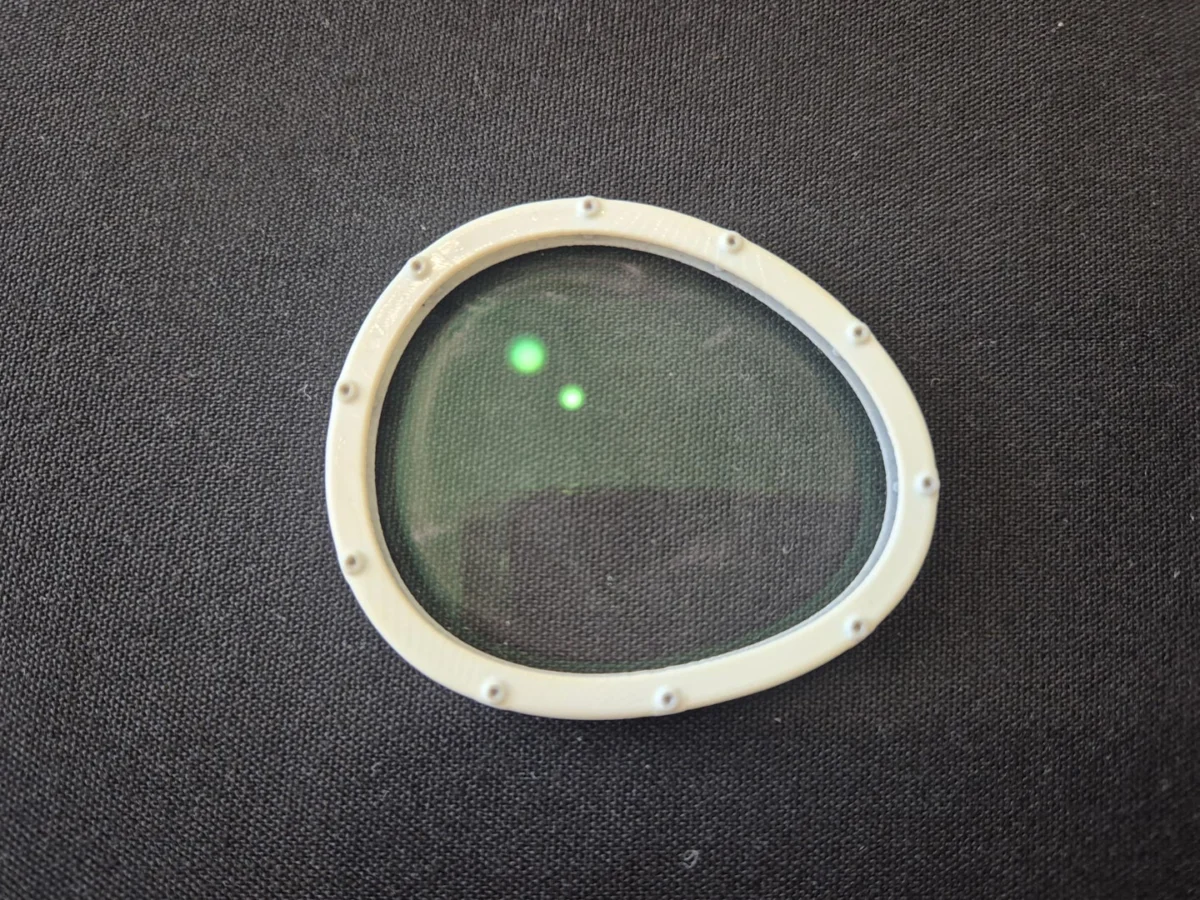
The core of the Oxford Optical Labs system is a lens composed of a rigid rear element and a flexible front membrane containing a specialized optical fluid. While previous iterations of adjustable lenses in the tech sector have often relied on liquid crystals or electro-active polymers, OOL has spent over two decades refining a mechanical pressure-based approach. By applying precise pressure to specific points on the lens periphery, the system can deform the membrane to correct for a wide range of refractive errors, including myopia (nearsightedness), presbyopia (age-related farsightedness), and astigmatism.
During the demonstrations at AWE, the company emphasized the durability and safety of the technology. Lab tests conducted by OOL indicate that these fluid-filled units can maintain their integrity for over 15 years, matching the lifespan of standard optical glass. Furthermore, the fluid utilized within the membrane is classified as non-toxic, addressing potential safety concerns regarding the proximity of the lenses to the user’s eyes in the event of a mechanical failure or impact.

Addressing the Vergence-Accommodation Conflict
The primary driver behind OOL’s development is the Vergence-Accommodation Conflict (VAC), a physiological issue that occurs when the brain receives mismatching cues regarding the distance of a virtual object. In current XR headsets, the display is set to a fixed focal plane, usually between 1.5 and 2.0 meters. While the user’s eyes "verge" (turn inward or outward) to look at objects at different distances, the "accommodation" (the physical focusing of the lens) remains fixed on the display. This discrepancy is a leading cause of eye strain, headaches, and nausea during prolonged VR and AR use.
By integrating fluid lenses that can change focus in real-time, headset manufacturers could theoretically align the focal plane with the virtual object the user is viewing. OOL’s data suggests that their lenses can transition between focal states in approximately 70 milliseconds. This speed is critical because it falls within the window of a human saccade—the rapid movement of the eye between fixation points—which typically lasts upwards of 100 milliseconds. During a saccade, the brain temporarily suppresses visual processing, providing a "blank" interval during which the lens can adjust its parameters without the user perceiving the shift.

Impact on Visual Fidelity and Resolution
One of the more significant data points presented by Oxford Optical Labs at AWE involves the impact of uncorrected astigmatism on perceived resolution. The company noted that even a minor astigmatism of 0.5 diopters can significantly degrade the user experience. In a headset like the Meta Quest 3, which offers approximately 25 Pixels Per Degree (PPD), uncorrected astigmatism can reduce the perceived resolution to as low as 13 PPD. This effectively nullifies the hardware advancements made in display density.
OOL’s technology seeks to solve this by allowing for high-precision correction of astigmatism through complex pressure patterns applied to the lens membrane. This capability would ensure that users with refractive errors can experience the full rated resolution of their hardware without the friction of purchasing and installing third-party prescription lens inserts.

A Strategic Three-Phase Roadmap
Oxford Optical Labs has outlined a pragmatic three-step plan to integrate its technology into the broader XR ecosystem:
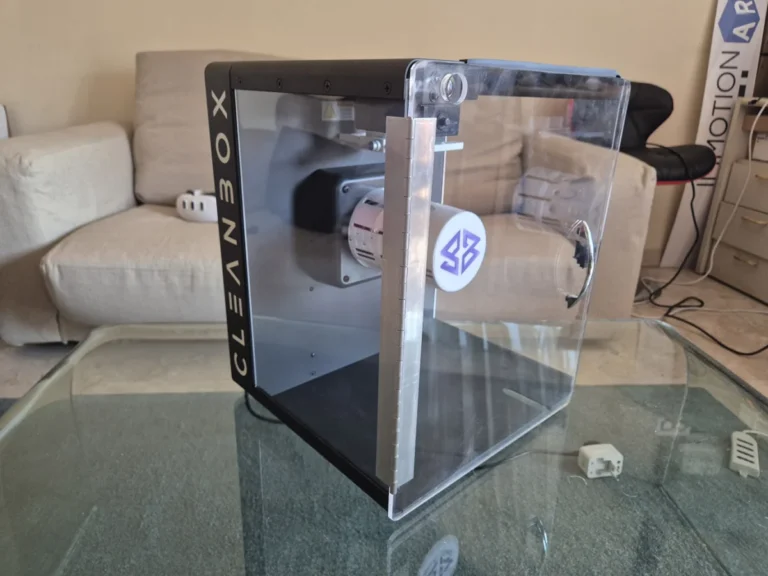
- Location-Based Entertainment (LBE) and Museums: The initial application focuses on external add-ons for headsets used in public venues. Rather than stocking dozens of different prescription inserts, a venue could use a single pair of OOL lenses. A dedicated "reader" machine would scan a visitor’s personal eyeglasses and instantly configure the fluid lenses to match that specific prescription via a motorized adjustment system.
- OEM Integration for Customization: The second phase involves partnering with hardware manufacturers like Meta, Pico, or Apple to build these lenses directly into consumer headsets. Users could calibrate their own prescription during the initial setup process, potentially through a software-guided interface or a small docking station, eliminating the aftermarket for prescription VR inserts.
- Full Varifocal Implementation: The final and most ambitious stage is the creation of a dynamic varifocal system. This would require the integration of high-speed eye-tracking technology to determine exactly where a user is looking in 3D space. The system would then signal the fluid lenses to adjust the focal plane instantaneously, solving the VAC issue entirely.
Prototype Performance and Industry Context
At the Long Beach event, OOL demonstrated a manual varifocal AR display prototype. The system utilized a dual-lens architecture per eye: one lens to adjust the focus of the virtual waveguide display and a second lens to counteract any distortion of the real-world environment. This "undoing" of the optical shift ensures that while virtual labels on a close-up object appear in focus, the background remains naturally blurred or sharp as intended.

While the prototype was housed in a bulky laboratory-style casing and produced audible mechanical noise during focal shifts, it successfully demonstrated the ability to bring virtual labels into focus at varying distances—a feat currently impossible with fixed-focus AR glasses.
The pursuit of varifocal optics is not unique to OOL; Meta’s Reality Labs has famously explored this through its "Half-Dome" prototypes, which used mechanically moving displays and liquid crystal lenses. However, OOL’s pressure-based fluid membrane offers a distinct alternative that may prove more robust or cost-effective for mass production.

Future Outlook and Challenges
Despite the promise of the technology, significant hurdles remain before fluid lenses become a standard feature in consumer electronics. Moving from a lab-grade prototype to a miniaturized, silent, and affordable component requires substantial capital and deep integration with eye-tracking software providers. Additionally, the industry must decide between mechanical fluid systems and emerging electro-active materials that can change refractive index via electrical current without physical deformation.
Nevertheless, the 20 years of research backing Oxford Optical Labs provides a strong foundation. As the XR industry shifts its focus toward "all-day wearable" AR glasses and high-fidelity VR productivity tools, the demand for optics that can accommodate the complexities of human vision will only intensify. OOL’s presence at AWE 2024 signals that the transition from static to dynamic optics is moving closer to commercial reality, promising a future where digital and physical focus are finally in sync.
About the Author