New York City, NY – A prominent philanthropist, speaking today at the historic Cooper Union’s Great Hall alongside Lieutenant Colonel Alexander Vindman, unveiled a sweeping initiative aimed at redefining and revitalizing the American Dream for all citizens. The announcement included an immediate $8 million in donations to various non-profit organizations, an additional $4 million for critical internet infrastructure, and a pledge of half the family’s remaining wealth over the next five years to establish a long-term Guaranteed Minimum Income (GMI) program targeting impoverished rural communities across the United States. This multi-faceted "Pledge to Share the American Dream" seeks to combat pervasive economic insecurity and wealth concentration, which the speaker characterized as ushering in a "second Gilded Age."
The event, held in a venue renowned for hosting transformative speeches by figures like Abraham Lincoln and Susan B. Anthony, underscored the initiative’s profound civic aspirations. Lieutenant Colonel Alexander Vindman, known for his principled stand in defense of democratic institutions, lent further weight to the discourse, emphasizing the deep connection between individual opportunity and national resilience. The speech, drawing from an essay titled “Stay Gold, America,” articulated a vision where the American Dream is not merely an individual pursuit but a collective endeavor, incomplete until shared with all fellow Americans.
Redefining the American Dream in the 21st Century

The core of the address revolved around a re-examination of the American Dream, a concept first articulated by James Truslow Adams in 1931 amidst the throes of the Great Depression. Adams defined it as "a land in which life should be better and richer and fuller for everyone, with opportunity for each according to ability or achievement… not a dream of motor cars and high wages merely, but a dream of social order in which [everyone] shall be able to attain to the fullest stature of which they are innately capable, and be recognized by others for what they are, regardless of the fortuitous circumstances of birth or position." The speaker emphasized that contemporary society has strayed from this inclusive ideal, necessitating a renewed commitment to its foundational principles.
The inspiration for the essay "Stay Gold, America" stemmed from a personal quest to understand the shared elements of the American Dream among diverse Americans and to make sense of current national challenges. The phrase "stay gold" resonated deeply with the speaker after attending a high school production of S.E. Hinton’s "The Outsiders," symbolizing the imperative to retain youthful ideals and, crucially, to share the dream. This act of sharing, it was argued, represents the ultimate realization of the dream’s true meaning.
Immediate Impact: Multi-Million Dollar Philanthropic Contributions
As the first phase of the "Pledge to Share the American Dream," the speaker’s family immediately committed $8 million in $1 million donations to eight distinct non-profit organizations. These beneficiaries represent a broad spectrum of critical social needs:

- Team Rubicon: Dedicated to disaster relief, leveraging the skills of military veterans.
- Children’s Hunger Fund: Providing nourishing food and resources to impoverished children.
- PEN America: Championing free expression and literary culture.
- The Trevor Project: Offering crisis intervention and suicide prevention services to LGBTQ+ youth.
- NAACP Legal Defense and Educational Fund: Working for racial justice and equality through legal advocacy.
- First Generation Investors: Empowering high school students in underserved communities with financial literacy.
- Global Refuge: Supporting refugees and asylum seekers in rebuilding their lives.
- Planned Parenthood: Delivering vital reproductive healthcare and education.
Beyond these social welfare initiatives, an additional $4 million in $1 million donations was allocated to reinforce America’s technical infrastructure. This included contributions to Wikipedia, The Internet Archive, The Common Crawl Foundation, Let’s Encrypt, pioneering independent internet journalism, and several crucial open-source software infrastructure projects. These donations underscore a commitment to information accessibility, digital preservation, and the fundamental infrastructure that underpins modern communication and innovation. The speaker encouraged all Americans to contribute to organizations effectively assisting those in need, emphasizing collective responsibility.
The "Second Gilded Age": A Crisis of Wealth Concentration
The address then pivoted to a stark assessment of current economic realities, drawing parallels to a contentious period in American history. The speaker expressed long-standing concern over wealth concentration, citing a 2012 video by Politizane that vividly illustrated the escalating disparity. This concern culminated in the assertion that as of January 2025, the United States has entered an unprecedented era of wealth concentration, surpassing even the original Gilded Age of the late 19th century.
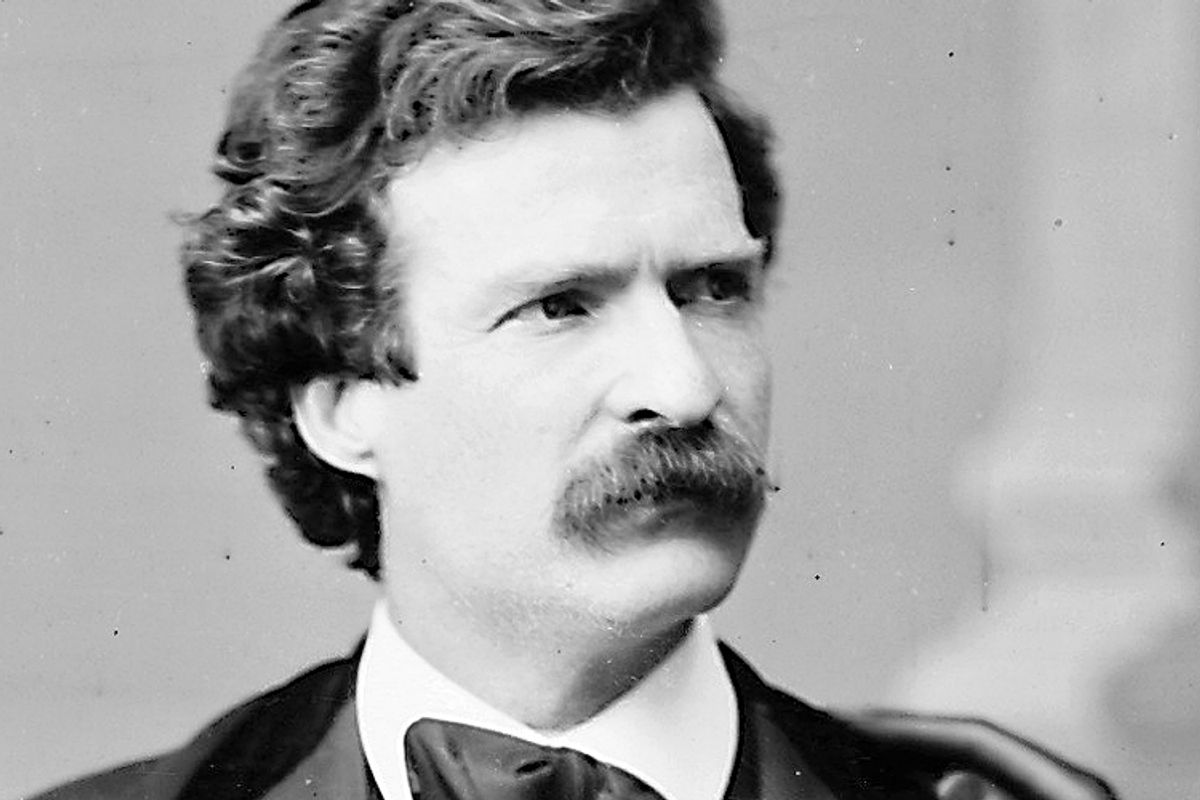
The original Gilded Age, a term coined by Mark Twain, was characterized by rapid industrialization, immense wealth accumulation by a few, and severe social inequality. This period saw violent labor disputes, such as the Homestead Strike of 1892, and hazardous working conditions where profit often superseded worker safety. Data from 2021 indicates that the top 1% of households controlled 32% of all wealth, while the bottom 50% held a mere 2.6%. The speaker contended that this concentration has only intensified in the subsequent four years, warranting the distinction of "The First Gilded Age" for the historical period and "The Second Gilded Age" for the present.
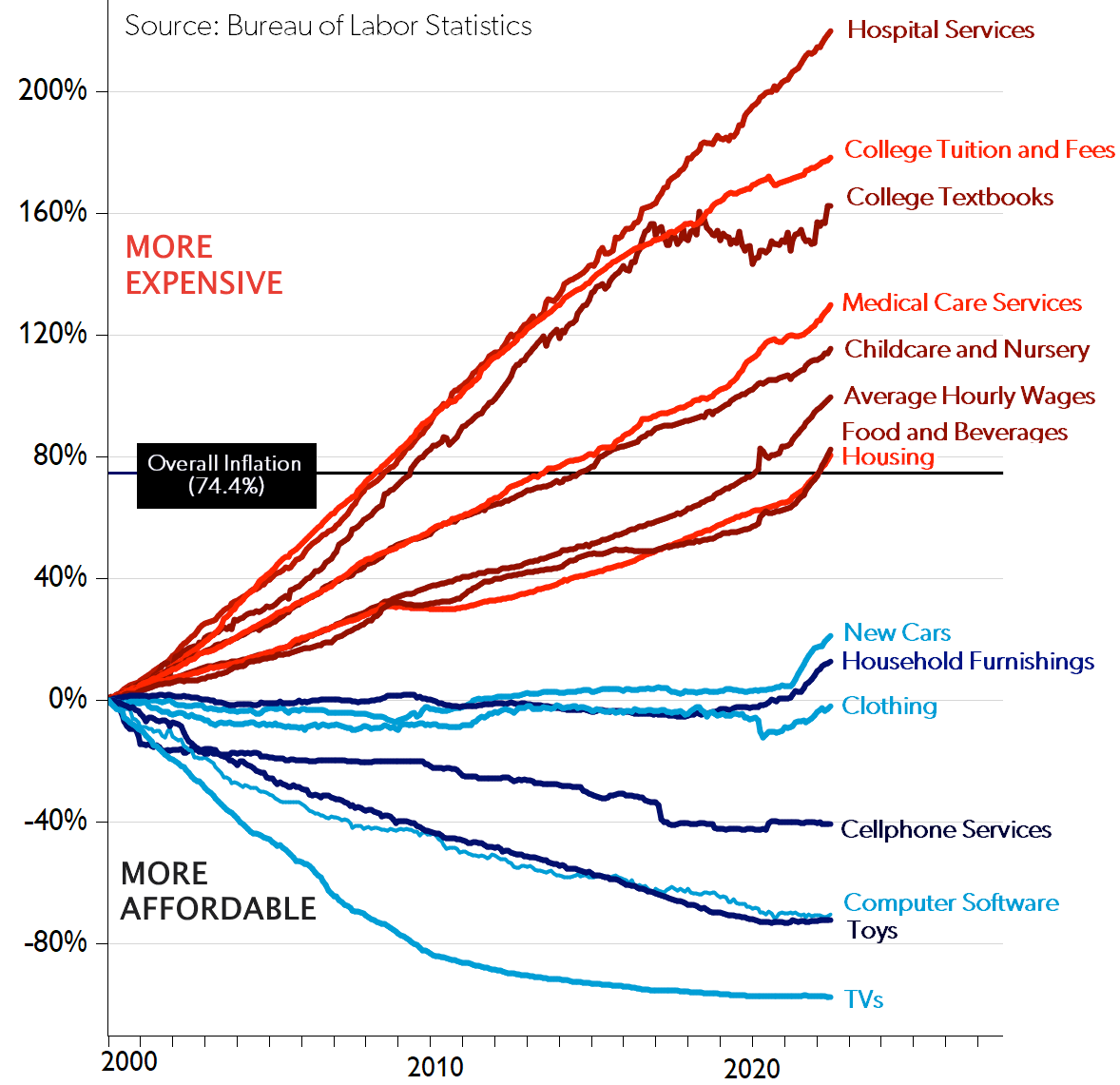
In this contemporary "second Gilded Age," pathways to the American Dream are increasingly obstructed. Unaffordable education, lack of accessible healthcare, and a scarcity of affordable housing trap many Americans in cycles of debt and instability. The pursuit of happiness, a core tenet of the Declaration of Independence, has become an arduous, often unattainable task for a significant portion of the population. The speaker lamented that fundamental opportunities—to build careers, pursue education, start businesses, or even choose family planning—are denied, representing "a profound betrayal of everything we ever dreamed about."
A Path Less Traveled: The Promise of Guaranteed Minimum Income
Recognizing that short-term fixes are insufficient, the "Pledge to Share the American Dream" outlined a more ambitious, long-term strategy: a commitment of half the family’s remaining wealth over the next five years to seed foundational efforts ensuring fair access to the American Dream. The central proposal for this ambitious second act is the implementation of a Guaranteed Minimum Income (GMI) in America’s poorest rural areas.
This concept, though seemingly radical to some, is rooted in a long American tradition of addressing economic insecurity. The speaker highlighted historical precedents:
- 1797: Thomas Paine proposed a retirement pension funded by estate taxes, planting an early seed for social welfare.
- 1935: The Social Security Act, a cornerstone of Franklin Roosevelt’s New Deal, was enacted, providing guaranteed income for retirees. Before its implementation, half of seniors lived in poverty; today, that figure is approximately 10%.
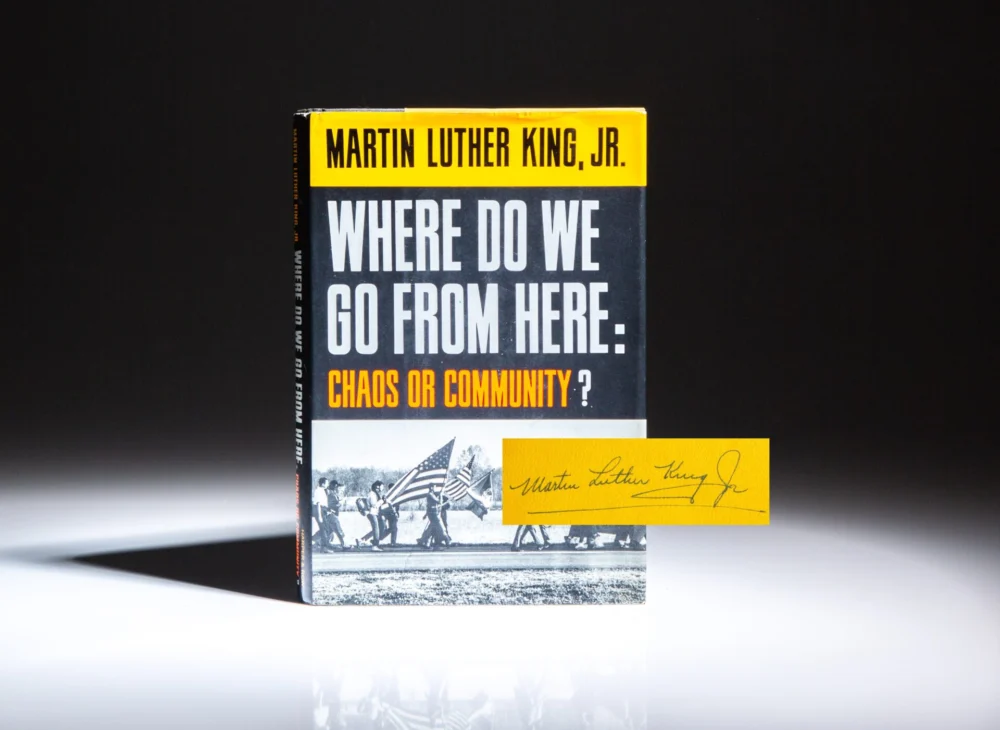
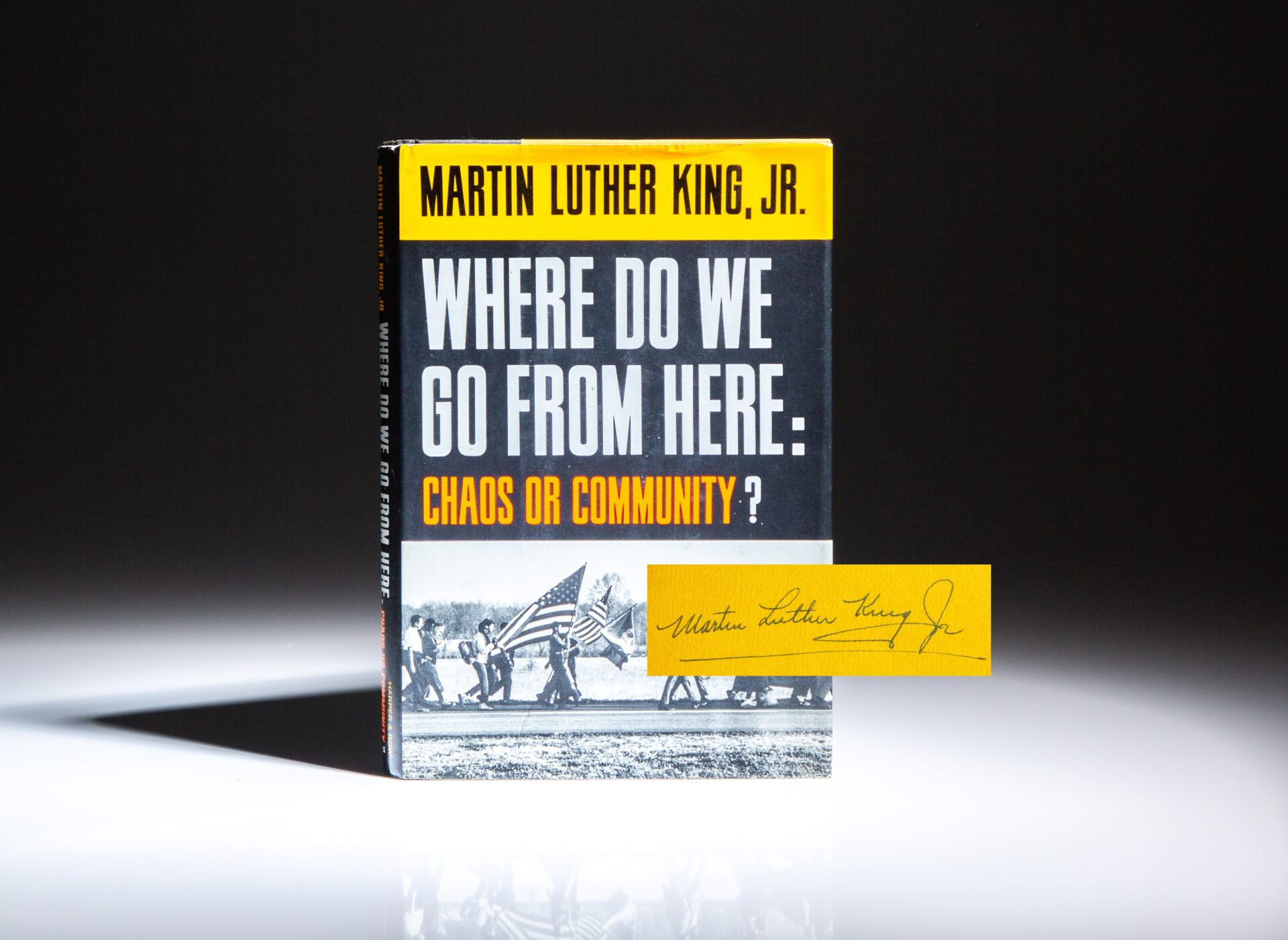
- 1967: Martin Luther King Jr., in "Where Do We Go From Here: Chaos or Community," made a powerful moral case for a form of Universal Basic Income (UBI), arguing that direct cash disbursements were the simplest and most effective way to combat poverty.
- 1972: Congress established the Supplemental Security Income (SSI) program, providing direct cash assistance to low-income elderly, blind, and disabled individuals for essential needs like food, housing, and medical expenses. As of January 2025, over 7.3 million people receive SSI benefits.
- 1975: The Earned Income Tax Credit (EITC) was introduced, a refundable tax credit that boosts the income of low-wage working families with children. In 2023, it lifted an estimated 6.4 million people, including 3.4 million children, out of poverty, making it the second most effective anti-poverty tool after Social Security.
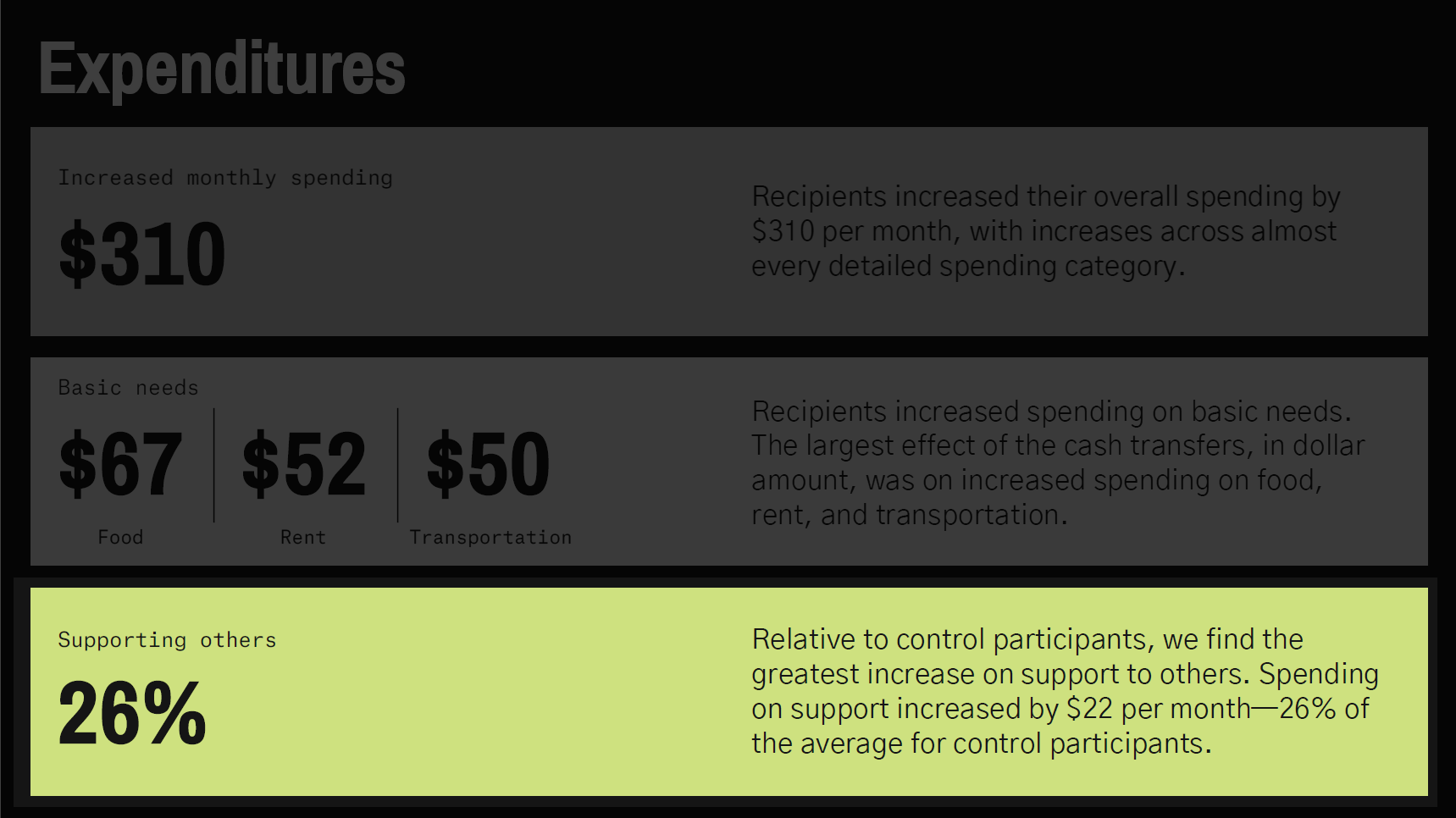
- 2019: Inspired by MLK Jr.’s vision, then-Mayor Michael Tubbs launched the Stockton Economic Empowerment Demonstration (SEED), a $3 million program that provided 125 residents with $500 per month in unconditional cash payments for two years. The study found significant improvements in recipients’ financial stability, full-time employment rates, and overall well-being.
Echoing Robert Frost’s poem "The Road Not Taken," the speaker positioned GMI as "the path less travelled by" – a simpler, more practical, and scalable approach to directly address the root of economic insecurity with minimal bureaucracy.
A New Rural GMI Initiative: Data-Driven and Community-Focused
To launch this ambitious GMI initiative, the speaker’s family is partnering with two leading organizations in the field: GiveDirectly, known for overseeing the most GMI studies in the United States, and OpenResearch, which completed the largest and most detailed GMI study in the country in 2023. This collaboration aims to implement new GMI programs specifically in rural American communities.
The focus on rural areas is strategic, addressing consistently higher poverty rates, fewer job opportunities, lower wages, and limited access to healthcare and education in these regions. The speaker cited examples like Appalachia, the Mississippi Delta, and American Indian reservations, where counties like Oglala Lakota, SD (55.8% poverty rate) and McDowell, WV (37.6% poverty rate) endure extreme levels of poverty. Urban counties, by contrast, rarely experience such high numbers. The data from the US Census and USDA Economic Research Service unequivocally demonstrates that being rural exacerbates the challenge of escaping poverty in America.
Moreover, rural areas offer smaller populations, facilitating tightly controlled studies that can be carefully scaled and refined for larger implementation. The goal is to build a robust body of scientific data demonstrating GMI’s tangible improvements in the lives and communities of fellow Americans. The initial plan involves targeting specific counties with which the speaker has a personal connection, areas that have remained in poverty for decades.
The initiative will be deeply integrated with existing local structures. Partnerships with local groups, churches, civic organizations, community colleges, and businesses will ensure GMI studies are coordinated with existing support systems. Crucially, veterans will be engaged to support and execute GMI programs, leveraging their leadership skills and commitment to community service. Participants will be enrolled in opt-in studies, receiving outreach and mentorship.
GiveDirectly and OpenResearch will lead the data collection, measuring impacts on employment, entrepreneurship, education, health, and community engagement. Regular interviews with participants will provide qualitative insights, fostering a collaborative approach to program refinement: "How is this working for you? How can we make it better? You tell us. How can we make it better together?"
Economic Security as the Bedrock of Democracy
The speaker underscored that economic security is not merely about individual well-being but serves as the fundamental bedrock of democracy. Providing people with a stable foundation—freedom from constant worry about food, housing, and healthcare—grants them "room to breathe." This freedom empowers them to raise children, start businesses, choose their work, volunteer, and crucially, exercise their right to vote meaningfully.
This endeavor transcends political ideology or governmental mandates; it is presented as a collective American investment in the future, potentially unlocking human potential on an unprecedented scale. The speaker cited extensive study data demonstrating the transformative power of even a small amount of money for those in poverty, enabling them to move beyond mere survival and realize their inherent capabilities. GMI is envisioned as a long-term investment in the aspirational America articulated in the Declaration of Independence, reflecting a democracy designed to be malleable and capable of improvement.
A Call to Activism: The Legacy of Aaron Swartz
The address concluded with a poignant reference to Aaron Swartz, a precocious programmer and activist who co-developed RSS web feeds, co-founded Reddit, and collaborated on Creative Commons. Swartz used technology to advocate for universal information access, famously downloading public domain court documents from PACER and academic articles from JSTOR, believing taxpayer-funded research should be freely available.
His actions, while viewed by many as a commitment to academic freedom and information equality, led to his arrest in January 2011 and aggressive felony prosecution, despite JSTOR declining to pursue charges. Facing overwhelming legal pressure and the prospect of a decades-long prison sentence, Swartz tragically took his own life at age 26. His death sparked widespread criticism of prosecutorial overreach and galvanized discussions about open access to information. Eight days later, a standing-room-only memorial service was held in the very hall where today’s speech was delivered, praising Swartz’s dedication to the public good.
The speaker invoked Swartz’s example as a call to action: "Aaron pursued what was right for we, the people. He chose to build the public good despite knowing there would be risks. He chose to be an activist. I think we should all choose to be activists, to be brave, to stand up for our defining American principles."
The address concluded with a direct appeal: "My family is committing 50 million dollars to this endeavor, but imagine if we had even more to share. Imagine how much more we could do, if we build this together, starting today. Decades from now, people will look back and wonder why it took us so long to share our dream of a better, richer, and fuller life with our fellow Americans. I hope you join us on this grand experiment to share our American Dream. I believe everyone deserves a fair chance at what was promised when we founded this nation: Life, Liberty, and the pursuit of The American Dream."
Implications and Broader Impact
This substantial private philanthropic commitment to GMI marks a significant development in the national conversation surrounding economic inequality and poverty alleviation. By leveraging private wealth for large-scale, data-driven GMI experiments in targeted rural communities, the initiative aims to build a robust evidence base that could influence future public policy debates. The focus on rural areas, often overlooked in urban-centric policy discussions, also highlights a critical demographic in need.
The explicit linkage between GMI, the American Dream, and the foundational values of the nation, articulated in a historic venue and supported by a figure like Lt. Col. Vindman, positions the initiative not merely as an economic program but as a moral imperative for national renewal. Its success or challenges will undoubtedly contribute to the ongoing discourse among economists, policymakers, and the public regarding the efficacy and scalability of direct cash transfers as a tool for fostering economic security and opportunity in the 21st century.
About the Author