A prominent philanthropist today unveiled a sweeping initiative aimed at redefining and revitalizing the American Dream for a new generation, announcing a $50 million commitment and advocating for a nationwide expansion of Guaranteed Minimum Income (GMI) programs. The announcement was made during a significant address at Cooper Union’s Great Hall in New York City, where the speaker was joined by Lieutenant Colonel Alexander Vindman to discuss the urgent need to address growing economic disparities and ensure equitable access to opportunity. The comprehensive "Pledge to Share the American Dream" outlines both immediate philanthropic contributions to critical non-profits and a long-term strategy centered on evidence-based GMI pilot programs in underserved rural communities.
Reimagining the American Dream in a Divided Era
The core of today’s announcement stems from a deep concern regarding the contemporary relevance of the American Dream, a concept first articulated by James Truslow Adams in 1931. Adams defined it as "a land in which life should be better and richer and fuller for everyone, with opportunity for each according to ability or achievement… not a dream of motor cars and high wages merely, but a dream of social order in which [everyone] shall be able to attain to the fullest stature of which they are innately capable, and be recognized by others for what they are, regardless of the fortuitous circumstances of birth or position." This foundational vision, emphasizing inherent human potential and societal recognition over material wealth, served as the guiding principle for the philanthropist’s extensive research and subsequent call to action.

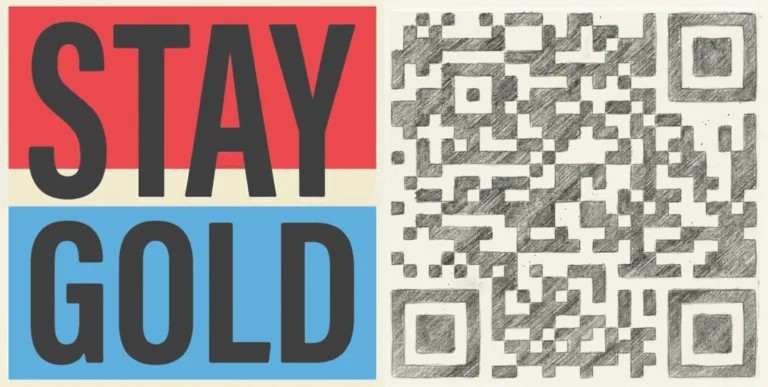
The speaker revealed that a personal quest to understand the current meaning of the American Dream for ordinary citizens, initiated through widespread outreach via a personal blog, culminated in a profound realization. Attending a high school production of S.E. Hinton’s "The Outsiders" prompted an epiphany regarding the iconic phrase "stay gold." Far from simply retaining youthful innocence, the phrase, in this context, came to signify the crucial act of sharing the American Dream. This insight became the bedrock of a comprehensive essay, "Stay Gold, America," published on January 7th, which included the initial "Pledge to Share the American Dream." The essence of this revelation is that the dream remains incomplete, and its promise unfulfilled, until it is genuinely accessible and shared by all Americans.
Immediate Impact: $16 Million in Strategic Donations
As the initial phase of the "Pledge to Share the American Dream," the family has made eight $1 million donations, totaling $8 million, to a diverse array of nonprofit organizations addressing immediate societal needs. These recipients include Team Rubicon (disaster relief), Children’s Hunger Fund (food security), PEN America (free expression), The Trevor Project (LGBTQ+ youth crisis intervention), NAACP Legal Defense and Educational Fund (racial justice), First Generation Investors (financial literacy), Global Refuge (refugee support), and Planned Parenthood (reproductive healthcare).
Beyond direct social services, an additional $8 million has been allocated to strengthen America’s vital technical infrastructure. This includes significant contributions to Wikipedia, The Internet Archive, The Common Crawl Foundation, and Let’s Encrypt, alongside investments in pioneering independent internet journalism and crucial open-source software projects. These donations underscore a belief in the necessity of a robust, open, and accessible digital commons for information sharing and societal progress. The philanthropist encouraged all Americans to consider contributing to organizations that effectively support those in need, emphasizing that collective action is paramount.

The Looming Shadow of the Second Gilded Age
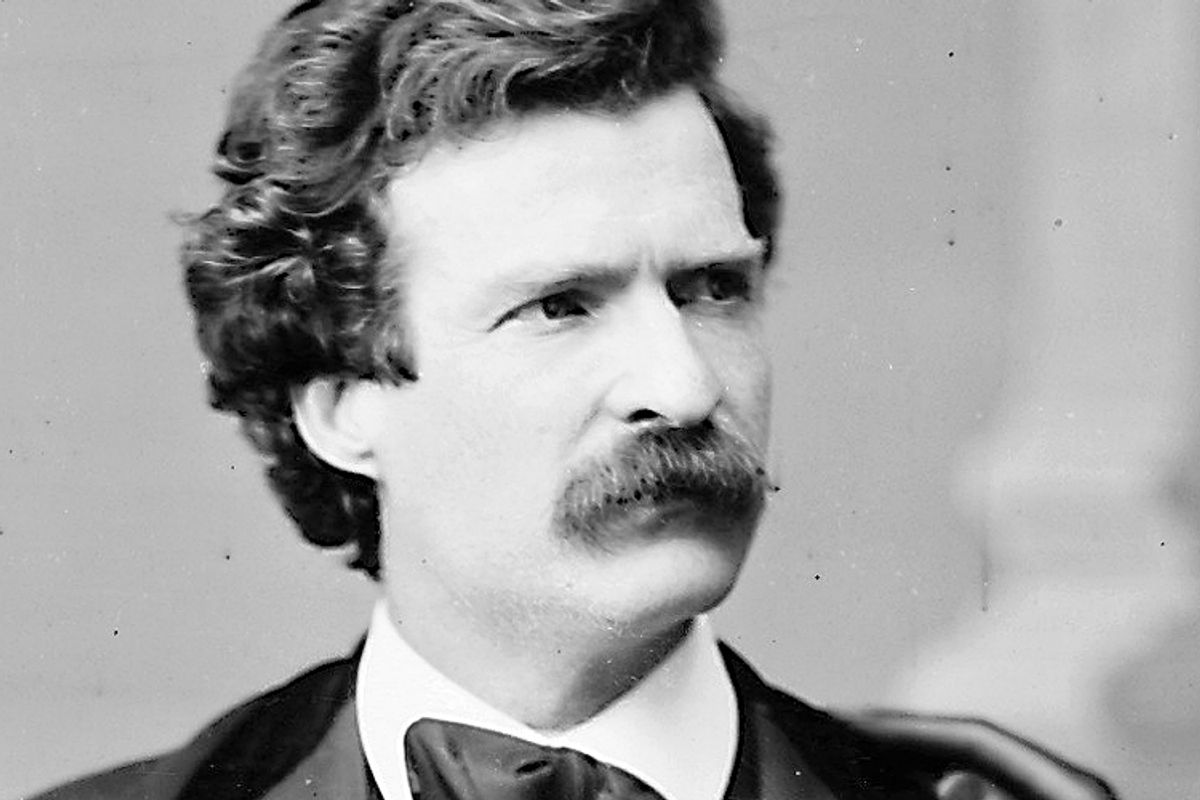
The impetus for this ambitious initiative is deeply rooted in a growing concern over escalating wealth concentration in the United States, a trend drawing stark parallels to a bygone era. The speaker highlighted a 2012 video illustrating extreme wealth disparities, prompting a dive into historical context. The term "Gilded Age," coined by historians in the 1920s in reference to Mark Twain’s 1873 novel, describes the late 19th century—a period characterized by rapid industrialization, immense wealth accumulation by a few, and widespread poverty, dangerous working conditions, and social unrest for many. Events like the Homestead Strike of 1892, where deadly confrontations erupted between striking workers and Pinkerton guards, serve as grim reminders of the era’s severe social tensions.
Current data suggests that America has not merely returned to Gilded Age levels of inequality but has surpassed them. As of 2021, the top 1% of households controlled 32% of all wealth, while the bottom 50% collectively held a mere 2.6%. The speaker asserted that, as of January 2025, the nation has entered a period of wealth concentration unprecedented in American history, necessitating a renaming of the historical period: "The First Gilded Age" for the 1800s, and "The Second Gilded Age" for today.
This deepening divide is depicted as a profound betrayal of the American promise. When access to affordable education, healthcare, and housing becomes unattainable, individuals are not merely disadvantaged but fundamentally trapped. Burdened by debt and lacking a stable foundation, they are denied the freedom to pursue careers, acquire new skills, start businesses, or even make fundamental life choices regarding family and community. The "pursuit of happiness," enshrined in the Declaration of Independence, has become an "endless task for too many," raising critical questions about the purpose of a dream unshared and values easily relinquished.
Guaranteed Minimum Income: A Path Less Traveled
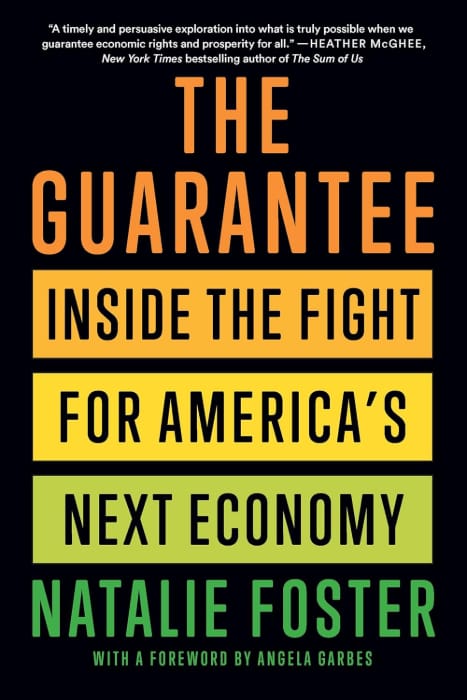
Acknowledging the complexity of these challenges, the philanthropist proposed a long-term solution: the widespread implementation of a Guaranteed Minimum Income (GMI). Championed by Natalie Foster, co-founder of the Economic Security Project, GMI is presented as a practical, scalable approach to directly address economic insecurity and unlock "vast amounts of untapped American potential." The concept, while seemingly novel to some, has a rich historical lineage within American discourse and policy.
- 1797: Thomas Paine, a Founding Father, proposed a retirement pension funded by estate taxes, an early seed for guaranteed income.
- 1935: The Social Security Act, a cornerstone of Franklin Roosevelt’s New Deal, emerged from the Great Depression’s chaos. It provided guaranteed income for retirees, dramatically reducing senior poverty from 50% to 10% today.
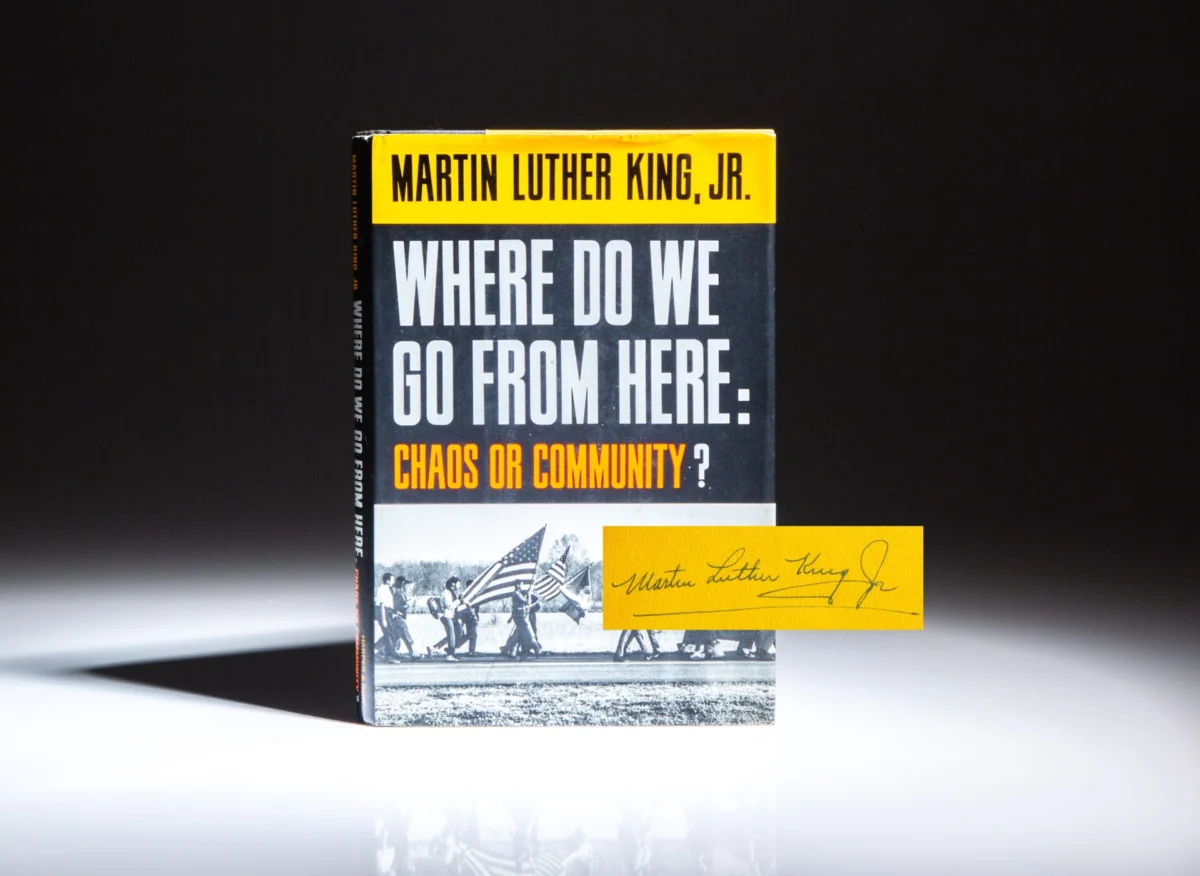
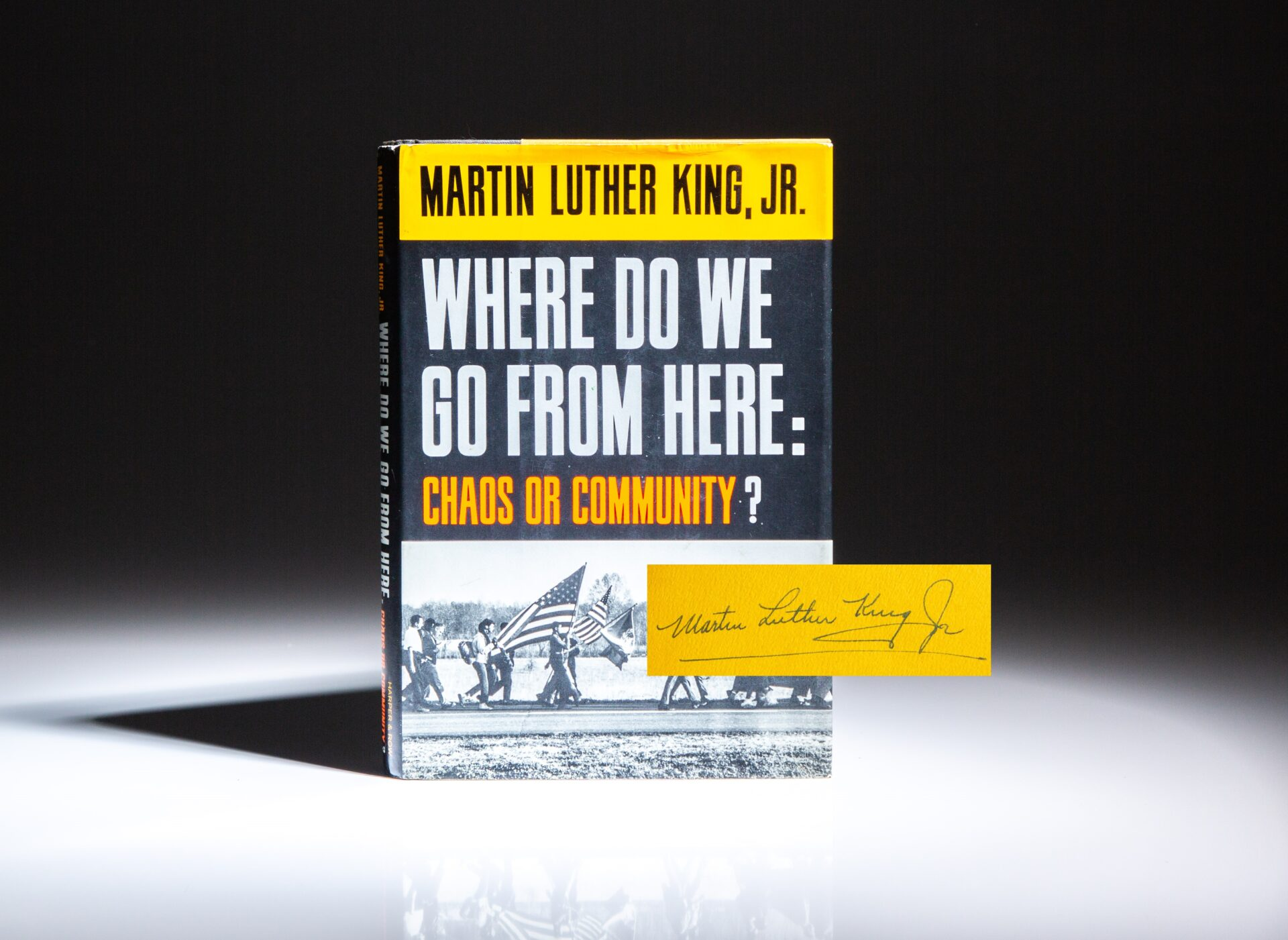
- 1967: Martin Luther King Jr., in "Where Do We Go From Here: Chaos or Community," made a powerful moral case for a form of Universal Basic Income (UBI), arguing that direct cash disbursements were the simplest and most effective way to combat poverty and inequality.
- 1972: Congress established the Supplemental Security Income (SSI) program, providing direct cash assistance to low-income elderly, blind, and disabled individuals, ensuring essentials like food, housing, and medical expenses. Currently, over 7.3 million people receive SSI benefits.
- 1975: The Earned Income Tax Credit (EITC) was passed, benefiting working-class parents and encouraging work by supplementing low incomes. In 2023, it lifted approximately 6.4 million people, including 3.4 million children, out of poverty, making it the second most effective anti-poverty tool after Social Security.
- 2019: Inspired by King, then-26-year-old Mayor Michael Tubbs launched the Stockton Economic Empowerment Demonstration (SEED), a $3 million pilot providing 125 residents with $500 per month in unconditional cash payments for two years. The program demonstrated improved financial stability, increased full-time employment, and enhanced well-being among recipients.
These historical precedents demonstrate that various forms of guaranteed income have proven effective in addressing poverty and fostering economic stability. The current proposal, echoing Robert Frost’s "The Road Not Taken," suggests GMI as the "path less traveled by" – a simpler, more efficient, and less bureaucratic means of providing foundational economic security.
A New GMI Initiative: Focusing on Rural America
The philanthropist’s family is committing half of their remaining wealth over the next five years to plant the seed for foundational long-term efforts, with a significant portion dedicated to a new GMI initiative. This initiative will be launched in partnership with GiveDirectly, a leader in GMI studies in the U.S., and OpenResearch, which recently completed the largest and most detailed GMI study in the country in 2023. The focus will be on implementing GMI in rural American communities.
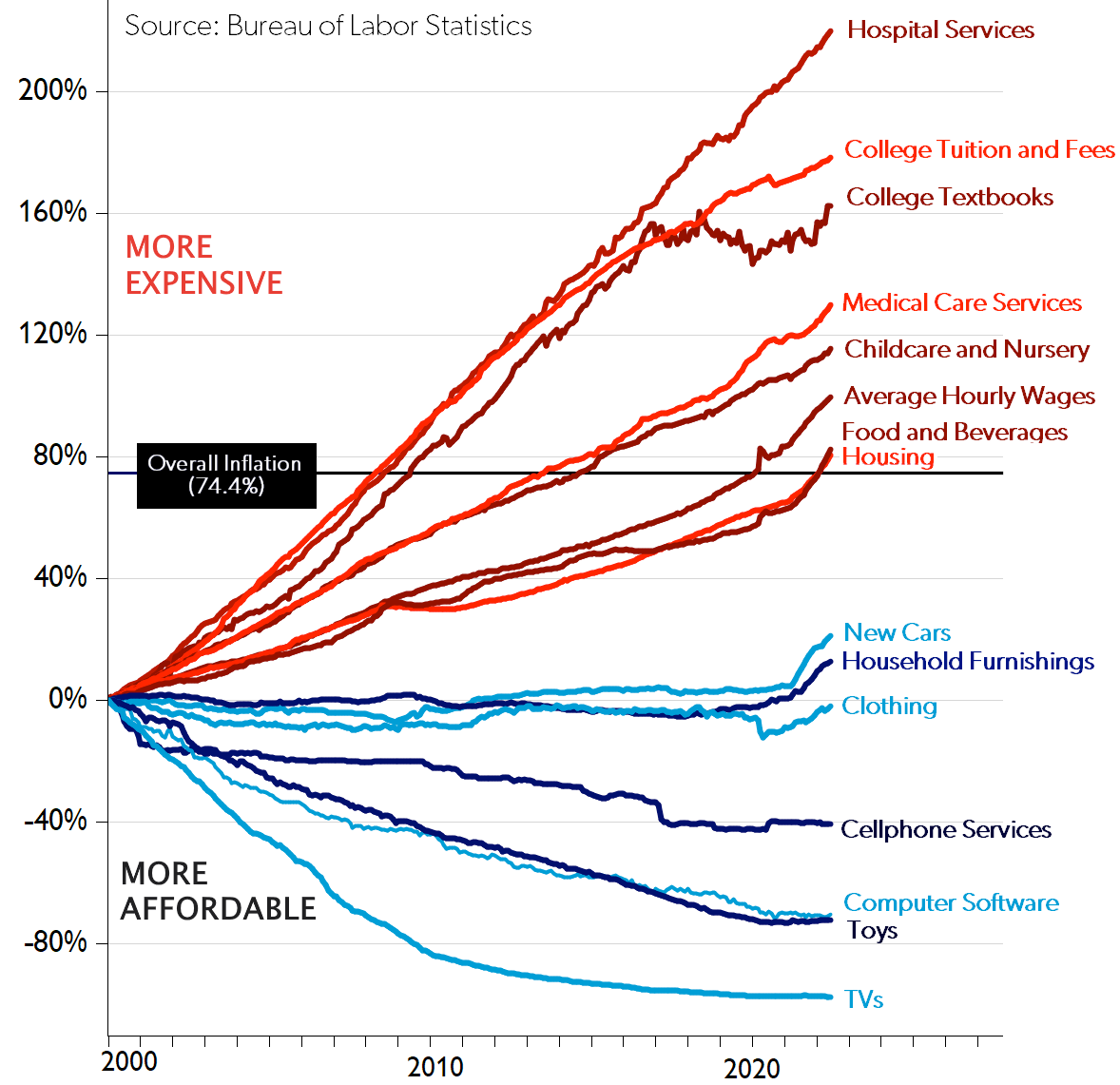
The choice of rural areas is strategic and data-driven. U.S. Census and USDA Economic Research Service data consistently show higher poverty rates in rural counties, coupled with fewer job opportunities, lower wages, and reduced access to healthcare and education. Regions like Appalachia, the Mississippi Delta, and American Indian reservations have endured decades of entrenched poverty, with some counties experiencing extreme rates (e.g., Oglala Lakota, SD at 55.8%; McDowell, WV at 37.6%). Rural settings also offer smaller populations, making them ideal for tightly controlled studies that can be carefully scaled and improved upon for broader application. The initial plan targets counties with which the philanthropist has a personal connection and that remain in poverty decades later.
The initiative will adopt a collaborative, community-driven approach. It will involve working with existing local groups to coordinate opt-in GMI studies, providing outreach and mentorship to participants, and integrating with established support systems such as churches, civic groups, community colleges, and local businesses. A crucial element of this strategy is the engagement of veterans, whose leadership skills and commitment to community service are seen as invaluable assets for supporting and executing GMI programs that reflect core American values of self-reliance and collective well-being.
GiveDirectly and OpenResearch will be instrumental in gathering extensive data from these refined studies, measuring key metrics such as employment, entrepreneurship, education, health outcomes, and community engagement. Regular interviews with participants will ensure continuous feedback and program refinement, embodying a "how can we make it better together?" ethos.
The Transformative Power of Shared Opportunity
The underlying philosophy of the GMI initiative rests on the concept of "network effects within communities." The potential of the American Dream, it is argued, vastly increases as more people gain access to it, precisely because they share it. The 2023 OpenResearch UBI study demonstrated that recipients of cash transfers consistently went "out of their way to share that money with others in desperate need." This finding underscores that economic empowerment is not merely an individual benefit but a catalyst for strengthening familial, friendly, and neighborly bonds, ultimately building stronger communities.
Economic security is presented as the bedrock of democracy itself. When individuals are freed from the constant anxiety of basic survival – food, housing, healthcare – they gain the "room to breathe" and the "freedom" to raise children, start businesses, choose their work, volunteer, and crucially, participate fully in the democratic process through voting. This is framed not as an ideological or governmental dictate, but as an American commitment to investing in a shared future, potentially unlocking human potential on an unprecedented scale. The evidence, the speaker contended, is clear: "A little bit of money is incredibly transformational for people in poverty… the people who cannot live up to their potential because they’re so busy simply trying to survive."
The GMI initiative is envisioned as a long-term investment in the future of America, aligning with the aspirational, though initially incomplete, ideals of the Declaration of Independence. The nation’s democracy, it is asserted, was always designed to be malleable, adaptable, and capable of continuous improvement.
A Legacy of Activism and a Call to Action
Concluding the address, the speaker invoked the legacy of Aaron Swartz, a precocious programmer and activist who co-founded Reddit and championed open access to information. Swartz’s efforts to make public domain court documents and academic articles freely available, believing them to be public goods funded by taxpayers, led to aggressive federal prosecution and ultimately, his suicide at age 26. Swartz’s story, commemorated at Cooper Union’s Great Hall, serves as a powerful reminder of the risks involved in challenging established systems for the common good. His activism, driven by a commitment to information equality, is presented as an exemplar for all Americans.
The speech culminated in two direct calls to action for the audience and the nation:
- Commit to sharing the American Dream with fellow Americans.
- Actively engage in shaping the future of the American Dream, starting today.
With a personal family commitment of $50 million, the philanthropist expressed hope for a collective endeavor, envisioning a future where generations look back and wonder why it took so long to share the promise of a better, richer, and fuller life with all Americans. The grand experiment of GMI, it is argued, is a step towards ensuring that everyone truly has a fair chance at "Life, Liberty, and the pursuit of The American Dream."
About the Author