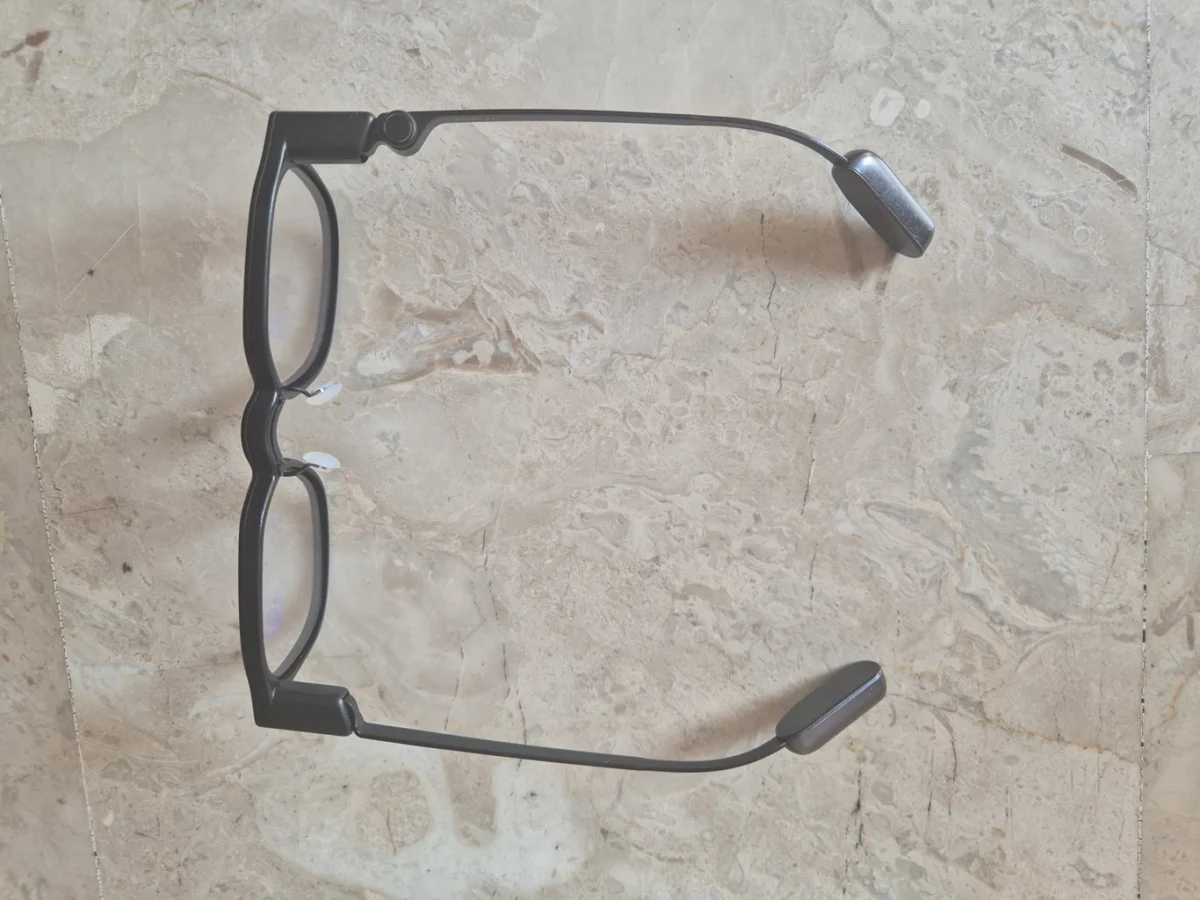
RayNeo, a specialized subsidiary of the global electronics giant TCL, has officially released the RayNeo iO Smart Glasses, a device that signals a strategic pivot in the augmented reality (AR) and wearables market. Diverging from the industry trend of integrated cameras and multimedia capture, the iO model focuses exclusively on productivity and artificial intelligence-driven assistance. By removing visual sensors and external speakers, the company has prioritized a lightweight, privacy-conscious form factor intended for all-day wear. This launch comes as the tech industry increasingly grapples with the social friction caused by camera-equipped wearables, positioning RayNeo as a primary competitor to niche manufacturers like Even Realities.

Strategic Market Position and Development Chronology
The release of the iO Smart Glasses follows a period of rapid iteration for RayNeo. In late 2025, the company introduced the RayNeo X3 Pro, which featured a high-resolution display but carried the bulk and high price point typical of early-stage AR hardware. The development of the iO model represents a refinement of that technology, moving away from "all-in-one" entertainment devices toward a more specialized "AI companion" category.

Industry analysts suggest that RayNeo’s decision to omit cameras is a direct response to the "glasshole" stigma that has plagued the sector since the inception of Google Glass. By focusing on a camera-free design, RayNeo seeks to lower the barrier for adoption in professional environments, such as corporate offices and medical facilities, where recording devices are often prohibited. The iO glasses are marketed at a retail price of $499 for the standard edition and $549 for a model including a dedicated charging case, placing them at a premium price point compared to the Ray-Ban Meta collection, but below the high-end AR headsets from Apple and Microsoft.

Hardware Specifications and Design Engineering
The engineering of the RayNeo iO focuses on achieving a weight and balance profile nearly indistinguishable from traditional prescription eyewear. Weighing only 33 grams, the device is significantly lighter than most competing smart glasses, which often exceed 50 grams due to the inclusion of cameras and larger batteries.

The primary display utilizes a dual monochrome waveguide system. While color displays are standard in consumer electronics, monochrome waveguides offer superior transparency and brightness. The iO display reaches a peak brightness of 1200 nits, ensuring that text remains legible even in high-ambient light conditions or direct sunlight. The field of view (FOV) is approximately 23 degrees, which is sufficient for displaying notifications, teleprompter scripts, and live captions without obstructing the user’s natural vision.

To maintain the slim profile of the frames, RayNeo has opted for a speaker-free design. Audio input is handled by a sophisticated microphone array capable of directional voice pickup, while all feedback is delivered visually through the waveguide display. Interaction is managed via a physical rotating crown on the temple, voice commands, and a companion mobile application.

Productivity Features and the AI Suite
The core value proposition of the RayNeo iO lies in its suite of AI-powered applications, which are processed via a tethered smartphone connection. These features are designed to integrate seamlessly into the user’s daily routine:

Live Captioning and Real-Time Translation
The device utilizes its microphone array to transcribe spoken dialogue into text on the display. This feature supports multiple languages, including English, Chinese, and Italian. Beyond simple transcription, the AI can translate foreign languages in real-time, allowing users to follow conversations in environments where they do not speak the local tongue. This functionality has been identified by accessibility advocates as a potentially transformative tool for the deaf and hard-of-hearing communities.

The Teleprompter and Voice Memo Systems
For professional speakers and presenters, the iO includes a teleprompter application that uses voice recognition to auto-scroll text as the user reads. This allows for natural eye contact with an audience while maintaining access to a script. Additionally, the Voice Memo feature allows users to record notes that are automatically transcribed and summarized by the integrated AI.

Contextual Intelligence: Life Log and Live Cues
The "Life Log" feature represents the device’s most ambitious productivity tool. When activated, the glasses persistently monitor audio environments and GPS data to create a searchable diary of the user’s day. The AI can later summarize meetings, extract to-do list items from conversations, and provide a chronological overview of activities. A secondary feature, "Live Cues," is currently in beta and aims to provide proactive information—such as facts or figures—based on the context of an ongoing conversation without requiring a specific wake-word.

Technical Data and Battery Performance
Despite the thin architecture, the RayNeo iO boasts a battery life that exceeds many of its contemporaries. According to company data and independent testing, the glasses can last up to two days under "normal" usage conditions, which includes periodic notifications and occasional AI queries. For intensive tasks, such as continuous live translation, the battery provides over six hours of active display time.

| Feature | Specification |
|---|---|
| Weight | 33 grams |
| Display Type | Monochrome Waveguide |
| Peak Brightness | 1200 nits |
| FOV | 23 Degrees |
| Battery Life (Active) | 6+ Hours (Continuous Translation) |
| Battery Life (Standby) | Up to 48 Hours |
| Connectivity | Bluetooth 5.3 |
| Interaction | Rotating Crown, Voice, App |
The device utilizes a proprietary charging adapter that clips onto the nose bridge, a design choice made to avoid the bulk of a standard USB-C port on the frame itself.

Privacy Implications and Data Management
The absence of a camera addresses one layer of privacy concern, yet the persistent audio monitoring required for features like Life Log introduces new considerations. RayNeo has stated that it adheres to stringent data management protocols, including GDPR compliance. The device includes a physical "privacy LED" located on the temple that illuminates when the microphones are active, serving as a visual indicator to both the user and bystanders.

However, the nature of AI processing requires that audio data be sent to cloud servers for transcription and analysis. The company’s privacy policy notes that data may be used to improve services, a common clause in the AI industry that nonetheless requires users to trust the manufacturer’s data-handling practices. Furthermore, because the waveguide display does not currently feature a "privacy shield," the text on the screen can be partially visible to individuals standing directly in front of the wearer.

Broad Impact and Industry Implications
The launch of the RayNeo iO suggests a maturation of the smart glasses market, where "utility" is beginning to outweigh "novelty." By targeting specific demographics—such as the hearing impaired, international business travelers, and public speakers—RayNeo is moving away from the mass-market approach and toward high-value niche applications.

The success of the iO will likely depend on the refinement of its "Live Cues" and "Life Log" features. If the AI can move from reactive transcription to proactive assistance, it could redefine the smartphone-wearable relationship. For now, the RayNeo iO stands as a significant technical achievement in miniaturization and a bold bet on the future of "Quiet AI"—technology that assists the user without demanding the attention of the surrounding world. As the industry moves toward 2027, the iO model will serve as a benchmark for whether consumers are willing to trade camera functionality for a more discreet, productivity-focused experience.
About the Author