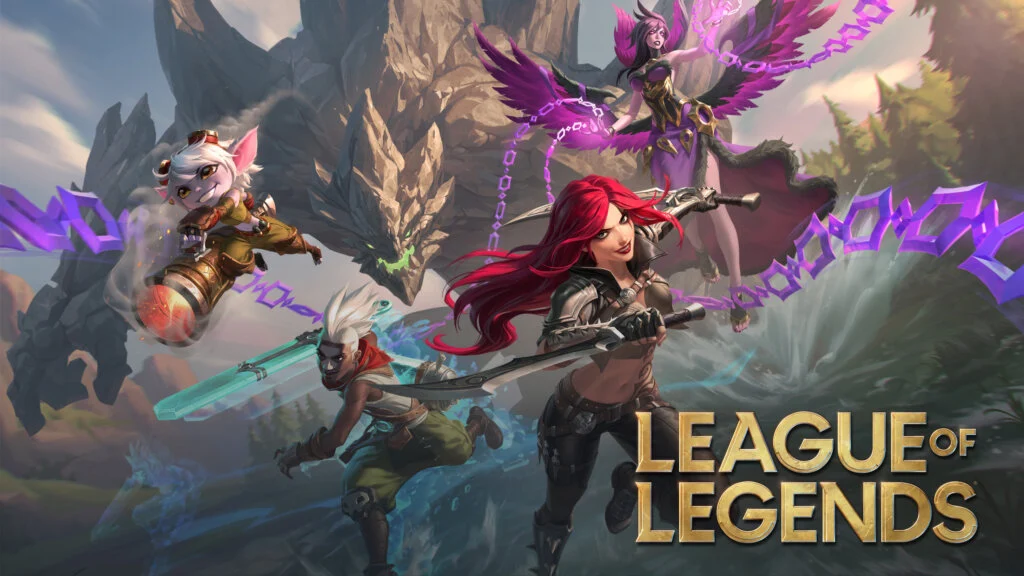
Riot Games has introduced "Brawl," a new limited-time game mode for League of Legends designed to deliver an expedited, combat-centric experience distinct from the game’s traditional Summoner’s Rift and ARAM formats. Positioned as a streamlined 5v5 offering, Brawl prioritizes constant team fights, rapid player returns, and an objective-based scoring system over the conventional destruction of towers and the Nexus. This experimental mode, which debuted on May 14, 2025, alongside patch 25.10, serves as an accessible environment for players to refine combat mechanics, test champion builds, or engage in quick skirmishes with friends, potentially even complementing progression strategies like professional Elo boosting services for those seeking efficient rank advancement in other modes.
The Core Mechanics of Brawl: A Deconstructed League Experience
Brawl distills the essence of League of Legends into its fundamental components: battling, skirmishing, and wave pushing, all within a compressed timeframe. Players are deployed onto a unique, smaller map named Bandle City, characterized by its arena-like structure, two distinct sides, and a network of portals facilitating quick movement. Unlike the lengthy laning phases of Summoner’s Rift, Brawl thrusts players directly into action, starting them at level three with 1400 gold, thereby eliminating the early game’s preparatory stages and accelerating the combat engagement.
The primary objective diverges significantly from traditional League of Legends gameplay. Instead of targeting structures, teams compete to deplete a shared enemy "team health" bar. This health pool is a numerical score, rather than a physical structure, and the goal is to reduce the opposing team’s score to zero. This innovative win condition fundamentally alters strategic priorities, shifting focus from macro-level objective control to consistent micro-level combat victories and efficient point accumulation.
Scoring System: How to Damage the Enemy Team’s Health Pool
In Brawl, the concept of "damage" extends beyond mere champion health bars. The enemy team’s shared health pool is chipped away through several key actions:
- Champion Kills: Each enemy champion eliminated directly reduces their team’s score. This makes every death a critical strategic decision, as it has an immediate and tangible impact on the game’s outcome.
- Minion Wave Pushes: Successfully pushing minion waves into the enemy’s portal, located at the end of their lane, generates points for your team and reduces the enemy’s score. This emphasizes the importance of basic wave management, even in a mode focused on brawling.
- Side Objectives: Specific neutral objectives on the map, once secured, can also contribute to reducing the enemy’s score, providing alternative avenues for point generation beyond direct combat.
Given the compact map design and rapid pace, most engagements unfold in the central lane and around minion waves. This design choice ensures a high frequency of team fights, making Brawl a continuous series of skirmishes rather than segmented phases of farming and objective rotations.
Champion Selection and Starting Conditions
A notable distinction of Brawl from modes like ARAM (All Random All Mid) is the ability for players to freely select their champions, runes, and summoner spells prior to the match. This strategic pre-game phase allows for intentional team compositions and the implementation of specific combat strategies, providing a controlled environment for testing champion synergies or individual skill expression. The accelerated start at level three with 1400 gold ensures immediate access to core abilities and an initial item purchase, further streamlining the experience by bypassing the early-game power curve. Furthermore, players benefit from automatic gold generation throughout the match, supplemented by additional gold and buffs from side objectives, fostering a constant state of readiness for item upgrades and strategic power spikes.
Bandle City: The Arena of Constant Conflict
The dedicated map for Brawl, Bandle City, is meticulously designed to facilitate continuous combat. Its small footprint and strategic layout ensure that players are rarely out of the action for long. Respawning typically means a short walk directly back into the fray, reinforcing the mode’s fast-paced nature. Riot Games has openly acknowledged the experimental status of Brawl, advising players to anticipate "rough edges" such as balance fluctuations across patches. This transparency suggests that champion power levels may shift, and certain characters might temporarily feel overtly strong or weak as the developers fine-tune the mode based on live player data and feedback. This iterative approach is common for new game modes introduced by Riot, allowing for dynamic adjustments in response to player engagement and competitive balance.
Strategic Imperatives for Success in Brawl Mode
Winning in Brawl demands clean decision-making and tactical awareness rather than complex macro-level strategies. The fast-paced nature means that advantages can be gained or lost in mere seconds. Adopting specific habits is crucial for consistent victories:
- Treat Deaths as a Resource, Not a Reset: Unlike Summoner’s Rift, where deaths can sometimes lead to opportunities to reset and farm, every life lost in Brawl directly depletes your team’s score. When your team’s shared health is low, engaging in risky 50-50 battles is ill-advised. Instead, strategic recalls to base for healing and item purchases, combined with waiting for numerical or cooldown advantages, are paramount. This conservative approach to personal deaths directly translates to preserving your team’s collective score.
- Prioritize Minion Waves, Even When Ahead: While direct champion combat is central, ignoring minion waves is a critical oversight. Pushing minion waves into the enemy portal is a consistent and significant source of points. Even if your team is winning most team fights, neglecting wave management can result in missed opportunities to accelerate victory. Effective wave management involves:
- Prioritizing Minion Kills: Clearing enemy minions quickly to allow your waves to advance.
- Escorting Waves: Supporting your minions as they push towards the enemy portal, protecting them from enemy clears.
- Strategic Pushing: Timing wave pushes to coincide with enemy recalls or after winning a team fight to maximize point generation.
- Utilize Camps for Buffs Judiciously: Side lane camps offer power spikes and rotation opportunities, but they can also be time sinks. While securing buffs can provide a temporary advantage, players must weigh the time spent against the potential points gained from pushing minion waves or engaging in the central lane. Camps should be taken efficiently, ideally when the main lane is stable or after a successful team fight, to avoid losing valuable map presence or point generation.
- Spend Gold and Reset Purposefully: Brawl’s accelerated gold income and short match durations make hoarding gold detrimental. Recalling frequently to purchase items and return to the fight stronger is a core rhythm of the mode. Unlike ARAM, where recalling is often impossible without dying, Brawl encourages deliberate resets for itemization and health replenishment. This ensures players maintain optimal power levels and can consistently contribute effectively to skirmishes.
- Leverage Comeback Mechanics Strategically: Riot has incorporated a "Yordle magic" comeback bonus for teams falling behind. This mechanic provides a significant opportunity to regain control, but it should be used judiciously. Rather than diving into immediate 5v5 brawls, teams should use the bonus to secure a clean fight, then capitalize by pushing minion waves towards the portal to maximize the score advantage. This intelligent application of comeback mechanics can turn the tide of a match.
Release Schedule and Future Availability
Brawl made its debut on May 14, 2025, coinciding with League of Legends patch 25.10. It was initially introduced as a limited-time mode, scheduled to run for approximately six weeks, concluding around patch 25.13. As a rotating game mode, its return is subject to Riot Games’ future development schedule and patch plans. Players who do not currently see Brawl available in their client should understand that it may simply be out of rotation for the current patch cycle, with potential for its reintroduction based on player feedback and ongoing design evaluations. Riot’s history with popular limited-time modes suggests that successful ones often return periodically or even become permanent additions if they resonate strongly with the player base.
Optimal Champion Choices for Brawl: Adapting to the Rapid Pace
While a definitive, static tier list for Brawl is challenging due to ongoing balance adjustments, certain champion characteristics consistently perform well in the mode’s high-combat environment. The best champions for Brawl typically exhibit:
- Strong Early Game and Item Spikes: Champions who come online quickly with their initial abilities and first item purchases are highly effective.
- High Burst Damage or Sustained Damage: The constant skirmishes favor champions capable of quickly eliminating opponents or dealing consistent damage over extended fights.
- Reliable Crowd Control (CC) or Engage: The ability to initiate fights, lock down targets, or peel for allies is invaluable in continuous team fights.
- Mobility or Survivability: Champions who can quickly navigate the small map, escape dangerous situations, or withstand incoming damage tend to excel.
What Tends to Work Well:
- Bruisers and Fighters: Characters like Darius, Sett, or Renekton thrive with their robust early game, sustain, and ability to dominate frontlines.
- Burst Mages: Champions such as Syndra, Orianna, or Viktor can unleash devastating area-of-effect or single-target damage in team fights.
- Engage Supports/Tanks: Leona, Nautilus, or Alistar provide critical initiation and crowd control to secure kills and protect carries.
- High-Damage ADCs with Self-Peel: Lucian, Samira, or Kai’Sa can contribute significant damage while having tools to survive aggressive engages.
What Tends to Feel Worse Than Expected:
- Late-Game Scaling Champions: Characters that require extensive farming or multiple item components to become effective, such as Vayne or Kassadin, often struggle to reach their power fantasy in Brawl’s short matches.
- Utility-Focused Enchanter Supports: While valuable, champions like Soraka or Janna might find it harder to make an impact in a mode demanding more direct combat presence, especially early on.
- Split Pushers or Global Ultimates: Champions designed for macro play, like Fiora or Twisted Fate, find their unique strengths largely negated on Brawl’s small, combat-focused map.
Players experimenting with builds in Brawl should prioritize immediate impact and fight uptime over greedy scaling. The mindset should be "can I influence the next two fights?" rather than "will I be strong in 25 minutes?"
Brawl’s Distinct Place in the League of Legends Ecosystem
While fundamentally a League of Legends experience, Brawl plays out dramatically differently from ranked Summoner’s Rift or even ARAM, largely due to its unique win condition and accelerated pace.
Unlike Summoner’s Rift:
Brawl eschews the intricate macro-play, lengthy laning phases, traditional jungling routes, and siege strategies that define Summoner’s Rift. There is no 10-minute farming period, no elaborate dragon or Baron fights, and no nexus to destroy. The game’s objective is simplified:
- Direct Score Reduction: The immediate goal is to reduce the enemy team’s shared health pool through kills and minion pushes.
- Constant Combat Focus: The mode is built around continuous team fights and skirmishes, demanding constant engagement rather than periods of strategic maneuvering across a large map.
Unlike ARAM:
Brawl offers crucial departures from ARAM’s "All Random All Mid" format. Players are not restricted to a random champion selection, allowing for strategic picks and pre-game planning. Furthermore, the ability to recall to base for healing and item purchases is a fundamental mechanic, offering a layer of tactical depth absent in ARAM. This makes Brawl a superior environment for players looking to practice a specific champion, test a particular build, or explore a matchup idea without the randomness or commitment of other modes.
Why Players Engage with Brawl:
The primary appeal of Brawl lies in its emphasis on fun, repetition, and immediate action. Players can complete multiple Brawl matches in the time it takes to finish a single standard game, and the fights per minute are significantly higher than on Summoner’s Rift. For players aiming to improve their mechanical skills, spacing, and decision-making under pressure, Brawl serves as an unexpectedly efficient practice tool, even though it is not designed as a competitive mode. Its rapid iteration of combat scenarios provides valuable experience in a low-stakes environment, making it an attractive option for both casual players seeking quick enjoyment and dedicated players looking to sharpen their raw combat prowess. Its introduction further diversifies the League of Legends experience, catering to a broader range of player preferences and engagement models within the expansive universe of Runeterra.
About the Author