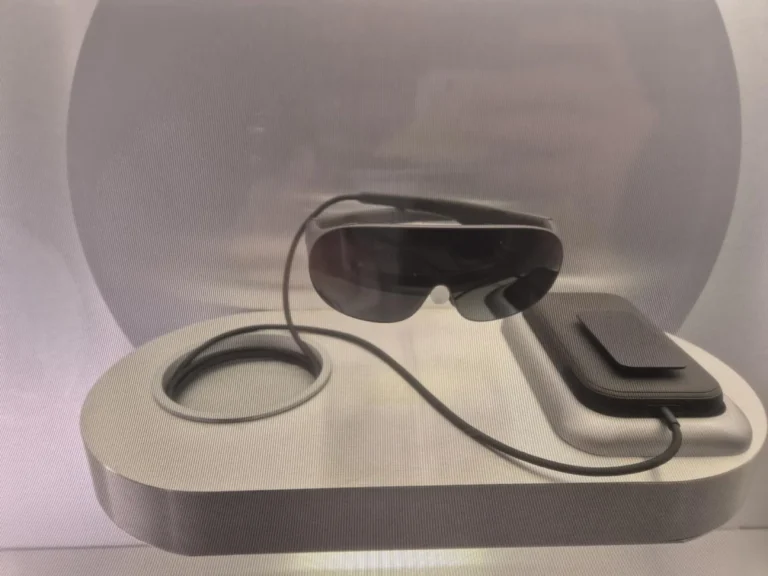
Snap Inc. has officially announced a dedicated launch event for its latest augmented reality (AR) hardware, titled "Specs," scheduled for September 16, 2026, at 4:00 pm PT. This event marks a critical milestone for the social media company as it seeks to transition from a software-first platform to a significant player in the hardware sector. While initial details regarding the glasses were teased by CEO Evan Spiegel during the Augmented World Expo (AWE) earlier this year, the upcoming presentation is expected to provide the comprehensive technical specifications and developer tools that have remained under wraps. The company stated the event will offer the first in-depth look at how the device integrates artificial intelligence (AI) assistance, productivity tools, and shared experiences into a wearable form factor.
Chronology of Snap’s Augmented Reality Ambitions
Snap’s journey into wearable technology began in 2016 with the first generation of Spectacles, which were primarily focused on capturing first-person video for the Snapchat app. Since then, the company has iterated through multiple versions, gradually moving toward true optical AR. In 2021, Snap revealed its first glasses capable of displaying digital overlays directly onto the user’s field of vision, though these were restricted to a closed group of creators.
The September 16 event represents the culmination of five years of research and development following that initial AR reveal. Industry analysts suggest that Snap’s decision to host a standalone event indicates a shift toward a broader consumer or enterprise release. The "specs of Specs," a term coined by the developer community to highlight the lack of known hardware data, are expected to include details on the field of view (FOV), battery life, and the specific capabilities of the onboard spatial computing processor.

The Resurrection of AltspaceVR under SideQuest Leadership
In a significant move for the social VR ecosystem, Shane Harris, CEO of the VR sideloading platform SideQuest, has announced plans to reboot AltspaceVR. Originally launched in 2013 and acquired by Microsoft in 2017, AltspaceVR was a pioneer in social virtual reality before being shuttered by Microsoft in March 2023 as part of broader corporate restructuring.
The reboot, spearheaded by the SideQuest team, aims to position the new platform as a "spiritual successor" to the original. To maintain the aesthetic and functional continuity of the platform, Harris confirmed the acquisition of the rights to the Altspace name and the rehiring of key original personnel, including Christian Boe, the designer responsible for the platform’s iconic robot avatars. This announcement follows a previously unsuccessful attempt by a separate group to revive the platform using the BasisVR framework, which failed to gain traction due to its integration of controversial cryptocurrency features. The SideQuest-led initiative has received a more favorable reception from the community, given SideQuest’s established reputation within the Quest and PCVR ecosystems.
Apple’s Strategic Shift Toward AR Fitness Solutions
Internal reports and recent hiring trends suggest that Apple is recalibrating its Vision Pro product line to emphasize health and fitness as a primary use case. According to industry insiders and Bloomberg’s technology analysts, the Vision Products Group is actively recruiting strategic product design leaders to define health and wellness experiences for future "vision products."
While the current Apple Vision Pro supports fitness applications, its weight—exceeding 600 grams—has been cited as a significant barrier to high-intensity physical activity. Consequently, Apple is reportedly exploring lightweight AR glasses that could integrate seamlessly with Apple Fitness+. This move aligns with Apple’s historical success in the health sector via the Apple Watch. By focusing on fitness, Apple may also circumvent privacy concerns and "glasshole" stigmas associated with camera-equipped wearables by positioning them as specialized athletic equipment rather than general-purpose surveillance devices.

Meta’s Hardware Roadmap and Financial Realities
Meta Platforms Inc. continues to dominate the XR market despite significant financial headwinds. In its Q2 2026 earnings report, Meta revealed that its Reality Labs division incurred an operating loss of $4.62 billion. While substantial, this figure outperformed analyst expectations, which had projected losses exceeding $5 billion for the quarter. This performance indicates a marginal stabilization in Meta’s heavy spending on the "Metaverse," even as the company remains committed to long-term hardware development.
Simultaneously, firmware leaks have provided the first glimpse of a new Meta headset, codenamed "Puffin" (also referred to in some documentation as Phoenix or Loma). Data miners discovered setup user interfaces within the Quest firmware that depict a device significantly more compact than the Quest 3. Industry observers speculate that "Puffin" may represent Meta’s entry into the "pancake lens" era of ultra-lightweight headsets, potentially utilizing a tethered processing unit or a highly optimized mobile chipset to reduce the front-heavy load of traditional VR goggles.
In response to ongoing privacy concerns regarding its Ray-Ban Meta smartglasses, Meta has also updated its content policies. The company announced that any videos featuring harassment or non-consensual filming recorded via the glasses will be banned from Instagram. This policy update, combined with hardware-level safeguards that disable the device if the recording LED is tampered with, reflects Meta’s effort to improve the social acceptability of camera-integrated eyewear.
Valve’s Imminent Entry into Wireless VR with Steam Frame
The long-rumored "Steam Frame" headset from Valve has recently passed FCC certification, a mandatory step for electronic devices prior to commercial sale in the United States. This regulatory milestone suggests that a launch is imminent, potentially occurring before the 2026 holiday season. Valve has been subtly expanding its "Great on Steam Frame" verification program, similar to its Steam Deck verification system, to ensure that PCVR titles are optimized for the new hardware’s specific input methods and wireless streaming capabilities.

The Steam Frame is expected to bridge the gap between high-end PCVR and the convenience of standalone headsets. By leveraging Valve’s dominant position in the PC gaming market via the Steam store, the device could provide the first viable high-performance competitor to Meta’s Quest Pro and Quest 3 lines.
Market Impact and the Consolidation of VR Software
The XR industry is currently witnessing a period of both aggressive expansion and consolidation. Sony has temporarily slashed the price of the PlayStation VR2 (PSVR2) to $300 in the United States. This 45% discount from its original $549 MSRP is seen as a strategic move to clear inventory and increase the install base following the release of the PSVR2 PC adapter, which allows the headset to function as a standard PCVR peripheral.
However, the software market remains volatile. The developers of the popular multiplayer shooter HyperDash have announced the shutdown of the game’s servers effective November 2026. In an unusual move for the industry, the developers released a final "legacy" update that converts the game into a single-player experience with bot support, ensuring the software remains usable after the central infrastructure is decommissioned. This transition highlights the ongoing challenges of maintaining live-service VR games in a market where user retention is split across an increasing number of hardware platforms.
As the industry prepares for the Q3 and Q4 product cycles, the focus has shifted from "proof of concept" devices to specialized hardware aimed at fitness, social interaction, and high-fidelity gaming. The success of Snap’s upcoming launch and the market’s reception of the Steam Frame will likely dictate the trajectory of the XR market heading into 2027.
About the Author