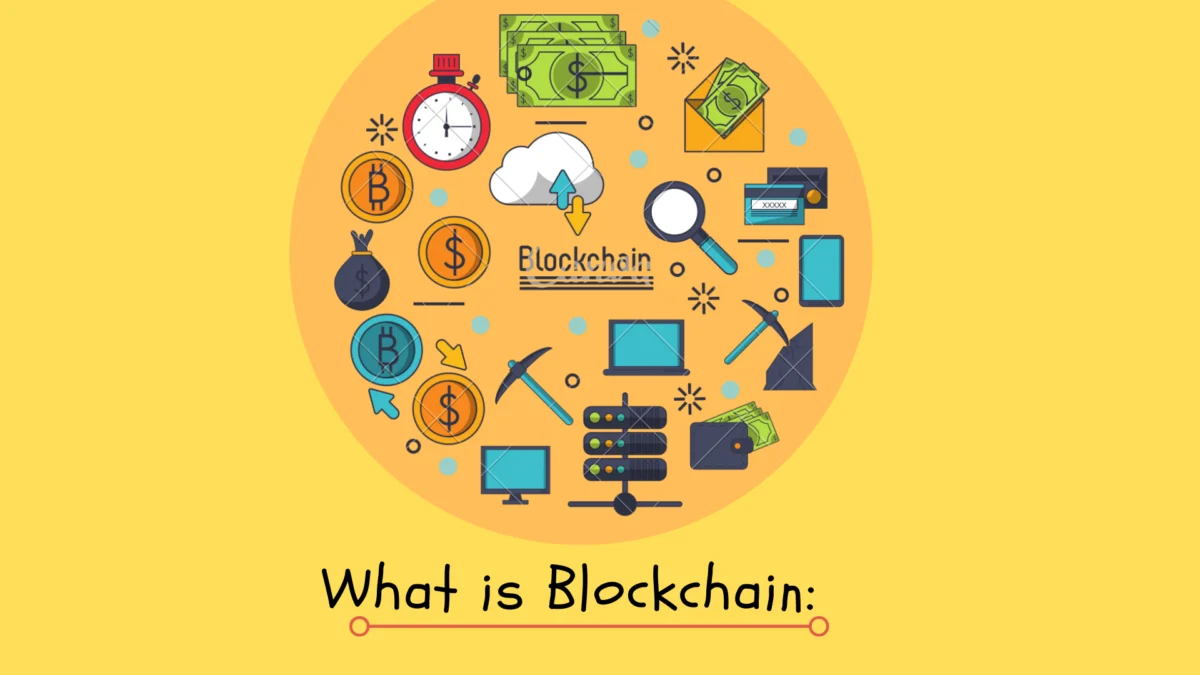
The digital landscape is undergoing a profound transformation, driven by a technology that promises to redefine trust, transparency, and security in online interactions. At its core, blockchain is a revolutionary decentralized database system that records transactions across multiple computers. This innovative approach challenges traditional intermediaries, offering a paradigm shift in how we store, share, and verify information. From its early conceptualization to its burgeoning adoption across diverse industries, blockchain technology is no longer a niche concept but a powerful force shaping the future of commerce, governance, and personal data management.
Genesis of a Decentralized Revolution: From Cryptography to Digital Currency
The roots of blockchain technology can be traced back to the early 1990s, a period marked by increasing interest in digital security and the integrity of data. In 1991, cryptographers Stuart Haber and W. Scot Stornetta first proposed a system designed to ensure that digital timestamps could not be tampered with. Their groundbreaking work laid the foundational principles for a cryptographically secured chain of records.
Several years later, in 1998, software developer Nick Szabo envisioned a similar technological framework to secure a digital payment system he christened "Bit Gold." While Szabo’s concept did not gain widespread traction at the time, it foreshadowed the potential of decentralized digital currencies. However, it was the emergence of Bitcoin in 2008, attributed to the pseudonymous Satoshi Nakamoto, that truly brought blockchain technology into the global spotlight. Nakamoto’s white paper, "Bitcoin: A Peer-to-Peer Electronic Cash System," detailed how blockchain could function as the underlying ledger for a decentralized digital currency, enabling secure, peer-to-peer transactions without the need for financial institutions. This invention marked a pivotal moment, transforming blockchain from a theoretical concept into a practical, albeit initially experimental, application.
Deconstructing Blockchain: A Distributed Ledger Explained
At its essence, blockchain technology operates as a distributed ledger, meaning that data is not stored in a single, central location but is instead replicated and shared across a network of computers, known as nodes. Each block in the chain contains a record of multiple transactions, a timestamp, and a cryptographic hash of the preceding block. This interconnected structure creates a tamper-evident chain, where any attempt to alter a block would require altering all subsequent blocks, a feat that is computationally infeasible on a large, decentralized network.
The process of adding new data to the blockchain typically involves several key steps:
- Transaction Initiation: A user initiates a transaction, such as sending cryptocurrency or recording data.
- Verification: This transaction is broadcast to the network of nodes. A consensus mechanism, such as Proof-of-Work (PoW) or Proof-of-Stake (PoS), is then employed by the nodes to validate the transaction’s authenticity and integrity. This involves complex cryptographic calculations and agreement among a majority of the network participants.
- Block Creation: Once verified, the transaction is bundled with other validated transactions into a new "block."
- Chaining: This new block is then added to the existing chain of blocks. Each block is cryptographically linked to the previous one, forming an immutable and chronological record.
- Distribution: The updated blockchain, now containing the new block, is distributed across all nodes in the network, ensuring that every participant has an identical and up-to-date copy of the ledger.
This distributed nature is what grants blockchain its remarkable security and transparency. Because the ledger is shared and constantly verified by numerous independent nodes, it becomes incredibly difficult for any single entity to manipulate or corrupt the data. This inherent immutability and transparency differentiate blockchain significantly from traditional centralized databases.
Beyond Cryptocurrencies: Diverse Applications of Blockchain Technology
While blockchain technology gained initial notoriety as the backbone of cryptocurrencies like Bitcoin and Ethereum, its potential applications extend far beyond digital finance. The core attributes of blockchain – decentralization, immutability, transparency, and security – make it an attractive solution for a wide array of industries seeking to enhance data integrity and streamline processes.
Supply Chain Management: One of the most promising non-cryptocurrency applications of blockchain is in supply chain management. Companies like Walmart have pioneered the use of blockchain to track the journey of food products from farm to table. IBM’s Food Trust platform, for instance, leverages blockchain to provide an immutable record of every step in the food supply chain. This allows for rapid identification of the source of contamination in the event of an outbreak, as demonstrated by its ability to trace the origin of a food product in mere seconds, a process that previously could take days or even weeks. This enhanced traceability is crucial for food safety, helping to prevent the spread of pathogens like E. coli and Salmonella and ensuring that allergenic ingredients are not inadvertently introduced into products.
Healthcare: In healthcare, blockchain can be used to secure and manage patient records, ensuring that sensitive medical data is protected from unauthorized access and tampering. It can also facilitate secure sharing of medical information between healthcare providers, improving diagnosis and treatment while maintaining patient privacy. The immutability of blockchain ensures that medical histories are accurate and reliable, which is critical for long-term patient care and research.
Digital Identity and Voting: Blockchain technology offers a secure and decentralized approach to digital identity management. Individuals can have greater control over their personal data, choosing what information to share and with whom, without relying on centralized authorities. Furthermore, blockchain-based voting systems are being explored to enhance the security and transparency of elections, potentially reducing fraud and increasing voter confidence.
Intellectual Property and Royalties: Artists, musicians, and creators can use blockchain to register their intellectual property, ensuring clear ownership and facilitating the transparent distribution of royalties. Smart contracts, which are self-executing contracts with the terms of the agreement directly written into code, can automate royalty payments, ensuring that creators are compensated fairly and promptly.
Real Estate and Land Registries: The complexities and potential for fraud in real estate transactions can be mitigated by blockchain technology. Property titles and deeds can be recorded on a blockchain, creating a transparent and immutable record of ownership, thereby reducing disputes and streamlining the transfer of property.
The adoption of blockchain by major corporations such as Siemens, Pfizer, and Unilever underscores its growing recognition as a transformative technology capable of addressing critical challenges across diverse sectors.
The Power of Decentralization: Enhancing Security and Resilience
A cornerstone of blockchain technology is its inherent decentralization. Unlike traditional systems where data is stored on a single server or a limited number of servers controlled by a single entity, blockchain distributes data across a vast network of interconnected computers. This decentralization offers several critical advantages:
- Enhanced Security: If a single node in a traditional system is compromised, the entire database can be at risk. In a blockchain network, compromising one node has minimal impact, as the integrity of the data is maintained by the consensus of the majority of other nodes. This makes blockchain systems highly resistant to cyberattacks and data breaches.
- Increased Resilience: The distributed nature of blockchain ensures that the system remains operational even if some nodes experience technical failures or outages. The network can continue to function, as data is readily available from other operational nodes.
- Elimination of Single Points of Failure: By removing reliance on a central authority or server, blockchain eliminates single points of failure that can lead to service disruptions or data loss.
- Greater Transparency and Trust: With data distributed and accessible to all participants (in public blockchains), there is a built-in level of transparency that fosters trust among users. Transactions are auditable, and the history of data is verifiable.
This decentralized architecture directly addresses concerns about data privacy and security in an increasingly digital world. It empowers individuals and organizations by reducing their dependence on intermediaries and providing them with greater control over their digital assets and information.
Navigating the Blockchain Landscape: Advantages and Disadvantages
Like any emerging technology, blockchain presents a unique set of advantages and disadvantages that warrant careful consideration.
Advantages of Blockchain:
- Enhanced Security: The cryptographic nature and distributed ledger design make blockchain highly secure and resistant to tampering.
- Transparency: Transactions on public blockchains are visible to all participants, fostering accountability and trust.
- Immutability: Once data is recorded on the blockchain, it cannot be altered or deleted, ensuring the integrity of historical records.
- Decentralization: Reduces reliance on central authorities, mitigating risks of censorship and single points of failure.
- Efficiency: Can streamline processes by eliminating intermediaries and automating transactions through smart contracts.
- Traceability: Enables detailed tracking of assets and data throughout their lifecycle, crucial for supply chains and regulatory compliance.
Disadvantages of Blockchain:
- Scalability Issues: Some blockchain networks, particularly older ones like Bitcoin’s Proof-of-Work, can struggle with processing a high volume of transactions quickly, leading to slower transaction times and higher fees during peak demand.
- Energy Consumption (for PoW): Proof-of-Work consensus mechanisms require significant computational power, leading to high energy consumption and environmental concerns. However, newer consensus mechanisms like Proof-of-Stake are significantly more energy-efficient.
- Complexity: Understanding and implementing blockchain technology can be complex, requiring specialized knowledge and technical expertise.
- Regulatory Uncertainty: The regulatory landscape for blockchain and cryptocurrencies is still evolving in many jurisdictions, creating uncertainty for businesses and investors.
- Irreversibility of Errors: While immutability is an advantage, it also means that once a transaction is recorded, it cannot be easily reversed, which can be problematic in cases of accidental or fraudulent transactions.
- Initial Development Costs: Developing and deploying blockchain solutions can involve significant upfront investment.
Frequently Asked Questions About Blockchain Technology
As blockchain technology continues to evolve and gain mainstream acceptance, several common questions arise among the public and industry professionals alike.
Is Blockchain a Cryptocurrency?
No, blockchain is not a cryptocurrency. Rather, it is the underlying technology that enables cryptocurrencies to function. Think of blockchain as the ledger that records all Bitcoin transactions, while Bitcoin is the digital currency itself.
Is it Possible for Blockchain to Be Hacked?
While theoretically possible, hacking a well-established and decentralized blockchain network is extremely difficult and computationally expensive. The distributed nature, coupled with robust cryptographic protocols and the constant review by network participants, makes it a formidable challenge. Attacks typically target vulnerabilities in the applications built on top of the blockchain or the endpoints of users rather than the core blockchain protocol itself.
What is the Most Prominent Blockchain Company?
The definition of "prominent" can vary, but companies like Coinbase Global have emerged as significant players in the blockchain ecosystem, particularly in the cryptocurrency exchange and digital asset management space. Other companies are leading in specific blockchain applications, such as IBM in enterprise blockchain solutions for supply chains.
Who Owns Blockchain?
Blockchain, as a decentralized technology, does not have a single owner. It is an open-source protocol, meaning its code is publicly available and can be utilized and contributed to by anyone. Ownership of the ledger is distributed among all the nodes participating in the network.
What is the Difference Between Bitcoin and Blockchain Technology?
Bitcoin is a specific application of blockchain technology – a decentralized digital currency. Blockchain technology, on the other hand, is the broader framework that allows for the creation and secure operation of systems like Bitcoin, enabling the recording and verification of transactions in a distributed and immutable manner.
What is the Difference Between Blockchain and a Database?
While both store data, their fundamental architectures and functionalities differ significantly. A traditional database typically operates on a client-server model, where a central administrator has control and can modify or delete data. Databases are often centralized and can be more vulnerable to single points of failure and manipulation. In contrast, a blockchain is a distributed ledger where data is replicated across multiple nodes. Once data is added, it is cryptographically secured and immutable, making it extremely difficult to alter or delete. Blockchain offers decentralization, enhanced security, and transparency that are not inherent in traditional databases.
The Future Trajectory of Blockchain Integration
The evolution of blockchain technology is marked by continuous innovation and expanding applications. Over the next five to ten years, it is highly probable that blockchain will become deeply integrated into a multitude of industries. From revolutionizing financial services by enabling faster, cheaper, and more secure cross-border payments to transforming healthcare through secure data management and enhancing the efficiency of logistics, the impact of blockchain is poised to be far-reaching.
While initial adoption may have been met with hesitation due to its novelty and complexity, the growing understanding of its capabilities and the demonstrable benefits it offers are driving increased interest and investment. As the technology matures and regulatory frameworks become more defined, businesses, entrepreneurs, and individuals will increasingly leverage blockchain to enhance security, improve transparency, and unlock new efficiencies. The journey of blockchain is far from over; it is a dynamic and evolving field with the potential to reshape the digital world as we know it.
About the Author